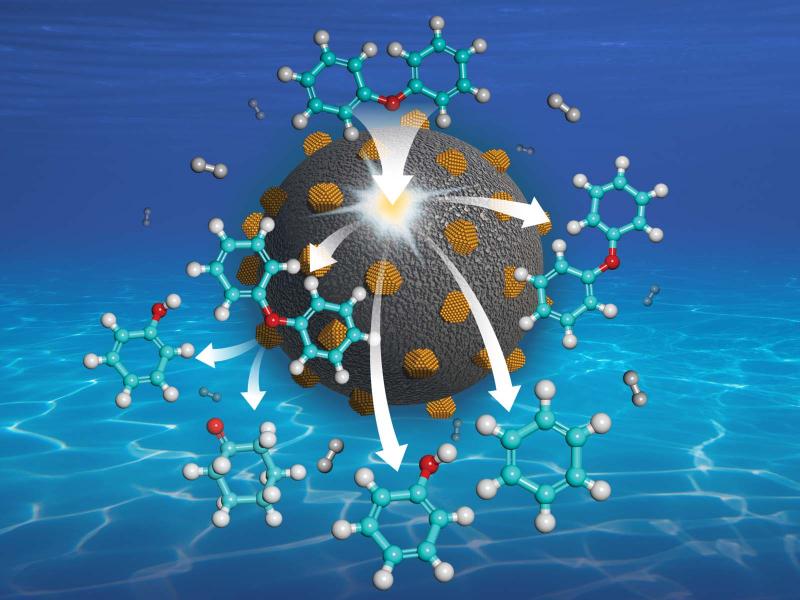
A process developed at PNNL that converts biomass and waste into a chemical intermediate or into gasoline, diesel, and jet fuel is available for commercial licensing.
A new simple and scalable synthesis produces nanoparticle assemblies that can perform catalytic hydrogen sensing at room temperature for the first time.
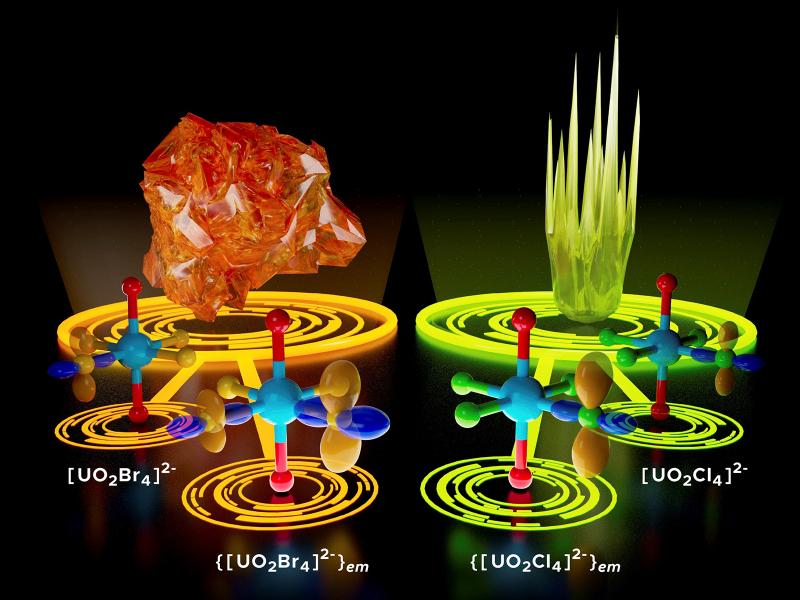
A comprehensive understanding of the electronic structure of uranyl ions provides insight into the chemistry of nuclear waste and uranium separation technologies.
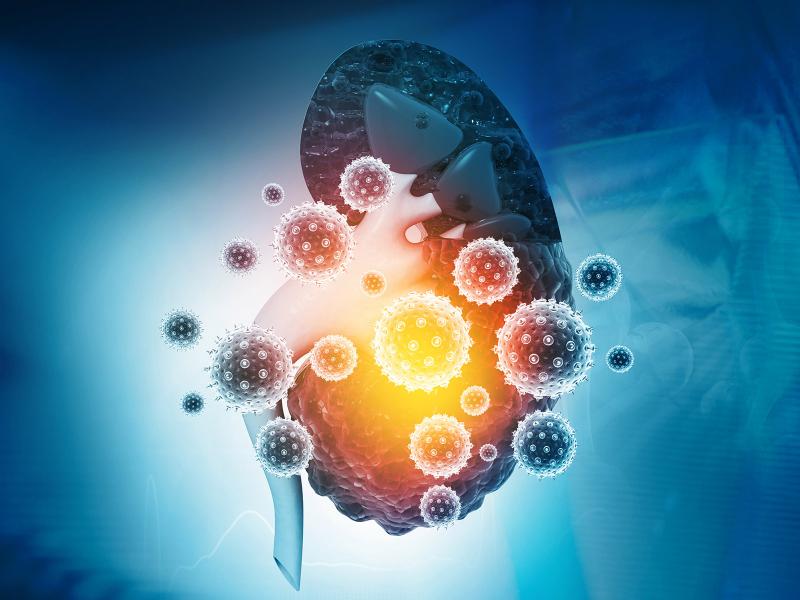
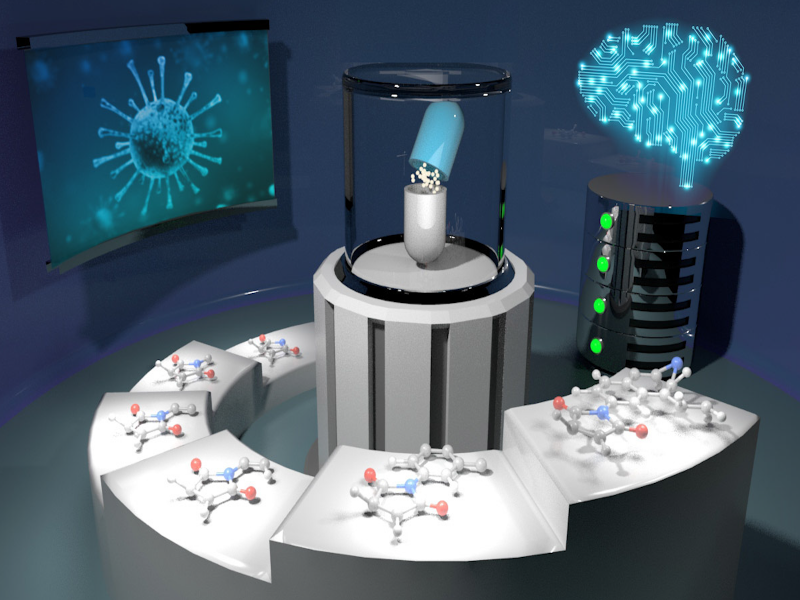
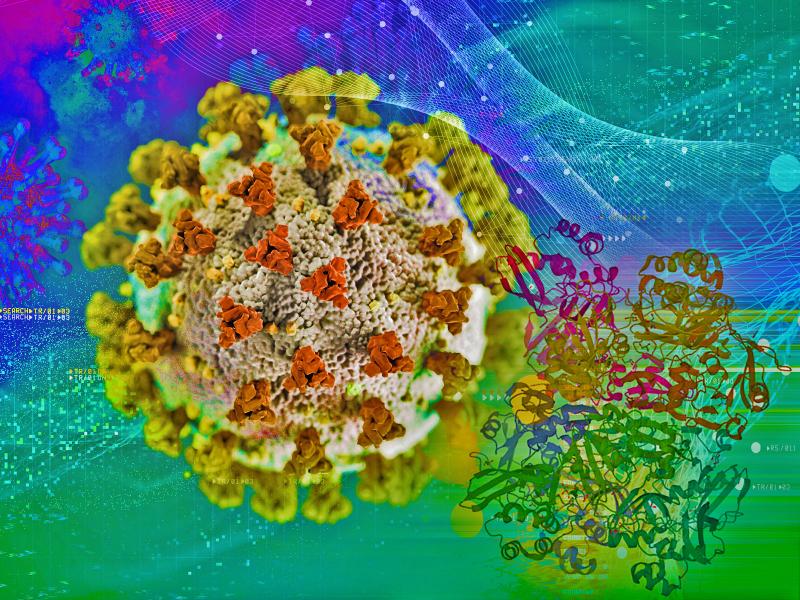
High-throughput biochemical assays targeting a vital viral protein identified one molecule out of more than 13,000 with promising antiviral activity against SARS-CoV-2.
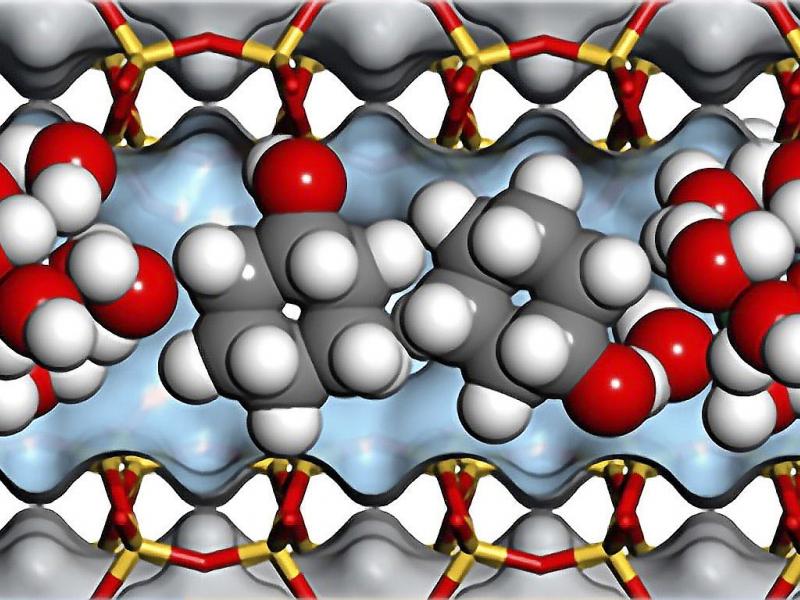
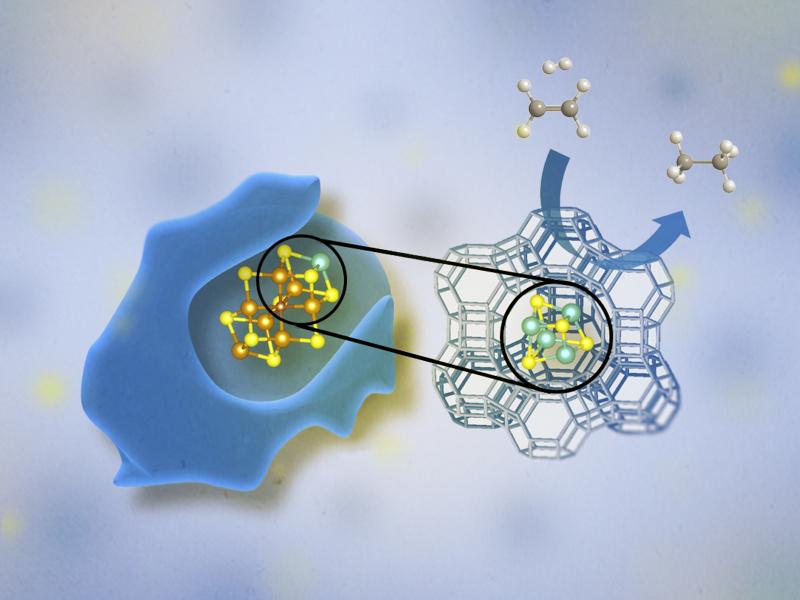
Tetranuclear molybdenum sulfide clusters encaged in zeolites mimic the FeMo-cofactor of nitrogenase, offering a new opportunity for improving industrial hydrotreatment processes.