A new simple and scalable synthesis produces nanoparticle assemblies that can perform catalytic hydrogen sensing at room temperature for the first time.
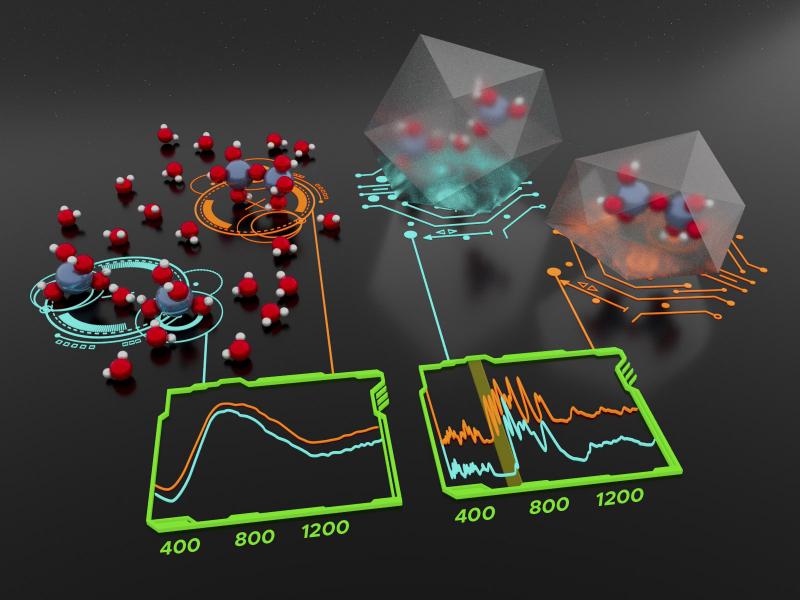
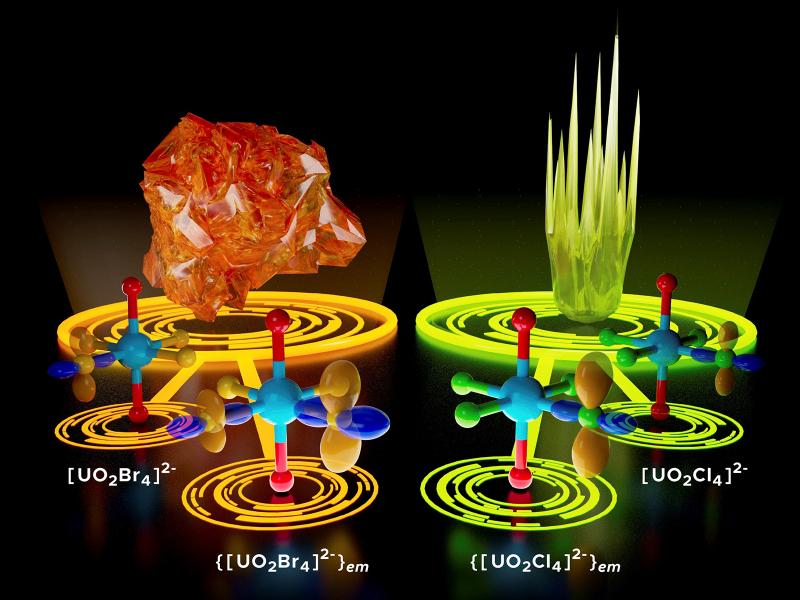
A comprehensive understanding of the electronic structure of uranyl ions provides insight into the chemistry of nuclear waste and uranium separation technologies.
A team of researchers developed a simulation approach to identify how atomic structures can affect the phonon transport of energy and information in quantum systems near absolute zero temperatures.
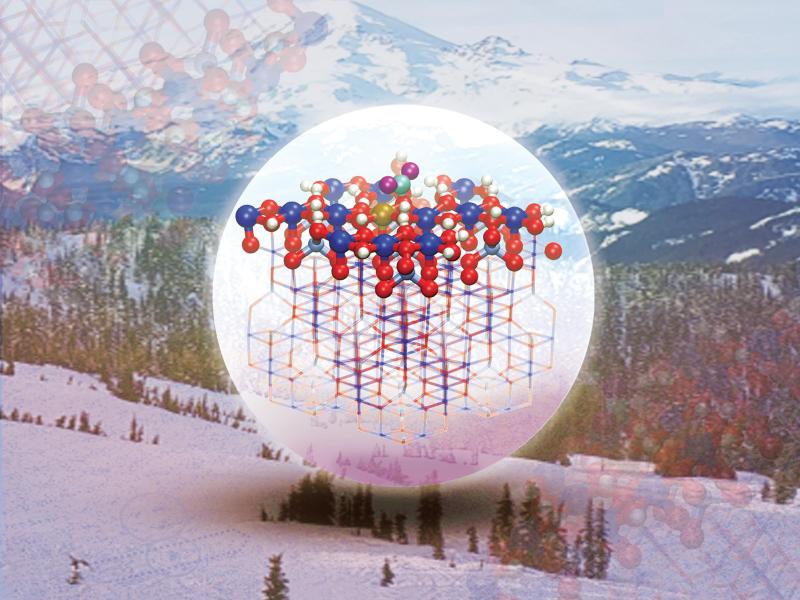
Theoretical work shows that an important natural iron source can be described as a nanoscale composite of different, but experimentally indistinguishable, structures.
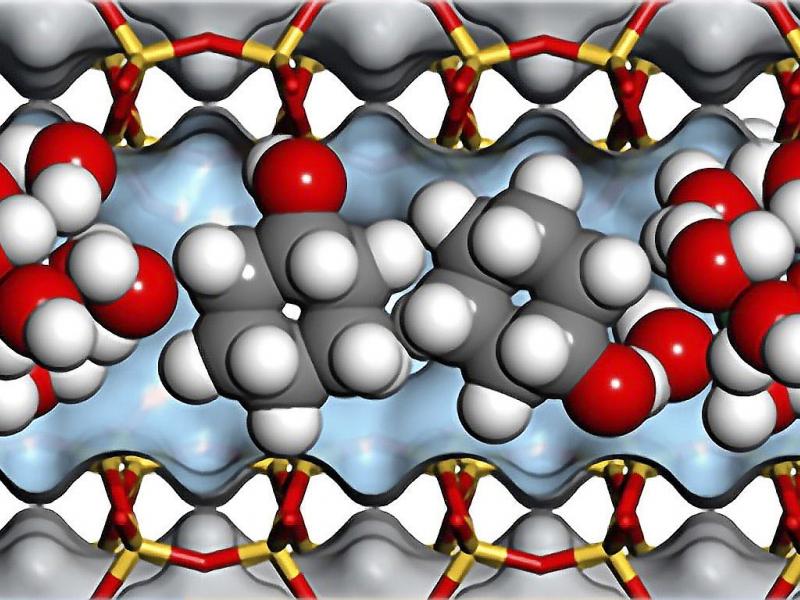
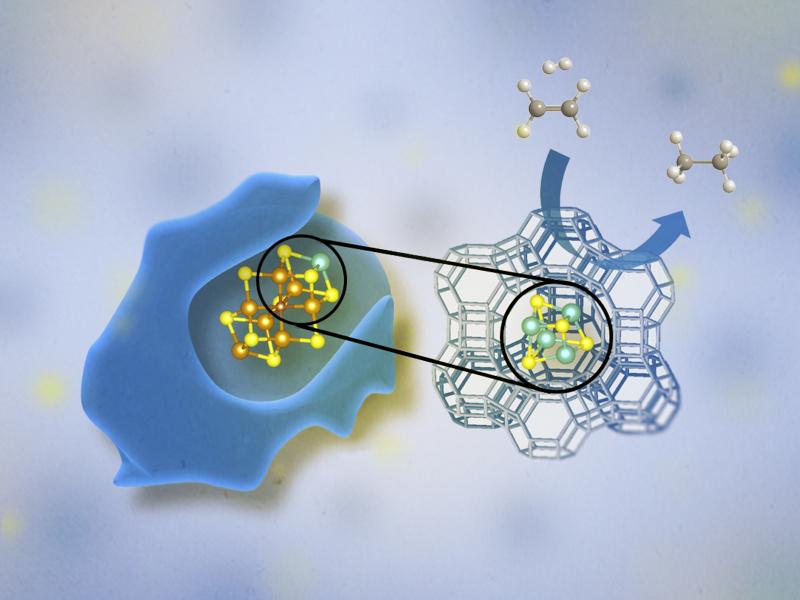
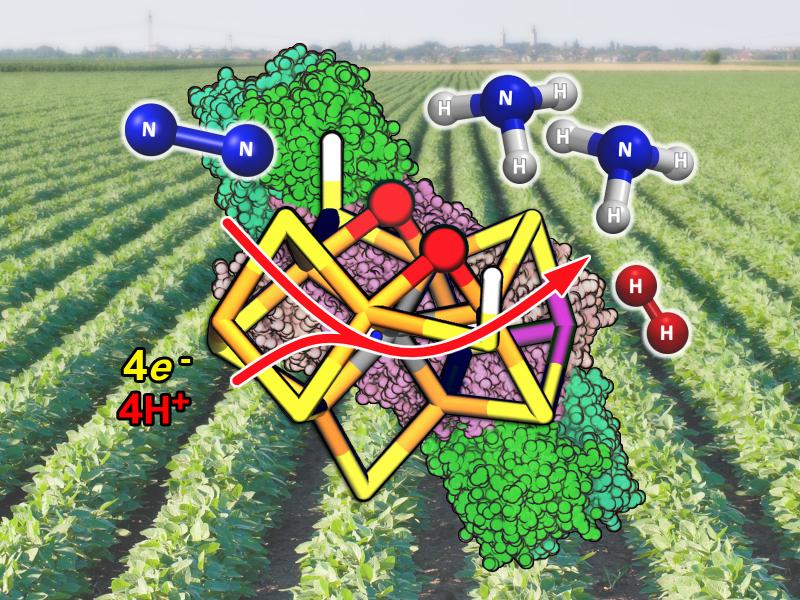
Tetranuclear molybdenum sulfide clusters encaged in zeolites mimic the FeMo-cofactor of nitrogenase, offering a new opportunity for improving industrial hydrotreatment processes.
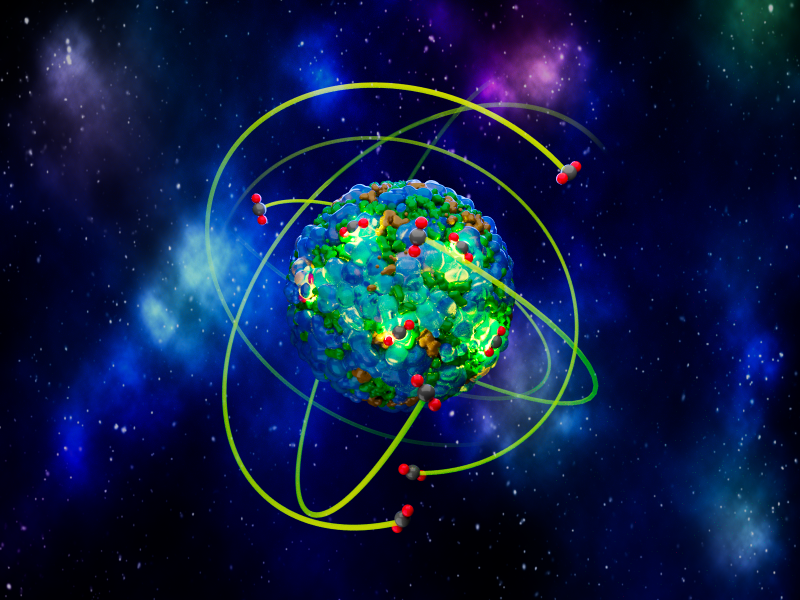
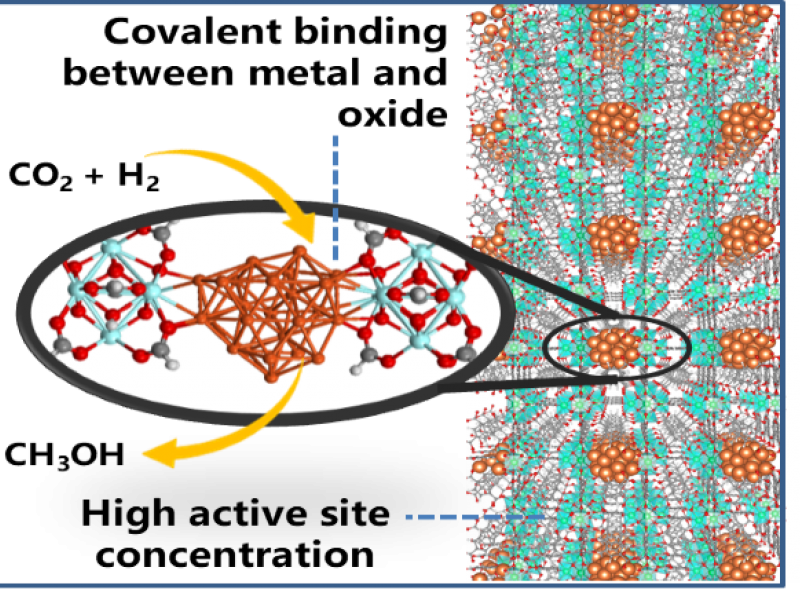
New research uncovers the mechanism of carbon dioxide reduction by metal-O-Fe bonds of single-metal atoms and metal nanoparticles supported by oxidic surfaces.