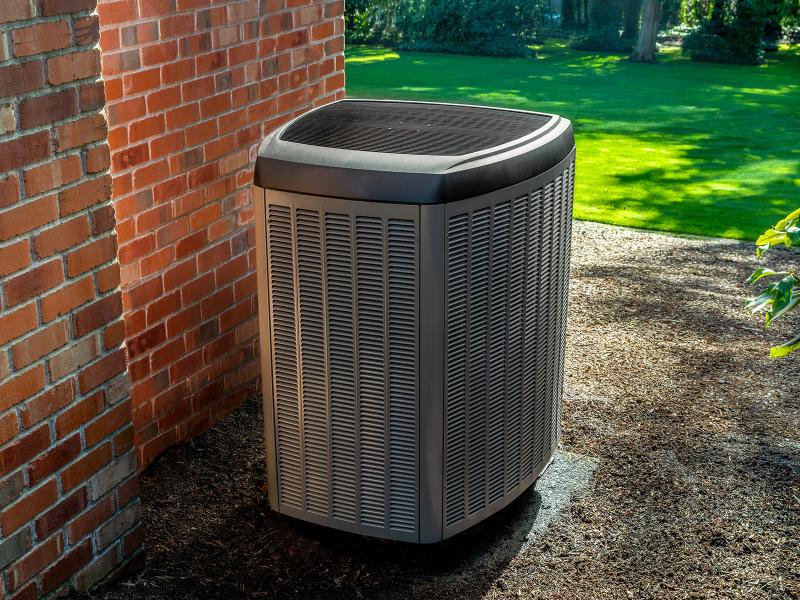
A larger HVAC workforce with training on modern heat pump technology will be pivotal to achieving the mass-scale electrification of household HVAC systems needed to meet building decarbonization goals.
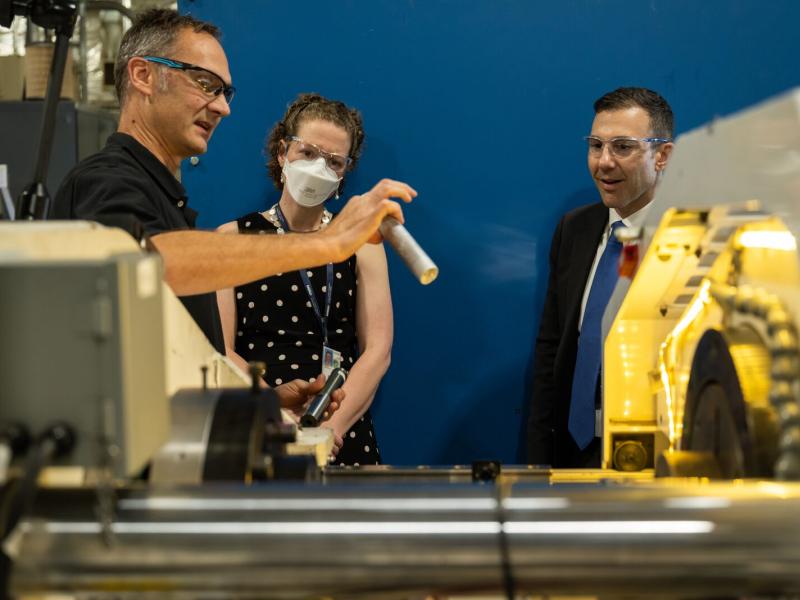
Leaders from the DOE Office of Energy Efficiency and Renewable Energy visited PNNL October 19–20 for a firsthand look at capabilities and research progress.
PNNL is at the midpoint of a study focused on the installation of electric heat pump water heaters in New Orleans homes. The efficient water heaters offer a unique capability that could help speed the transition from fossil fuels.
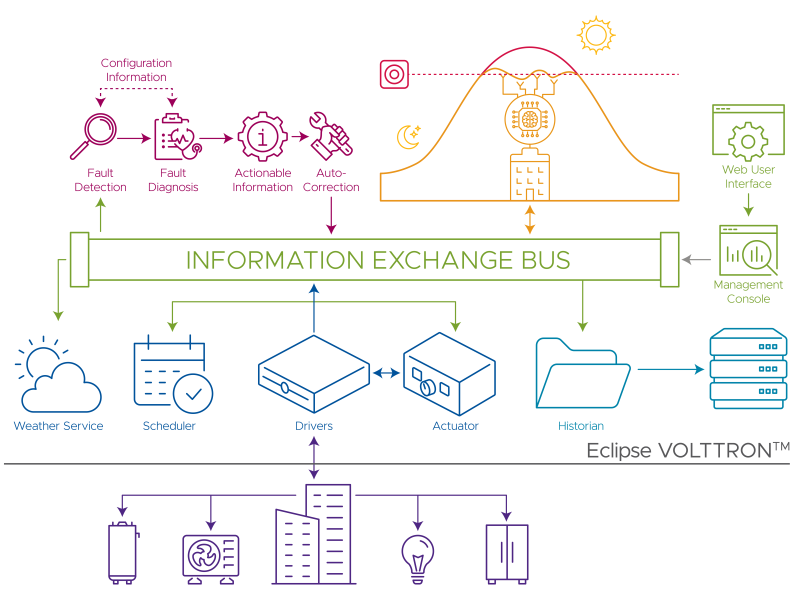
PNNL’s extensive portfolio of buildings-grid research included three projects that helped answer some of the technical questions related to leveraging energy consumption in buildings to enhance grid operations.
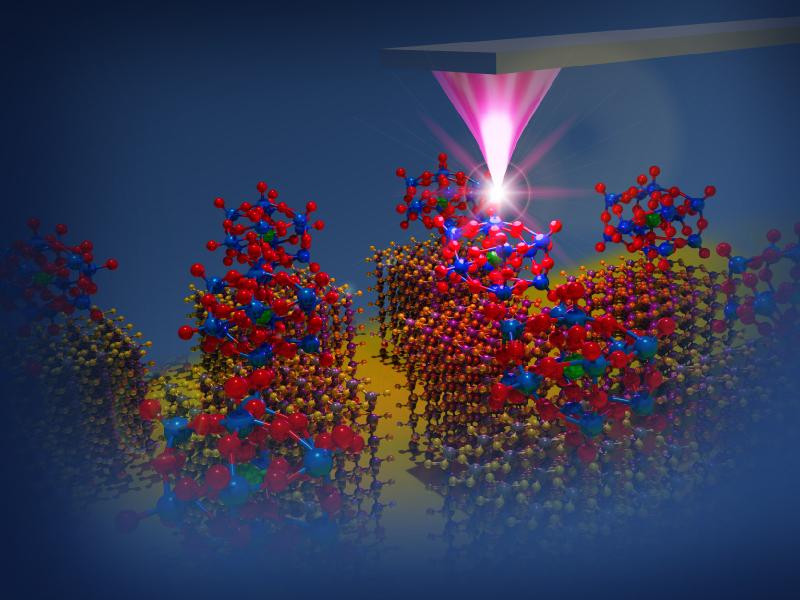
A combined experimental and theoretical study identified multiple interactions that affect the performance of redox-active metal oxides for potential electrochemical separation and quantum computing applications.
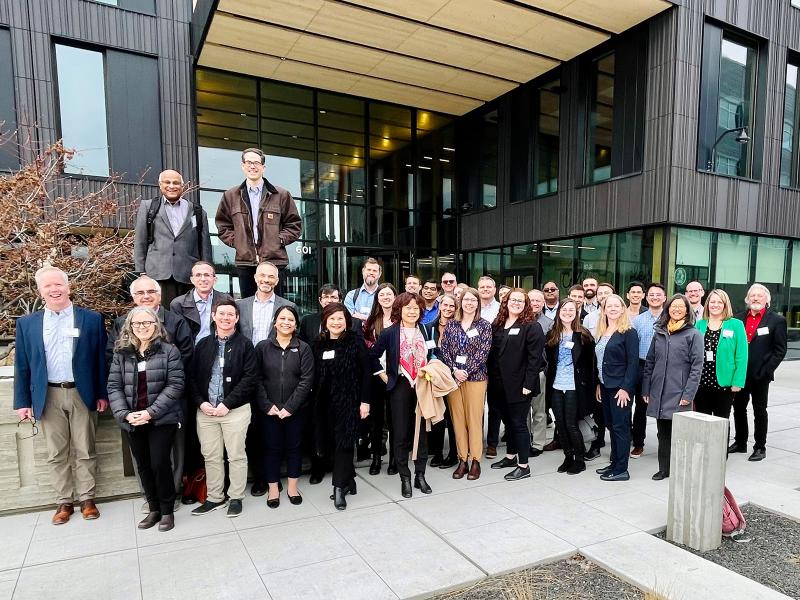
The Northwest Connected Communities Summit brought together representatives of five Department of Energy-funded Connected Communities Projects to share ideas and discuss potential collaboration opportunities.
Staff at PNNL recently completed a report highlighting commercial products enabled through projects funded by the Department of Energy’s Building Technologies Office.
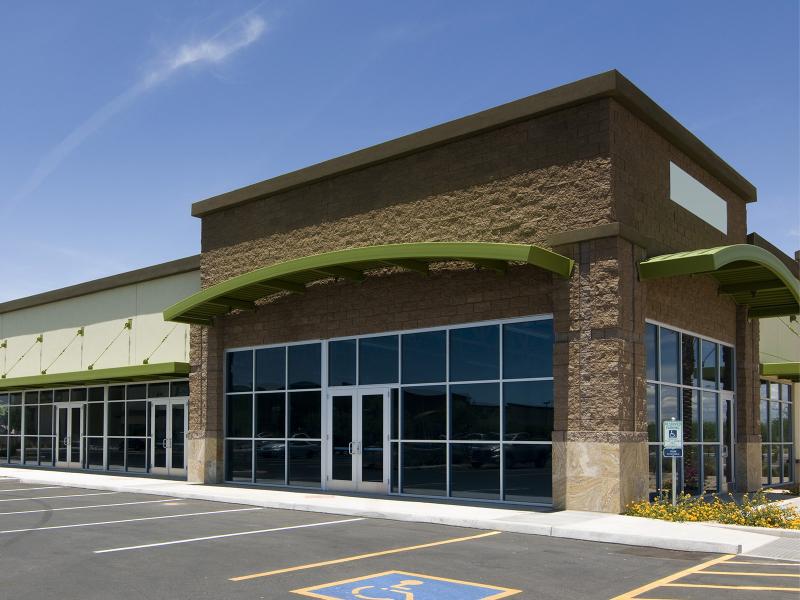
The Simple Building Calculator, developed at PNNL, meets a need for a quick, interactive, and economic method to evaluate energy use—and potential savings from efficiency measures—in simple commercial buildings.
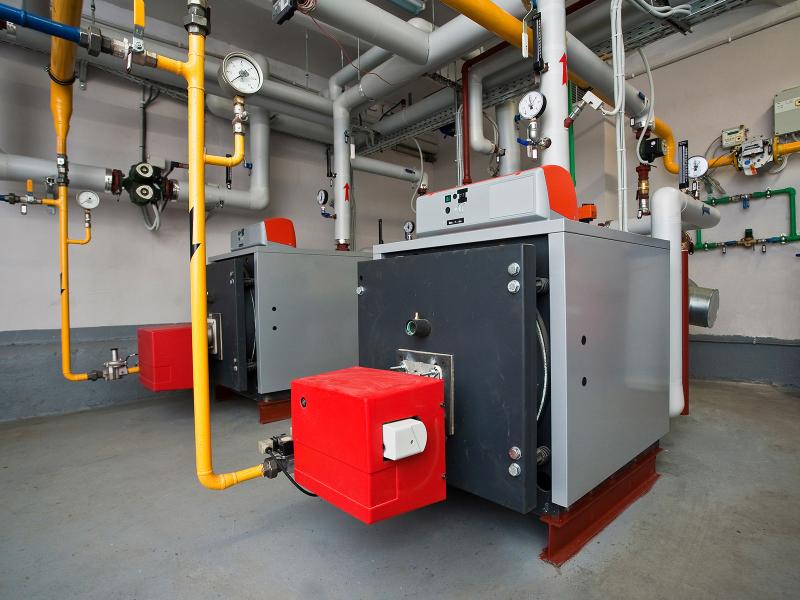
PNNL worked with the Department of Energy on the Commercial Packaged Boiler rule, which will help reduce energy use, enhance the environment, and save dollars.
PNNL researchers developed a hybrid quantum-classical approach for coupled-cluster Green’s function theory that maintains accuracy while cutting computational costs.
PNNL will provide technical resources and support to a national coalition of states and cities focused on implementing building performance standards to improve energy efficiency and reduce carbon emissions.