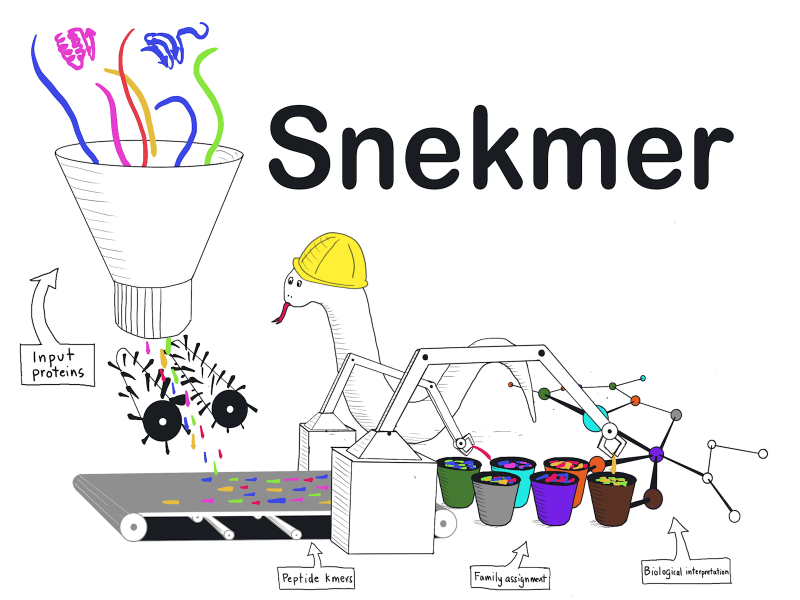
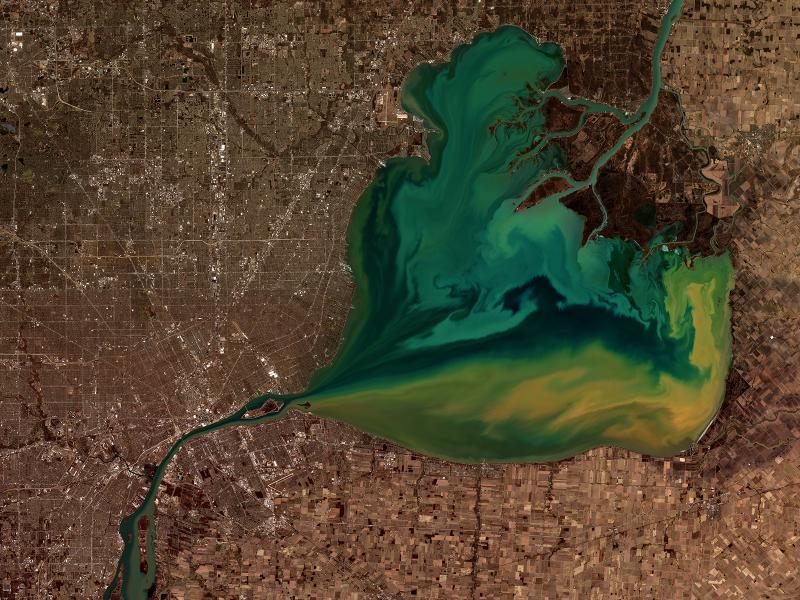
A multi-omics analysis provides the framework for gaining insights into the structure and function of microbial communities across multiple habitats on a planetary scale
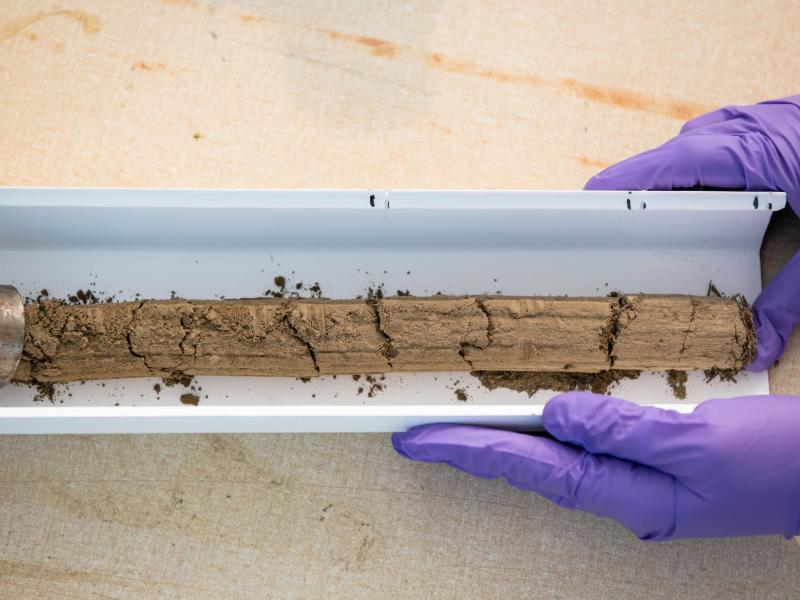
A rich and largely untapped reservoir of lipids in soil environments was used to examine microorganisms’ physiological responses to drying-rewetting cycles.
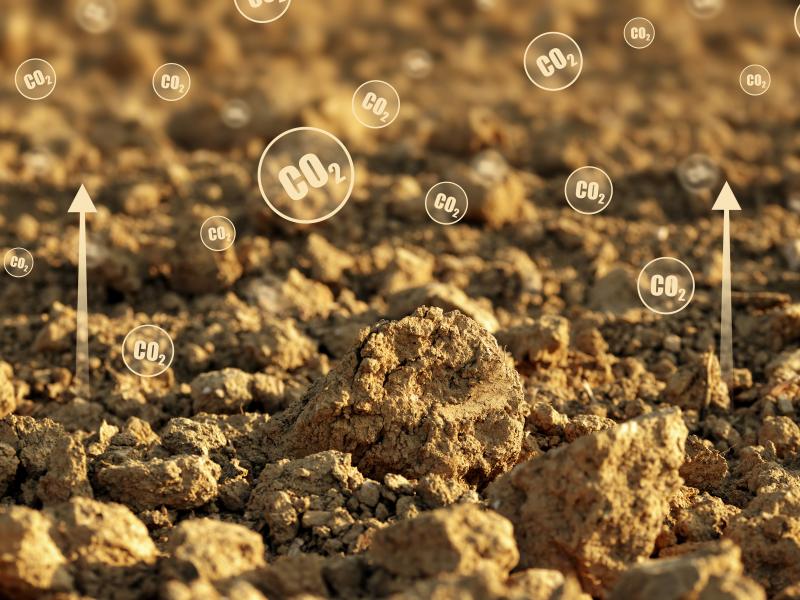
A team from the Environmental Molecular Sciences Laboratory published research, demonstrating that the soil microbes were directly involved in the stabilization of soil organic carbon and mineral weathering.
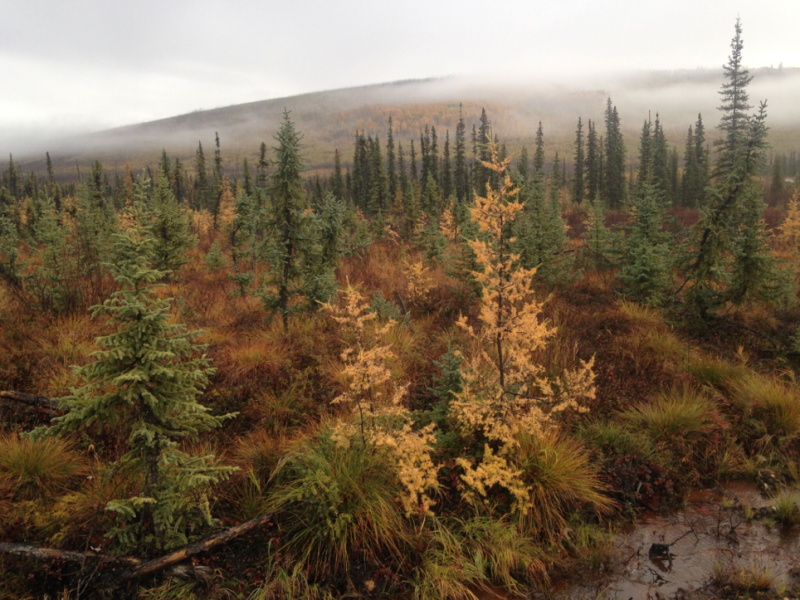
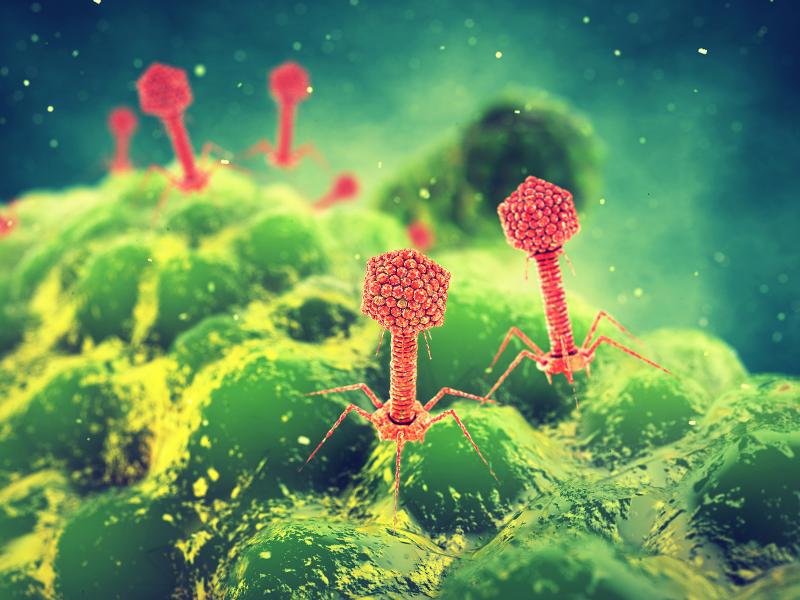
Microbes that were previously frozen in soils are becoming more active. This study demonstrates the diverse RNA viral communities found in thawed permafrost.
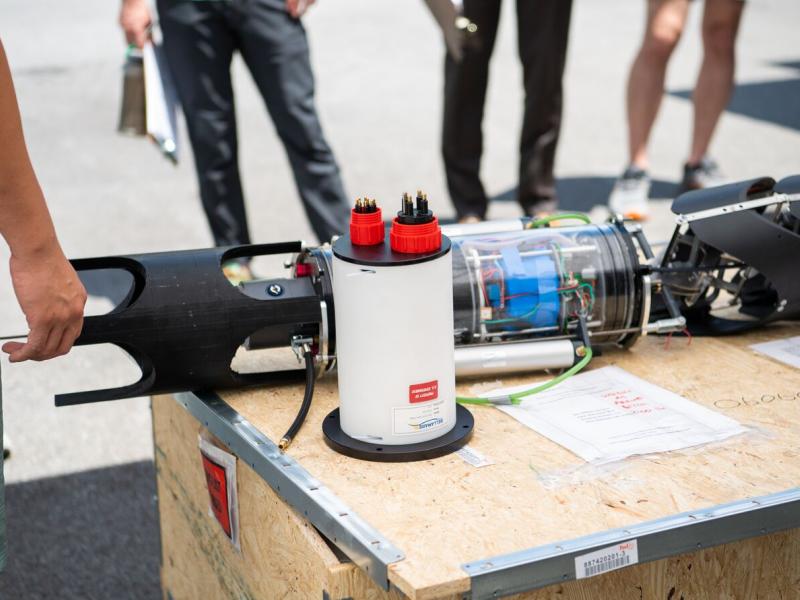
PNNL researchers developed the dummy payload to evaluate the performance of marine energy device prototypes in the Powering the Blue Economy: Ocean Observing Prize Competition.
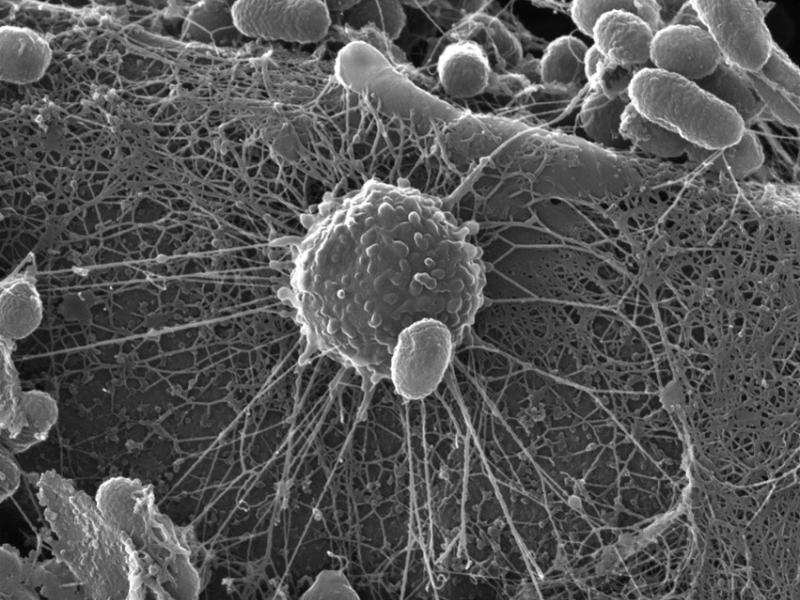
Dominant and functionally important soil microbes show strong, predictable, and distinctly different associations with continental-scale gradients in climate, vegetation, and soil moisture.
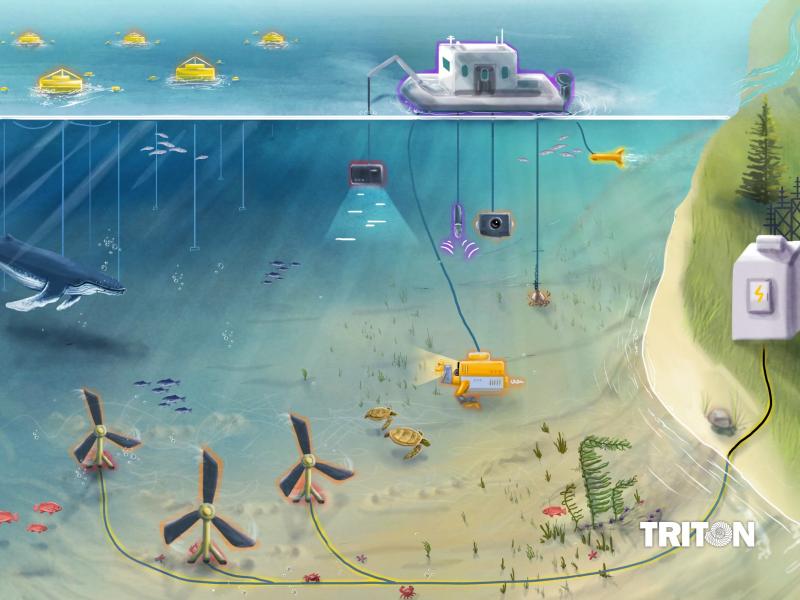
The Triton Initative discusses special issue publications from the Triton Field Trials on environmental monitoring recommendations for marine energy applications.
A novel ecological measurement uncovered interactions between river corridor organic matter assemblages and microbial communities, highlighting potentially important microbial taxa and molecular formula types.
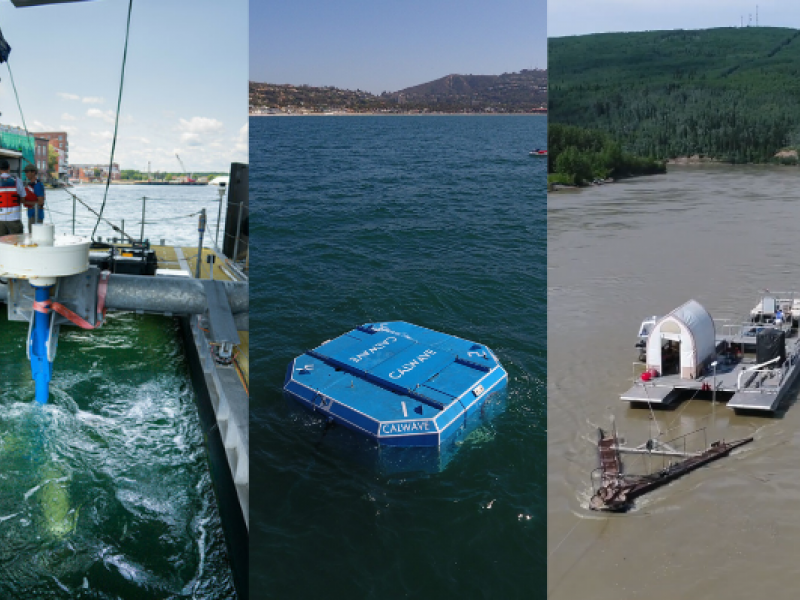
This Triton Story discusses the many types of marine energy devices and the Triton Field Trials environmental monitoring research around wave, tidal, and riverine energy devices.
The Triton Initiative highlights different creative science communications, including photography, writing, and science art, and the impact they have on the project's marine energy research.