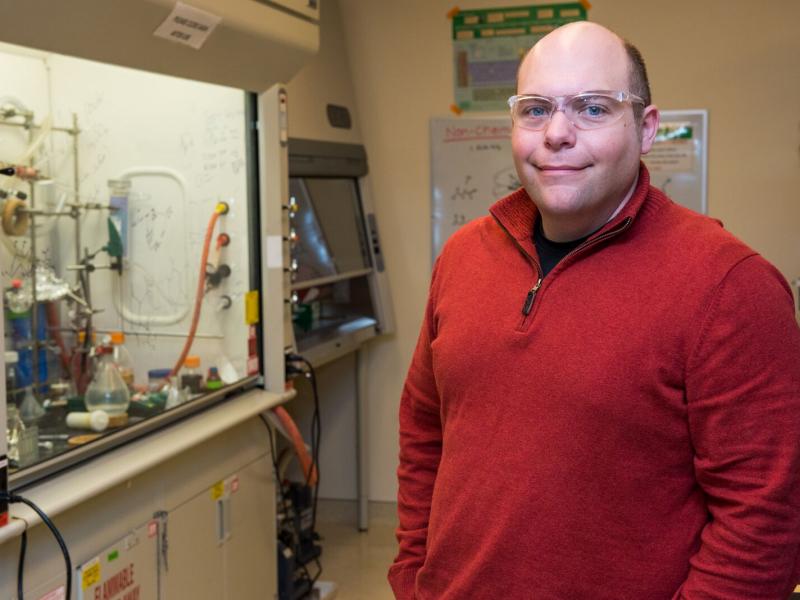
Chair of the NAE Materials Section, Jim De Yoreo brought together experts to explore how decades of materials innovation transformed the transistor into the foundation of modern technology.
PNNL's ASSORT model will help airports balance passenger screening and security risks with throughput. It also quantifies risks for different traveler types and optimizes checkpoint operations, improving efficiency while enhancing safety.
At the 2024 Aviation Futures Workshop, researchers from PNNL joined other subject matter experts and representatives from the stakeholder community in reimagining the passenger experience.
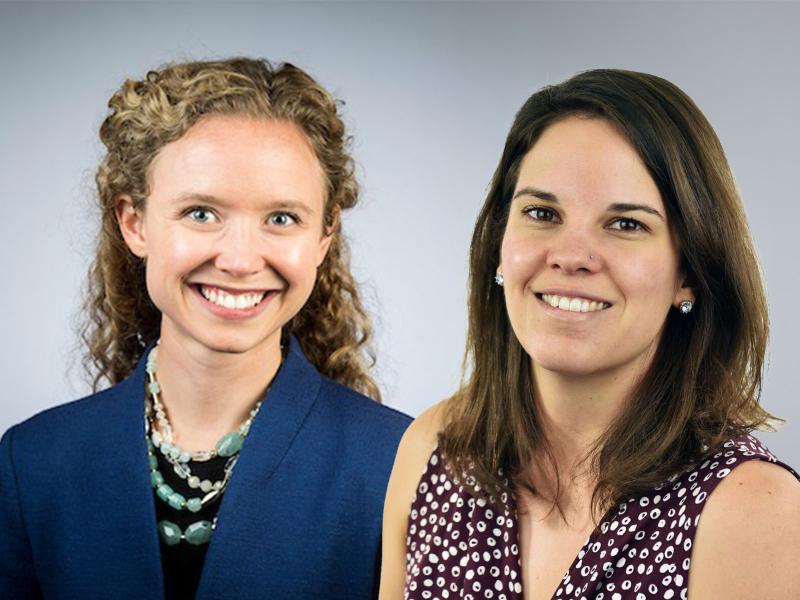
Three PNNL-affiliated researchers have been named fellows of the American Association for the Advancement of Science, the world’s largest multidisciplinary scientific society.
Corinne Fuller has been named the new co-director of the Bioproducts Institute, a research collaboration between Washington State University and PNNL, as of July 2023.
PNNL Biomedical Scientist Geremy Clair has taken on new roles as an editor for two journals; Frontiers In Cellular And Infection Microbiology and Frontiers In Molecular Biosciences.
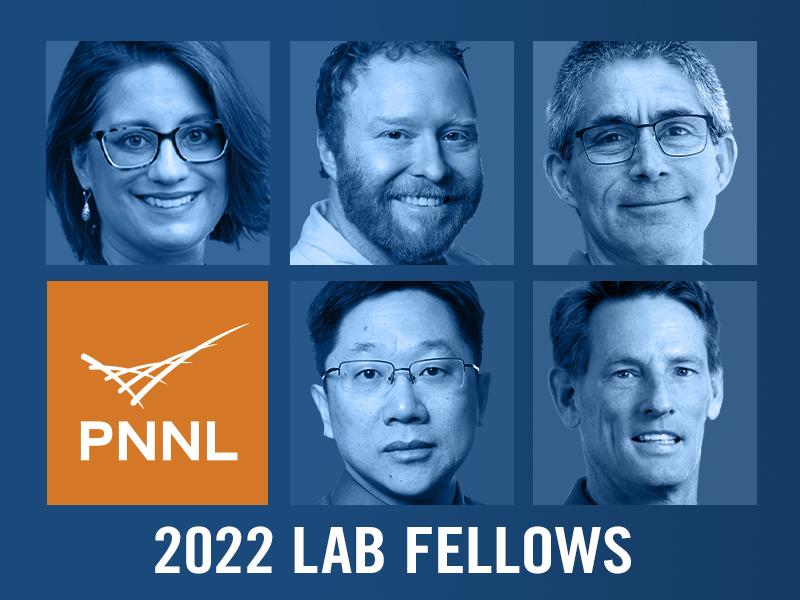
Read interviews with the new Laboratory fellows to learn about their contributions to their field, what drives them, and how their research is making the nation safer, greener, and more resilient.
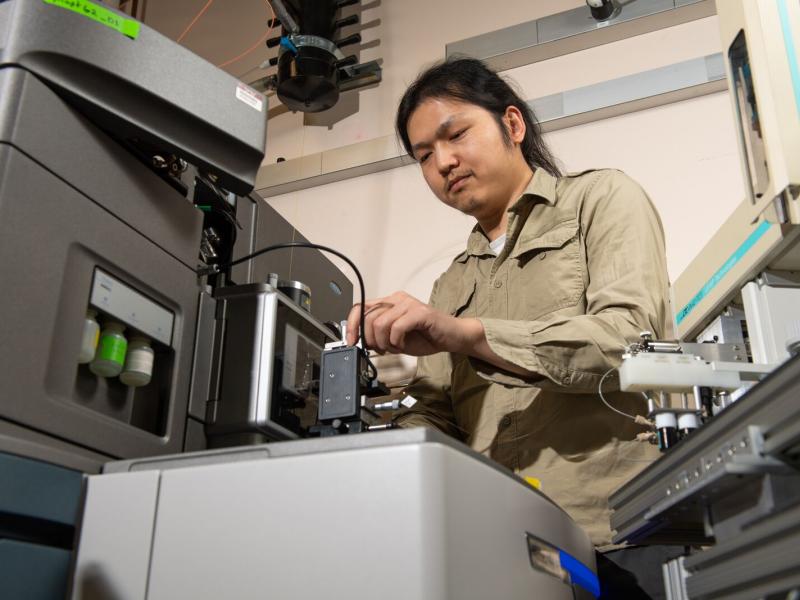
Mowei Zhou, a chemist with the Environmental Molecular Sciences Laboratory, is speaking at the ACS spring conference on his latest protein discoveries for a plant that could transform biofuels production.
Chemist April Carman was recognized for her career accomplishments with the Professional Achievement Award from the University of Nevada, Reno, College of Science.
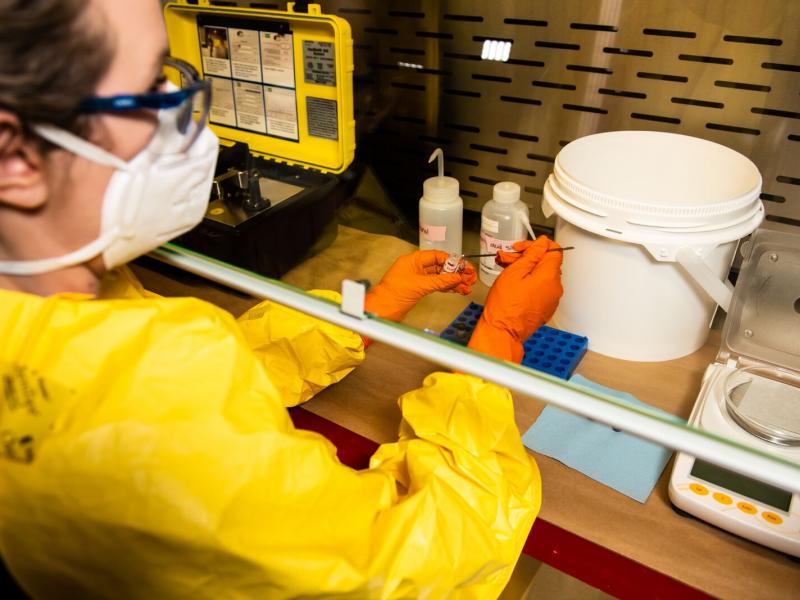
PNNL's Rich Ozanich, project manager of opioids standards and equipment testing, served on an expert panel about opioid detection as part of a Department of Homeland Security S&T research and development showcase.
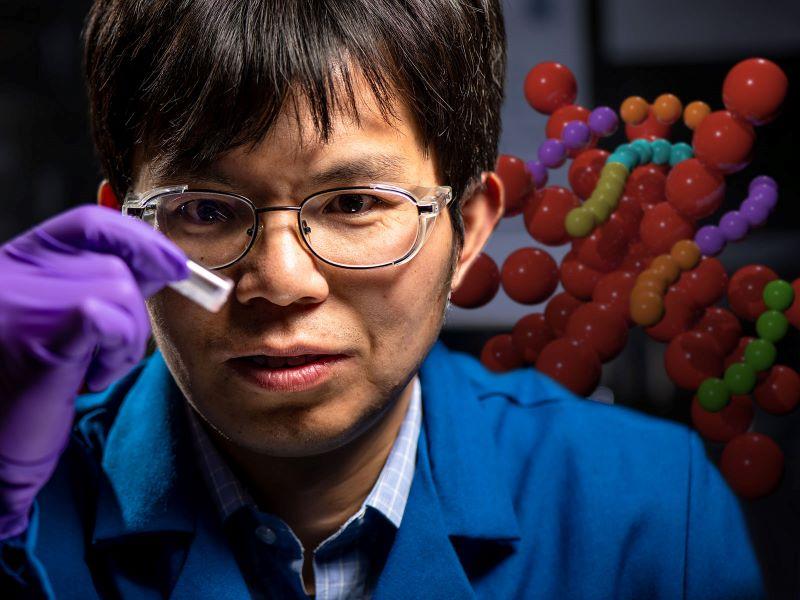
A new review paper led by senior research scientist Chun-Long Chen and featured on the cover of Accounts of Chemical Research summarizes advances by PNNL scientists in developing sequence-defined peptoids.