Through AMAIS, PNNL is developing new memory systems that can advance scientific computational research by broadening AI capabilities and powering high-speed analysis of large datasets.
Pacific Northwest National Laboratory (PNNL) is advancing AI that unlocks new scientific discoveries, ensures reliable energy, and strengthens national security through the Center for AI @PNNL and its partnership with the Department of Ener
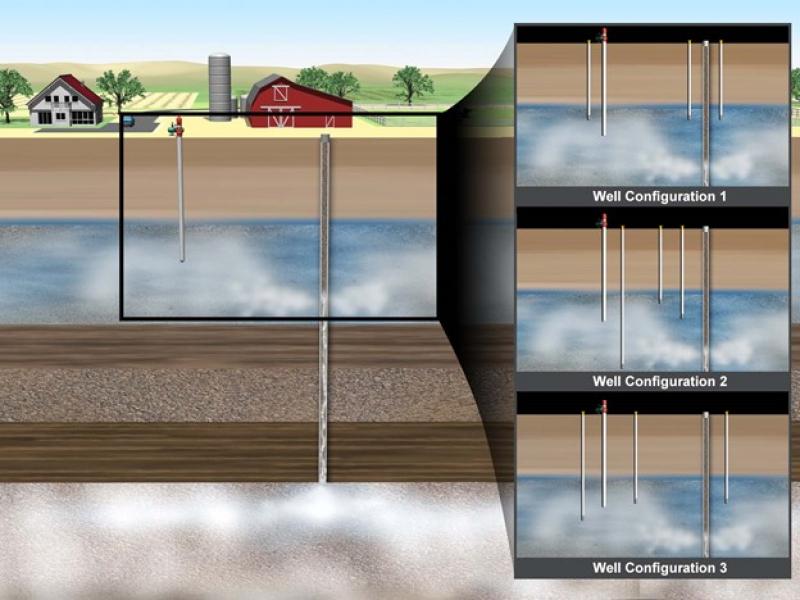
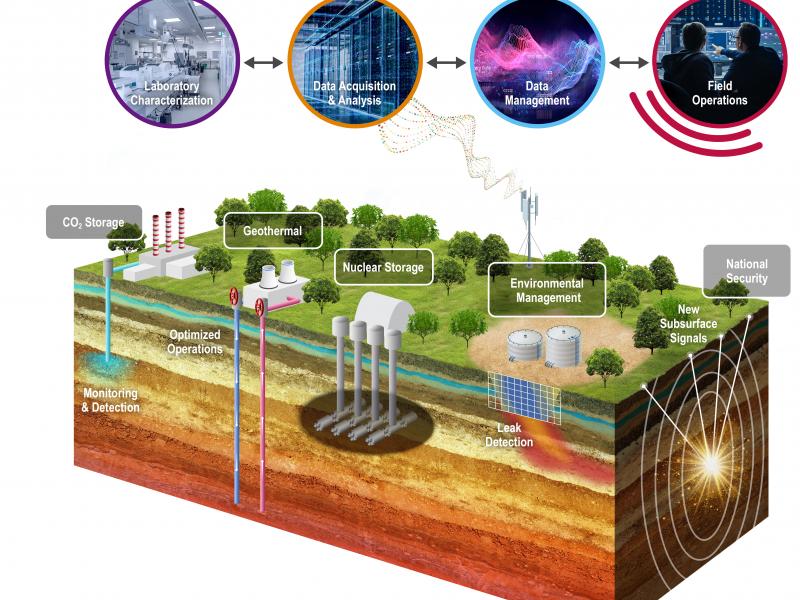
The Center for Understanding Subsurface Signals and Permeability (CUSSP) Energy Earthshot Research Center (EERC) is working to develop the ability to predict and control fluid flow through fracture networks in enhanced geothermal systems.
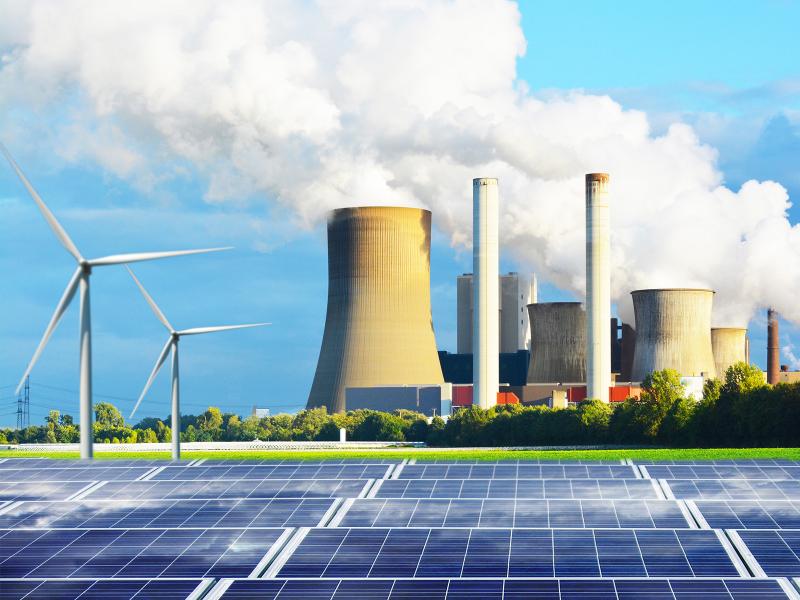
PNNL is helping communities with significant historical ties to fossil energy understand opportunities and pursue numerous federal resources available to support coal power plant redevelopment.
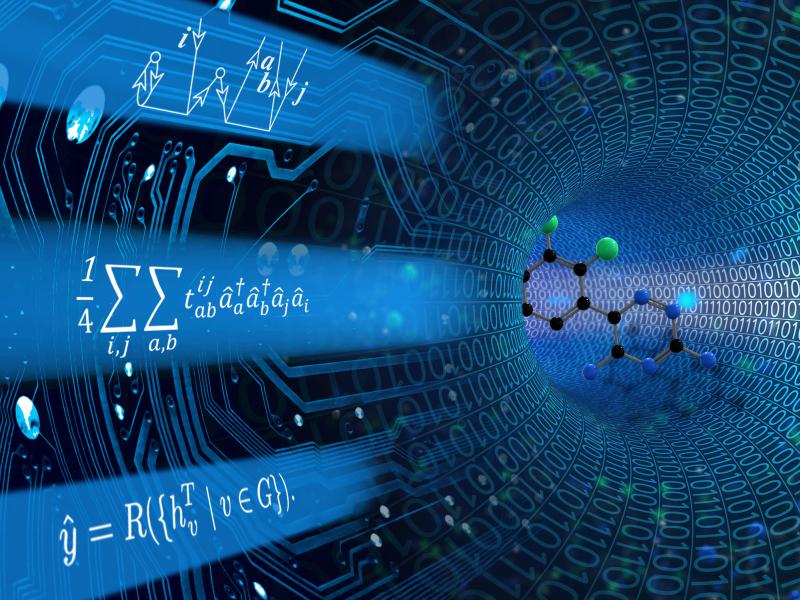
The Computational and Theoretical Chemistry Institute (CTCI) aspires to establish a premier international center for chemistry and materials science software at extreme scales.
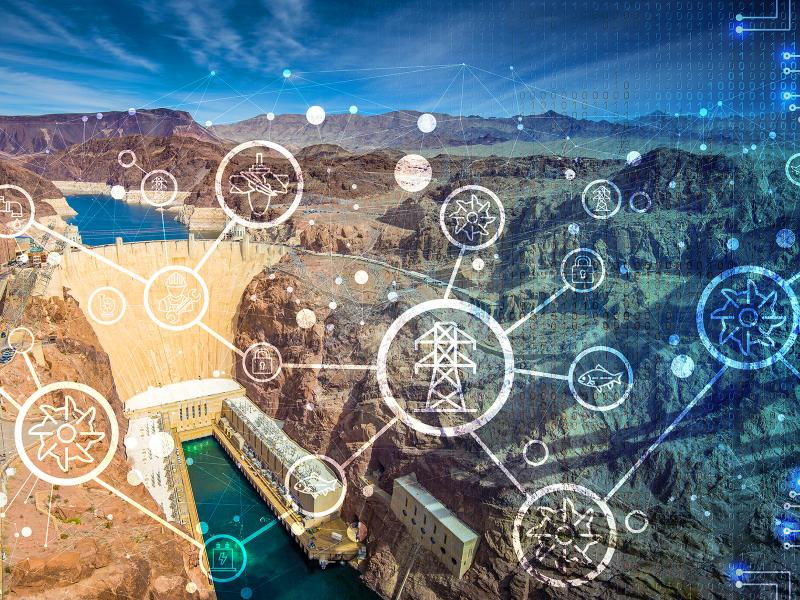
PNNL and ORNL are working together on Digital Twins to modernize the U.S. hydropower plant fleet, which will reduce operating costs, improve reliability, reduce downtime, enhance grid resiliency, and reduce environmental impacts.
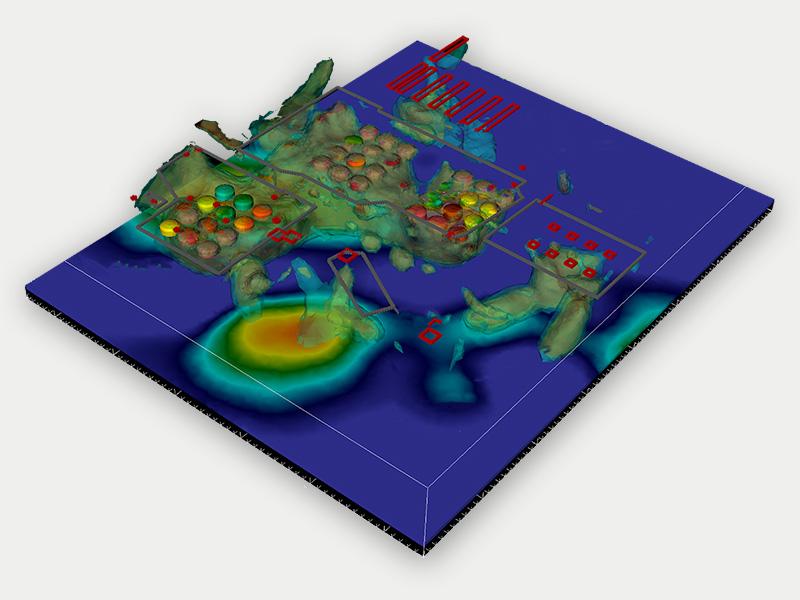
E4D is a 3D geophysical modeling and inversion program designed for subsurface imaging and monitoring using static and time-lapse electrical resistivity tomography (ERT), spectral induced polarization (SIP) and travel-time tomography data.
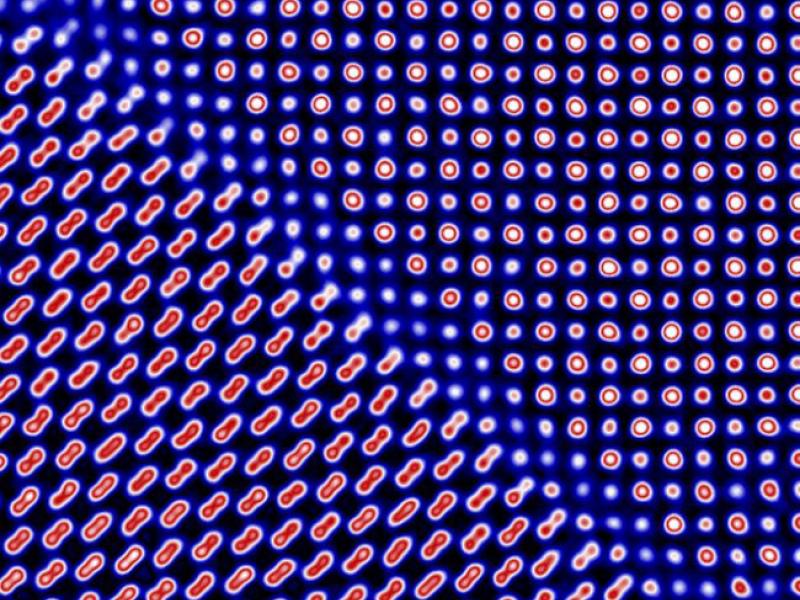
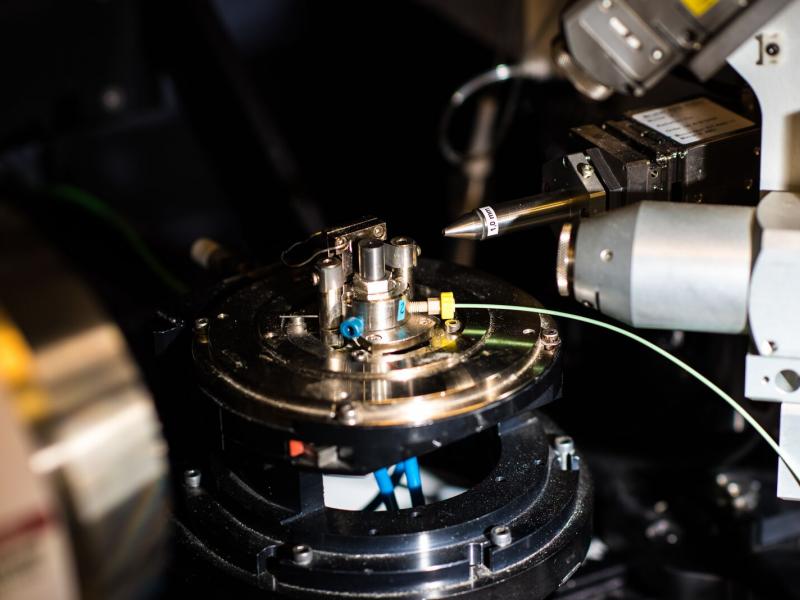
PNNL is a leader in the integration of aberration-corrected electron microscopy, in-situ techniques, and atom probe tomography to address challenges in nuclear materials, environmental remediation, energy storage, and national security.
Pacific Northwest National Laboratory’s Generative AI Investment aims to harness this transformative technology to drive innovation across the science, energy, and security research domains.
PNNL is a key partner in the Department of Energy (DOE) Genesis Mission, which is developing a powerful AI platform to accelerate scientific discovery, drive energy innovation, and strengthen national security.