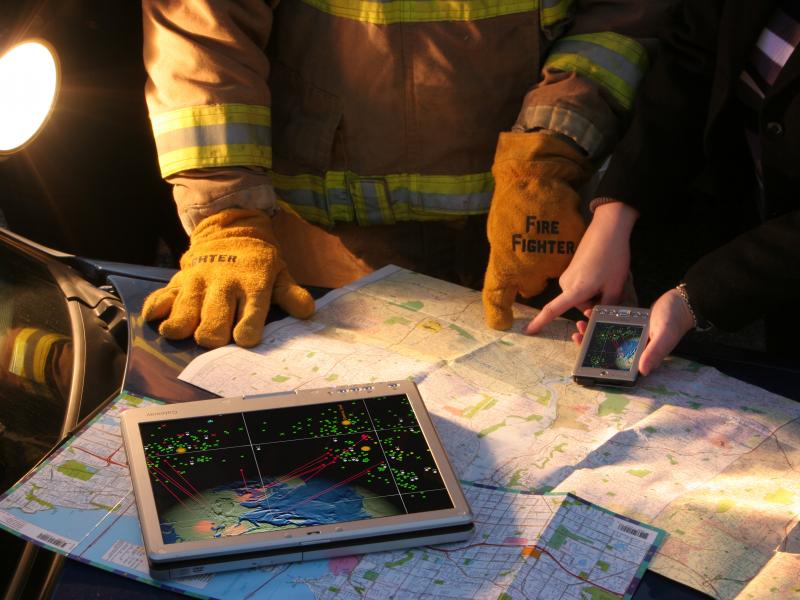
The National Response Framework Policy Landscape Analysis Tool interactively captures and visualizes intricacies of the National Response Framework, a federal guide to national response to all types of disasters and emergencies.
Pacific Northwest National Laboratory supports innovations in data analytics, instrumentation, and experimental techniques for the Northwest (NW) Biopreparedness Research Virtual Environment (BRaVE) Initiative.
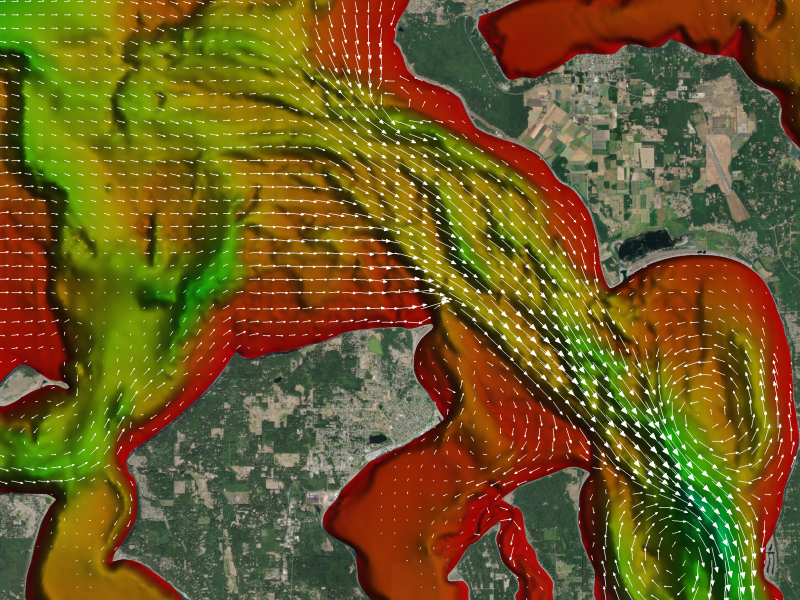
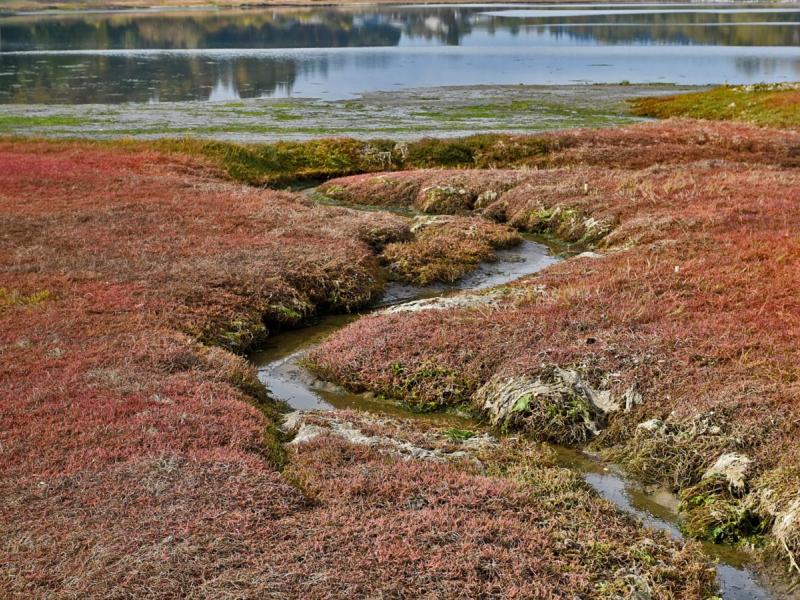
PNNL's Ocean Dynamics Modeling group studies coastal processes such as marine-hydrokinetic energy, coastal circulations, storm surge and extreme waves, tsunamis, sediment transport and nutrient-macroalgal dynamics.
The Pacific Northwest Advanced Compound Identification Center (PNACIC) brings together innovations in integrated chemistry and advanced instrumentation to create a platform for comprehensive, unambiguous identification of metabolites.
Physics-informed machine learning (PIML) is a modeling approach that harnesses the power of machine learning and big data to improve the understanding of coupled, dynamic systems.
The Pacific Northwest National Laboratory is developing a Port Electrification Handbook—a reference to aid maritime ports nationwide in their clean energy transition.
Our nation’s critical infrastructure supports the security and wellbeing of our society. Maintaining the resilience of important markets and services is vital to upholding our way of life.
The QuAADS Initiative seeks to develop the computing processes, tools, and knowledge to transition from current technologies to quantum computing technologies by leveraging codesign and hybrid computing approaches.
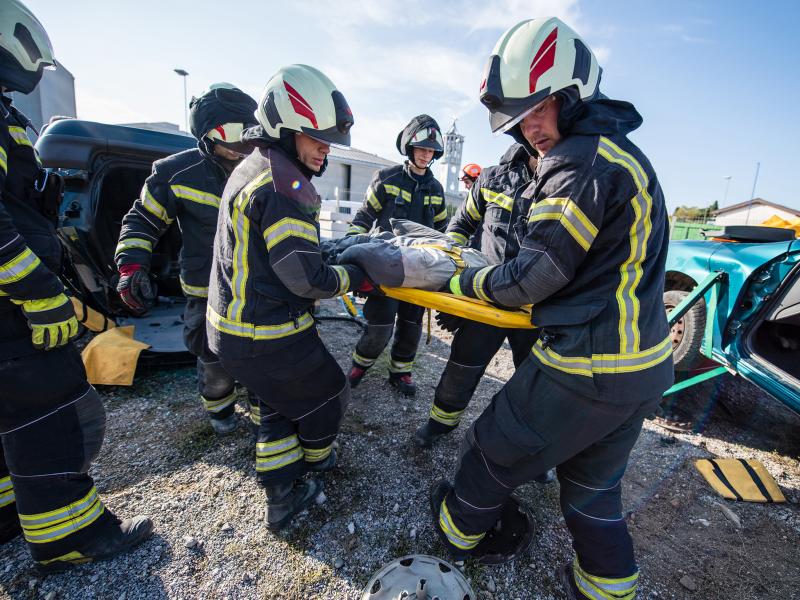
PNNL combines AI and cloud computing with damage assessment tools to predict the path of wildfires and quickly evaluate the impact of natural disasters, giving first responders an upper hand.
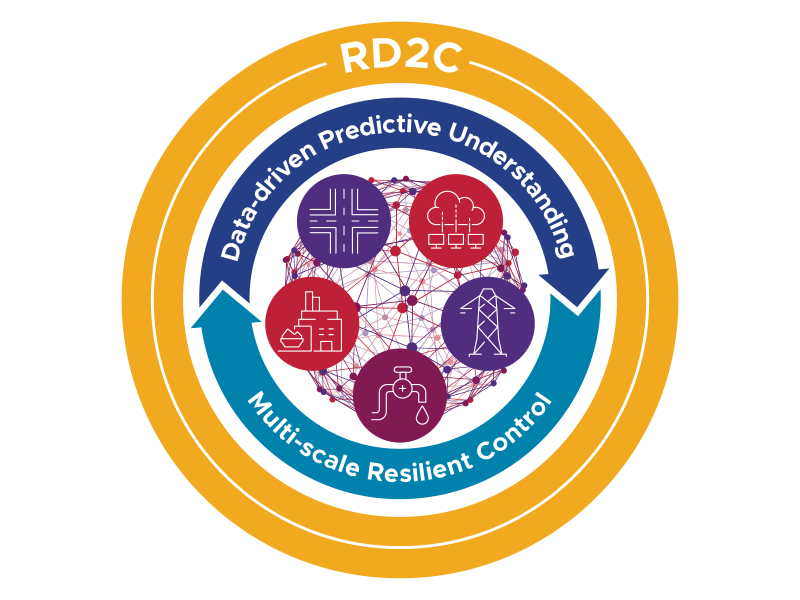
The RD2C laboratory-directed research initiative seeks to develop resilient, adaptive, and intelligent sensing and control algorithms through the observational understanding and characterization of CPSs under adverse conditions.
PNNL has developed performance assessment guidance for remediation of volatile contaminants in the vadose zone, inorganic contaminant remediation in the vadose zone, and pump-and-treat of groundwater contaminant plumes.
PNNL is working on behalf of the U.S. Department of Energy to create a prototype system that enables homes to help provide services to the power grid while delivering economic benefits to residents.