From global issues such as melting permafrost and the creation of alternate biofuels to matters affecting microbiomes and micro-sized life, PNNL research is featured in news publications worldwide.
PNNL will partner with the U.S. Department of Transportation’s Volpe Center to explore ways to to achieve federal goals for developing electric transmission infrastructure in transportation rights-of-way (ROWs).
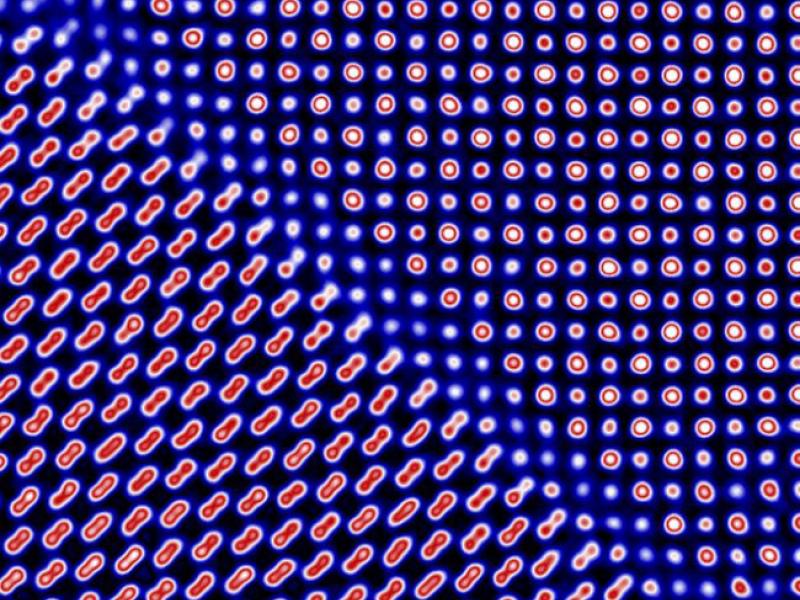
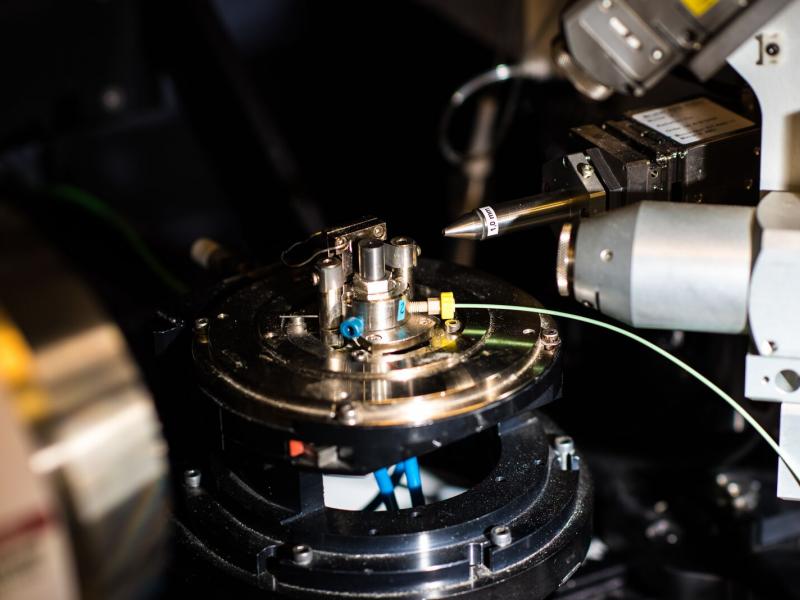
PNNL is a leader in the integration of aberration-corrected electron microscopy, in-situ techniques, and atom probe tomography to address challenges in nuclear materials, environmental remediation, energy storage, and national security.
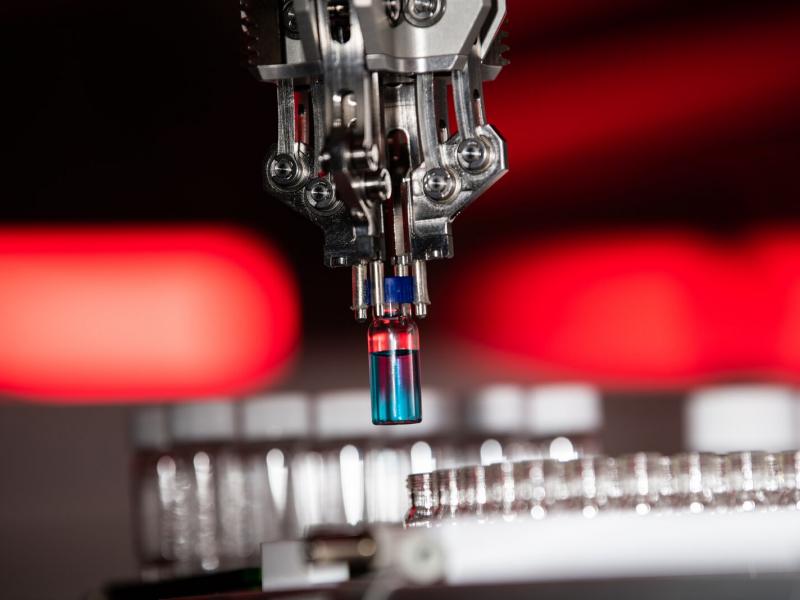
PNNL’s ESMI is a Laboratory-funded research and development (R&D) program focused on transforming and accelerating materials development processes for next-generation energy storage technologies.
Fish reintroduction is the intentional establishment of a fish species in an area where it existed historically prior to hydropower development and other terrain changes to the species’ habitat.
Pacific Northwest National Laboratory (PNNL) is a key partner in the Genesis Mission, the Department of Energy’s (DOE’s) integrated ecosystem to accelerate discovery and strengthen U.S. leadership in AI-powered science.
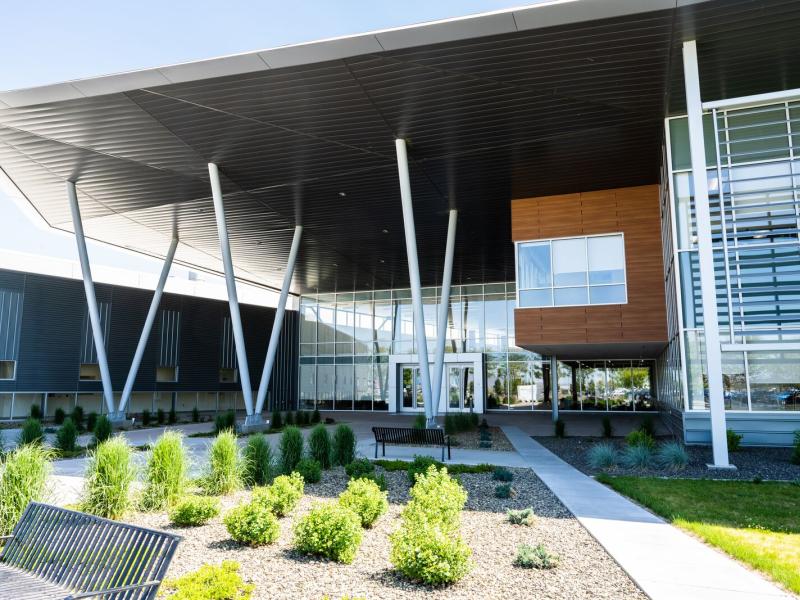
The Grid Storage Launchpad (GSL) is a national capability for energy storage research funded by the Department of Energy Office of Electricity and located on the Pacific Northwest National Laboratory (PNNL) campus in Richland, Washington
The Ion Dynamics in Radioactive Environments and Materials (IDREAM) Energy Frontier Research Center (EFRC) conducts fundamental science to support innovations in retrieving and processing high-level radioactive waste.