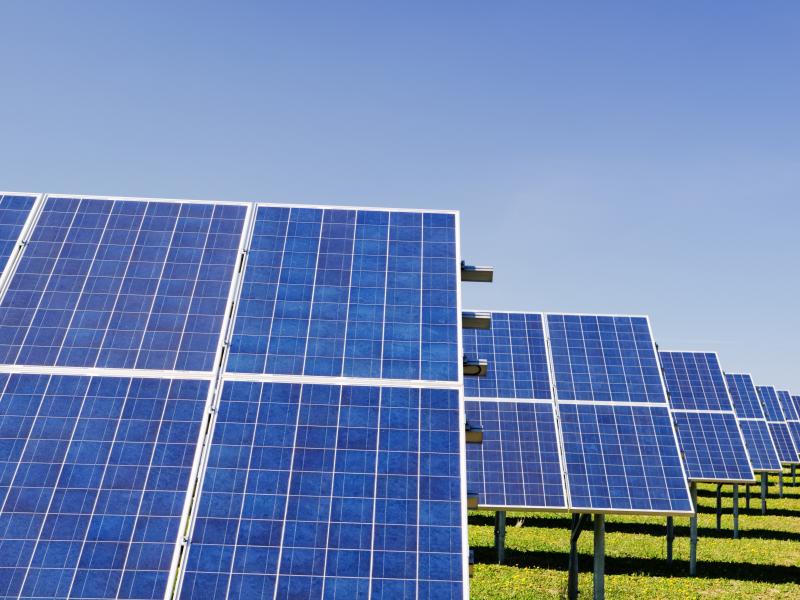
In a new review, PNNL researchers outline how to convert stranded biomass to sustainable fuel using electrochemical reduction reactions in mini-refineries powered by renewable energy.
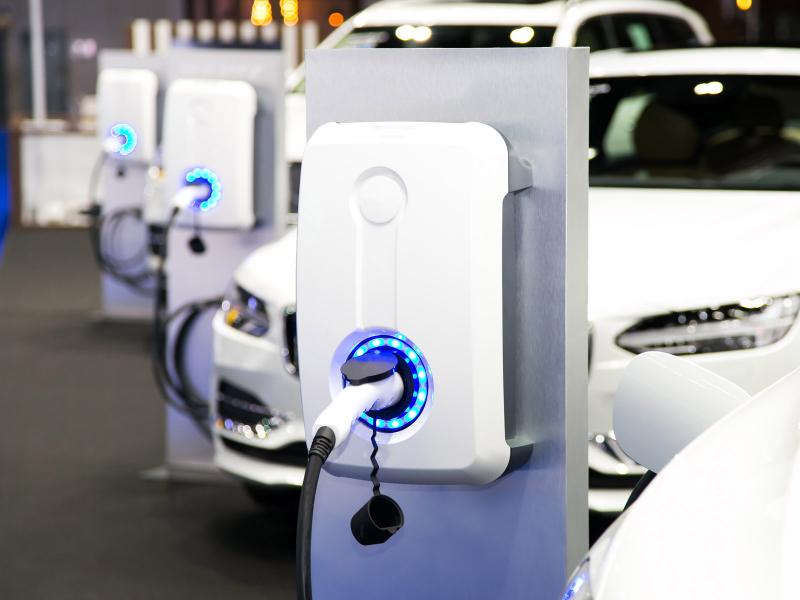
A new PNNL report says the western U.S. power system can handle large-scale vehicle electrification up to 24 million vehicles through 2028, but more than that and cities could start feeling the squeeze.
Their consistency and predictability makes tidal energy attractive, not only as a source of electricity but, potentially, as a mechanism to provide reliability and resilience to regional or local power grids.
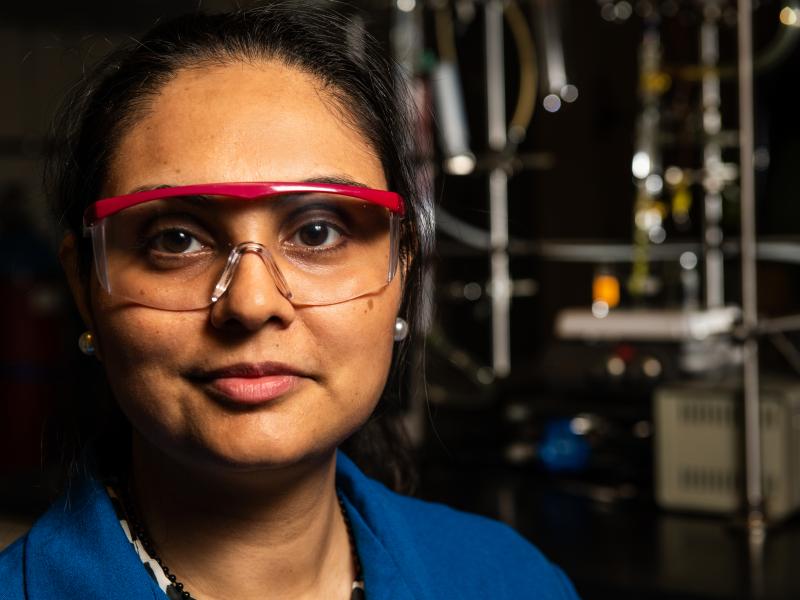
Deepika Malhotra, an organic chemist at PNNL, will lend her expertise to help shape the content and quality of Pollutants a new, interdisciplinary, open access, journal focusing on a range of environmental science research.
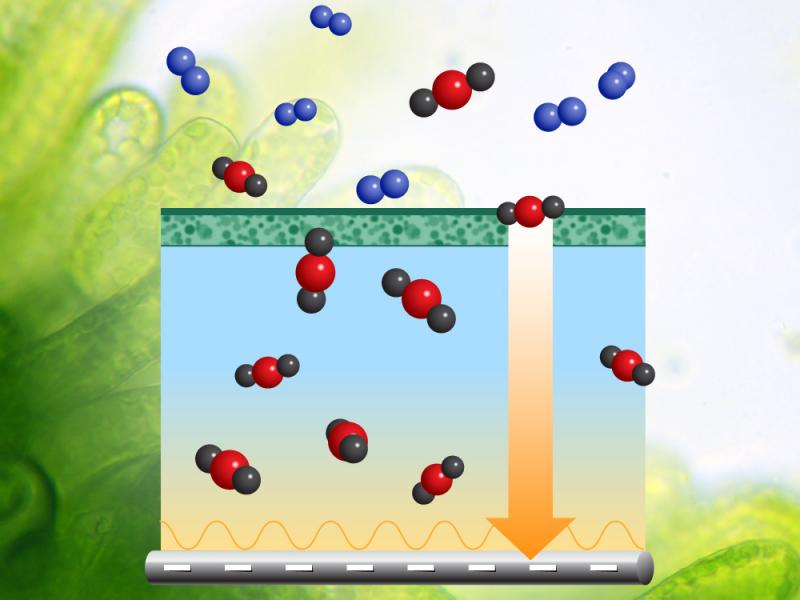
Malhotra, a chemist, will apply her expertise on designing and creating modular solvents for carbon capture, acid gas separations, catalysis, and rare earth metal extractions to provide constructive review for the submitted manuscripts.
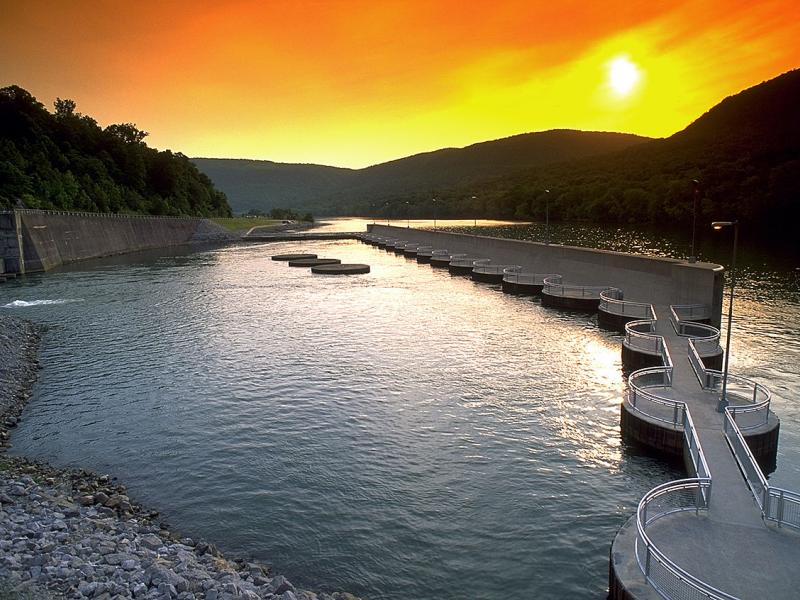
Pumped-storage hydropower offers the most cost-effective storage option for shifting large volumes of energy. A PNNL-led team wrote a report comparing cost and performance factors for 10 storage technologies.
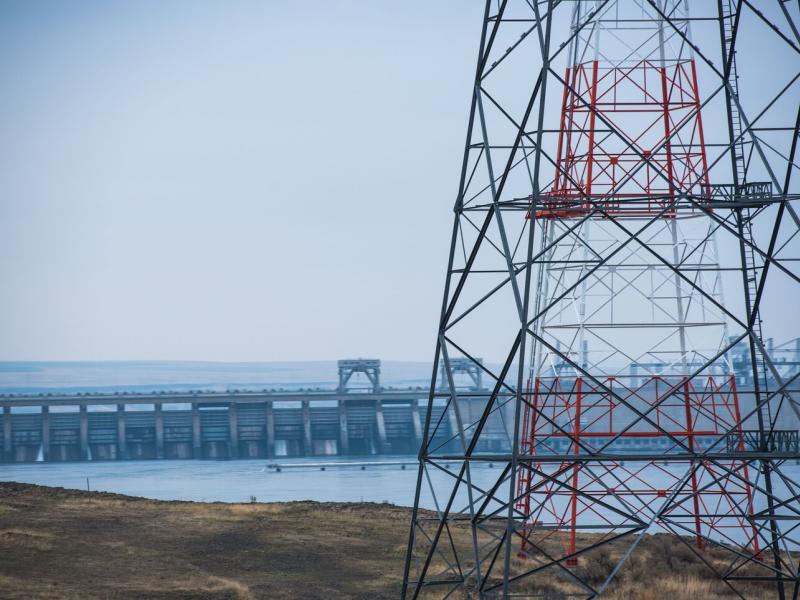
Researchers at PNNL used key metrics to develop visualizations that show how the combined effects of climate change on hydropower and load influence the frequency, duration, and severity of power shortfalls.