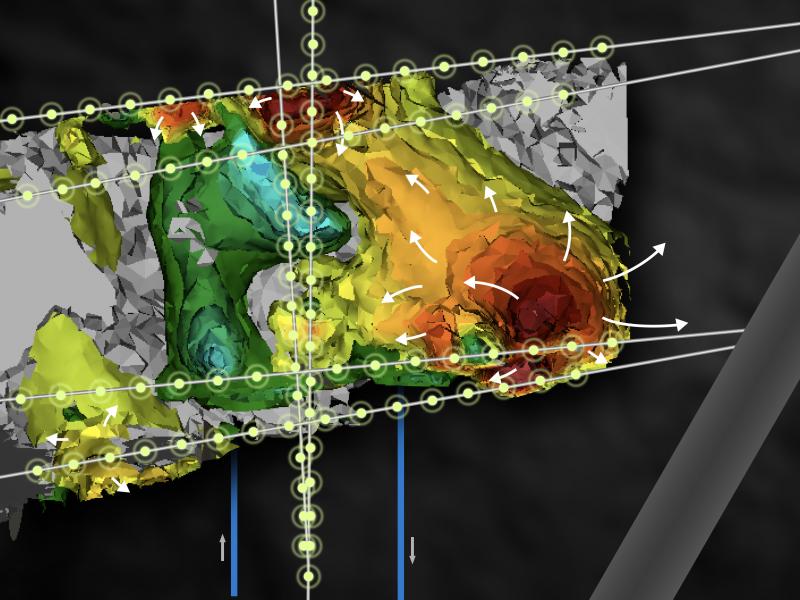
Data scientist at PNNL receives the Environmental and Engineering Geophysical Society and Geonics Limited Early Career Award for work with geophysical modeling and subsurface inversion codes.
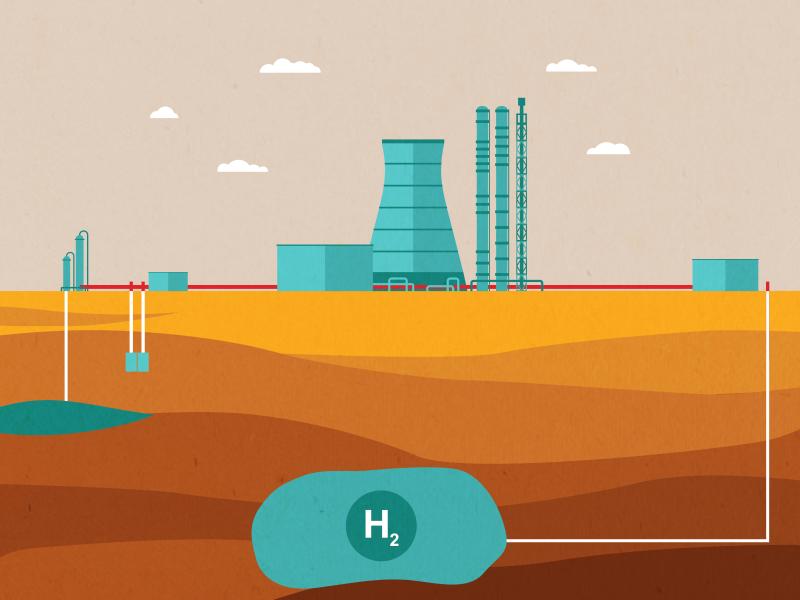
The SHASTA program is doing a deep dive on subsurface hydrogen storage in underground caverns, helping to lay the foundation for a robust hydrogen economy.
PNNL scientists developed a new method to map exactly how a fungus works with leafcutter ants in a complex microbial community to degrade plant material at the molecular level. The team’s insights are important for biofuels development.
An initiative from Washington State University and Snohomish County leaders is aiming to make Paine Field a nexus for testing and improving sustainable aviation fuels made from non-petroleum materials.
A new discovery by PNNL researchers has illuminated a previously unknown key mechanism that could inform the development of new, more effective catalysts for abating NOx emissions from combustion-engines burning diesel or low carbon fuel.
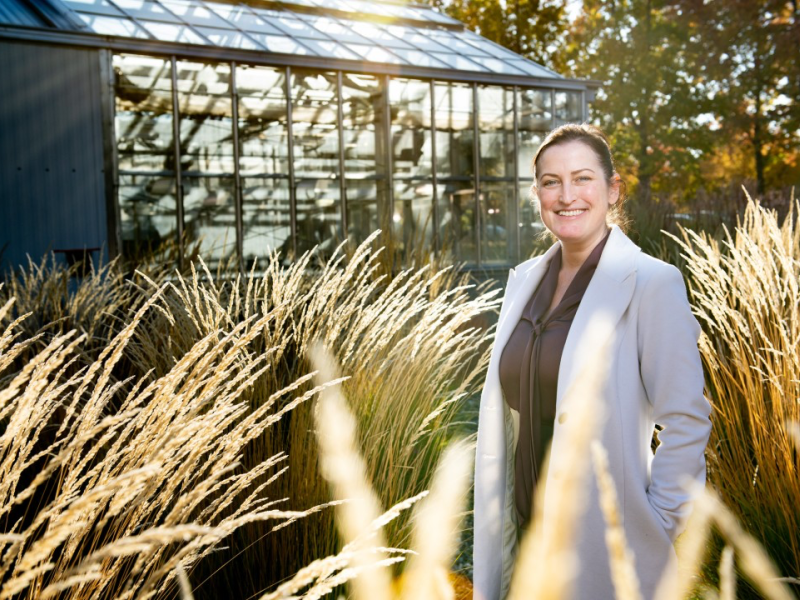
Corinne Fuller has been named the new co-director of the Bioproducts Institute, a research collaboration between Washington State University and PNNL, as of July 2023.
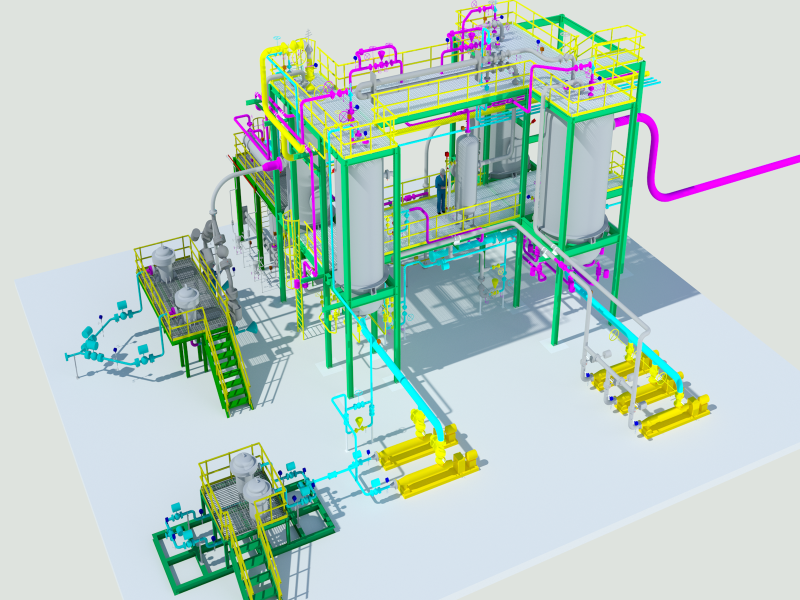
A PNNL innovation uses steam to recover heat from the high-temperature reactor effluent in the HTL process, substantially reducing the propensity for fouling and potentially reducing costs.
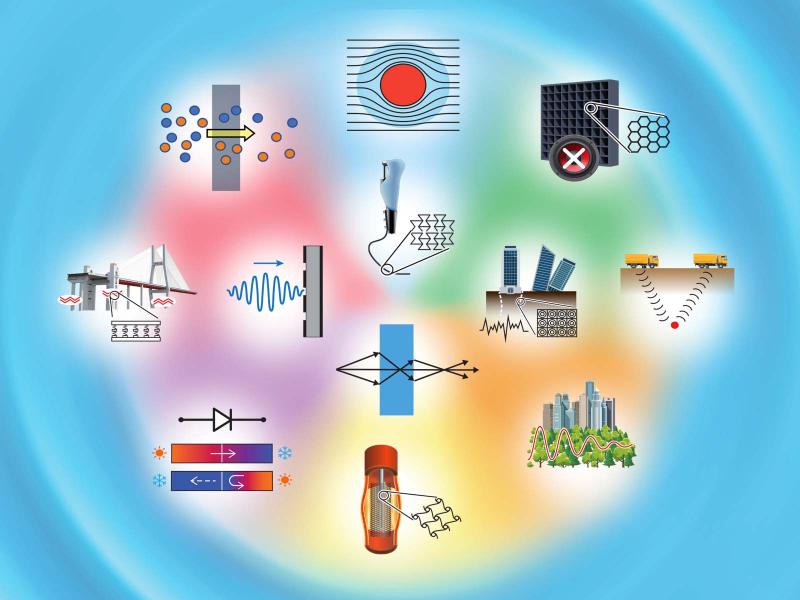
A review article led by researcher Jade Holliman explores the different classes of metamaterials, from the underlying fundamental science to potential applications.
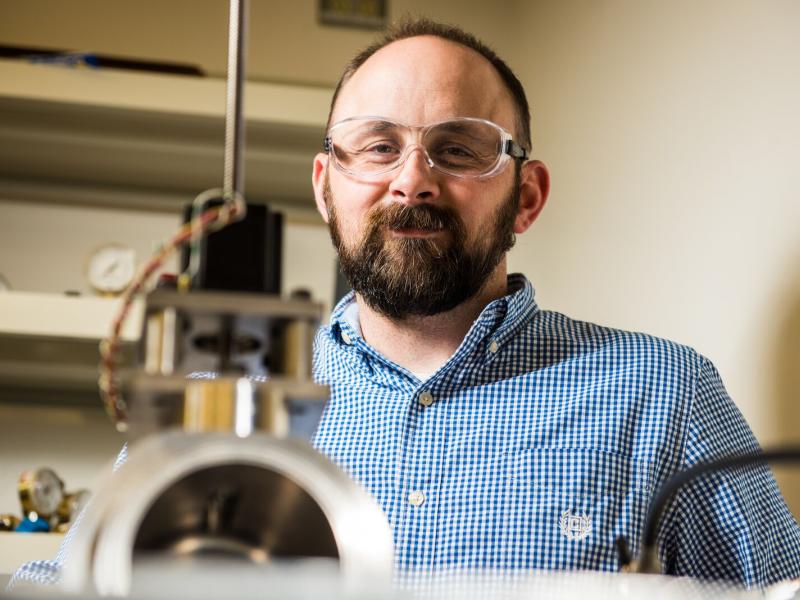
Tim C. Johnson was awarded the Frank Frischknecht Leadership Award this spring at the 34th Symposium on the Application of Geophysics of Engineering and Environmental Problems held in Denver, Colorado.
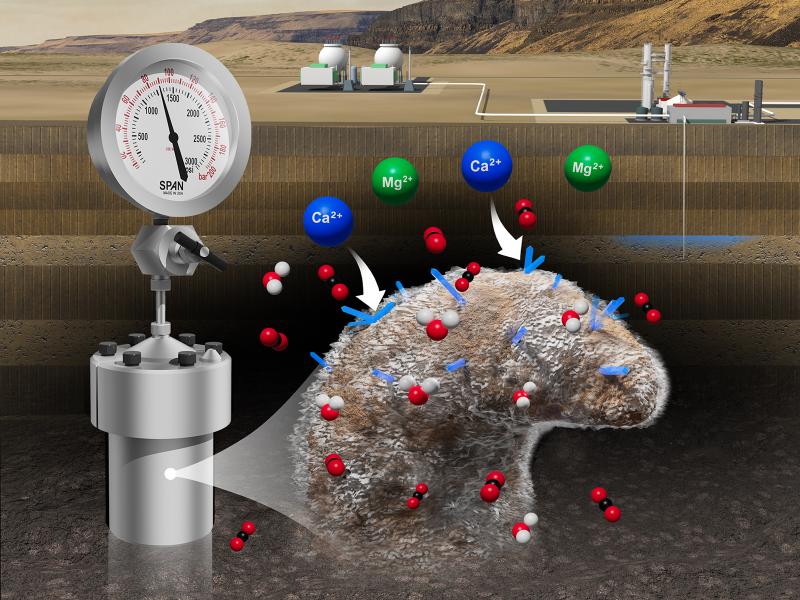
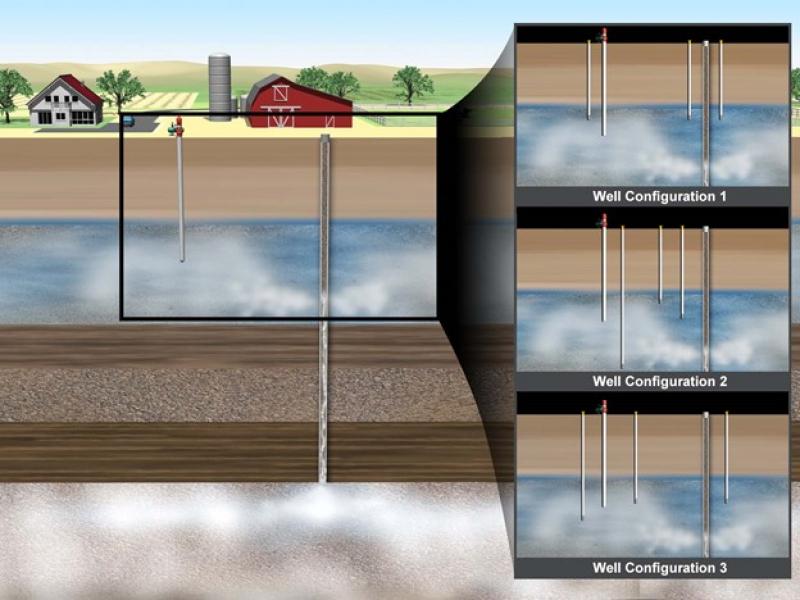
Updated flexible software generates and optimizes monitoring programs for detecting potential leaks from geological carbon storage with an enhanced user experience.
A process developed at PNNL that converts biomass and waste into a chemical intermediate or into gasoline, diesel, and jet fuel is available for commercial licensing.
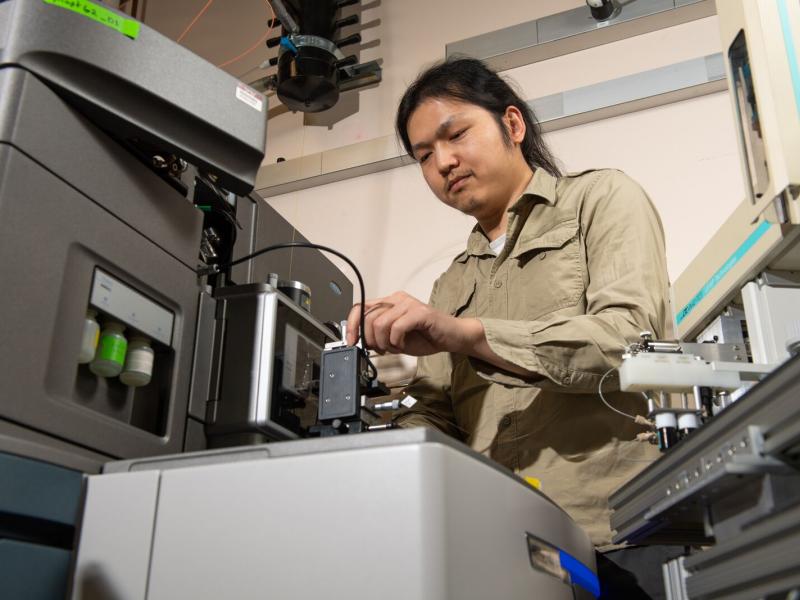
Mowei Zhou, a chemist with the Environmental Molecular Sciences Laboratory, is speaking at the ACS spring conference on his latest protein discoveries for a plant that could transform biofuels production.