Thirteen scientists affiliated with the Pacific Northwest National Laboratory have been named to Clarivate’s 2026 Highly Cited Researchers list, recognizing their global influence in chemistry, Earth science, and energy.
Researchers created the first four-dimensional whole-cell model of a photosynthetic microbe, revealing how a protein complex helps the cell adjust to changing light.
The Sapphire 1700 was installed in a lab at PNNL in 2025, the only mass spectrometer in the world that can measure all uranium and plutonium isotopes simultaneously at very low levels.
The Microbial Molecular Phenotyping Capability has been designed to transform how we could put microbes to work for American manufacturing competitiveness and human health advances, among other benefits.
Scientists combined detailed images and coordinated time-series multiomics data to show how protein complexes regulate carbon fixation as light conditions change.
A PNNL team is working to counter the negative impacts of fentanyl in the environment. Their journal article was selected this summer by the Journal of Environmental Quality as its outstanding paper of 2025.
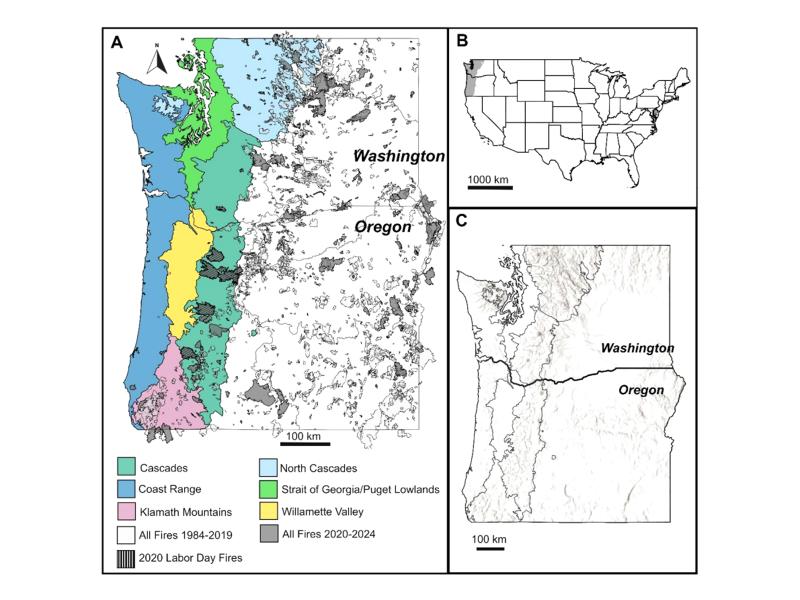
A new modeling approach uses burn severity maps to test how reduced infiltration shifts surface water from soil penetration into streams after wildfire.
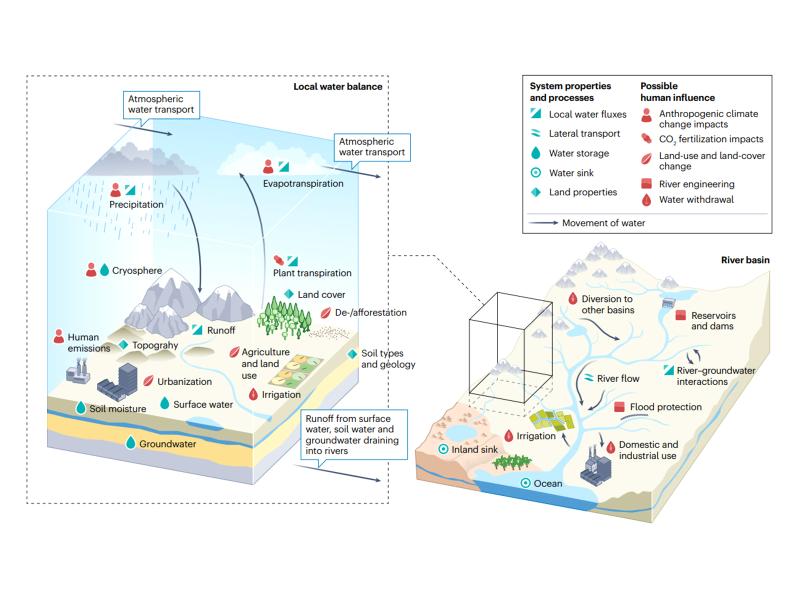
Model simulations in humid and semi-arid basins revealed distinct thresholds where wildfires begin to significantly alter river water flows and dissolved nutrient transport.
Researchers developed a new technique that combined mass spectrometry and label-free optical imaging to map molecular and structural changes in healthy and diseased lung tissue, providing new insight into bronchopulmonary dysplasia.
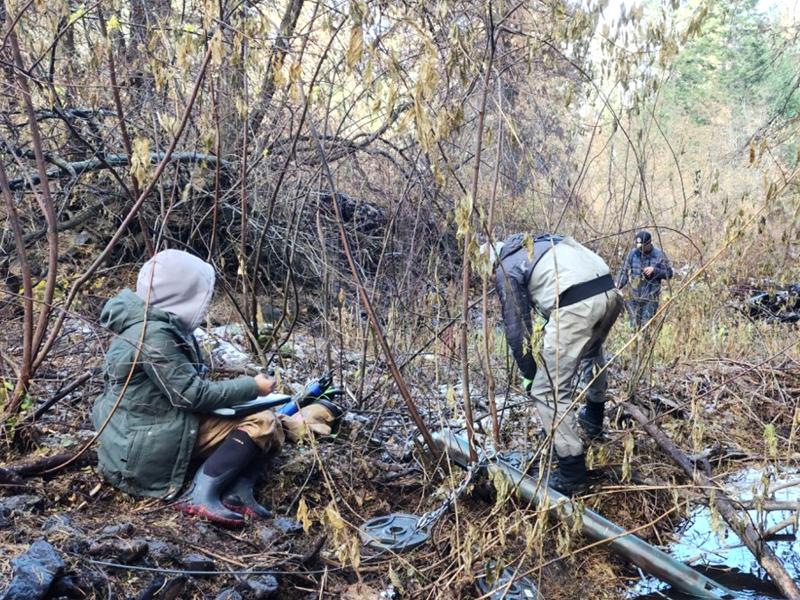
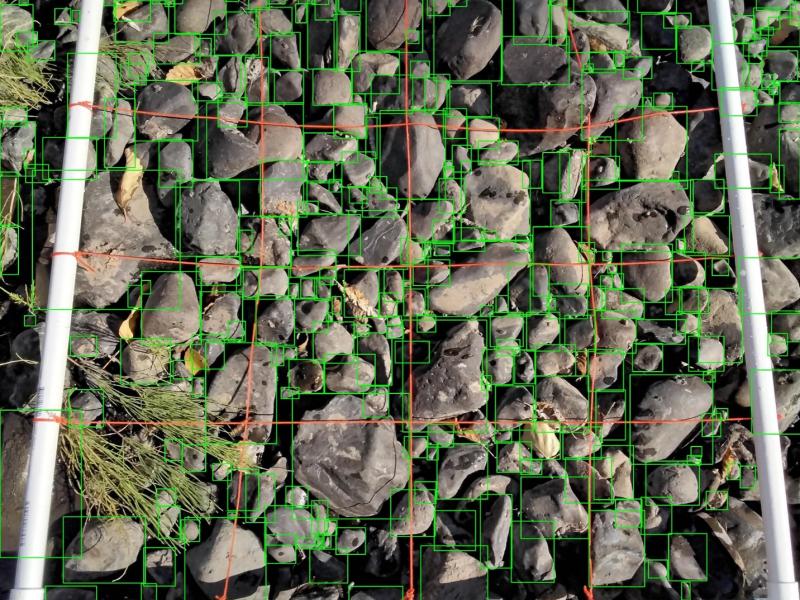
Across 47 sites in the Yakima River Basin of Washington State, faster oxygen consumption occurred with warmer water, more nutrients, and more suspended solids.
Dynamic organic matter traits tied to reactions can surpass static descriptors in explaining decomposition rates and responses to environmental change.
Using an AI approach to combine outputs from microbial models and apply them as inputs to reactive-transport models reduces computational time by several orders of magnitude.
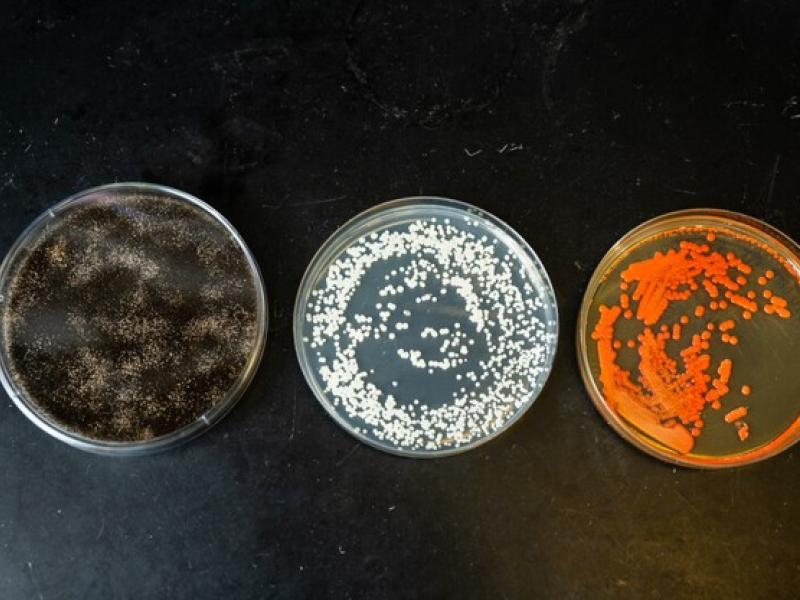
Integrating experiments and modeling show how a fungal exudate-inspired substrate mixture elicits an emergent growth phenotype and metabolic responses in Pseudomonas putida.
Uncovered how the choice of carbon source influences the stress tolerance, redox balance, and regulatory responses of yeast, which can help provide resilience against scale-up challenges.