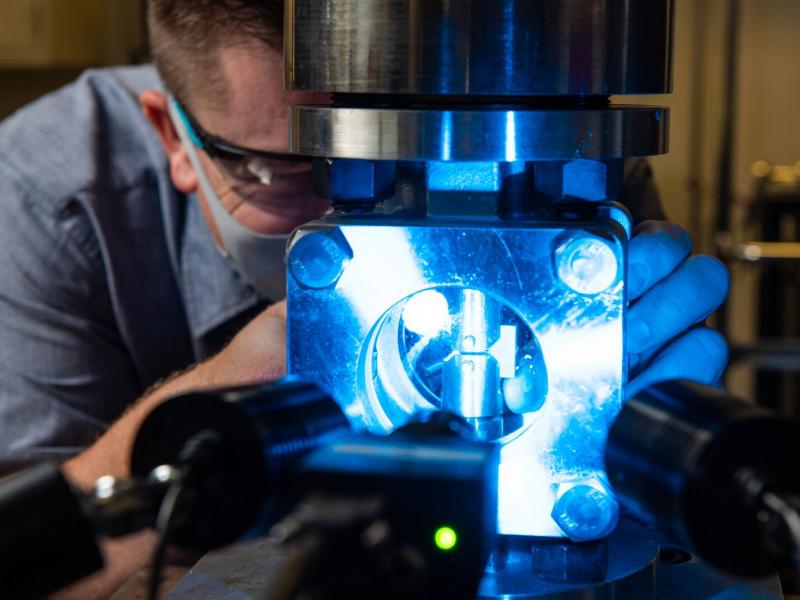
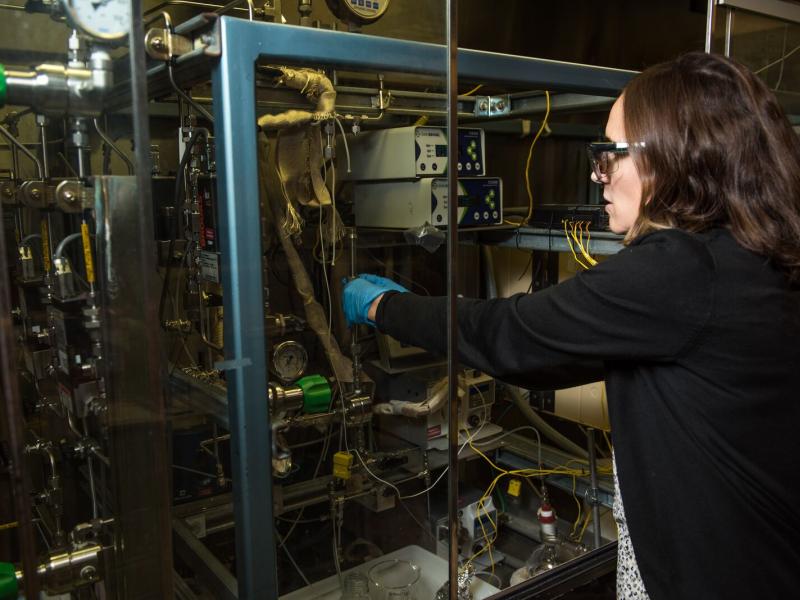
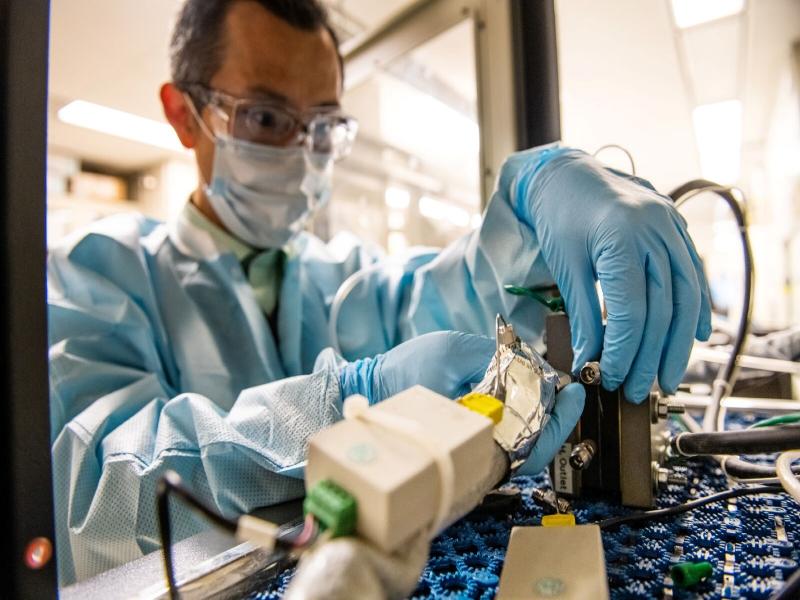
When it comes to hydrogen compatibility, all rubbers are not created equal. New research hints at pathways to improve the durability of rubber-based materials in hydrogen infrastructure.
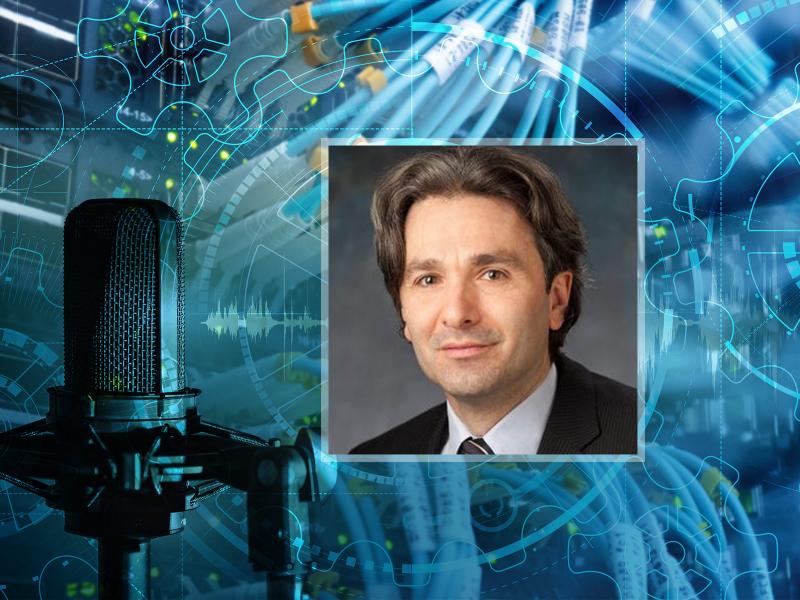
Slaven Peles, PNNL computational scientist and leader of a national high-performance computing project for power grid analysis, spoke about the project with the host of the Let’s Talk Exascale podcast.
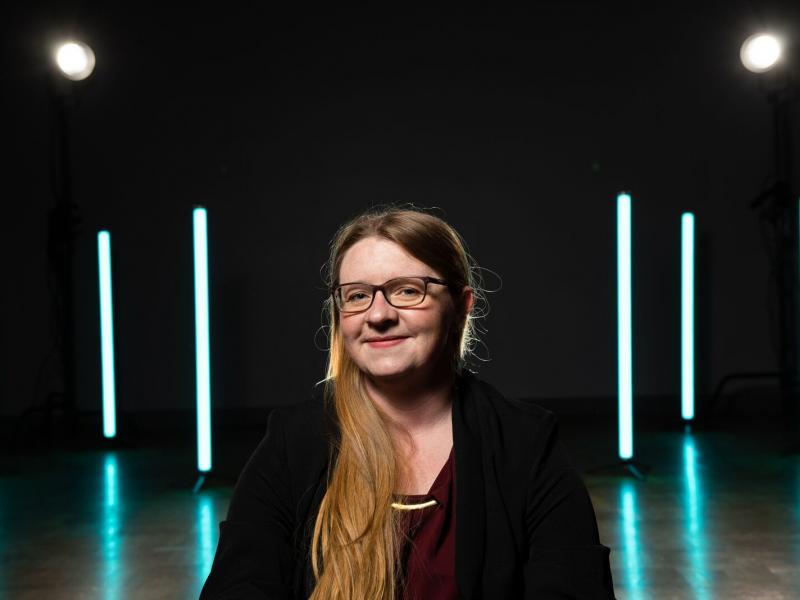
Bojana Ginovska leads a physical biosciences research team headed for PNNL's new Energy Sciences Center. She uses the transformative power of molecular catalysis and enzymes to explore scientific principles.
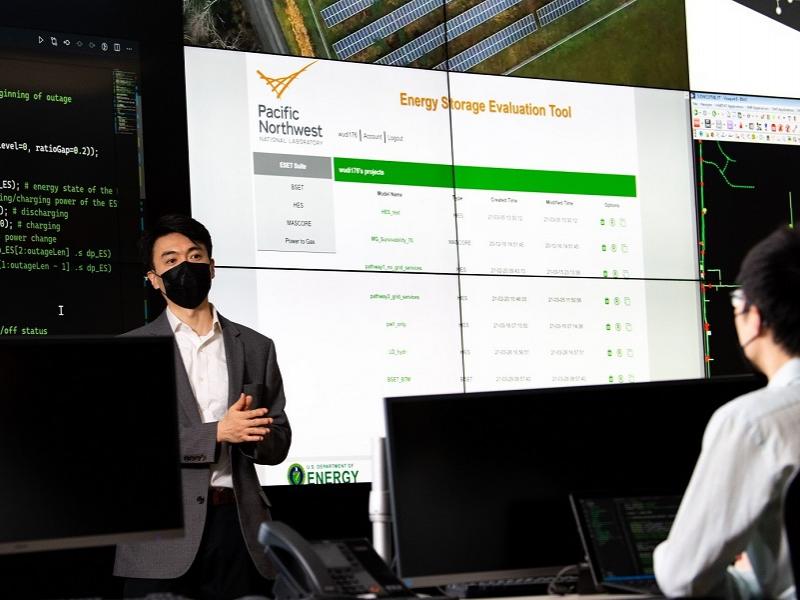
PNNL’s new Hydrogen Energy Storage Evaluation Tool allows users to examine multiple energy delivery pathways and grid applications to maximize benefits.
A research project that brings together mathematicians and atmospheric scientists has developed into a deep collaboration for improving atmospheric models.
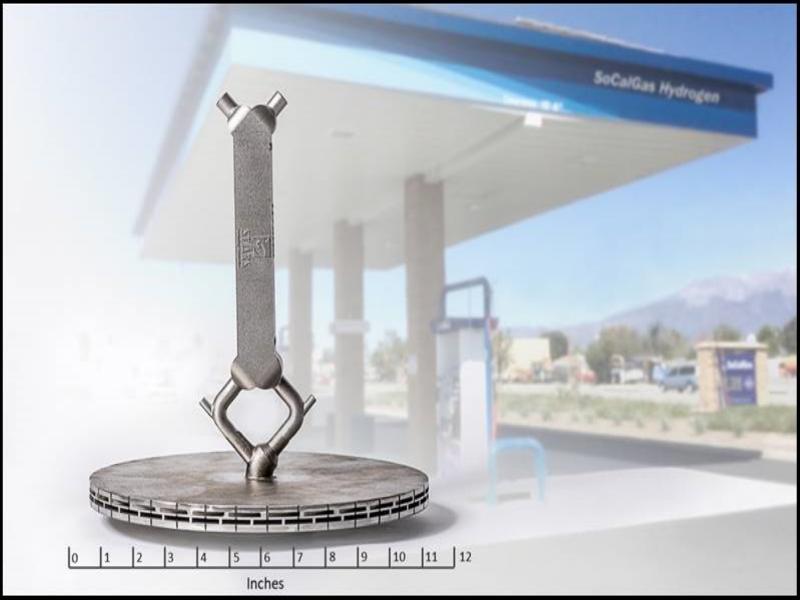
PNNL licensed two technologies to generate hydrogen. One, a reactor design, generates hydrogen from natural gas. The second innovation uses a 3D printing method to economically manufacture the generator.
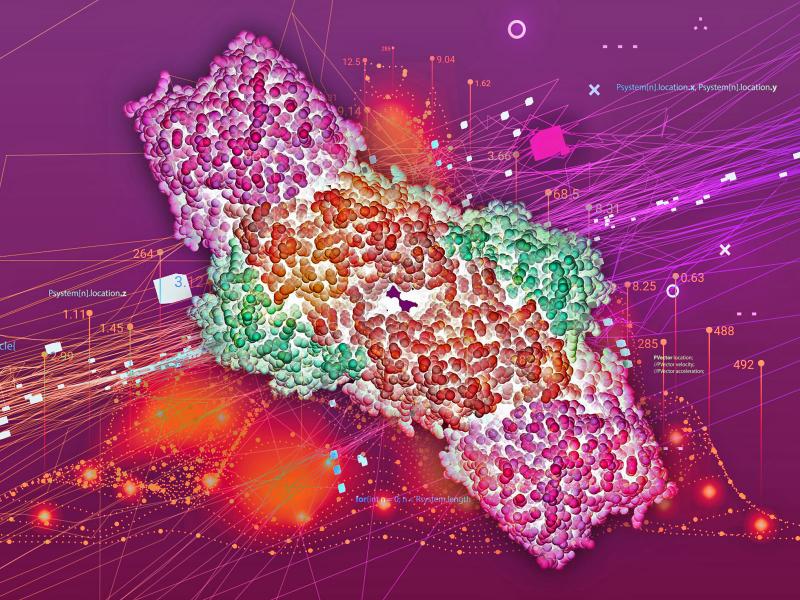
With quantum chemistry, researchers led by PNNL computational scientist Simone Raugei are discovering how enzymes such as nitrogenase serve as natural catalysts that efficiently break apart molecular bonds to control energy and matter.
Johnson is among the PNNL scientists preparing to move into the Energy Sciences Center, the new $90 million, 140,000-square-foot facility that is expected to open in late 2021.
PNNL highlights four researchers whose joint appointments are creating new and diverse opportunities for expanding knowledge and scientific impact across institutions.
PNNL teamed with academia and industry to develop a novel zero-emission methane pyrolysis process that produces both hydrogen and high-value carbon solids suitable for an array of manufacturing applications.
PNNL led a multi-institutional effort to design a highly active and more durable catalyst made from cobalt, which sets the foundation for fuel cells to power transportation, stationary and backup power, and more.
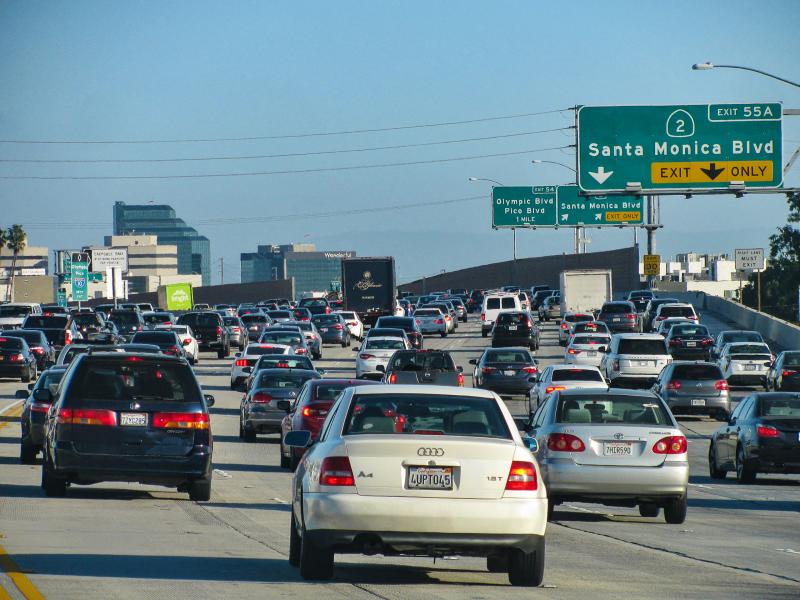
Using public data from the entire 1,500-square-mile Los Angeles metropolitan area, PNNL researchers reduced the time needed to create a traffic congestion model by an order of magnitude, from hours to minutes.
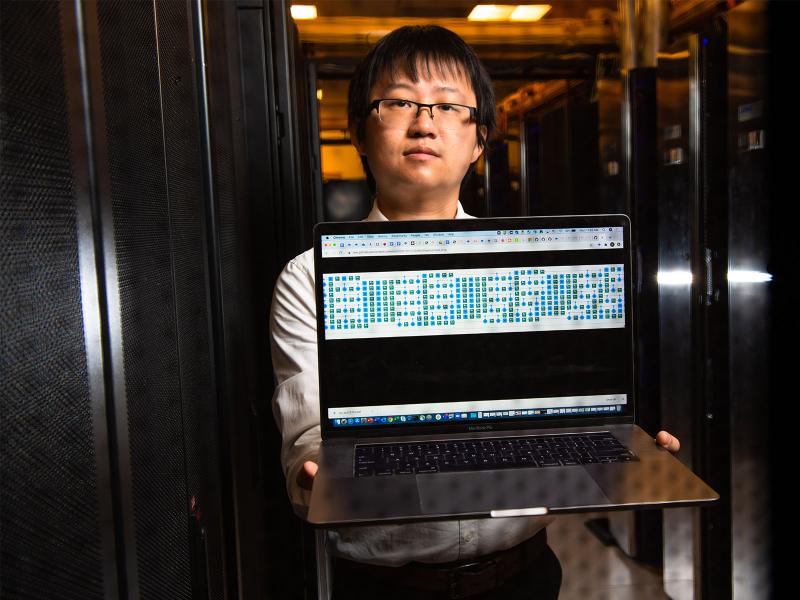
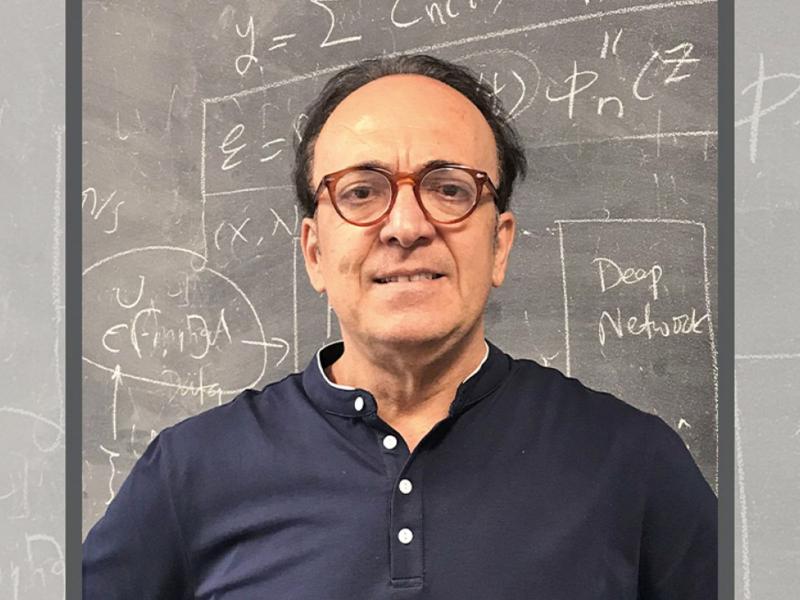
PNNL researchers have shown an improved binarized neural network can deliver a low-cost and low-energy computation to help the performance of smart devices and the power grid.