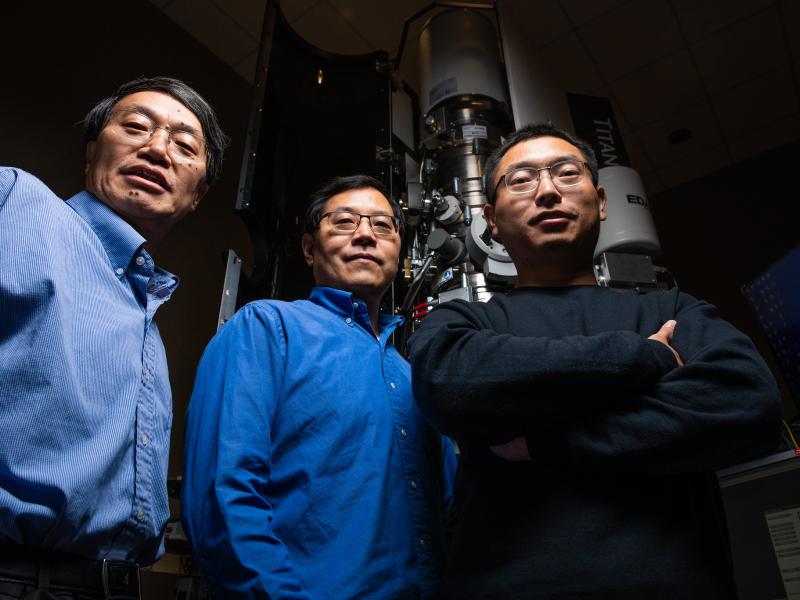
Darrell Herling and two national laboratory collaborators were recently recognized by DOE for their leadership in the Powertrain Materials Core Program.
PNNL’s Karthikeyan Ramasamy was elected to a three-year term as a director in the American Institute of Chemical Engineers’ Fuels and Petrochemicals Division.
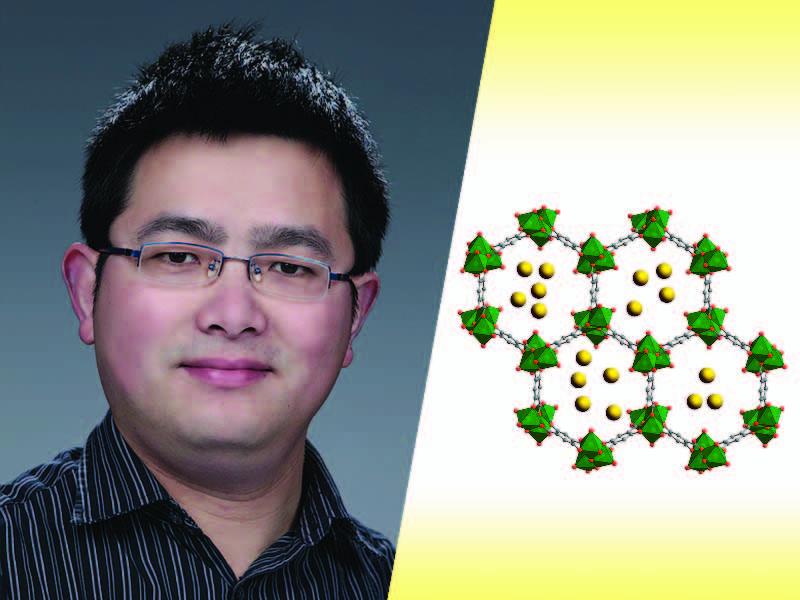
PNNL and WSU researchers have improved the performance and life cycle of sodium-ion battery technology to narrow the gap with some lithium-ion batteries.
To help spur economic development and assist in the battle against COVID-19, PNNL is making available its entire portfolio of patented technologies on a research trial basis—at no cost—through the end of 2020.
A technology developed by researchers at the U.S. Department of Energy’s Pacific Northwest National Laboratory could pave the way for increased fuel economy and lower greenhouse gas emissions as part of an octane on demand fuel-delivery.
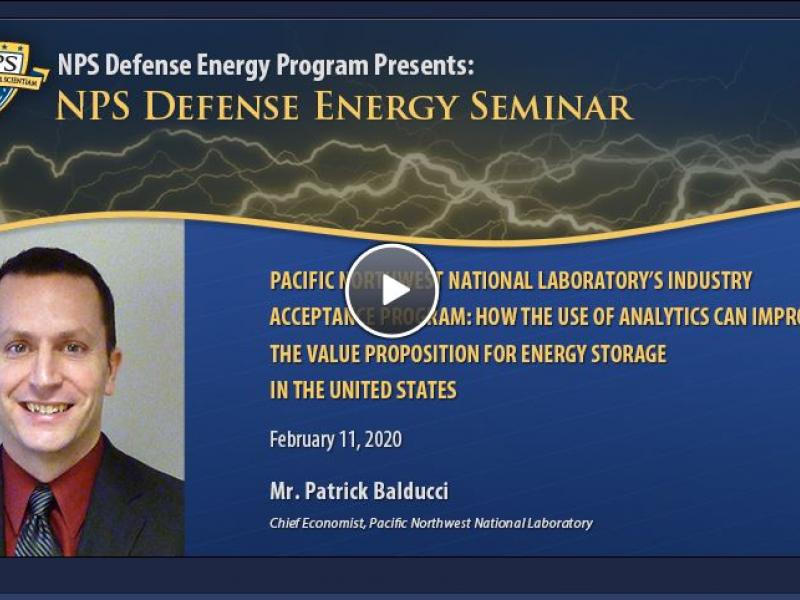
PNNL’s Patrick Balducci delivered an information-packed tutorial on grid energy storage valuation at the Naval Postgraduate School in Monterey, California.
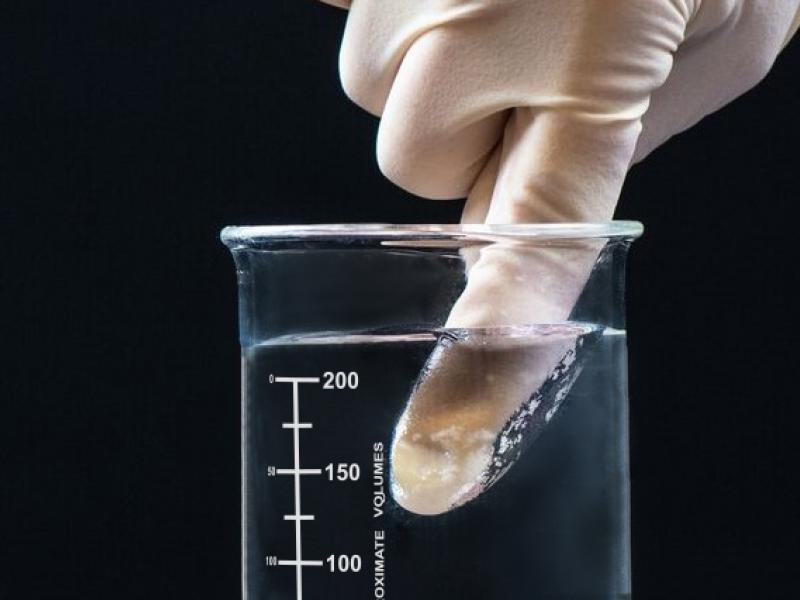
Researchers at PNNL have come up with a novel way to use silicon as an energy storage ingredient, replacing the graphite in electrodes. Silicon can hold 10 times the electrical charge per gram, but it comes with problems of its own.
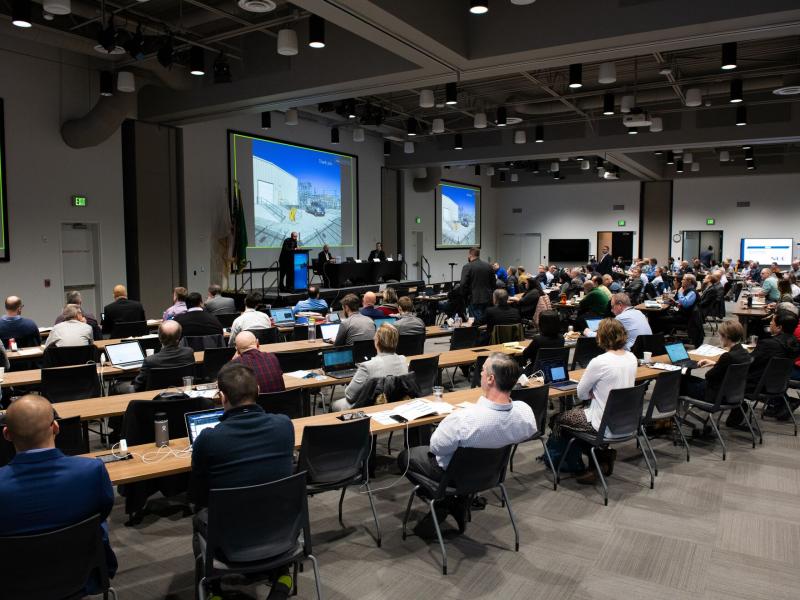
The Energy Storage System Safety and Reliability Forum at PNNL brought together more than 120 energy storage experts from the U.S. Department of Energy, the national laboratories, utilities, industry and academia.
Researchers at PNNL are contributing artificial intelligence, machine learning, and app development expertise to a U of W project that will ease challenges with urban freight delivery. The project will provide delivery drivers with a tool
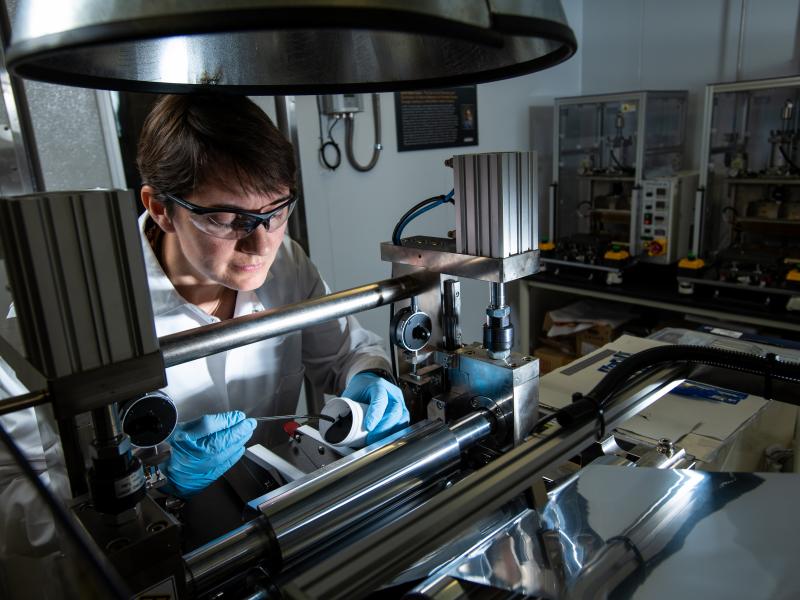
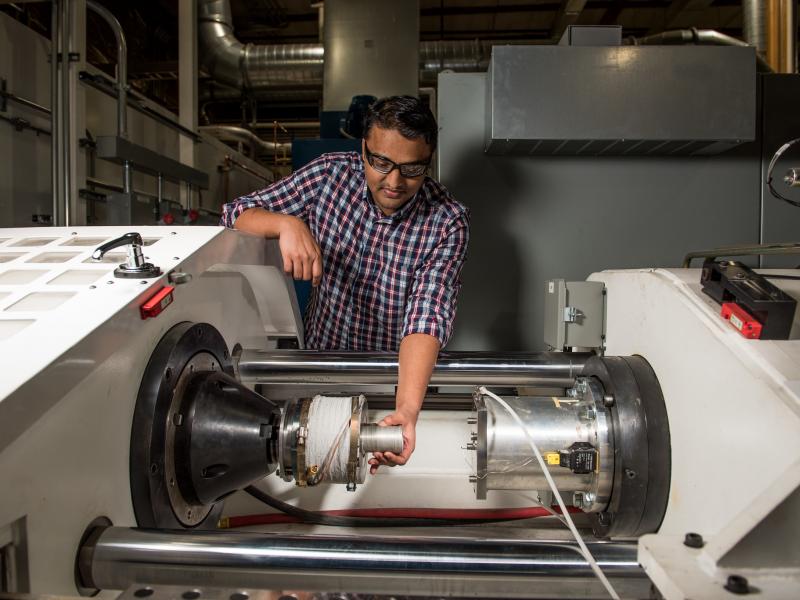
Two forms of magnesium material were processed into tubing using PNNL’s Shear Assisted Processing and Extrusion™ technology. Both materials were found to have quite similar and improved properties—even though they began vastly different.
Pumped-storage hydropower offers the most cost-effective storage option for shifting large volumes of energy. A PNNL-led team wrote a report comparing cost and performance factors for 10 storage technologies.
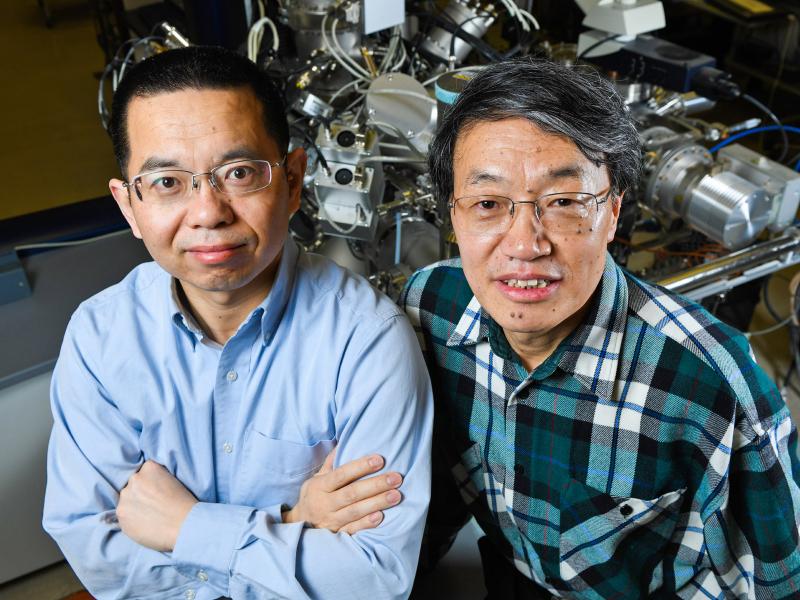
PNNL’s Jie Xiao was recently recognized for her outstanding contribution to basic and applied research on lithium-ion batteries and beyond by the International Automotive Lithium Battery Association.
Scientists have uncovered a root cause of the growth of needle-like structures—known as dendrites and whiskers—that plague lithium batteries, sometimes causing a short circuit, failure, or even a fire.
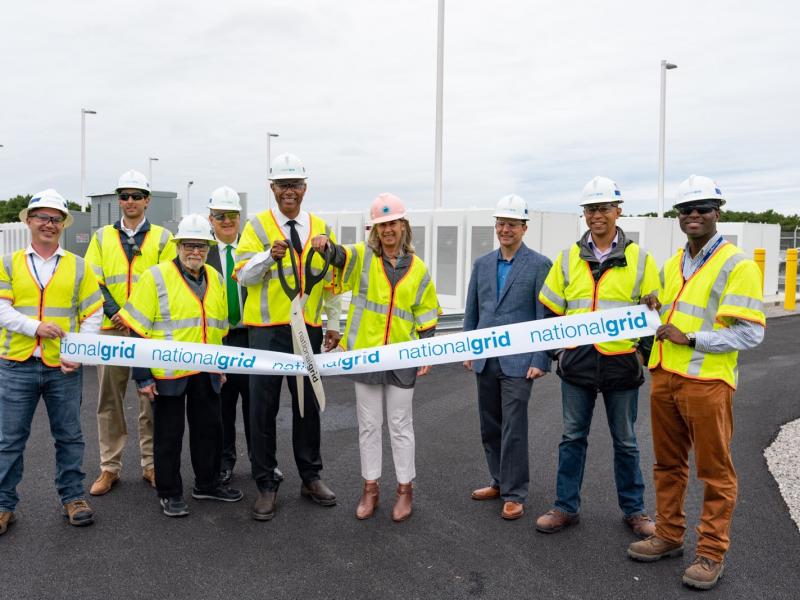
With support from DOE’s Office of Electricity and National Grid, PNNL led a groundbreaking study to accurately assess the full value of grid energy storage investments across a wide variety of use cases.
A new Co-Optima report describes an assessment of 400 biofuel-derived samples and identifies the top ten candidates for blending with petroleum fuel to improve boosted spark ignition engine efficiency.