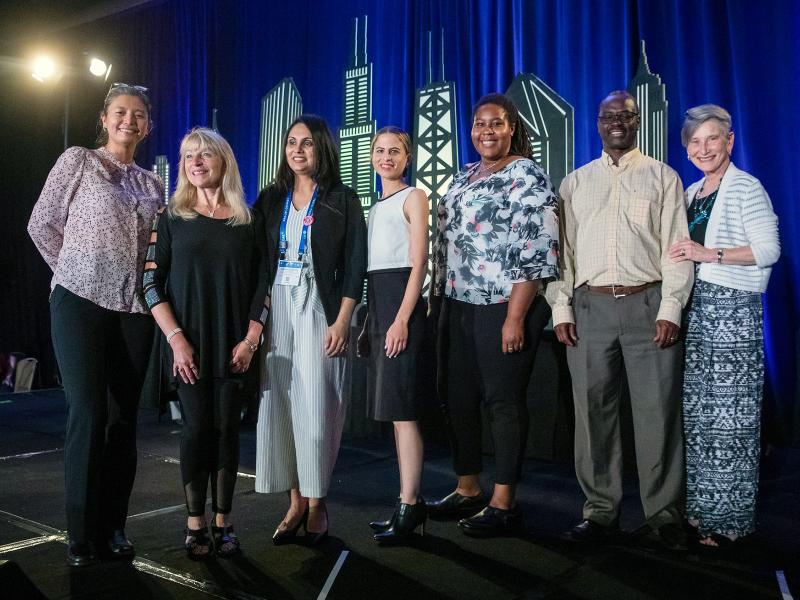
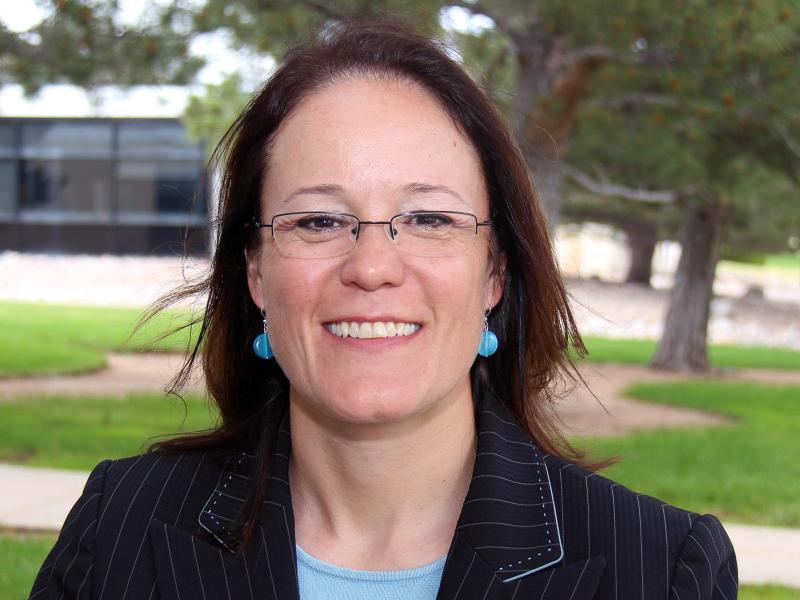
The American Chemical Society Richland Section has been recognized by its national organization with the Best Overall Section Minority Affairs award for 2022.
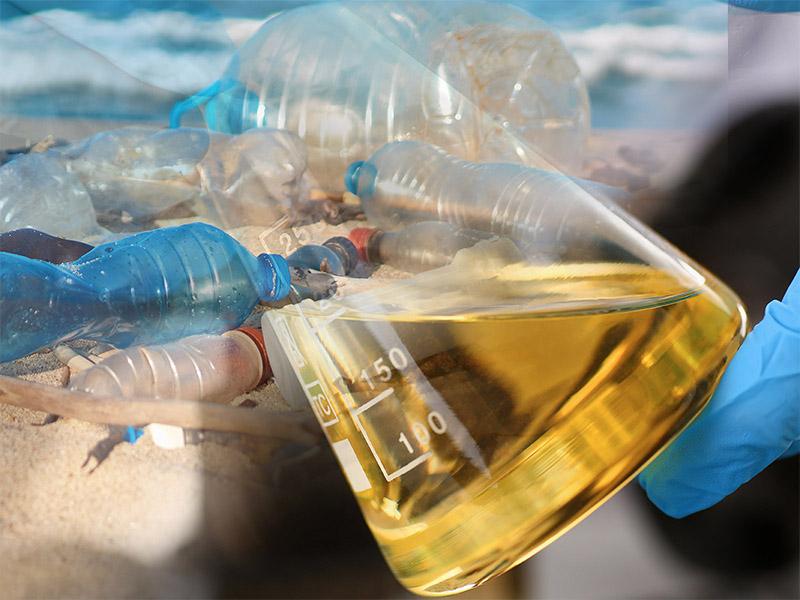
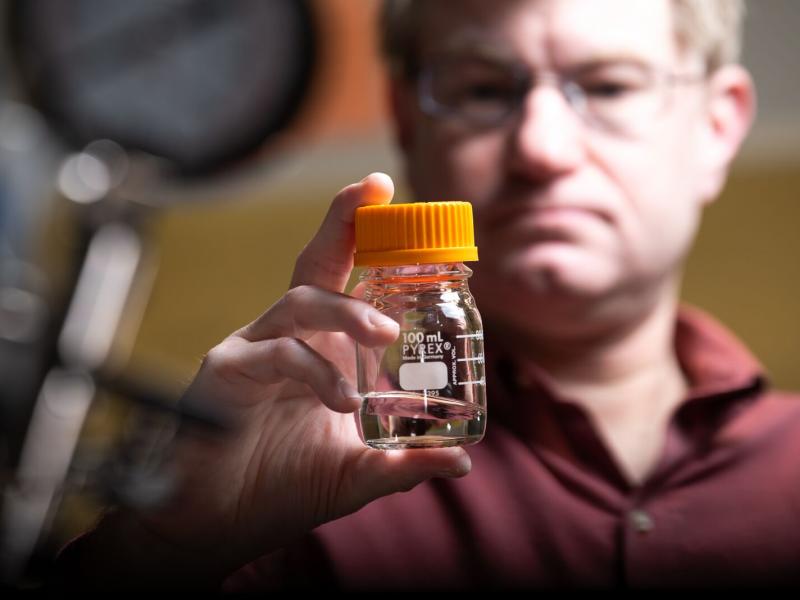
Plastic upcycling efficiently converts plastics to valuable commodity chemicals while using less of the precious metal ruthenium. The method could recycle waste plastic pollution into useful products, helping keep it out of landfills.
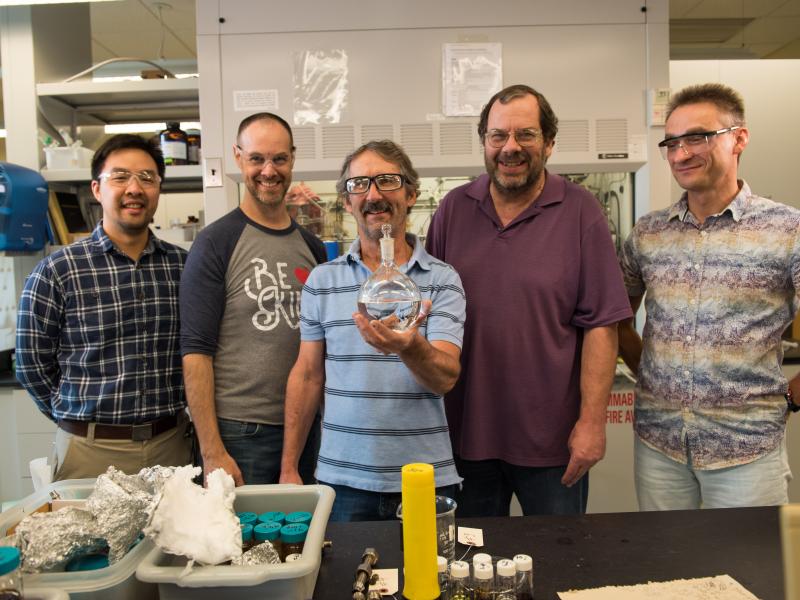
A process developed at PNNL that converts biomass and waste into a chemical intermediate or into gasoline, diesel, and jet fuel is available for commercial licensing.
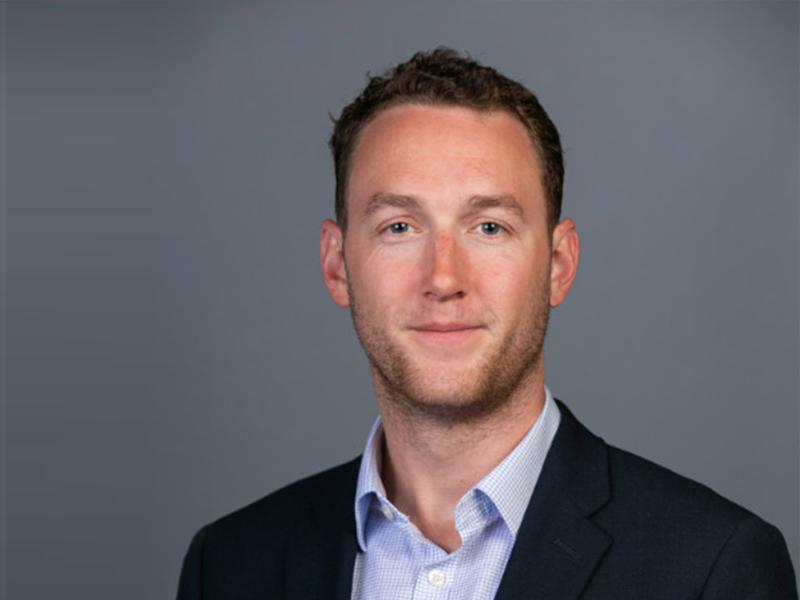
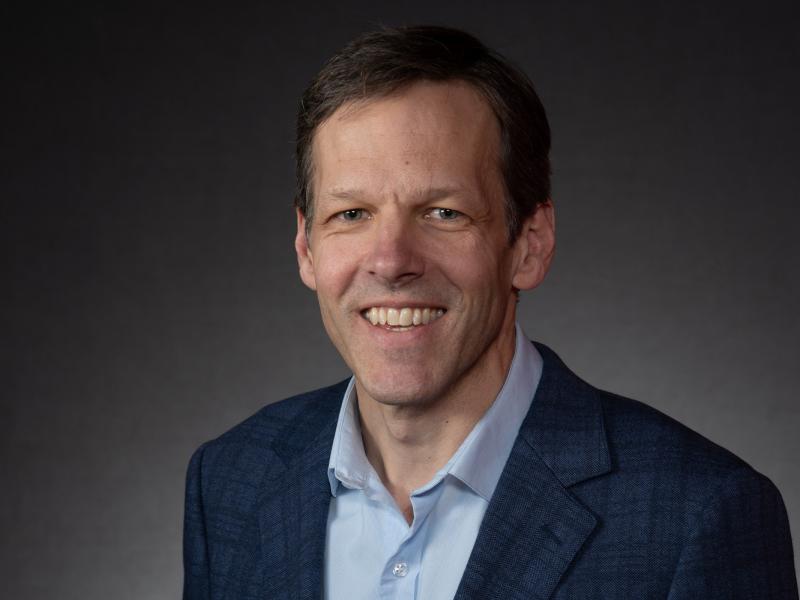
John VerWey, East Asia national security advisor, delivered remarks on competition in global supply chains at a U.S.-China Economic Security Review Commission hearing in June 2022.
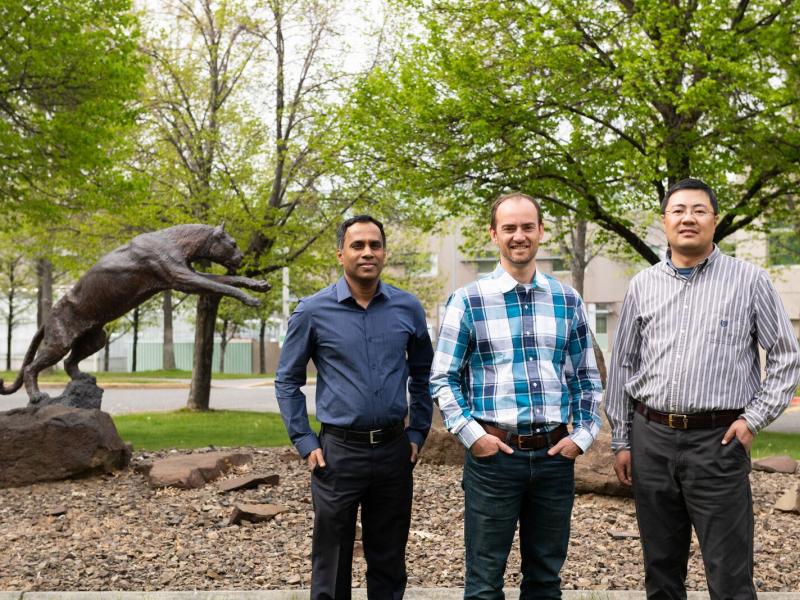
Three PNNL bioenergy experts have received adjunct appointments at Washington State University (WSU), working closely with the WSU-PNNL Bioproducts Institute and students.
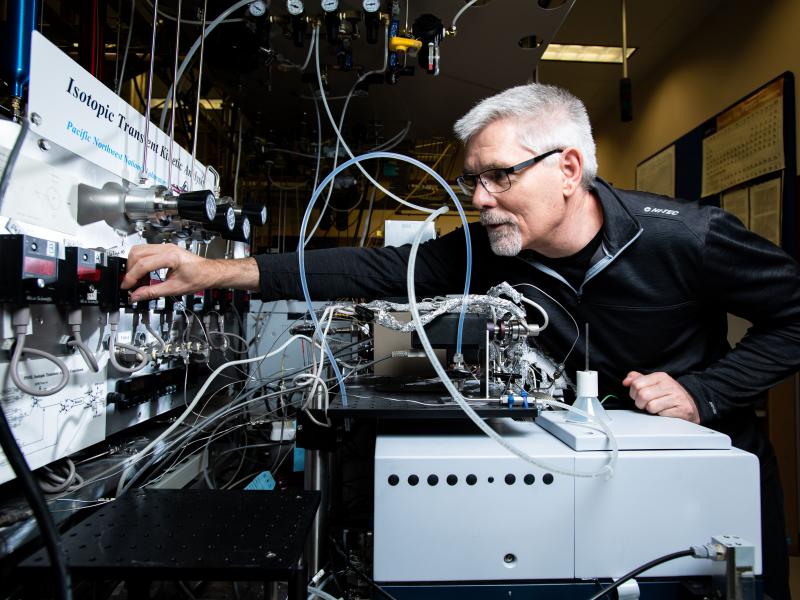
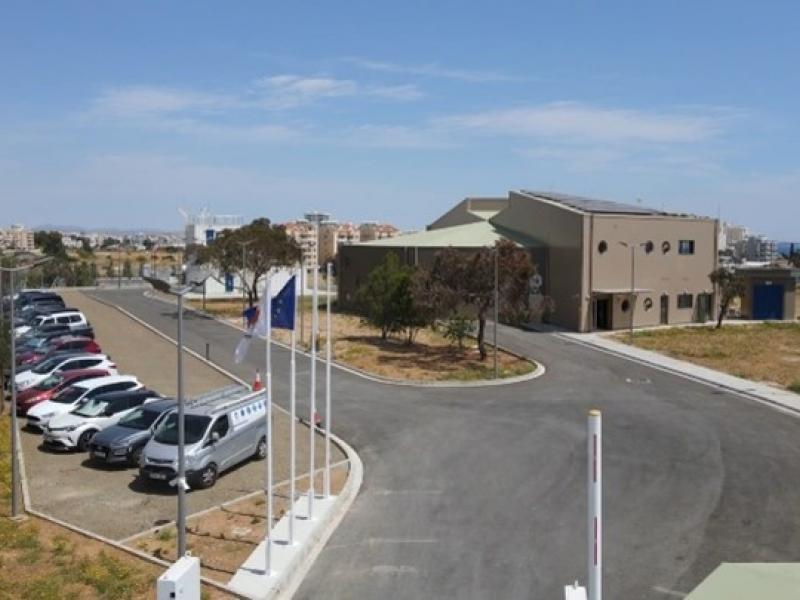
A new, state-of-the-art training facility in Larnaca, Cyprus provides unique training opportunities for border security officials from partner nations.
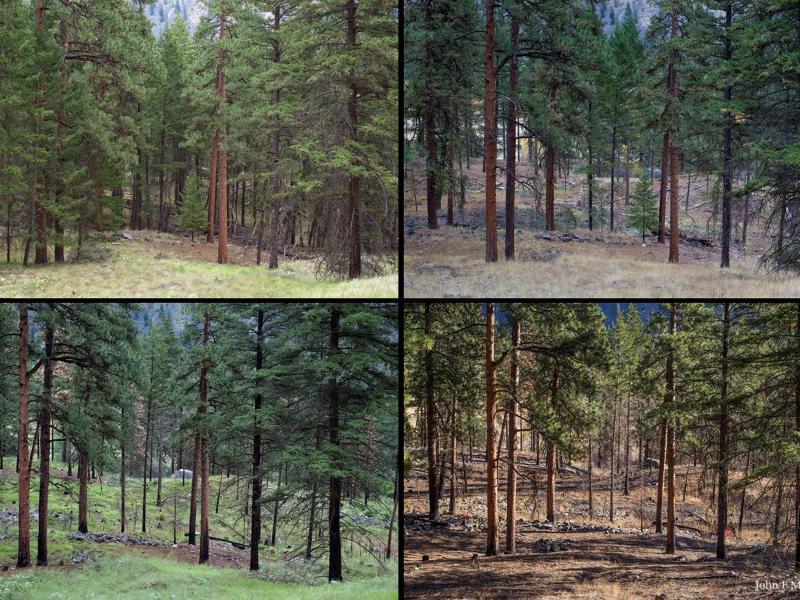
Scientists from PNNL and the U.S. Department of Agriculture-Forest Services’ Pacific Northwest Research Station have partnered to evaluate potential climate and wildfire adaptation scenarios and resulting benefits from restoration forestry.
Top scientists and officials from government, academia, Alaskan Native communities, and industry are heading to Alaska to focus on driving energy technologies for a more sustainable Arctic region.
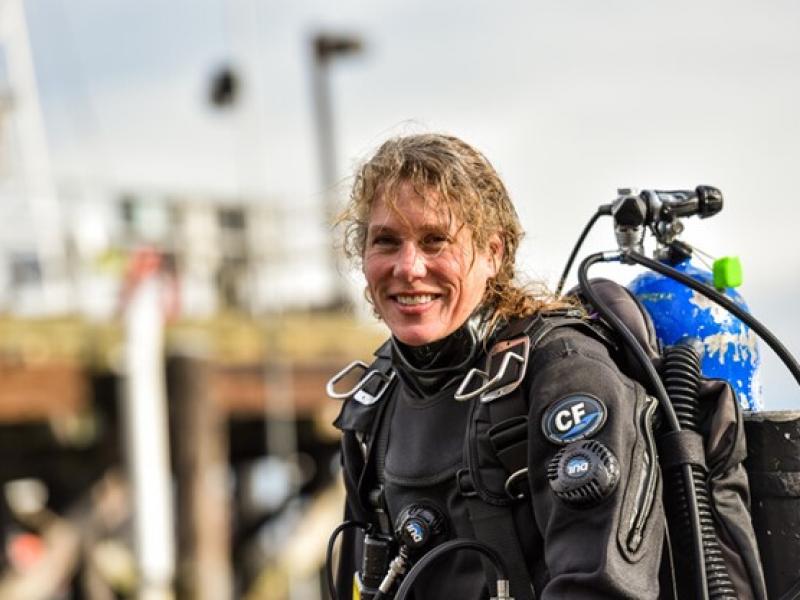
Sue Southard's one thousand dives as a PNNL staff member leave a ripple effect on efforts to keep our ocean healthy, our economy thriving, and our waters safe.
Business Interns Maryam Masood and Eden Yonas presented a framework for building a better discourse around climate change and environmental justice at the Battelle Conference on Innovations in Climate Resilience.
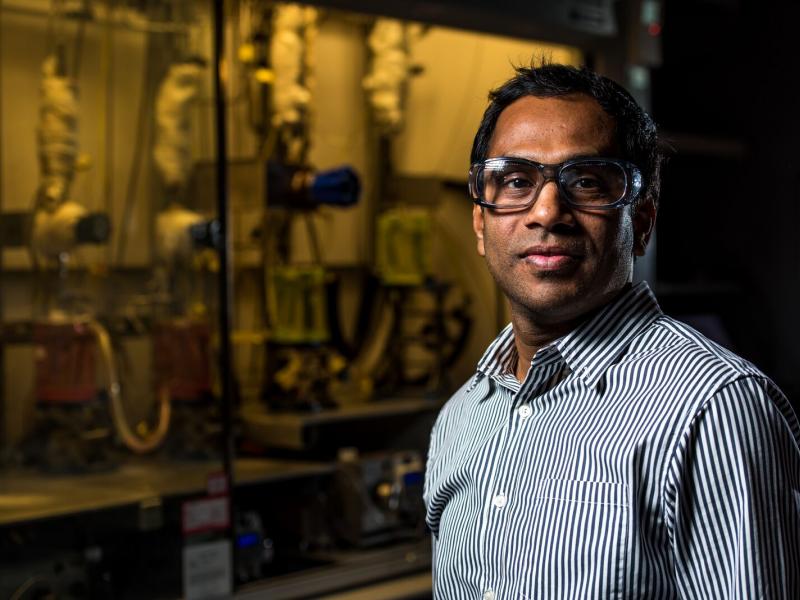
PNNL bioenergy expert Karthikeyan Ramasamy was a co-guest editor in an American Chemical Society Energy & Fuels virtual special issue on advances in biomass and wastes thermochemical processing.
PNNL forensic toxicologist has been invited to serve on a committee of experts charged with improving U.S. strategies for preventing, countering, and responding to chemical terrorism threats.