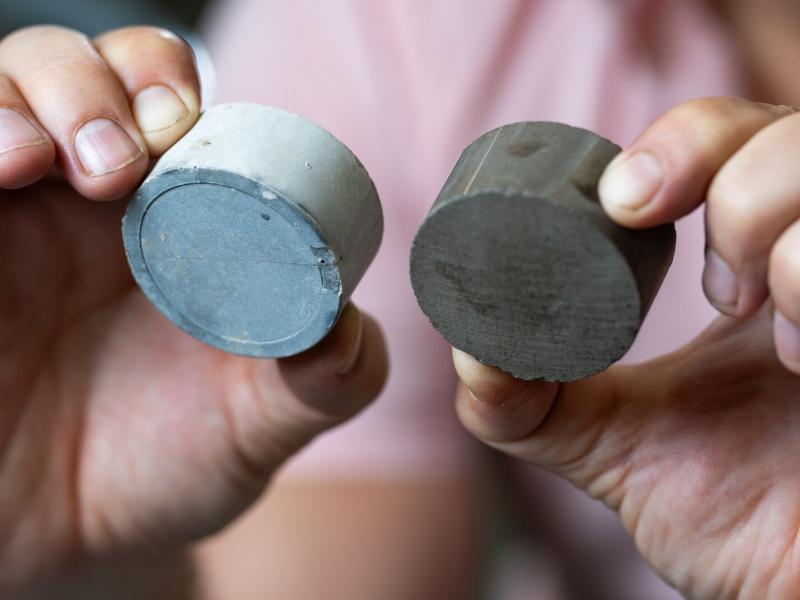
PNNL researchers have found yet another way to turn trash into treasure: using algal biochar, a waste production from hydrothermal liquefaction, as a supplementary material for cement.
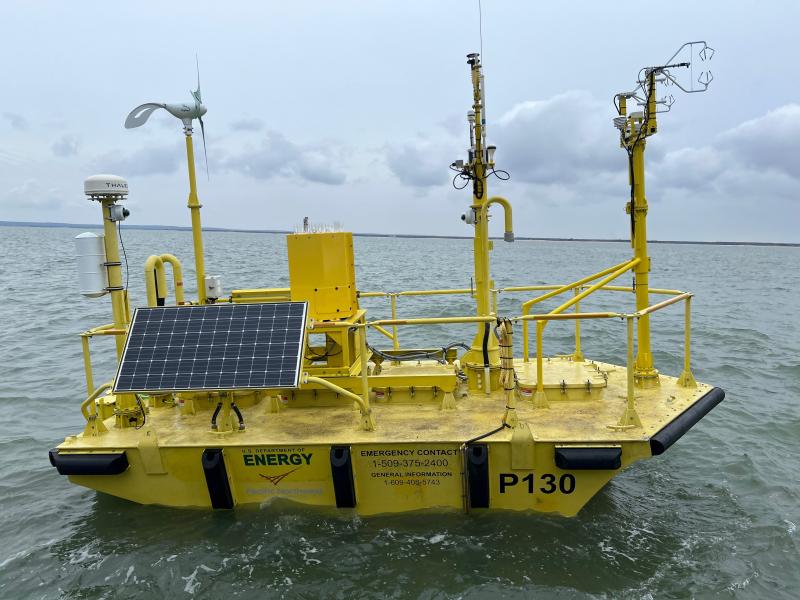
The nation is closer to its offshore wind energy goals than ever before, but better wind forecasting is still needed. To address this challenge, PNNL and collaborators are charting a new course with help from novel technology.
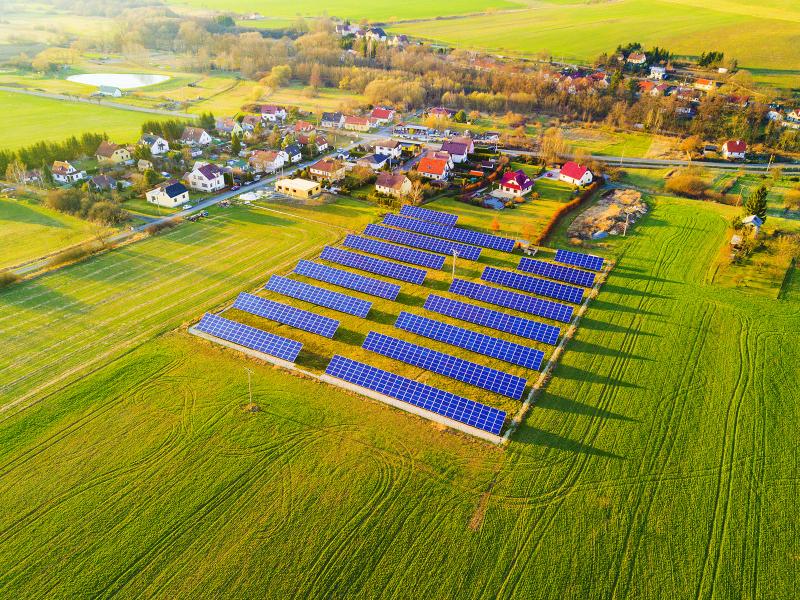
With an eye on renewable, accessible, and resilient power, PNNL researchers show hyper-local microgrids are a viable option, if designed with the right mix of sources.
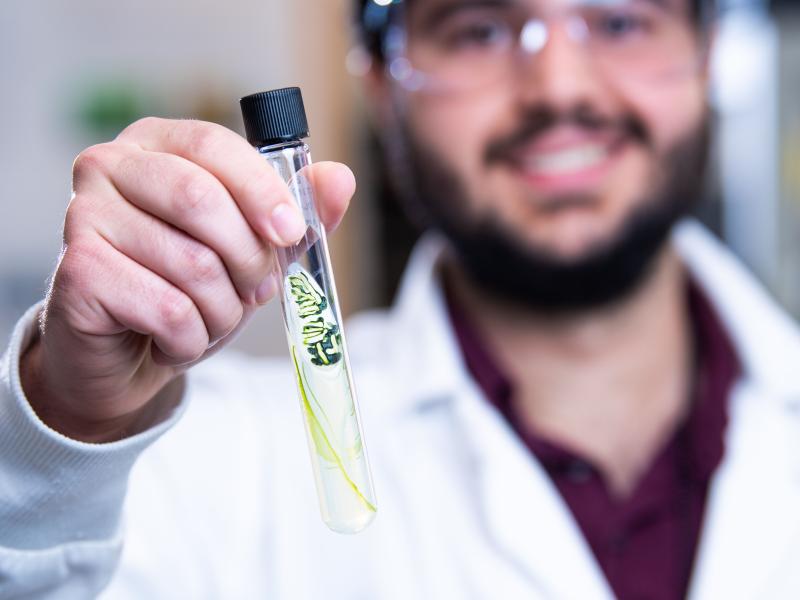
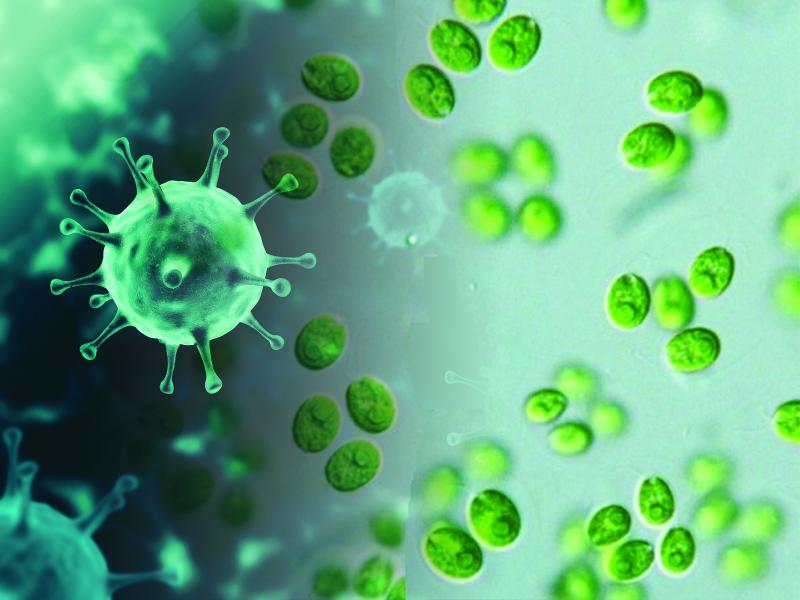
A comprehensive literature review linking algae and antivirals determines compounds in algae may demonstrate an exceptional—and as yet untapped—potential to combat viral diseases at every point along the viral infection pathway.
High school students from across Washington State competed in the Pacific Northwest Regional Science Bowl, hosted online by PNNL, for a chance to advance to the national competition in May.
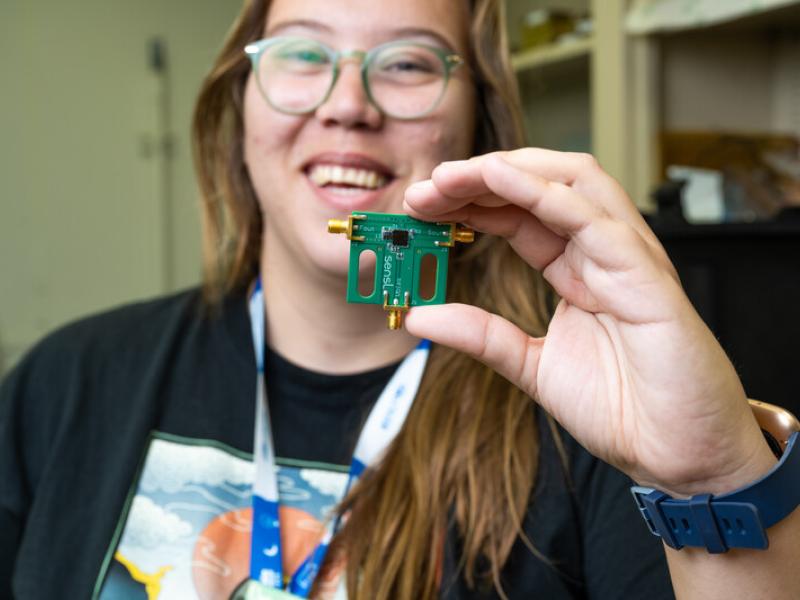
PNNL highlights four researchers whose joint appointments are creating new and diverse opportunities for expanding knowledge and scientific impact across institutions.
Red teaming for CPS, the process of challenging systems, involves a group of cybersecurity experts to emulate end-to-end cyberattacks following a set of realistic tactics, techniques, and procedures.
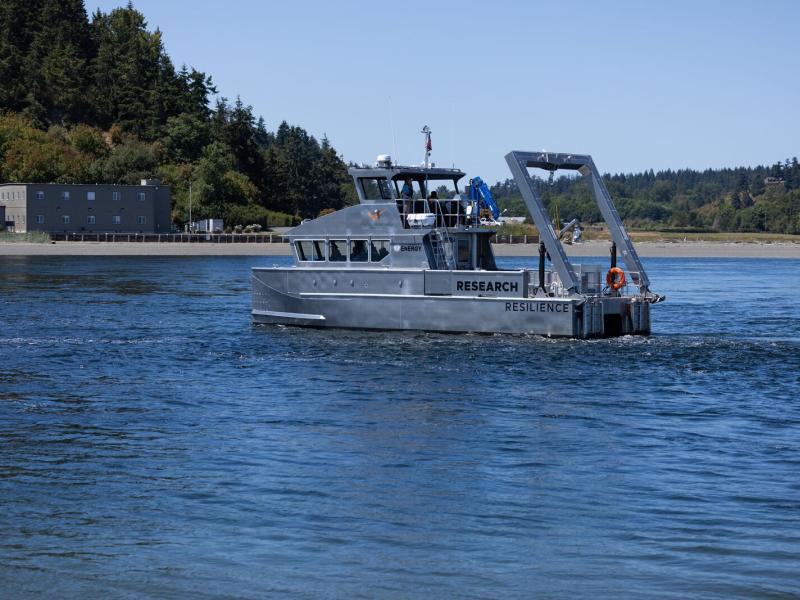
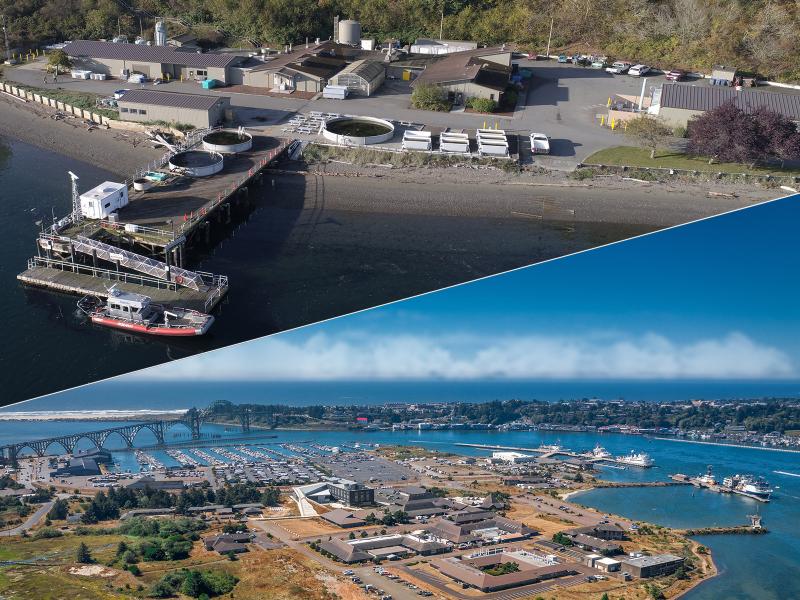
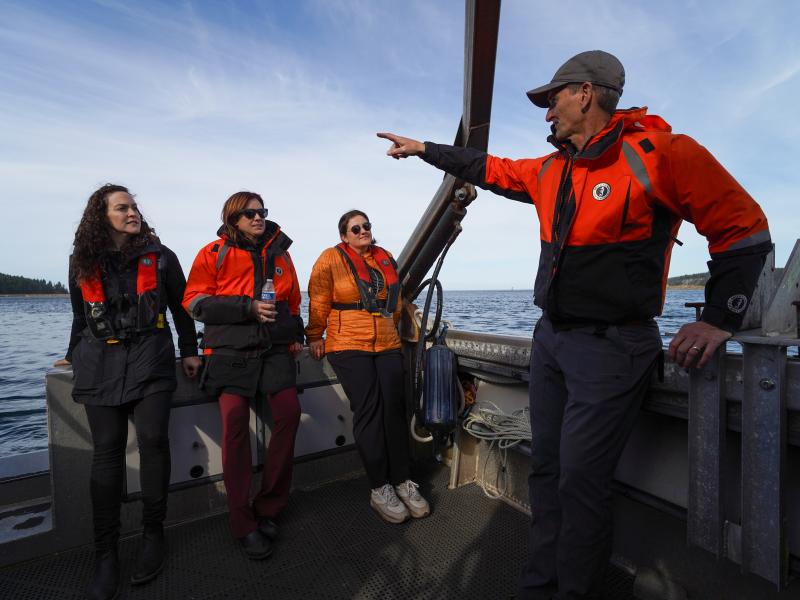
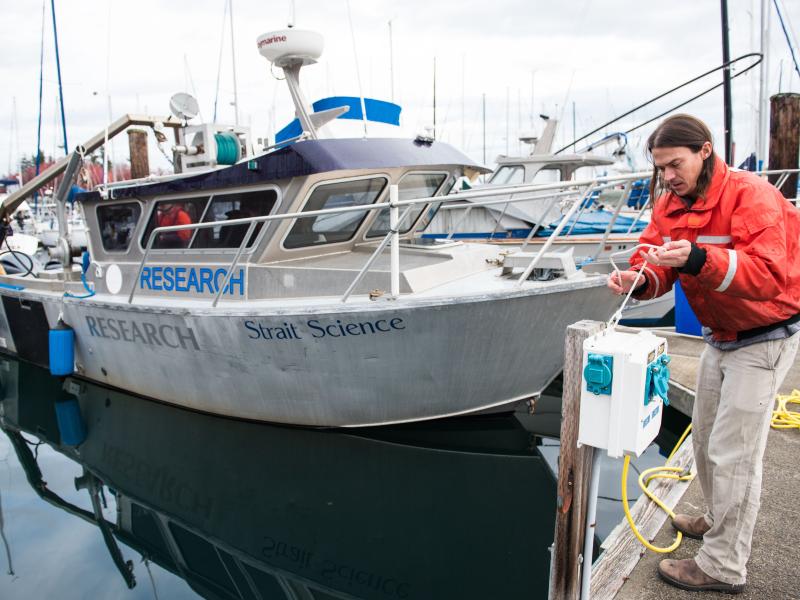
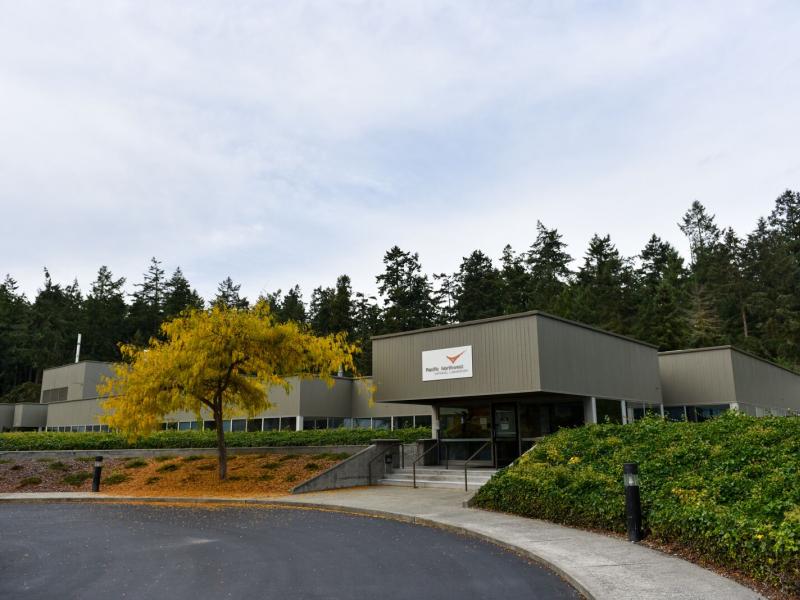
The Marine and Coastal Research Laboratory (MCRL), part of PNNL, in Sequim, Washington, is the U.S. Department of Energy’s only marine research facility. It has a rich history and expanding research scope.
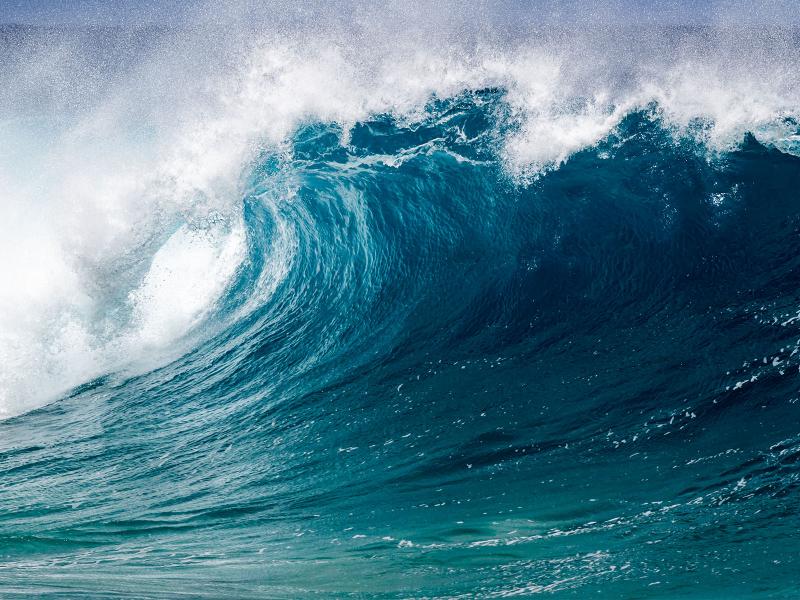
A special issue of the Marine Technology Society Journal, titled “Utilizing Offshore Resources for Renewable Energy Development,” focuses on research and development efforts including those at Pacific Northwest National Laboratory (PNNL).