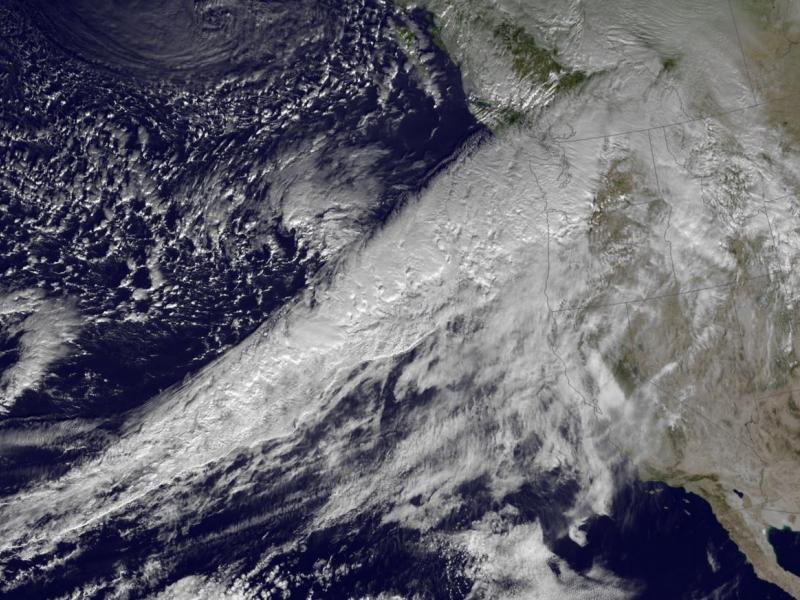
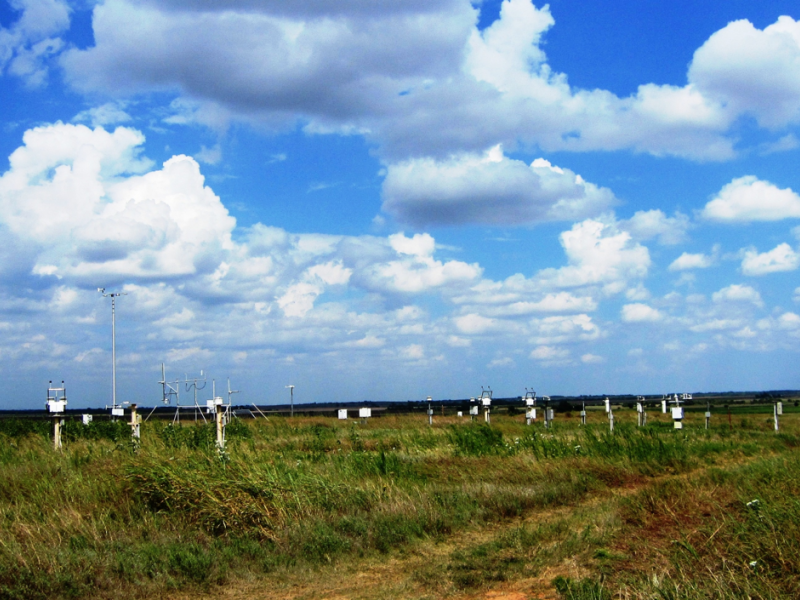
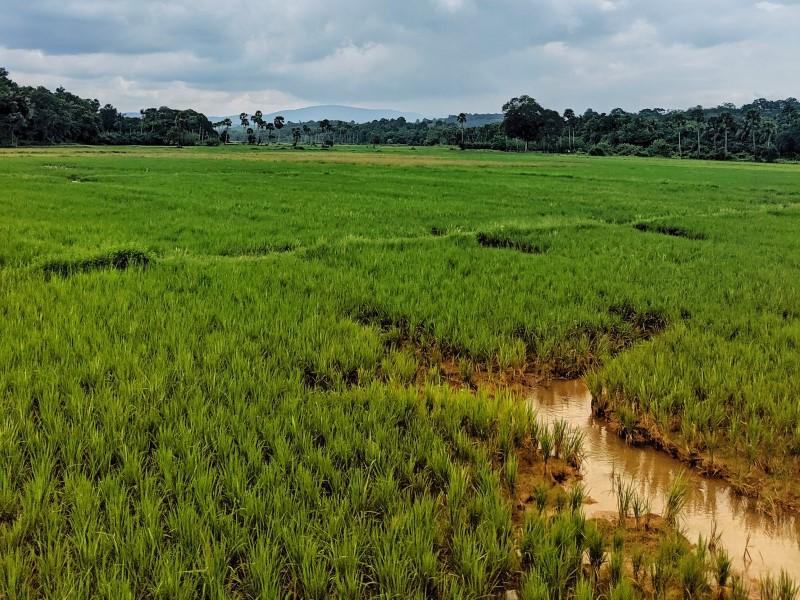
Differences in the rainfall intensity of mesoscale convective systems and other types of warm—season rainfall in the central United States lead to differences in their impacts over land.
PNNL scientists have developed a catalyst that converts ethanol into C5+ ketones that can serve as the building blocks for everything from solvents to jet fuel.
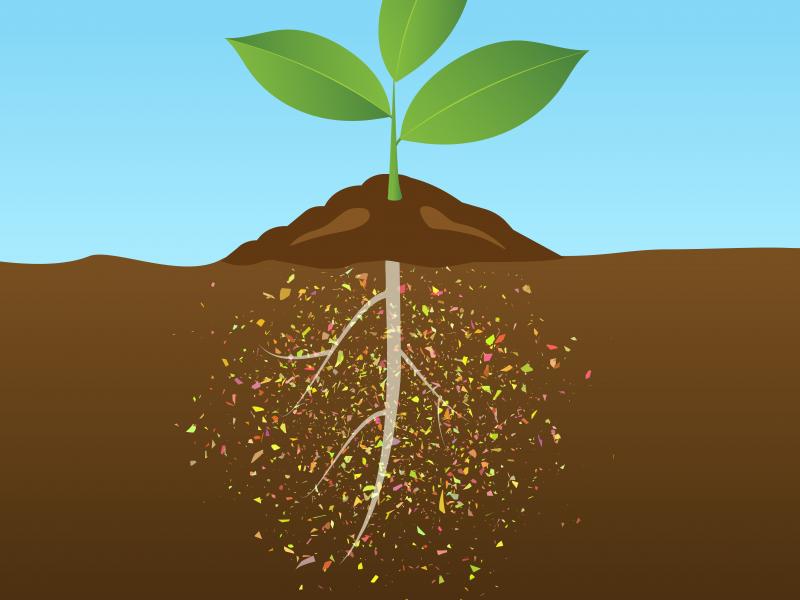
Like a toxic Trojan horse, microplastics can act as hot pockets of contaminant transport. But, can microplastics get into plant cells? Recent research shows that they can't.
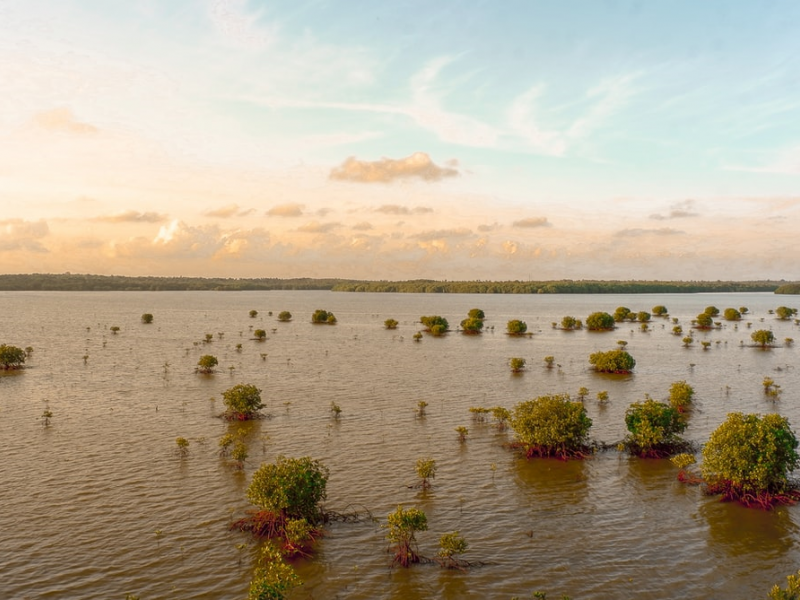
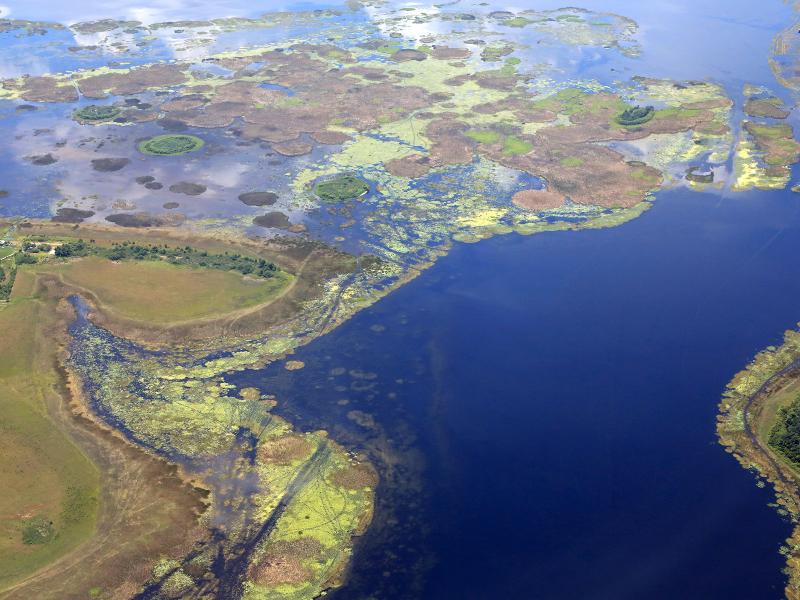
PNNL researchers are contributing expertise and hydrothermal liquefaction technology to a project that intercepts harmful algal blooms from water, treats the water, and concentrates algae for transformation to biocrude.
PNNL researchers used the Global Change Analysis Model (GCAM) to explore 15 different global scenarios that consisted of combinations of five different socioeconomic futures and four different climatic futures.
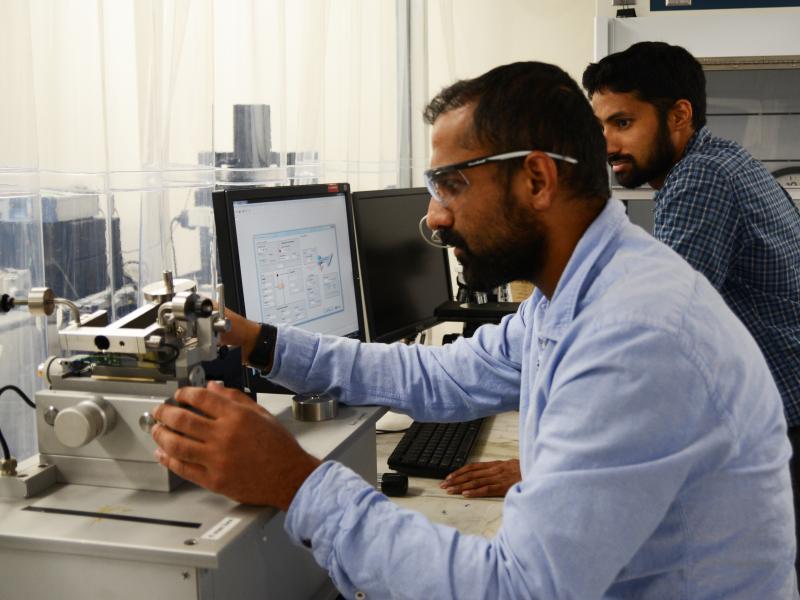
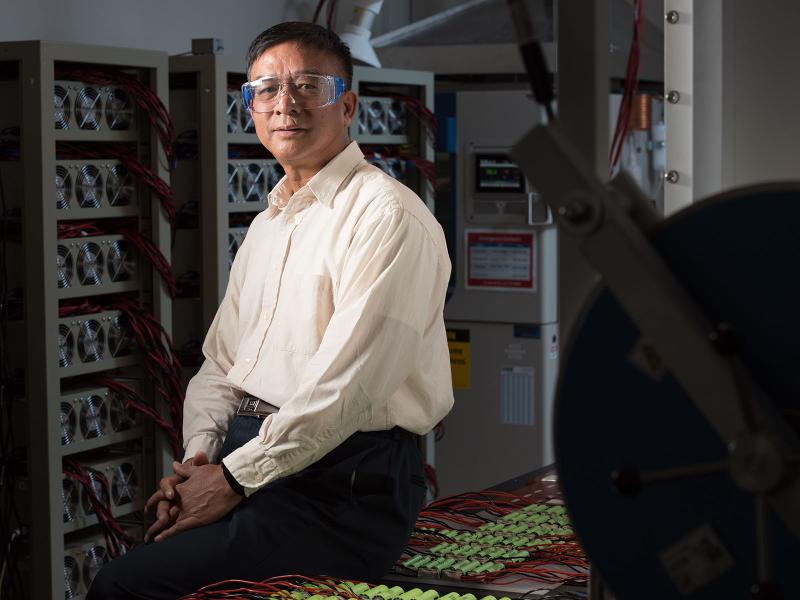
Researchers at PNNL have increased the conductivity of copper wire by about five percent via a process called Shear Assisted Processing and Extrusion. General Motors tested the wire for application in vehicle motor components.
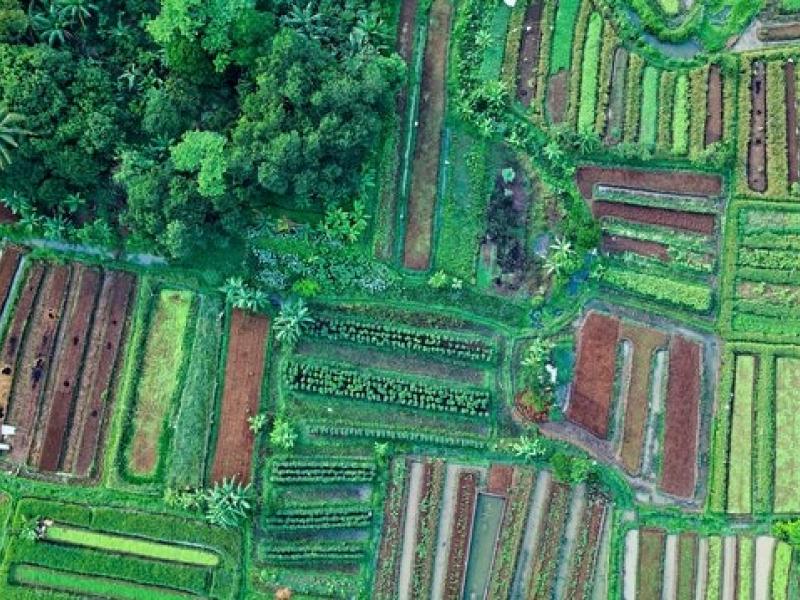
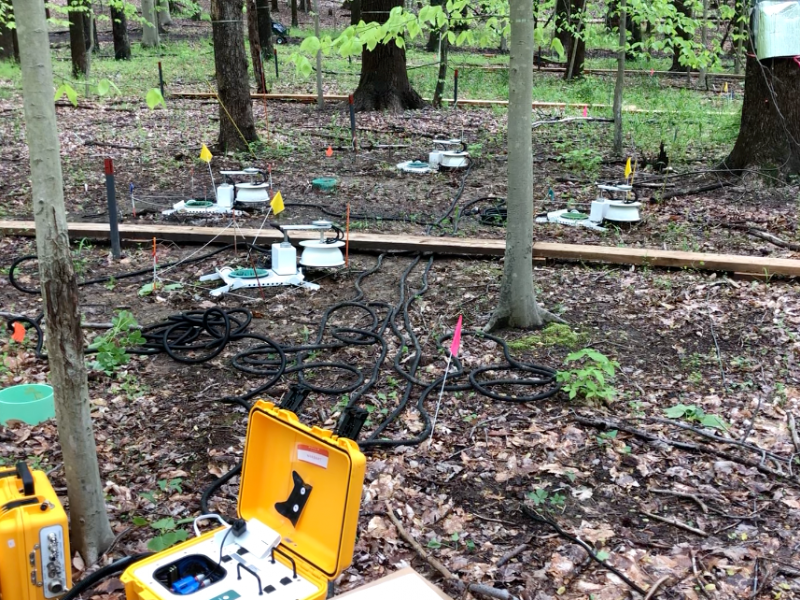
A team of researchers led by scientists from PNNL simulated carbon cycling and community composition during 100 years of forest regrowth following disturbance.
In a new review, PNNL researchers outline how to convert stranded biomass to sustainable fuel using electrochemical reduction reactions in mini-refineries powered by renewable energy.