PNNL Chief Scientist for Computing Jim Ang will be part of a DOE Office of Science virtual discussion regarding industry collaborations on AI hardware.
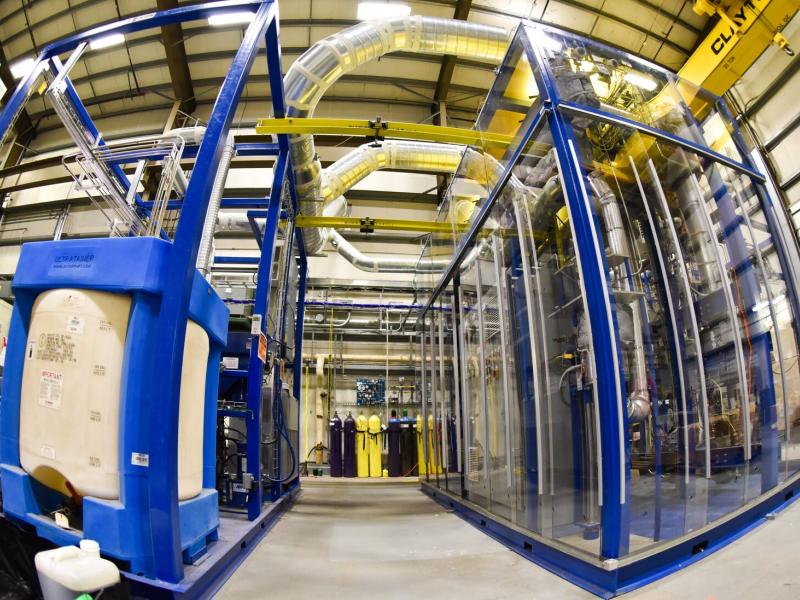
A PNNL study has shown the nation’s wastewater resource recovery facilities could generate revenue by converting sludge into biofuel—while significantly reducing disposal costs—using an in-house-developed technology.
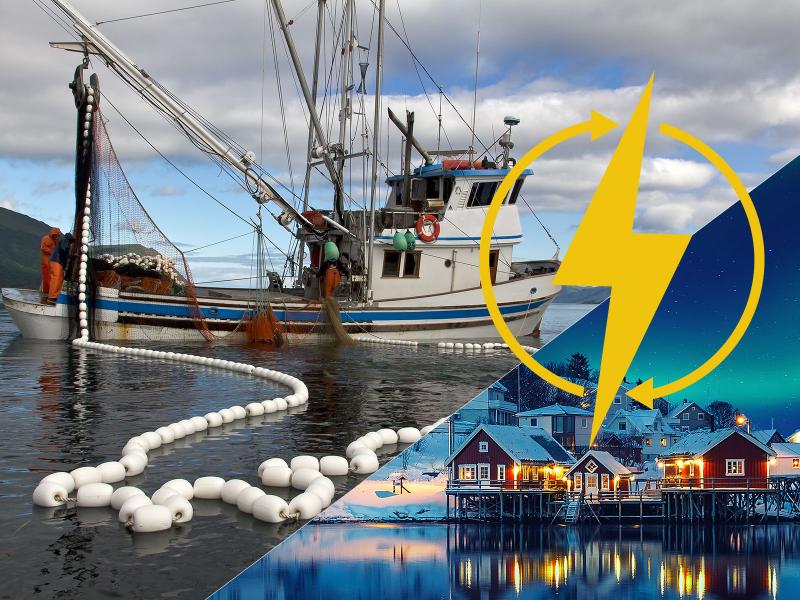
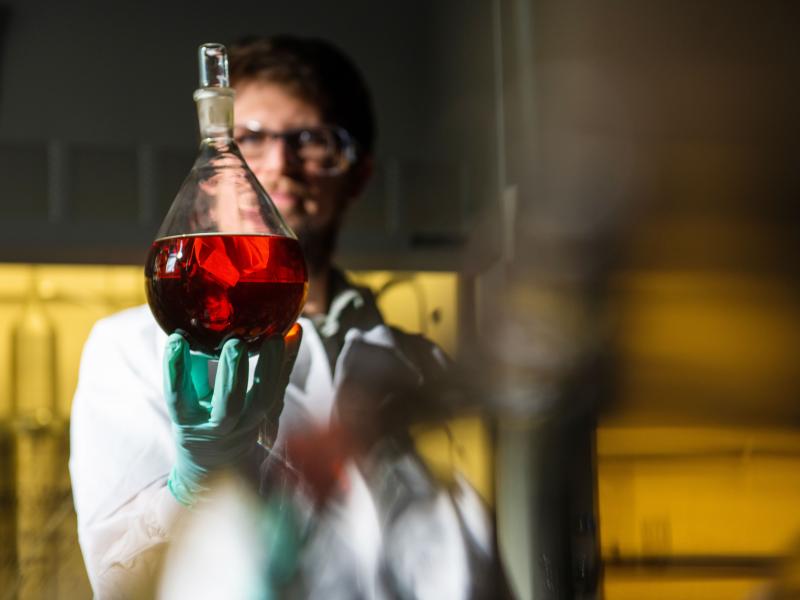
Using existing fish processing plants, kelp and fish waste can be converted to a diesel-like fuel to power generators or fishing boats in remote, coastal Alaska.
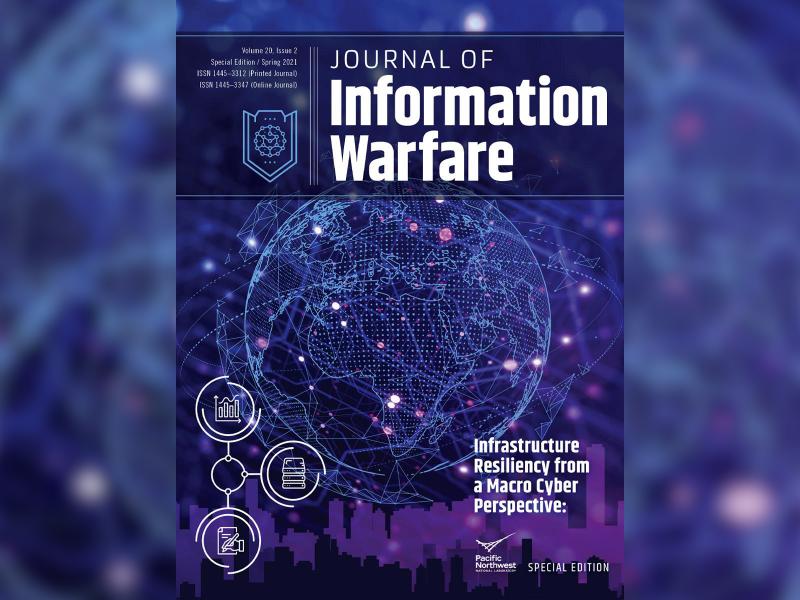
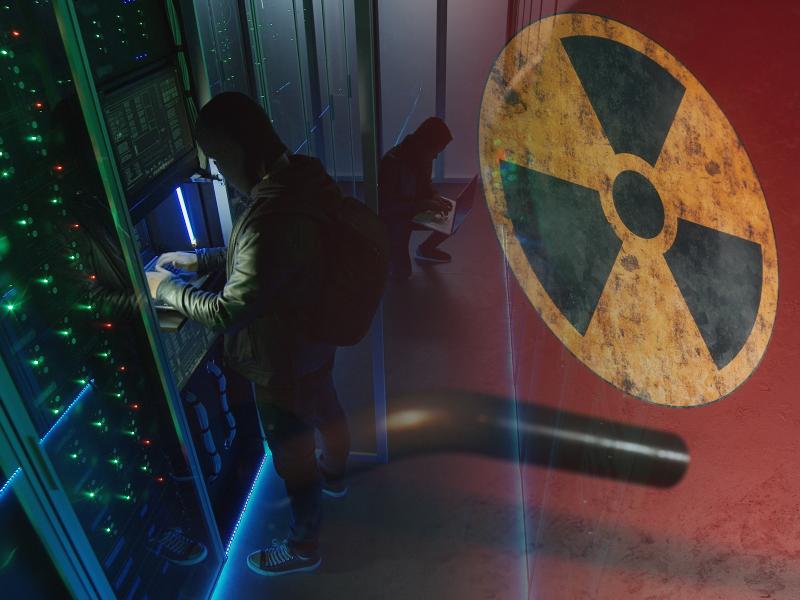
For the second straight year, PNNL researchers are featured in a special edition of the Journal of Information Warfare. This issue explores the topic of macro cyber resiliency.
PNNL researchers Leo Fifield, Mike Larche, and Bishnu Bhattarai were recently elected to the board of the Institute of Electrical and Electronics Engineers Richland, Washington section.
A demonstration converting biocrude to renewable diesel fuel has passed a significant test, operating for more than 2,000 hours continuously without losing effectiveness.
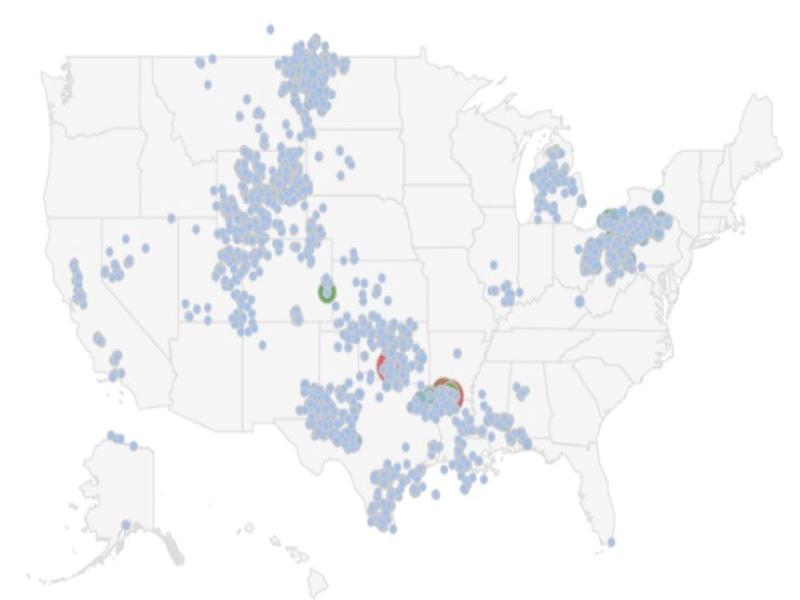
Sentry-SECURE is a new communication and response platform developed by PNNL, VPI, and Microsoft Azure that rapidly and securely transfers radiological alarm data through the cloud.
Red teaming for CPS, the process of challenging systems, involves a group of cybersecurity experts to emulate end-to-end cyberattacks following a set of realistic tactics, techniques, and procedures.
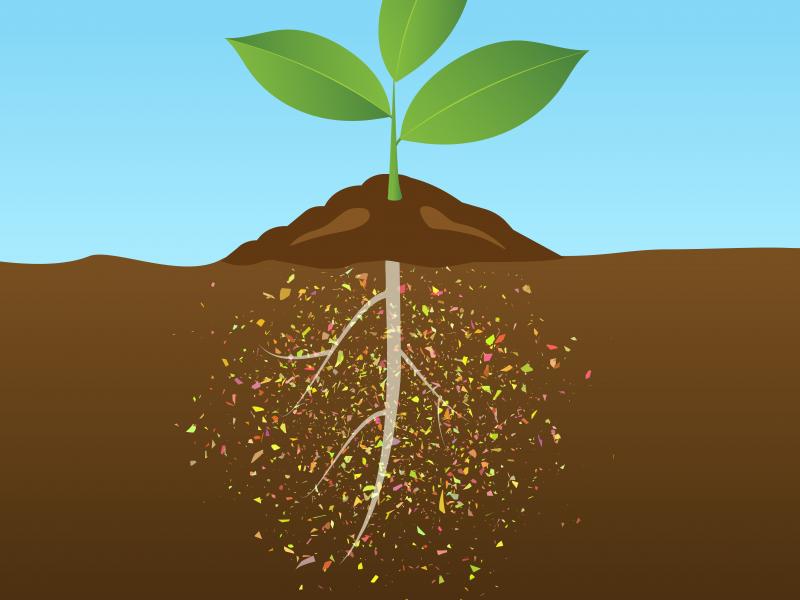
Like a toxic Trojan horse, microplastics can act as hot pockets of contaminant transport. But, can microplastics get into plant cells? Recent research shows that they can't.