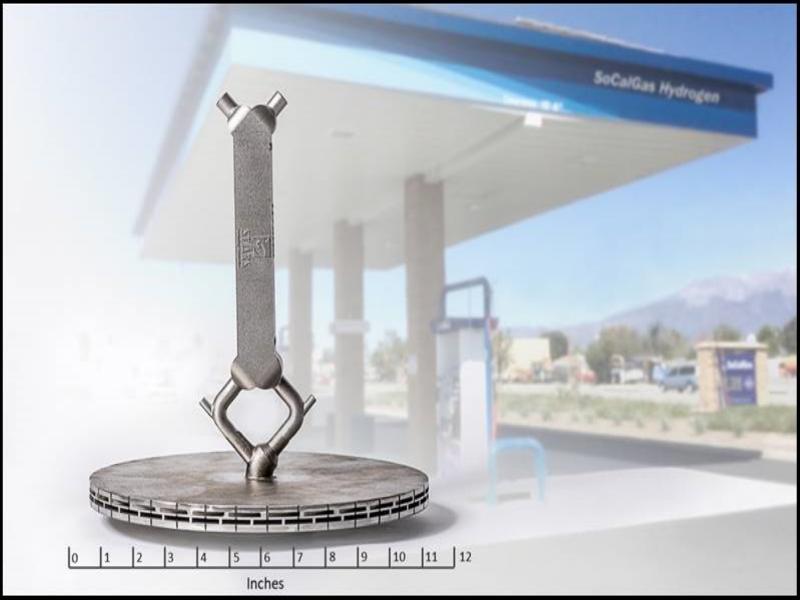
PNNL licensed two technologies to generate hydrogen. One, a reactor design, generates hydrogen from natural gas. The second innovation uses a 3D printing method to economically manufacture the generator.
Study says planners need to account for climate impacts on renewable energy during capacity development planning to fully understand investment implications to the power sector.
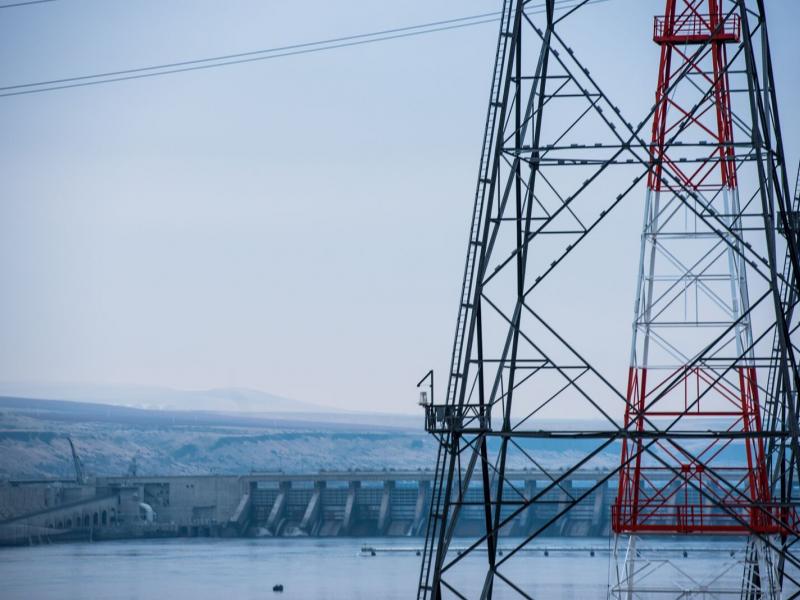
PNNL has published a report that sets the foundation for modeling gaps and technical challenges in optimizing hydropower operations for both energy production and water management.
California and other areas of the U.S. Southwest may see less future winter precipitation than previously projected by climate models, according to new research that corrects for a long-standing model error: the double-ITCZ bias.
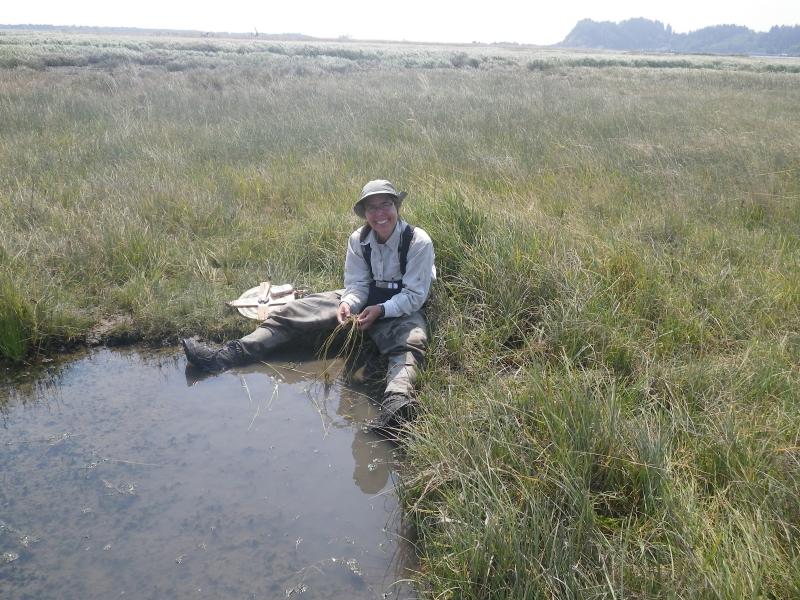
Culminating 10 years of study, researchers at PNNL’s Marine and Coastal Research Laboratory developed a new predictive framework for estuarine–tidal river research and management.
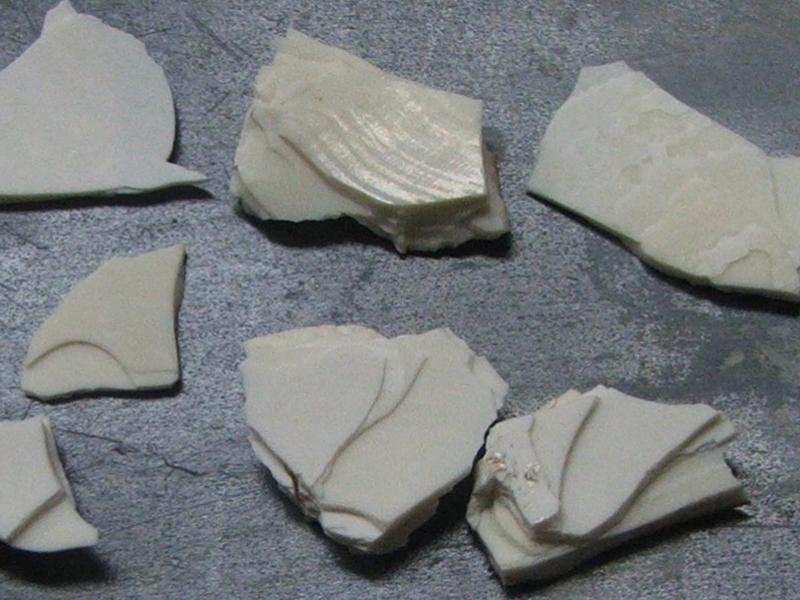
Calcium carbonate found in chalk, shells and rocks is one of the most important materials on earth. New insights on how it turns into hard, strong materials will help scientists design materials needed for a low-carbon future.
For decades, the Department of Energy's Pacific Northwest National Laboratory has played a role in establishing and maintaining sustainable hydropower for the region.