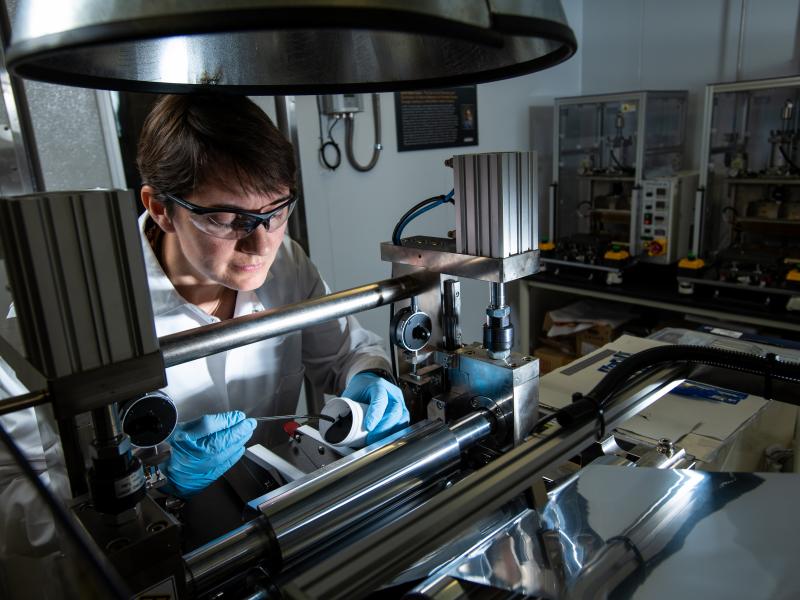
Electrical engineer Nolann Williams supports technical development for DOE-funded projects building marine energy environmental monitoring technologies.
PNNL and WSU researchers have improved the performance and life cycle of sodium-ion battery technology to narrow the gap with some lithium-ion batteries.
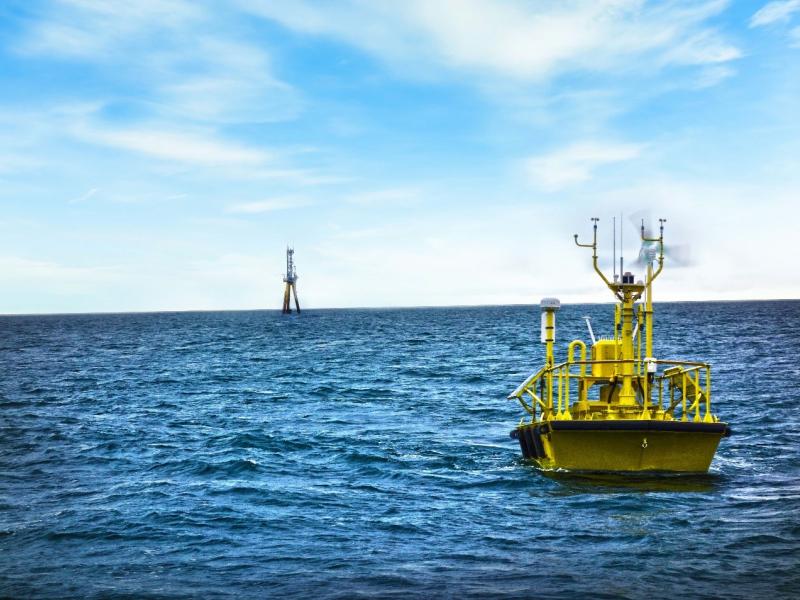
Research buoys managed by PNNL underwent a $1.3-million upgrade that included more powerful lidar that reaches heights of today’s taller wind turbines.
To help spur economic development and assist in the battle against COVID-19, PNNL is making available its entire portfolio of patented technologies on a research trial basis—at no cost—through the end of 2020.
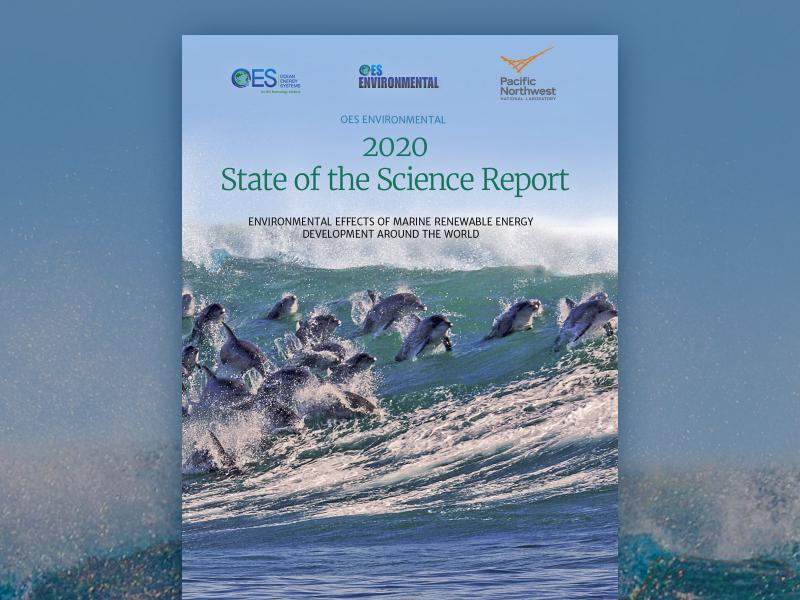
On World Oceans Day, an international team of marine scientists reports that the potential impact of marine renewable energy to marine life is likely small or undetectable, though some uncertainty remains.
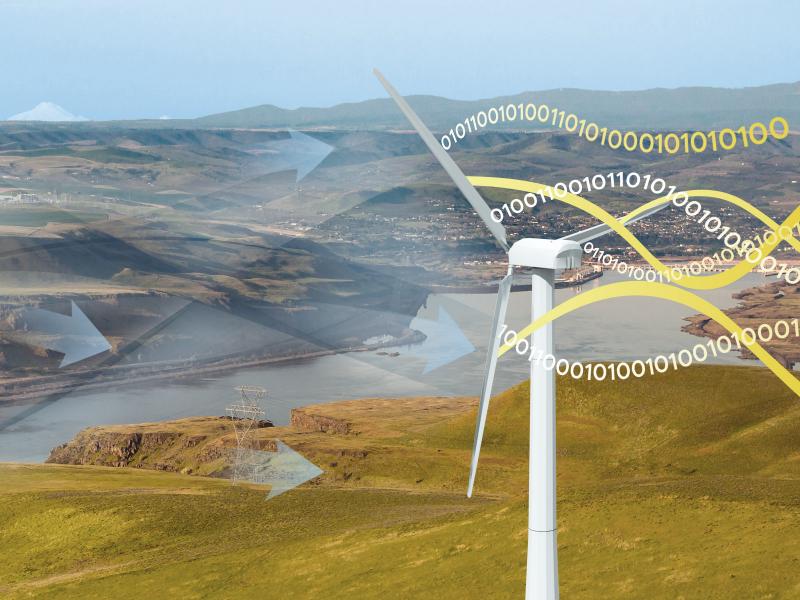
PNNL is managing the Data Archive and Portal, which provides the wind research community with secure, timely, easy, and open access to all data brought in from research under DOE’s Atmosphere to Electrons program.
A technology developed by researchers at the U.S. Department of Energy’s Pacific Northwest National Laboratory could pave the way for increased fuel economy and lower greenhouse gas emissions as part of an octane on demand fuel-delivery.
The PNNL team that made history, working with industrial partner LanzaTech, by creating the first jet fuel from industrial waste gas will receive a 2020 IRI Achievement Award for its breakthrough.
Sam Chatterjee, a senior operations research scientist at PNNL, was recently appointed as associate editor for the specialty section, “Water and the Built Environment” at the peer-reviewed, open access journal Frontiers in Water.
Researchers at PNNL have come up with a novel way to use silicon as an energy storage ingredient, replacing the graphite in electrodes. Silicon can hold 10 times the electrical charge per gram, but it comes with problems of its own.
PNNL and the U.S. Forest Service used a combination of data, models, analytical techniques and software to evaluate forest restoration impacts on the environment, while also assessing the economics of resulting biomass.
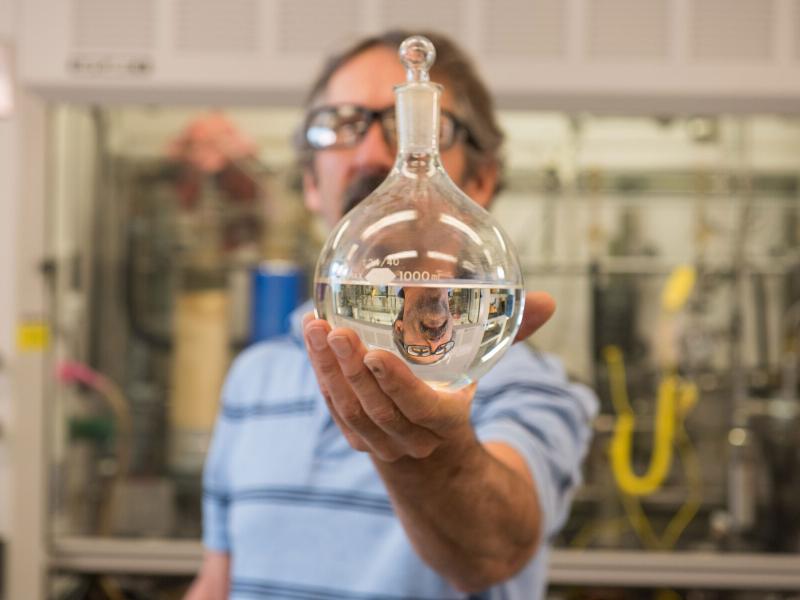
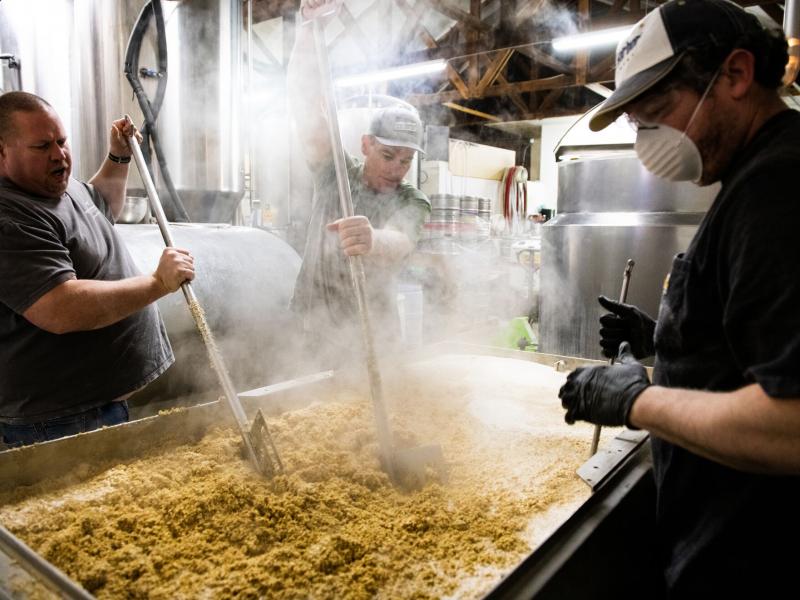
A chemical engineer by day at PNNL, Dan Howe is an ardent home brewer by night. The connection resulted in production of biocrude oil from brewery waste.
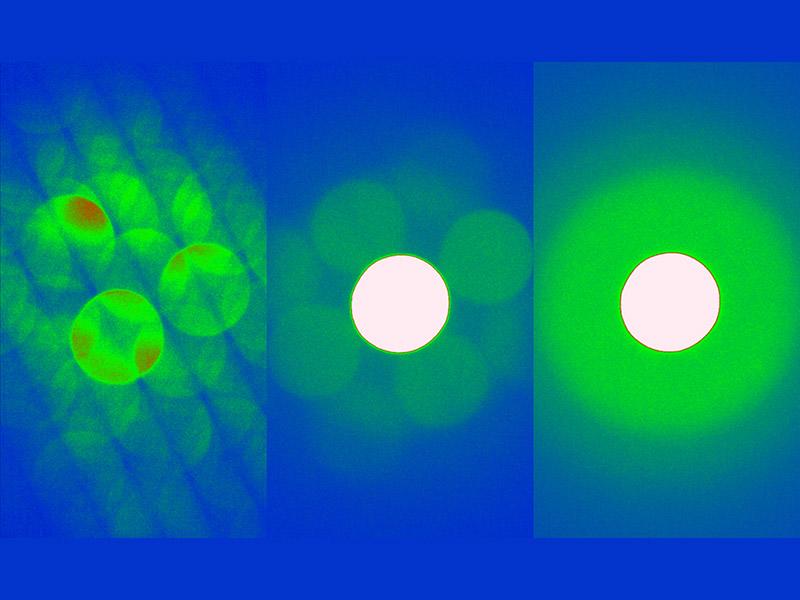
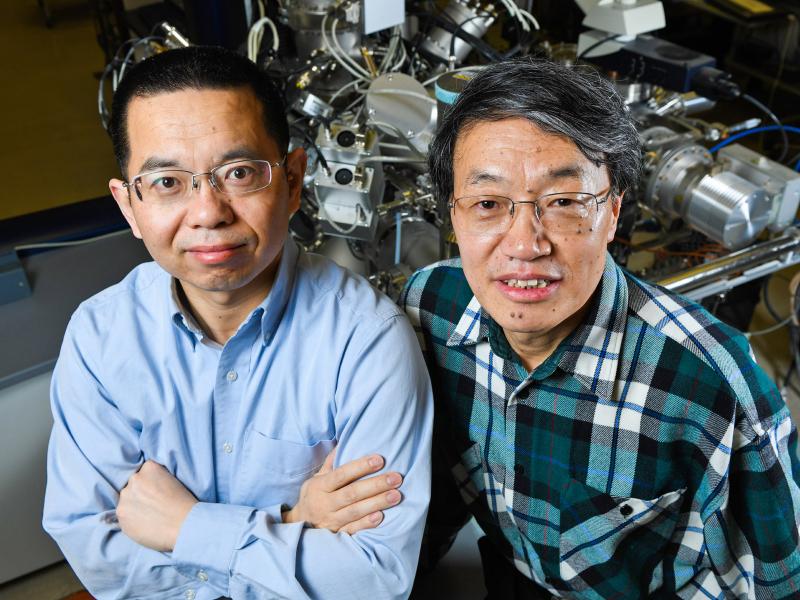
Researchers found that certain oxide interface configurations remain stable in extreme environments, suggesting ways to build better performing, more reliable devices for fuel cells, space-based electronics, and nuclear energy.
The Federal Laboratory Consortium for Technology Transfer has honored three innovations at the U.S. Department of Energy’s Pacific Northwest National Laboratory.
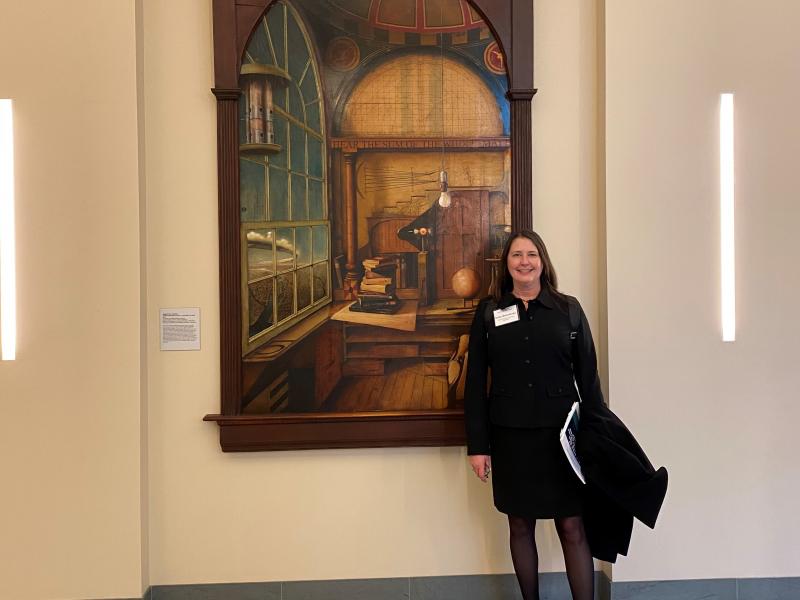
PNNL coastal ecologist Heida Diefenderfer was a featured speaker in February at the National Academies of Sciences, Engineering, and Medicine’s Government-University-Industry Research Roundtable on policy and global affairs.
PNNL’s Juliet Homer was an invited panelist at a California Energy Commission workshop, which highlighted research on water treatment, delivery, and energy.
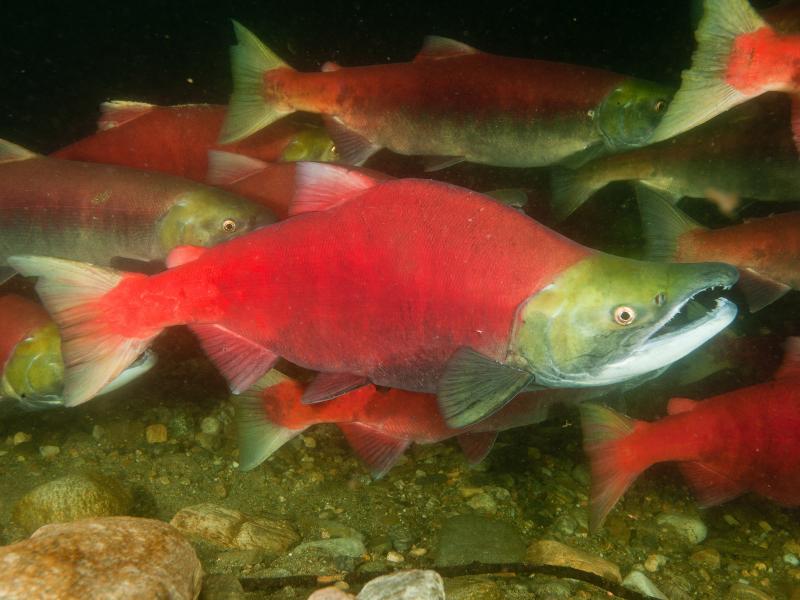
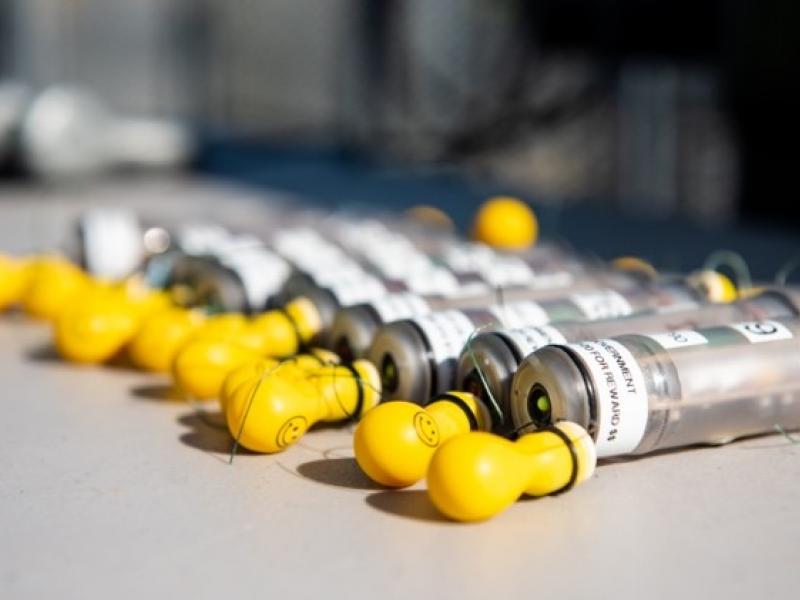
PNNL's Sensor Fish were deployed at Ice Harbor Dam to collect data from a new turbine. The data indicates the design changes are making travel through the dam less arduous for fish.