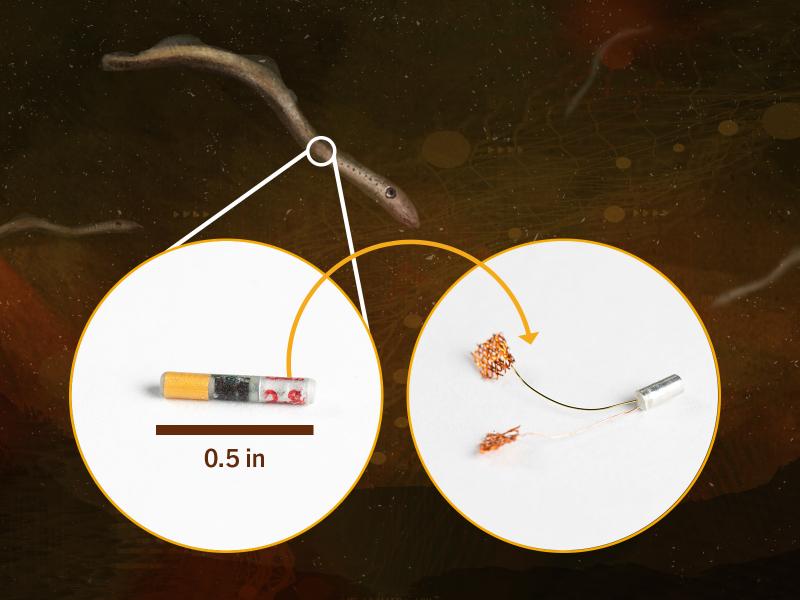
PNNL scientists developed a new, tiny battery and tag to track younger, smaller species, to evaluate behavior and estimate survival during downstream migration.
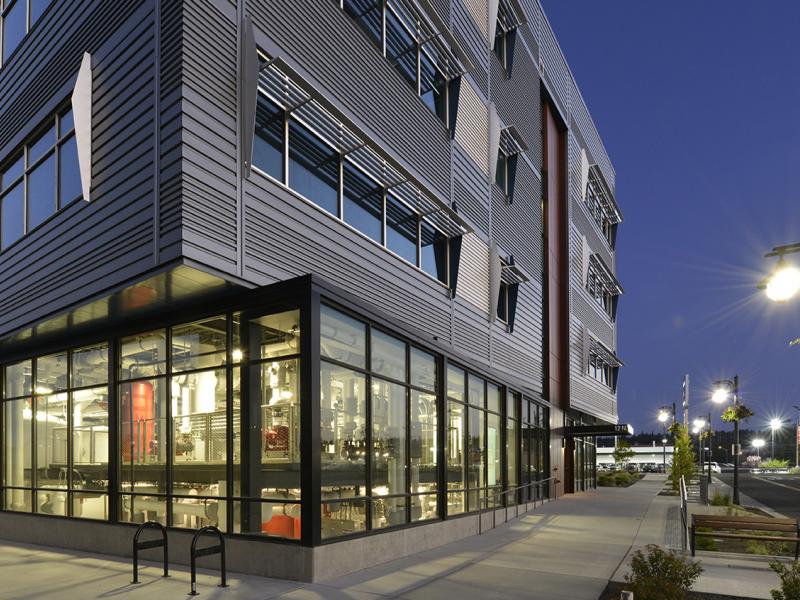
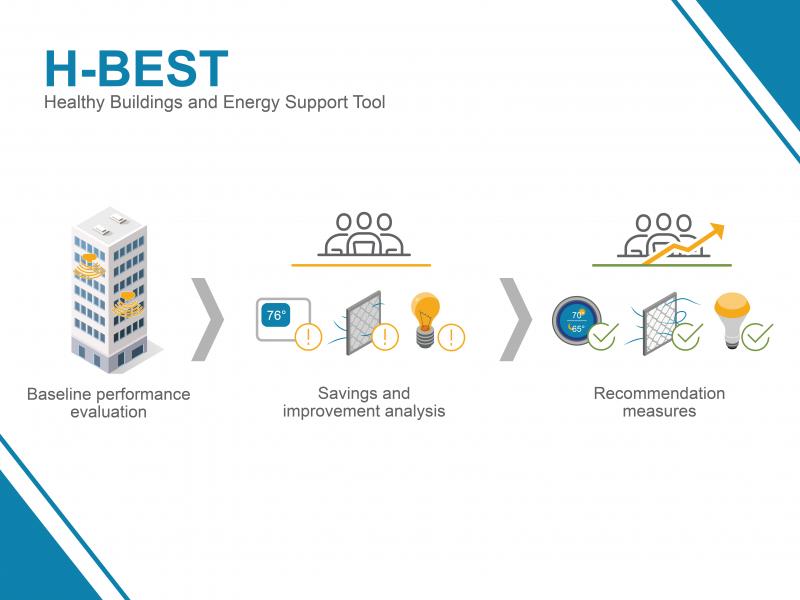
The first customized resource of its kind, H-BEST analyzes the indoor environmental quality profile for buildings and helps its users identify the costs and benefits of improvements.
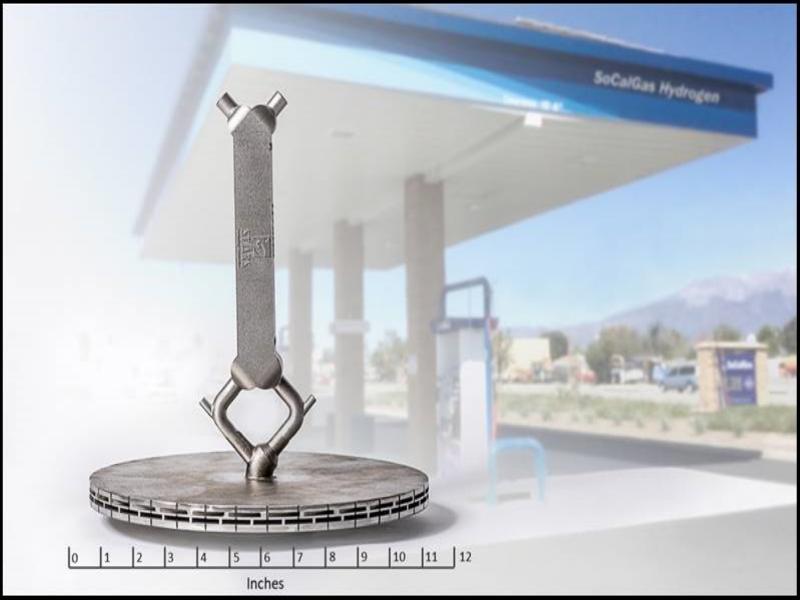
PNNL licensed two technologies to generate hydrogen. One, a reactor design, generates hydrogen from natural gas. The second innovation uses a 3D printing method to economically manufacture the generator.
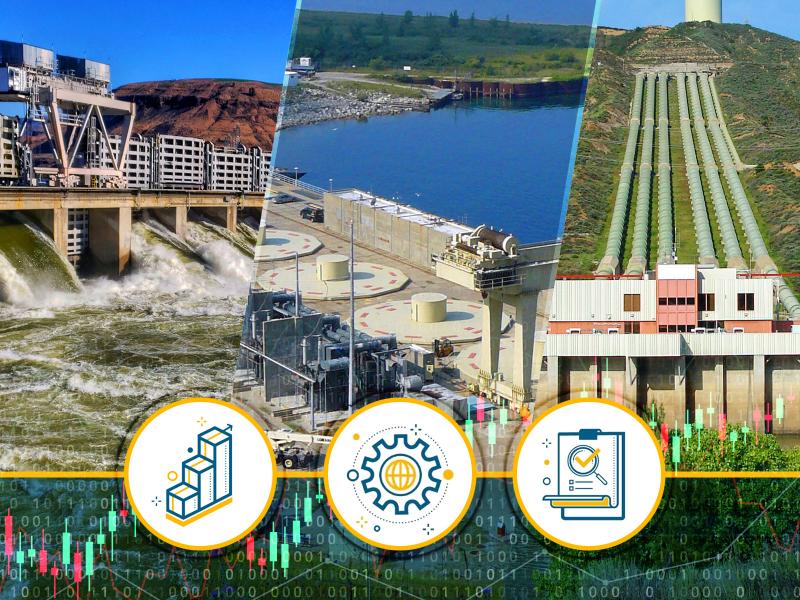
PNNL and four other national laboratories executed the Hydropower Value Study to examine hydropower operations in different regions of the United States.
Samantha Eaves discusses the future of marine energy and her role with Triton from the Department of Energy Water Power Technologies Office perspective.
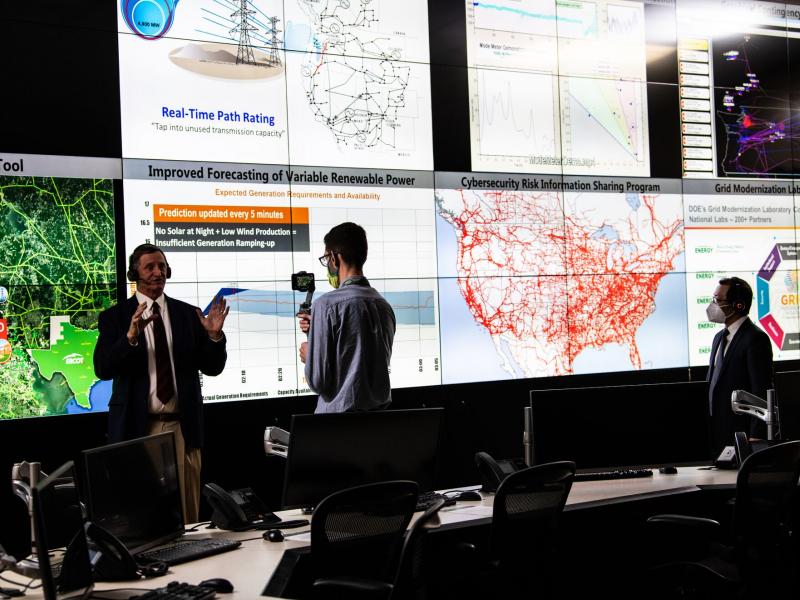
Study says planners need to account for climate impacts on renewable energy during capacity development planning to fully understand investment implications to the power sector.
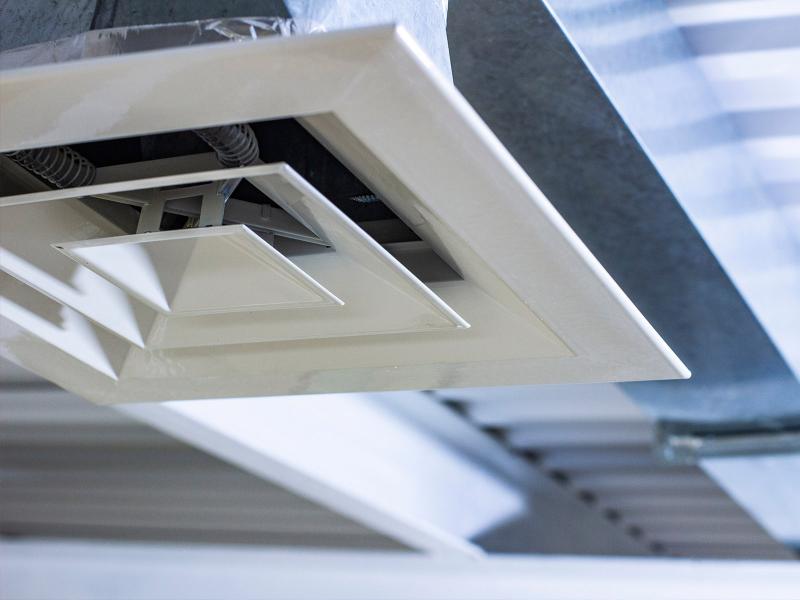
Vigorous and rapid air exchanges might not always be a good thing when it comes to levels of coronavirus particles in a multiroom building, according to a new modeling study.
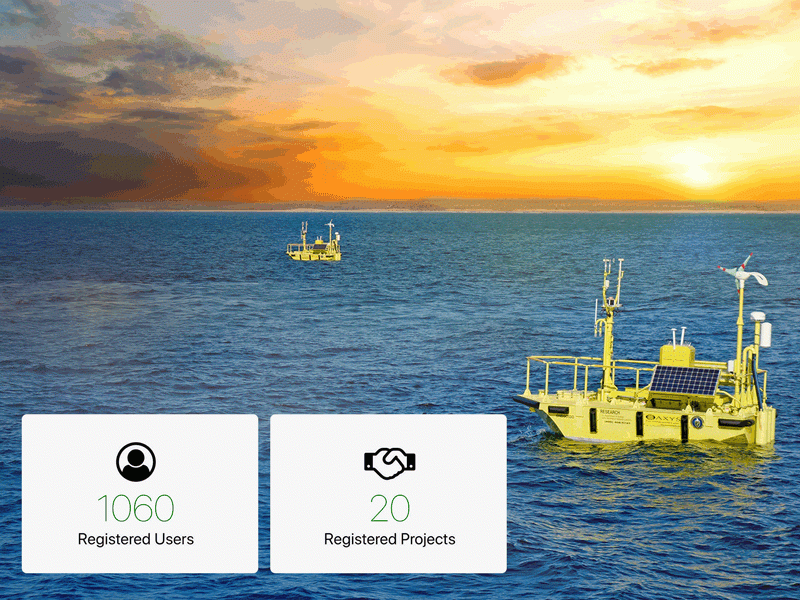
Seven teams win the U.S. Department of Energy's DESIGN Contest for wave-powered systems to monitor hurricanes—part of the Ocean Observing Prize. PNNL administers the prize with National Renewable Energy Laboratory.
A new study projects that electricity demand tied to cooling U.S. buildings will grow as peak temperatures rise, and so too would the need for an expanded power sector.