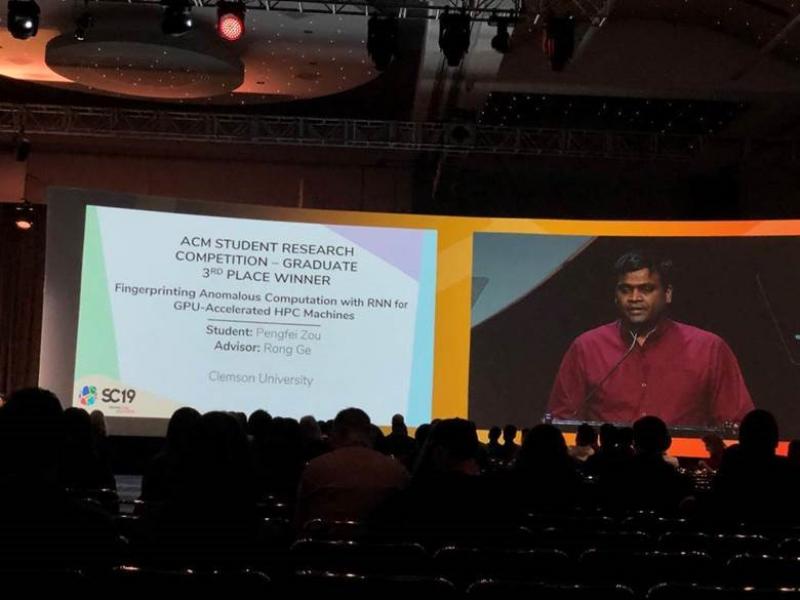
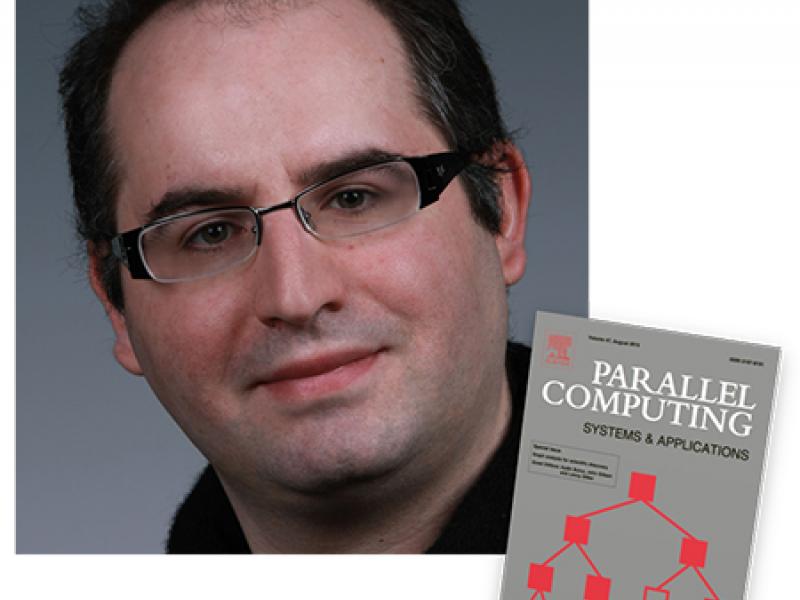
A student computing security research project guided by PCSD computer scientists Ang Li and Kevin Barker placed third among dozens of entries in the student research poster session at SC19, a premier annual conference for high-performance c
At a conference featuring the most advanced computing hardware and software, ML in its various guises was on full display and highlighted by Nathan Baker’s featured invited presentation.
Through her role in the Department of Energy’s Advanced Scientific Computing Research-supported ExaLearn project, Jenna Pope is developing deep learning approaches for finding optimal water cluster structures for a variety of applications.
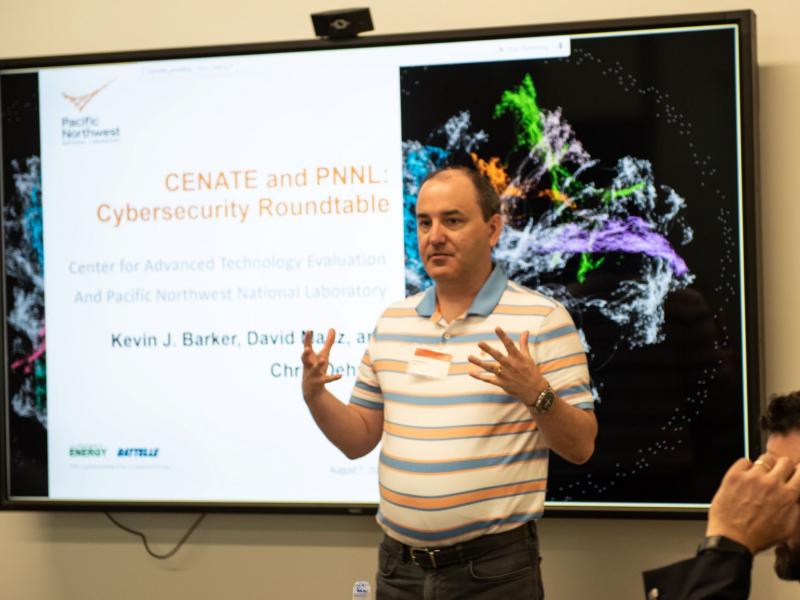
Pacific Northwest National Laboratory is leading efforts to address next-generation computing’s critical role in protecting the nation from cybersecurity threats.
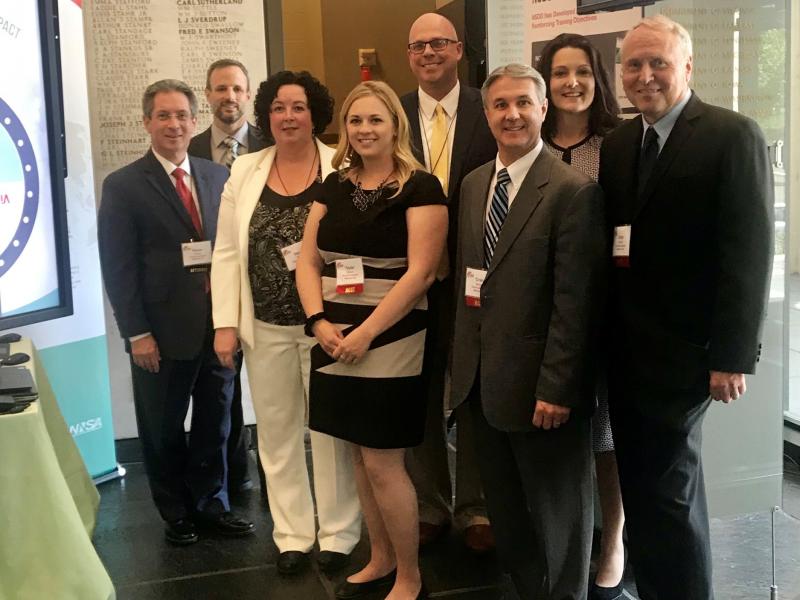
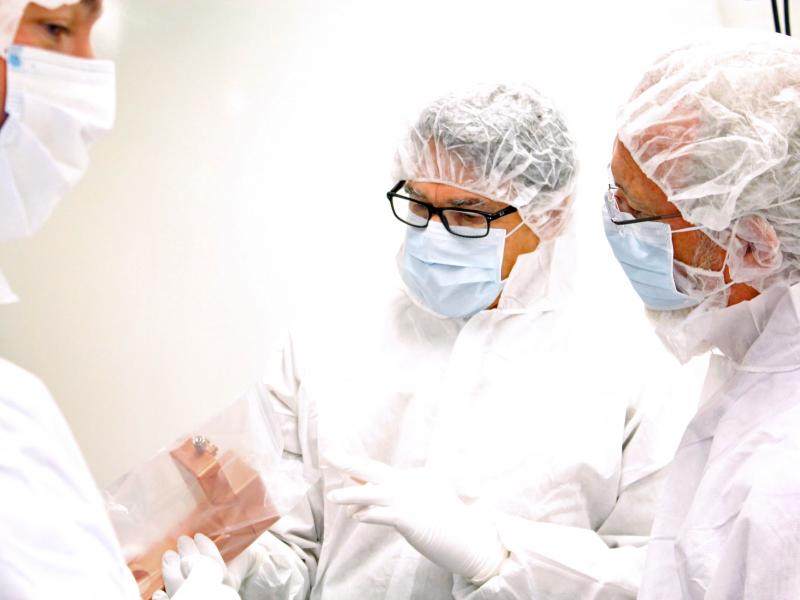
PNNL Laboratory Director Steve Ashby attended an event marking the 20th anniversary of the Department of Energy’s National Nuclear Security Administration Nuclear Smuggling Detection and Deterrence program.
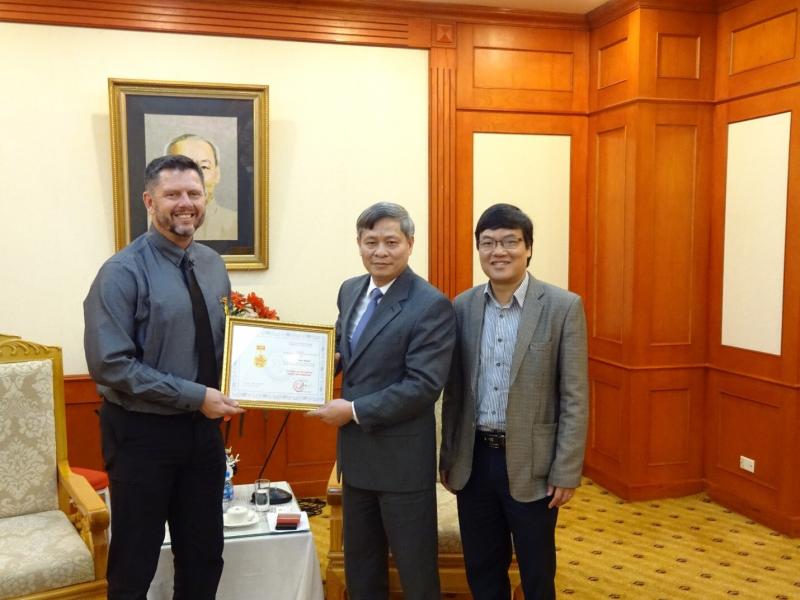
Vietnam's Ministry of Science and Technology (MOST) Deputy Minister Pham Cong Tac awarded the Medal for the Cause of Science and Technology to PNNL's Todd Haynie.
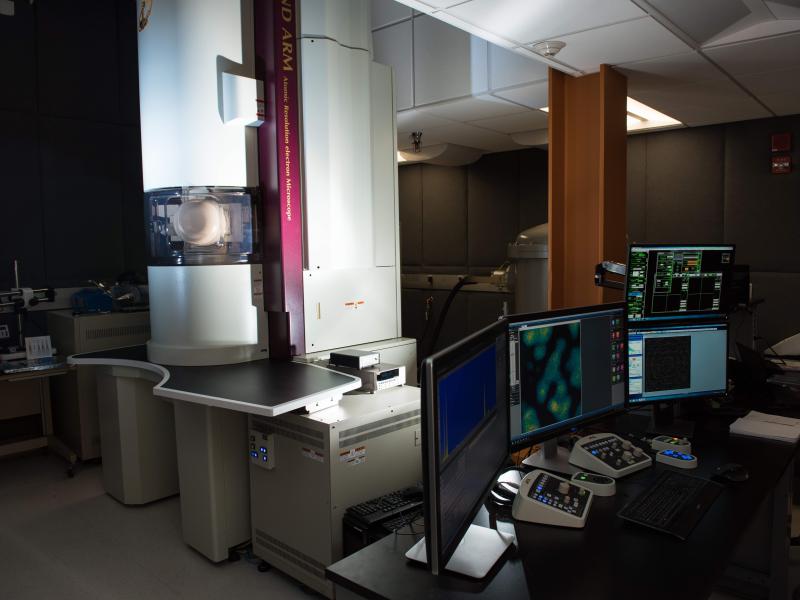
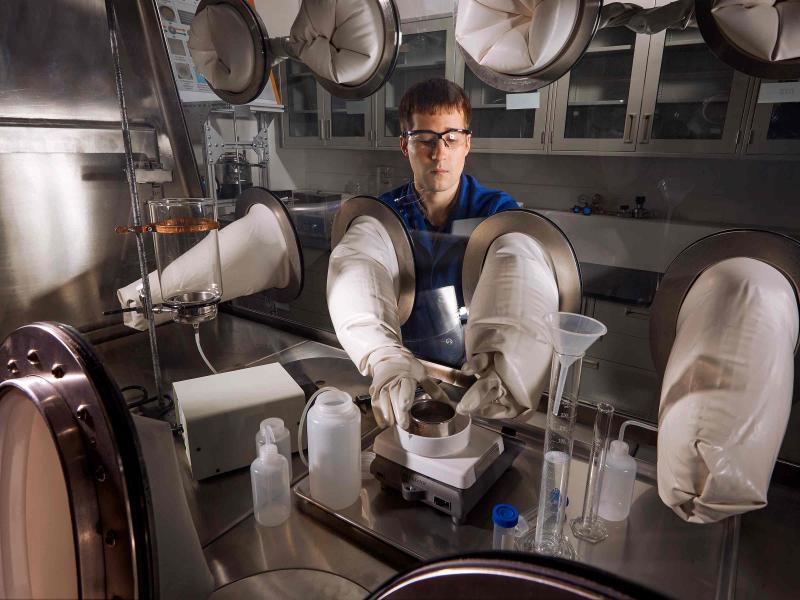
Researchers used novel methods to safely create and analyze plutonium samples. The approaches could prove influential in future studies of the radioactive material, benefitting research in legacy, national security and nuclear fuels.
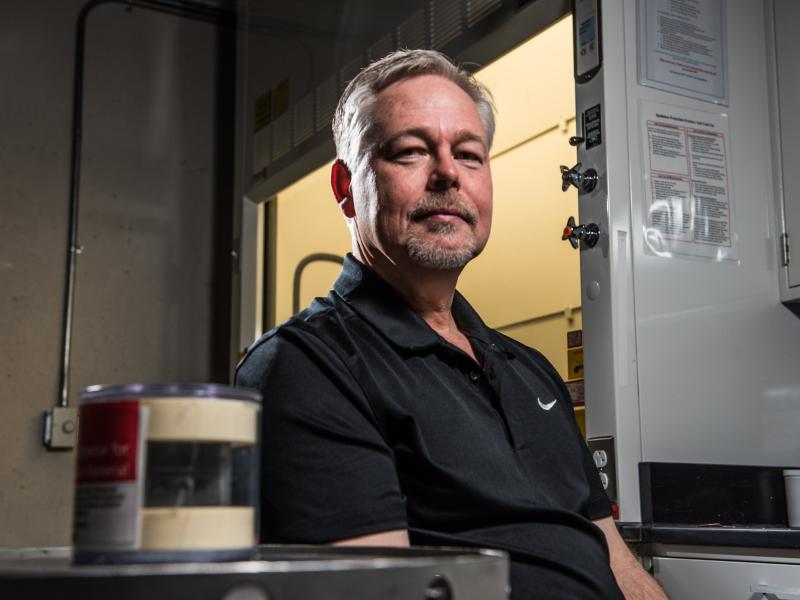
Peering through the thick, green glass of a decades-old "hot cell," an expert technician manipulates robotic arms to study highly radioactive waste from Hanford, in support of ongoing cleanup.
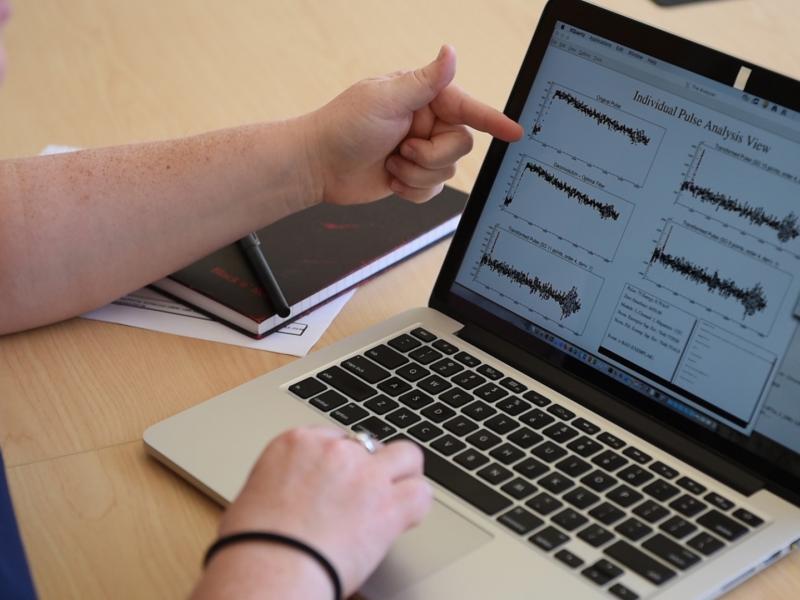
Scientists are exploring the use of deep neural network to interpret highly technical data related to national security, the environment and the cosmos.