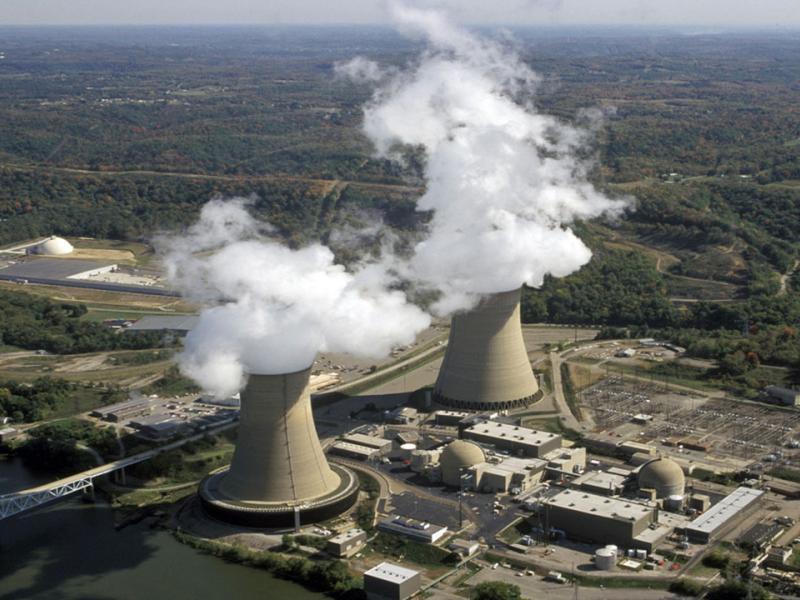
Despite an increase in future electricity demands, virtual water trading in the U.S. electricity sector is expected to decline as renewable energy expands.
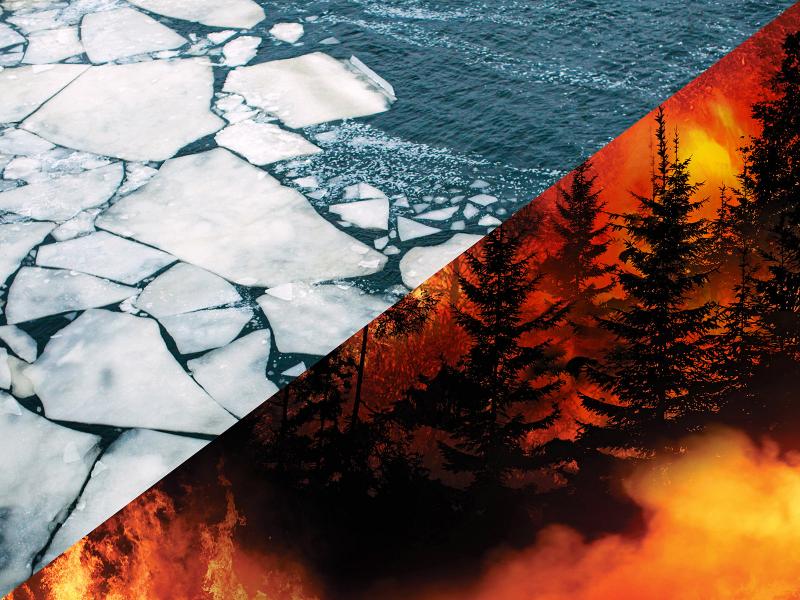
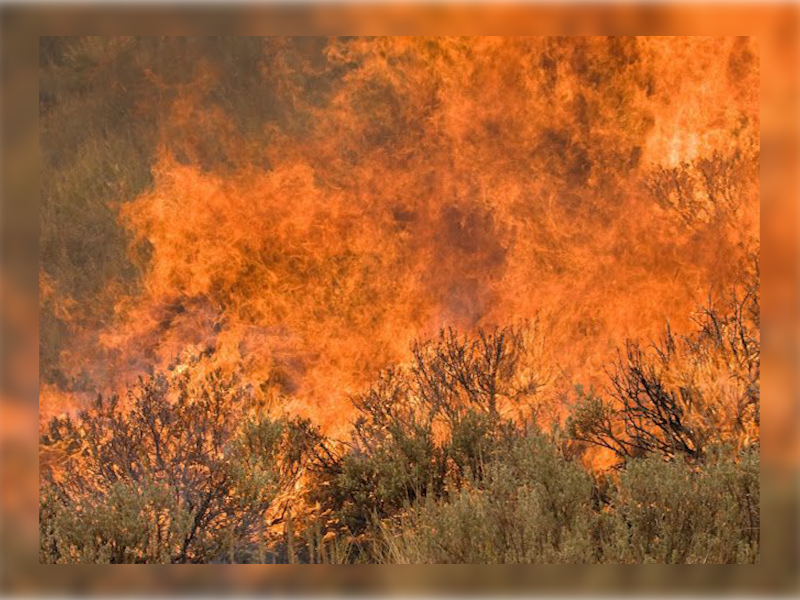
Additional fire-favorable weather associated with declines in Arctic sea ice during summer can increase autumn wildfires over the western United States.
PNNL engages in expert panels to address emerging policy issues surrounding deep space exploration; forms new partnership with University of Washington Space Policy and Research Center.
The newly created ICON Science Cooperative is a resource enabling an innovative approach to science to generate transferable knowledge and increase equity.
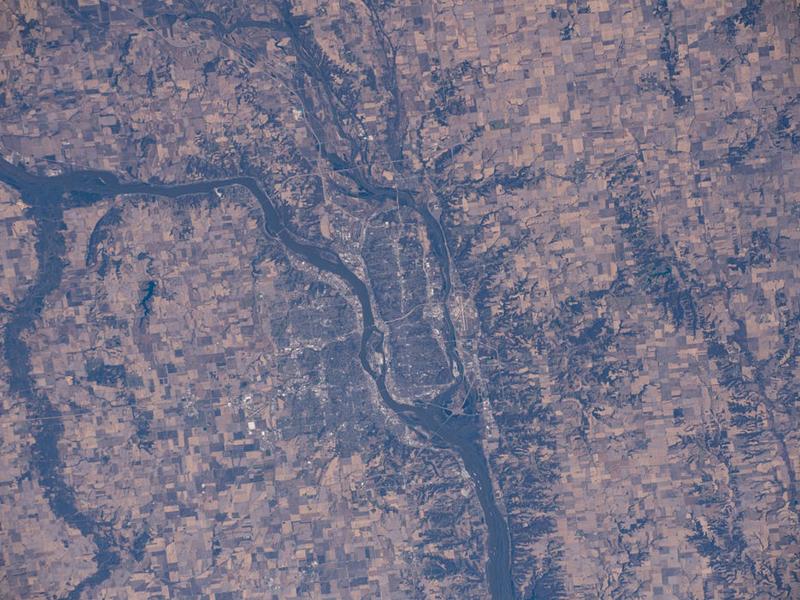
A new study demonstrates how researchers can model human–Earth system feedbacks in a single internally consistent, computationally efficient framework.
The Energy Storage for Social Equity Initiative will help up to 15 disadvantaged communities consider energy storage technologies to meet local energy goals.
Ocean biogeochemical modeling software now available as open source to help researchers predict impacts of pollution, sea level rise, and climate change.
Model results show that uncertainties in farmers’ expectations of market and weather conditions amplify agricultural supply and demand variability under a changing climate.
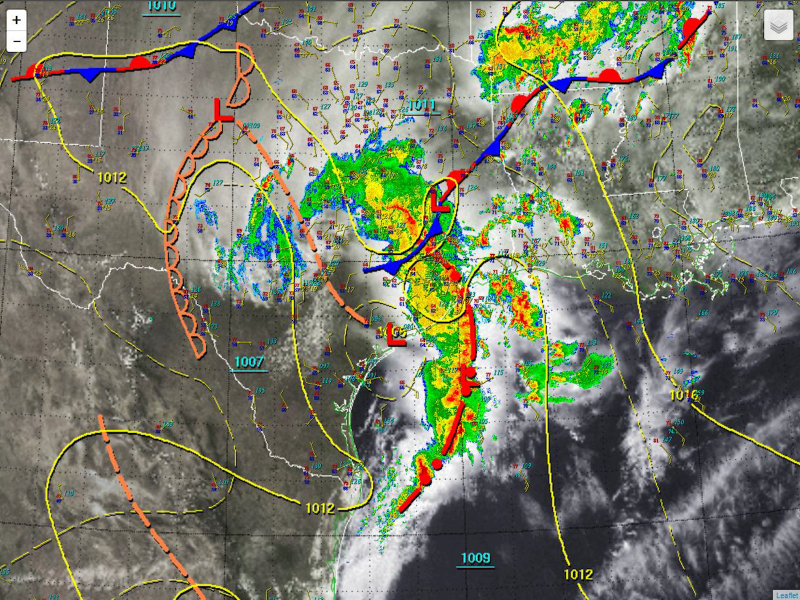
Investigating the soil moisture–precipitation feedbacks that are associated with mesoscale convective system and non-mesoscale convective system rainfall.