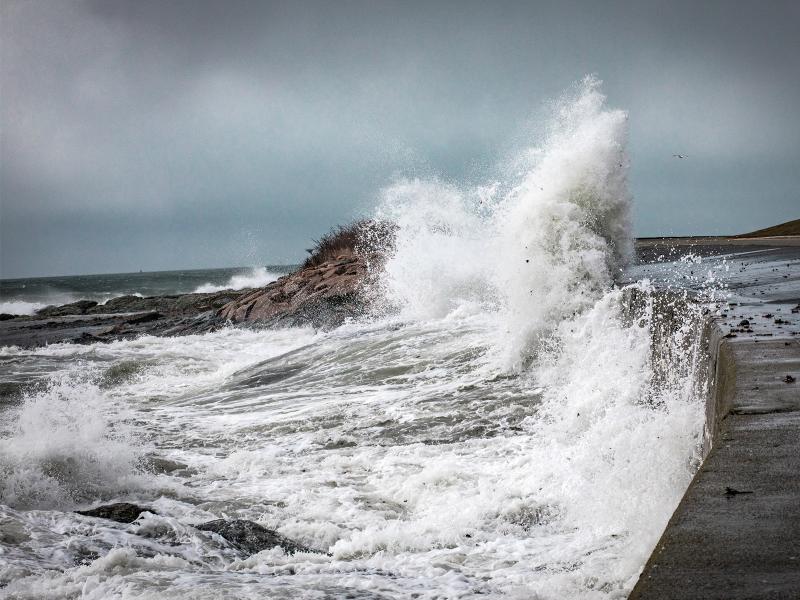
Incorporating green infrastructure into flood protection plans alongside gray infrastructure can shield communities, reduce maintenance, and provide additional social and environmental benefits.
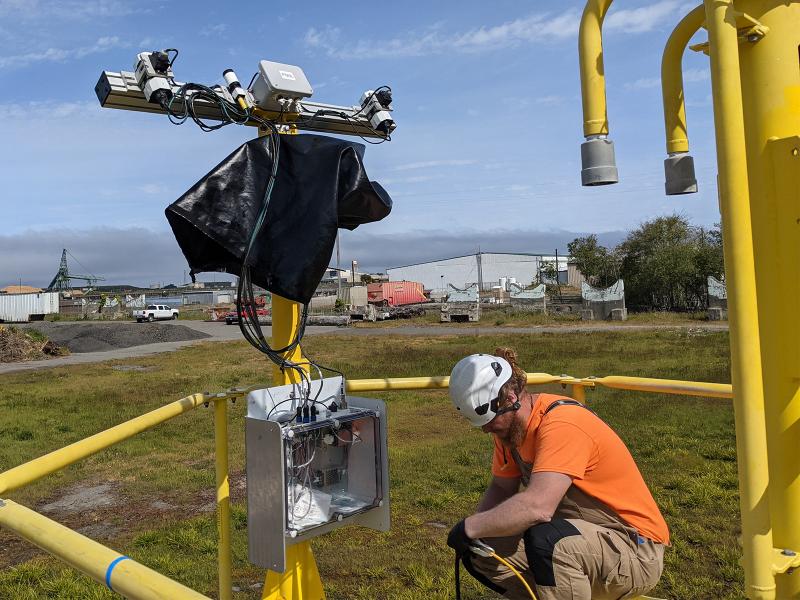
PNNL has paired one of its offshore wind research buoys with its ThermalTracker-3D technology to correlate avian activity with ocean and weather conditions off the California coast.
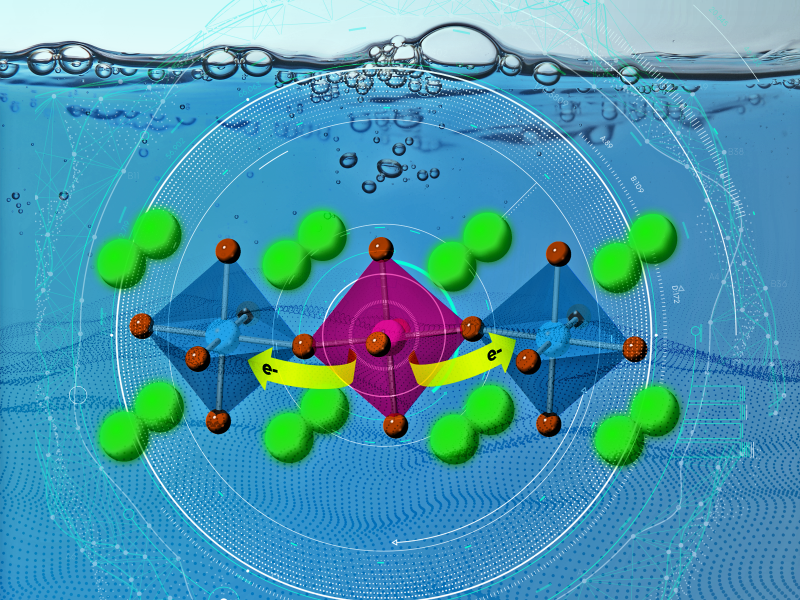
Creating films with atomic precision allows researchers moving to the Energy Sciences Center to identify small, but important changes in the materials.
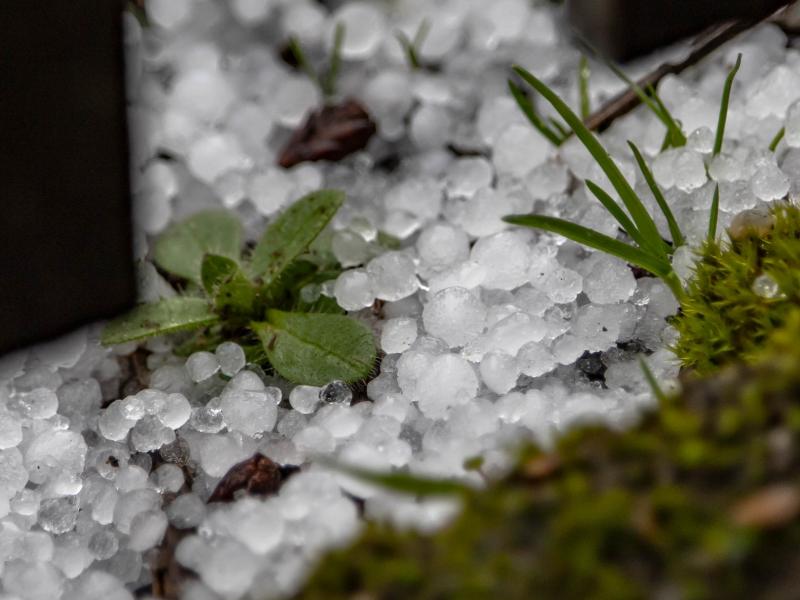
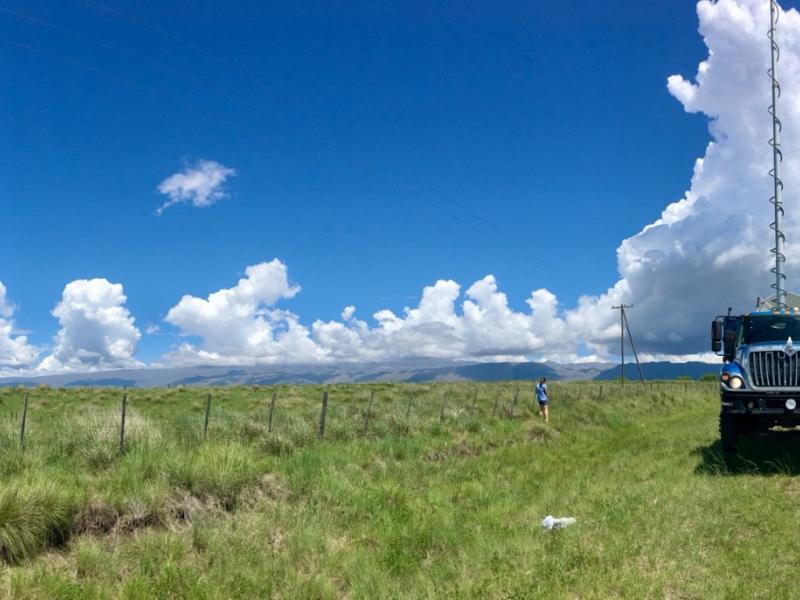
Four factors, the El Niño-Southern Oscillation, North Atlantic subtropical high, low-level jet, and water vapor transport from Gulf of Mexico, primarily influence hail occurrence in the Northern Great Plains
Zhaoqing Yang, chief scientist for coastal ocean modeling at PNNL in Sequim, WA, was recently selected to serve as the lead guest editor for a special issue of the Renewable Energy journal.
Leung was honored for pioneering approaches in climate modeling, discovering unexpected impacts of regional climate change, and understanding extreme weather events and their future changes.
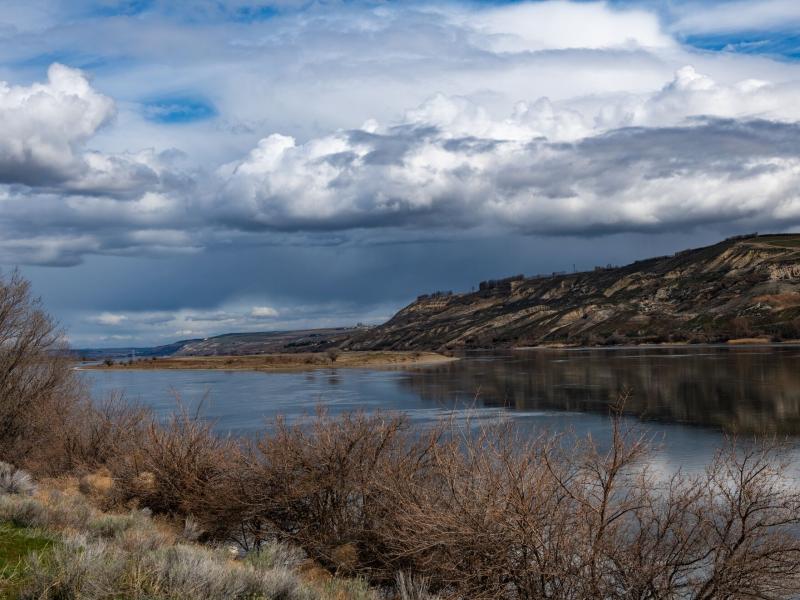
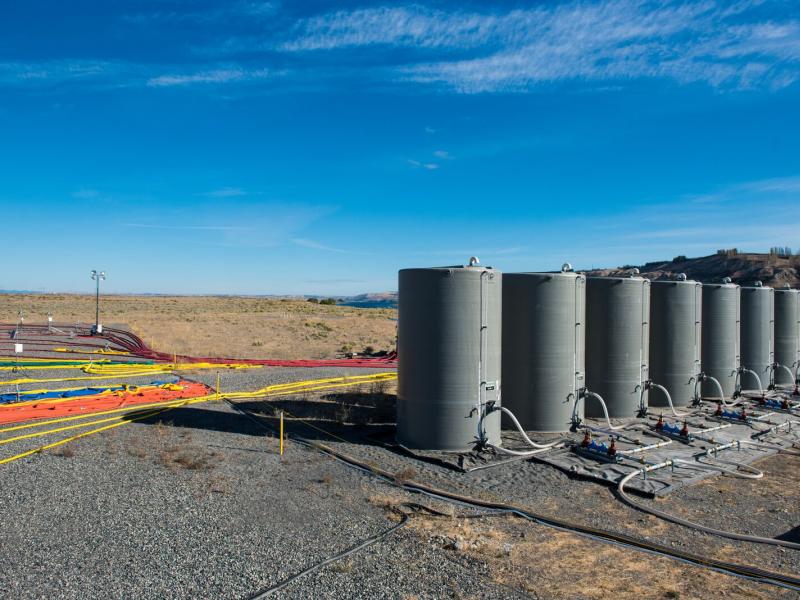
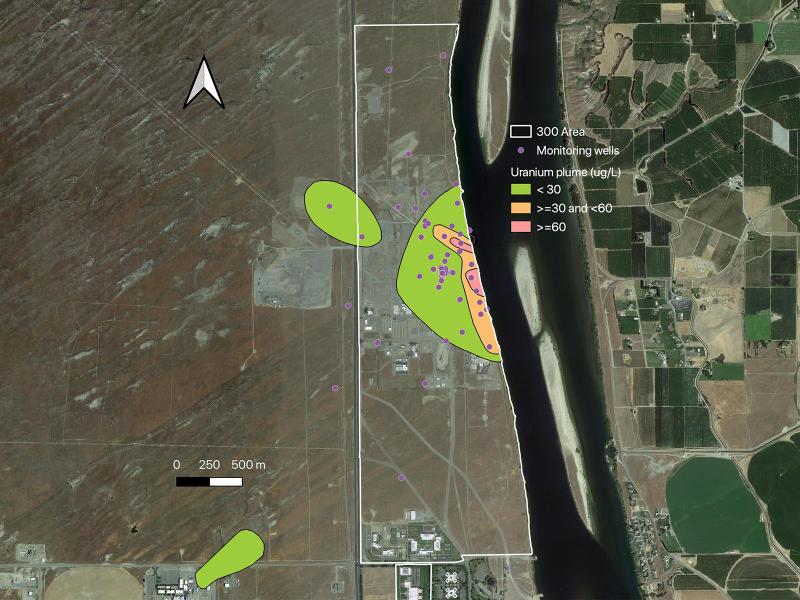
Integrating hydrogeology and biogeochemistry are required to model the dynamics of geochemical processes occurring in river corridor zones where groundwater and surface water mix.
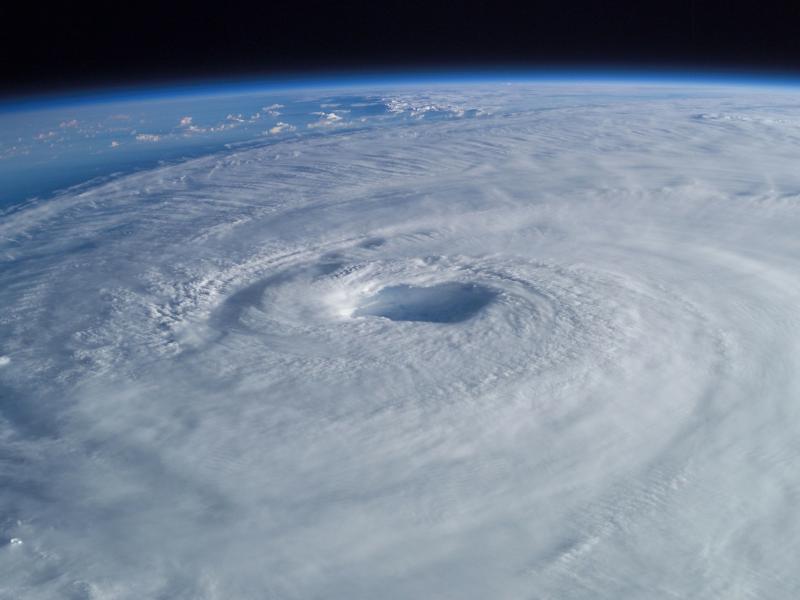
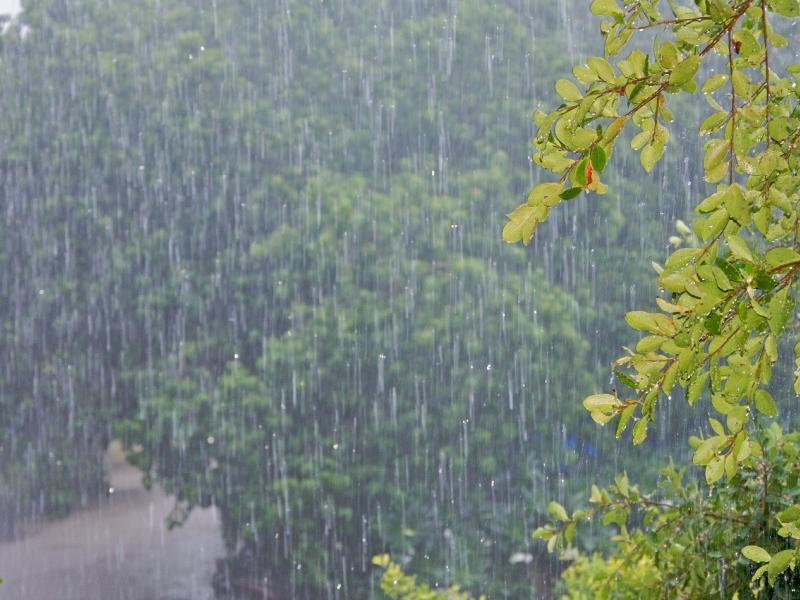
An observed delay in the onset of tropical rainfall from 1979 – 2019 supports a hydrological sign of global warming seen in projections of the future from models.
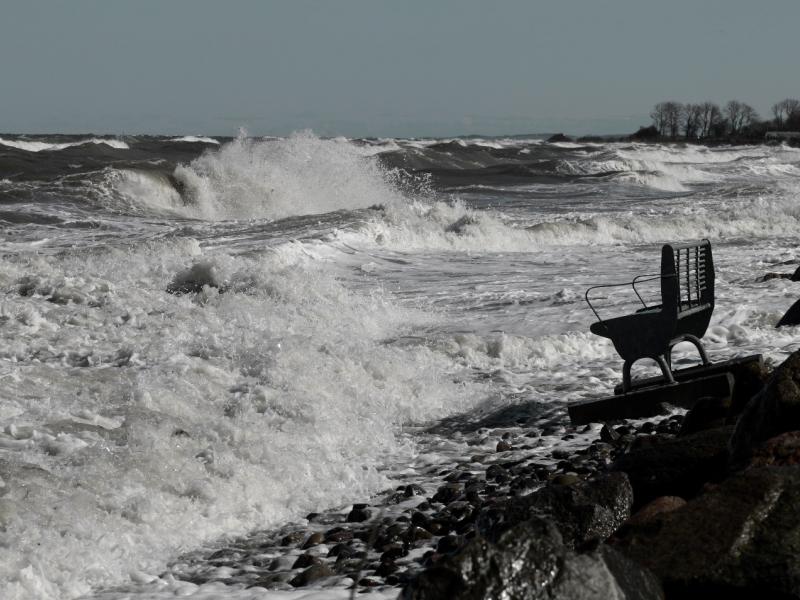
New estimates show that coastlines around the world will experience an increase in the frequency of extreme sea level events at a range of global warming levels.
PNNL’s Sequim campus hosts underrepresented students and teachers from Washington State’s Olympic peninsula to nurture future researchers needed to create sustainable, culturally sensitive, marine energy technologies.