Researchers at PNNL examined heat pump water heater (HPWH) operation in Pacific Northwest residences, gaining insights into HPWH electricity use patterns. Part of the study captured trends during a COVID-19 stay-at-home order.
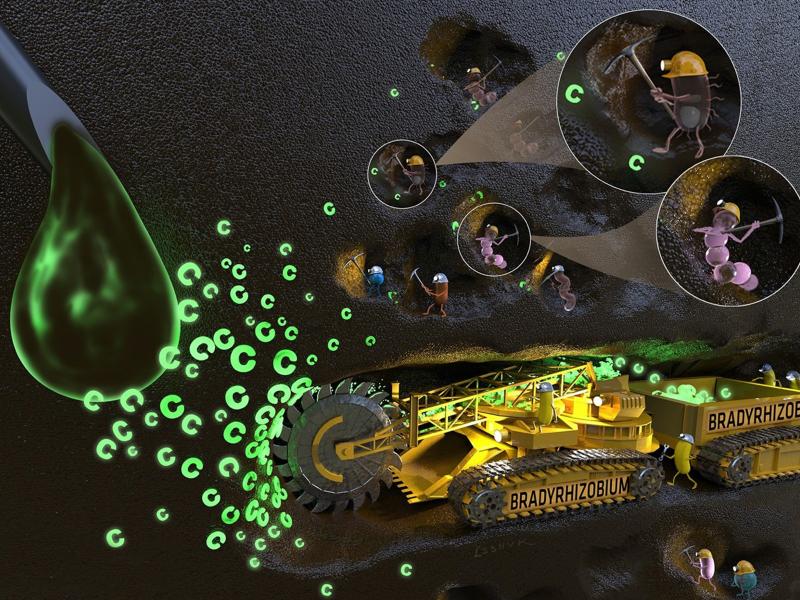
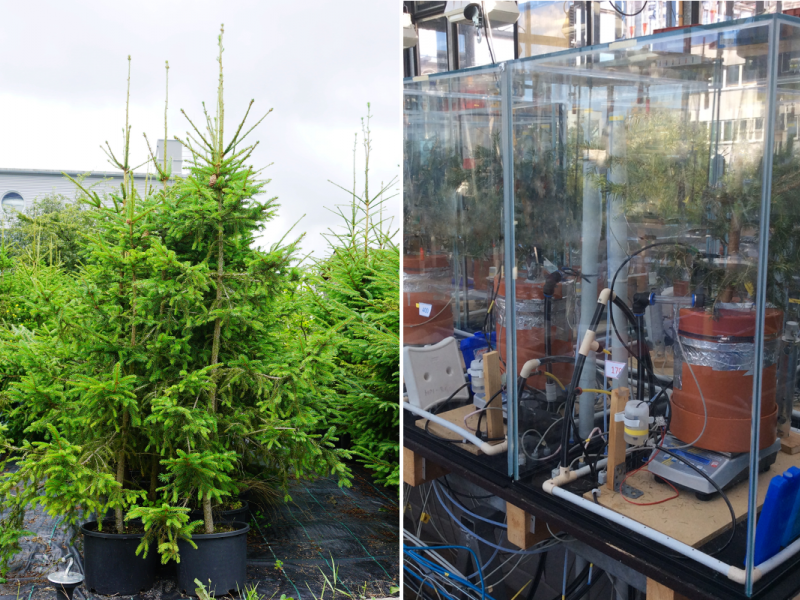
Knowing which bacteria in a community are involved with carbon cycling could help scientists predict how microbial carbon storage and release could influence future climate dynamics.
PNNL’s Mike Hochella receives Geochemical Society’s Patterson Award and ACS Geochemistry medal for discovery of toxic particles produced during coal combustion.
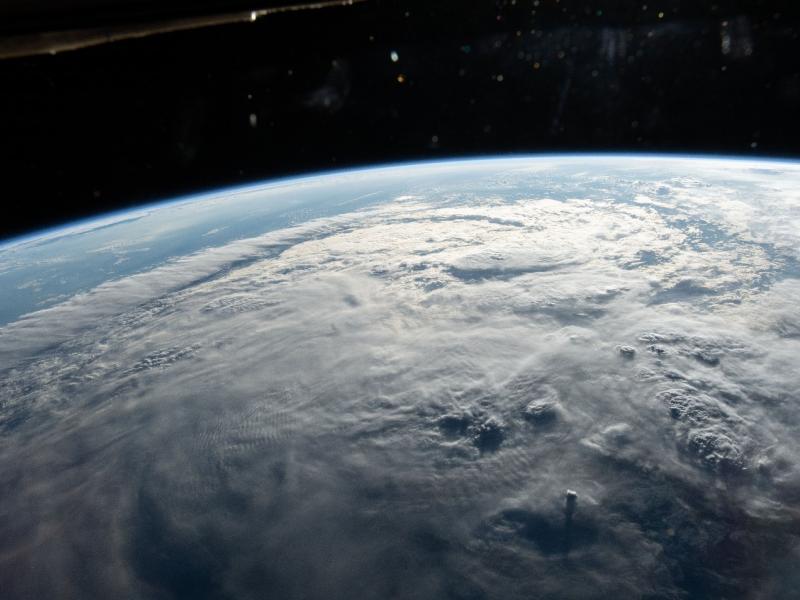
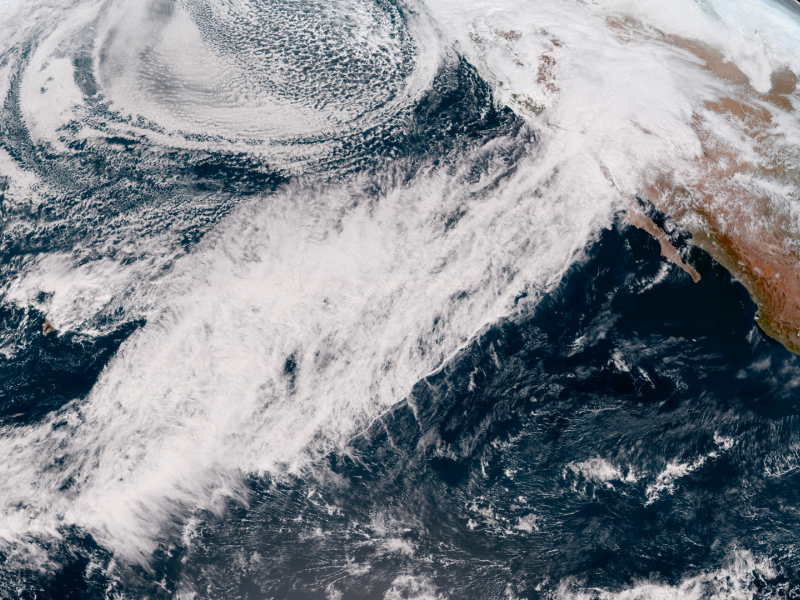
Differences in background moisture transport explain how climate variability modes influence the frequency of landfalling atmospheric rivers and their corresponding precipitation.
Sherman Beus, software engineer, Katie Dorsey, communications team writer and editor, and Brian Ermold, data ingest manager, receive 2021 Atmospheric Radiation Measurement User Facility Service Awards.
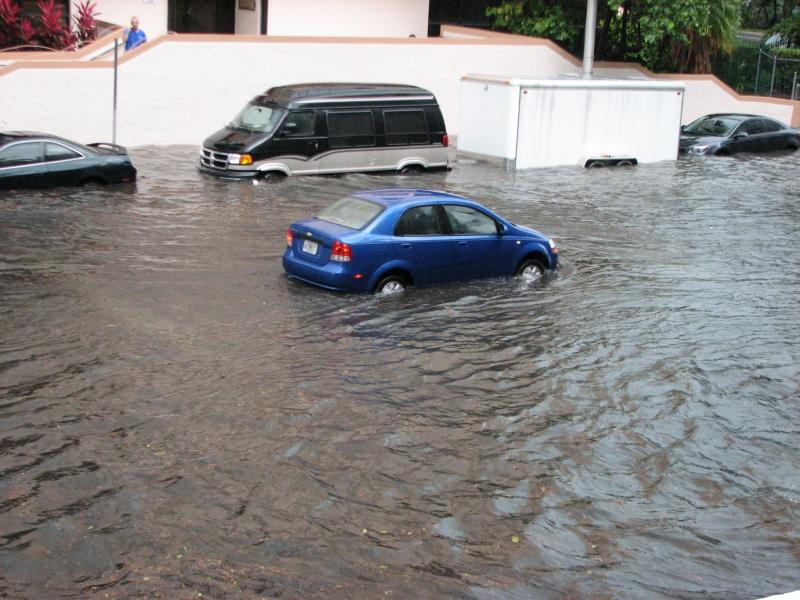
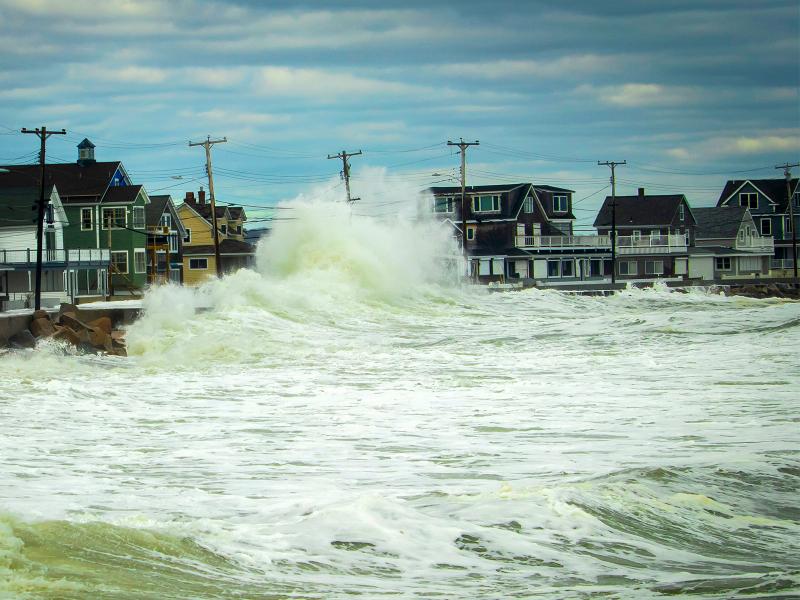
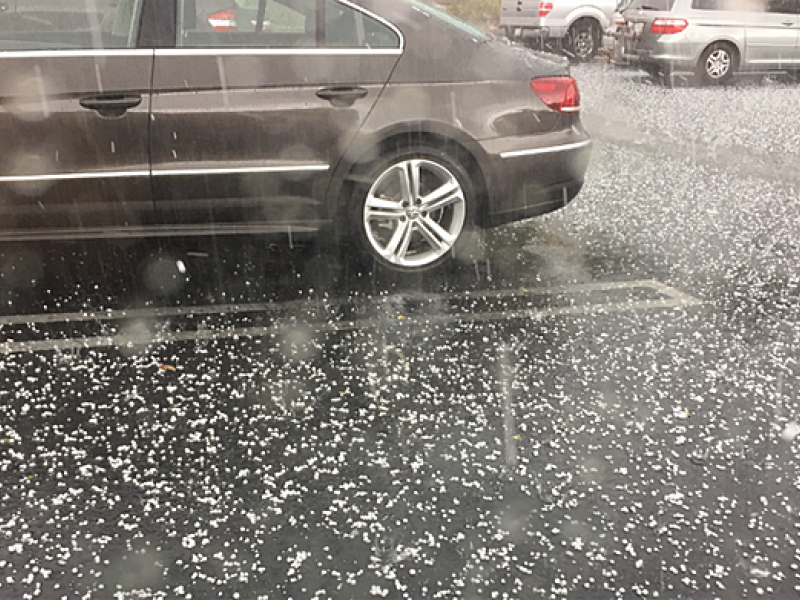
Examining flood occurrences associated with mesoscale convective systems and their characteristics allows researchers to explore climate-flood linkages.
Researchers developed two solutions for air-conditioning—a novel, energy-efficient dehumidification system and a technology to detect refrigerant leaks. Both help increase energy-efficiency and reduce costs.