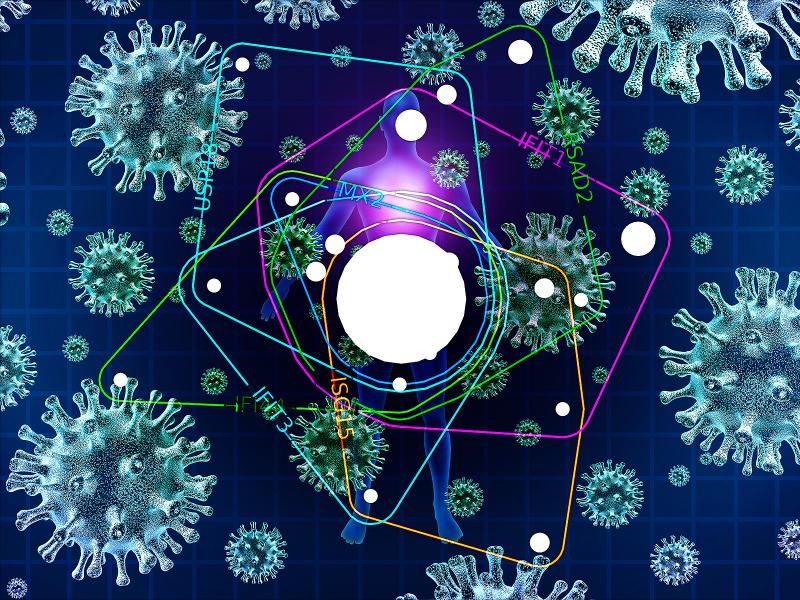
Using a large repository of blood samples from military personnel, PNNL and Uniformed Services University scientists have discovered a group of 13 proteins that could provide early detection of head and neck cancers.
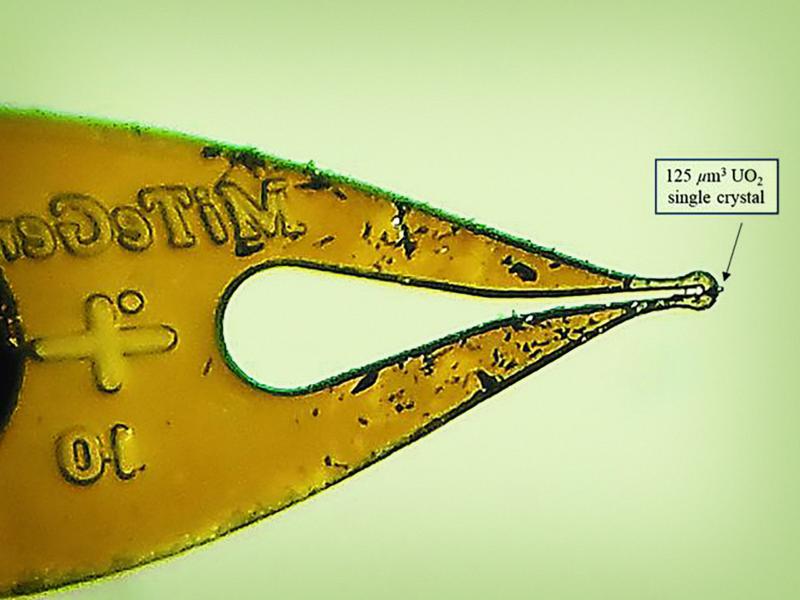
In recognition of Nuclear Science Week on Oct. 19-23, Pacific Northwest National Laboratory reflects on more than half a century of advancing nuclear science for the nation’s energy, environment, and security frontiers.
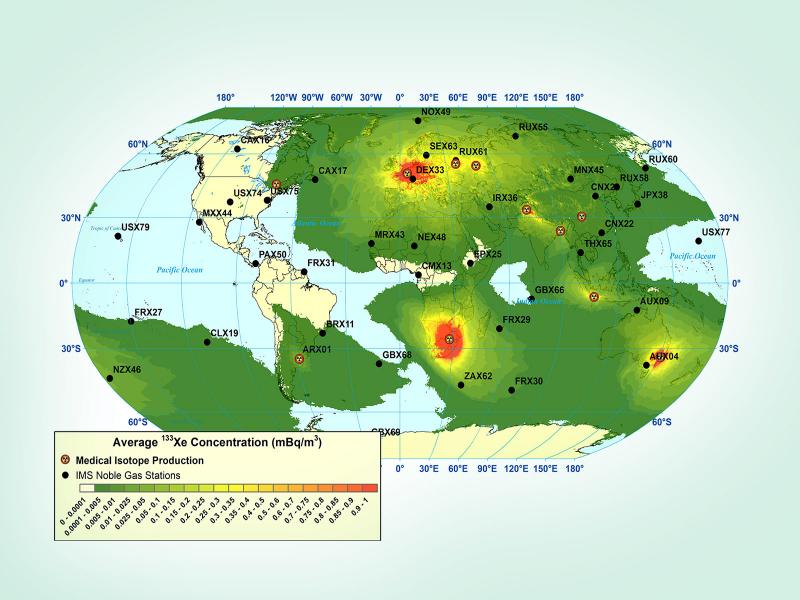
PNNL’s expertise is the foundation for monitoring technology that identifies trace amounts of radioactive materials and determines whether they are indicative of a nuclear explosion.
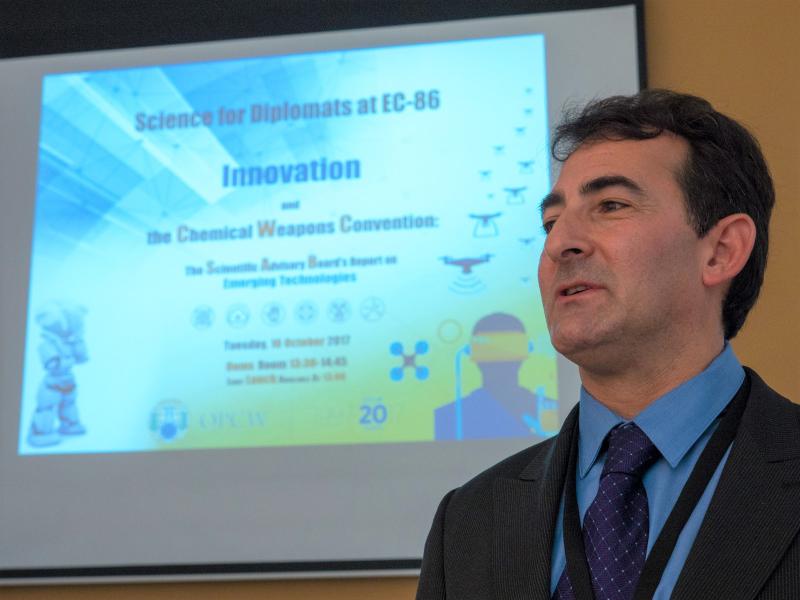
Jonathan Forman, science and technology advisor at Pacific Northwest National Laboratory, was announced as the winner of the Hall of Fame award in the innovator category by the Organisation for the Prohibition of Chemical Weapons.
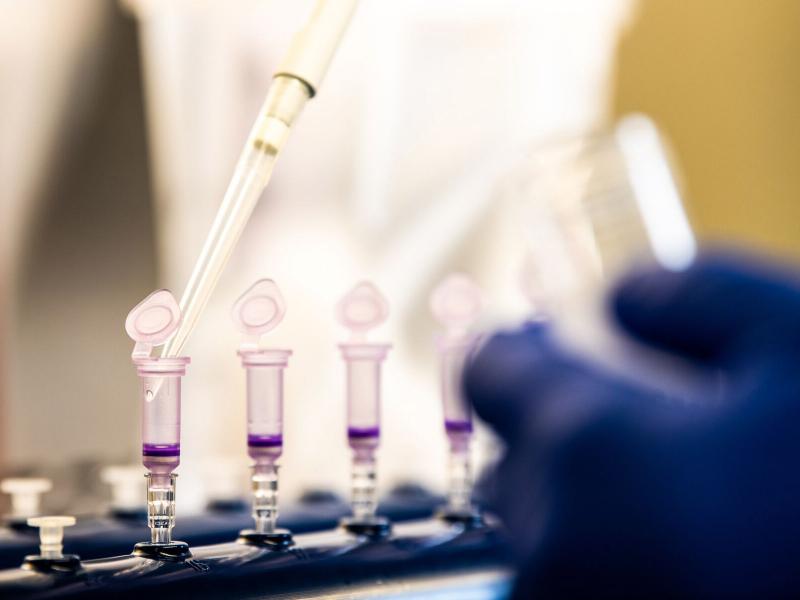
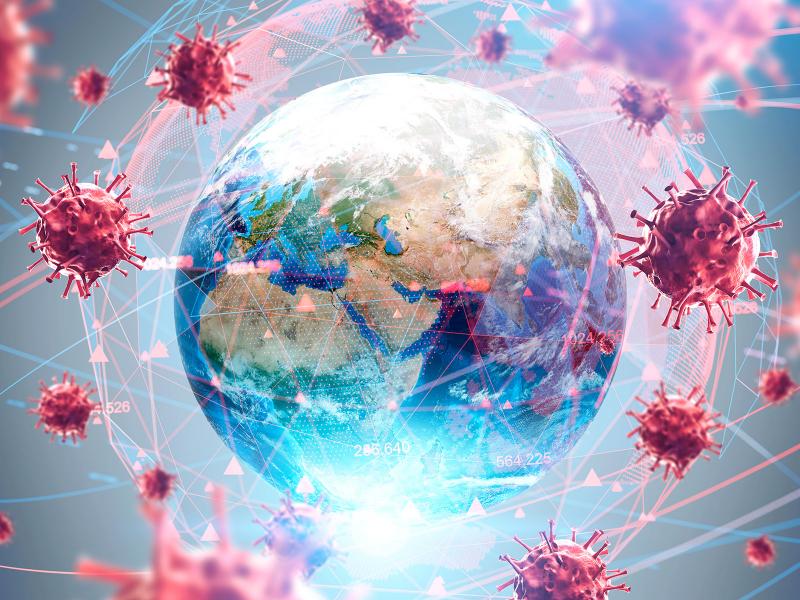
The nation’s ability to test for COVID-19 has expanded, thanks to work at Pacific Northwest National Laboratory, where scientists have established the performance of testing equipment to detect the virus.
Twelve researchers from PNNL presented at the 2020 Metabolomics Association of North America virtual conference in mid-September. Their presentations included a plenary talk, keynote talks, oral presentations, posters, and a lightning talk.
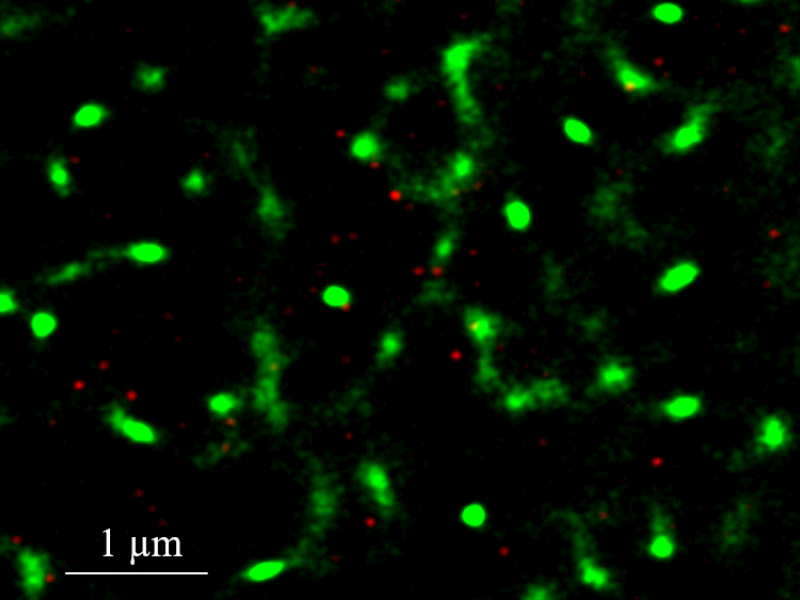
Pacific Northwest National Laboratory (PNNL) is part of a continuing National Science Foundation (NSF) team investigating the environmental impact of nanoparticles at the molecular level.
To study the impact of accelerated dryland expansion and degradation on global dryland gross primary production (GPP,) PNNL and Washington State University researchers assessed GPP data from 2000-2014 and the CMIP5 aridity index (AI).
The National Nuclear Security Administration Graduate Fellowship Program has welcomed aboard the Class of 2020—53 graduate students placed (virtually for now) with offices across the nuclear security enterprise.
Contributions from researchers across Pacific Northwest National Laboratory (PNNL) were recently recognized in the preliminary findings of a Secretary of Energy Advisory Board (SEAB) report.
Scientists at PNNL have contributed much of the nuclear science that underlies an international monitoring system designed to detect nuclear explosions worldwide. The system detects radioxenon anywhere on the planet.
Researchers from PNNL have helped colleagues at OHSU identify lipid molecules required for Zika infection in human cells. The specific lipids involved could also be a clue to why the virus primarily infects brain tissue.
Biomedical scientist Brian Thrall co-edited the issue published in the journal NanoImpact. Three of the articles in the issue include multiple PNNL authors.
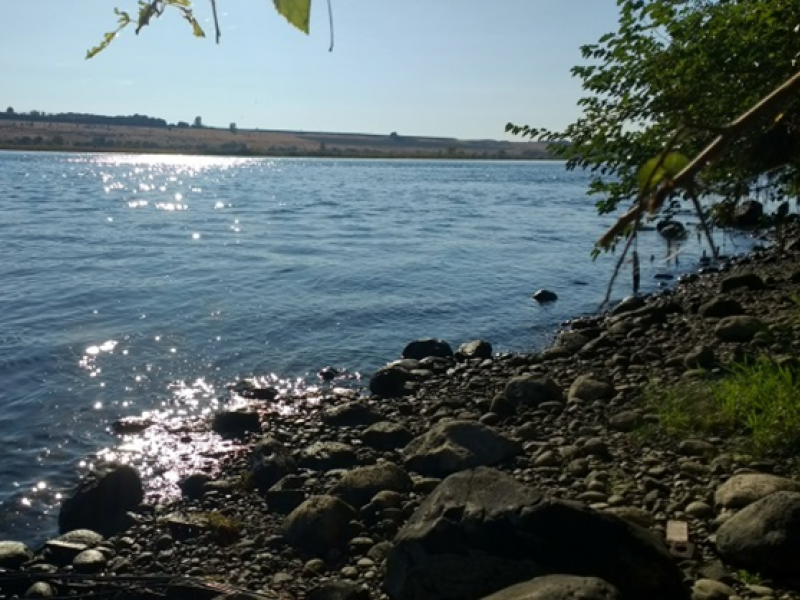
Researchers performed controlled laboratory experiments using river sediment to test organic matter thermodynamics as a mechanism of metabolic control in areas where groundwater and surface water mix.