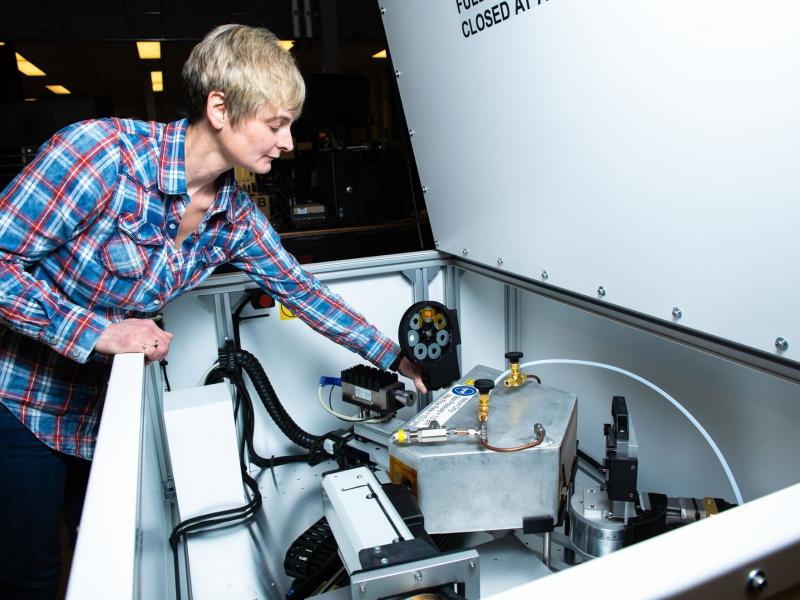
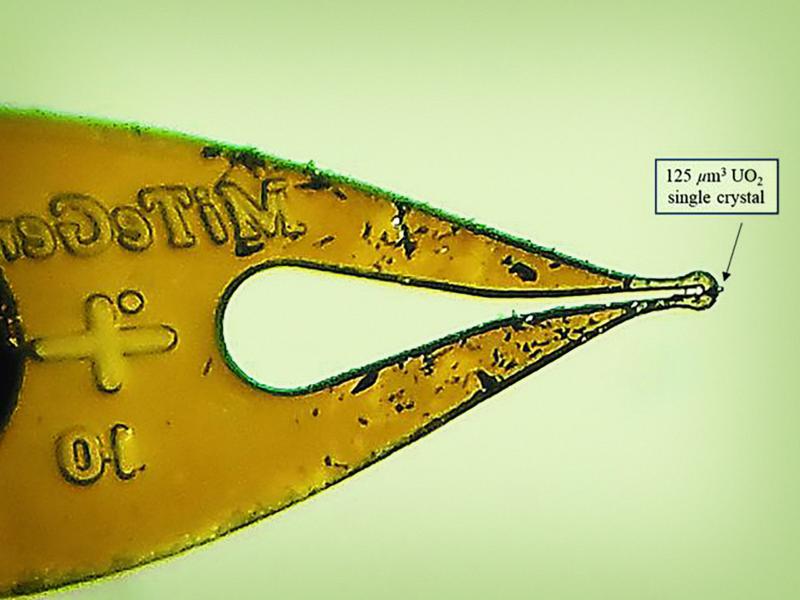
PNNL has three small-scale spectroscopy devices that are speeding up the testing and analysis of candidate novel materials used in energy storage research and environmental remediation.
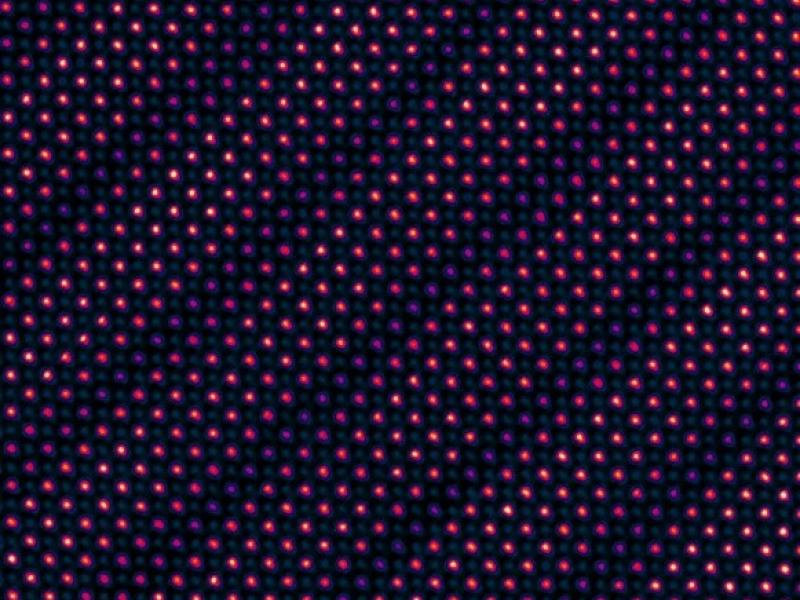
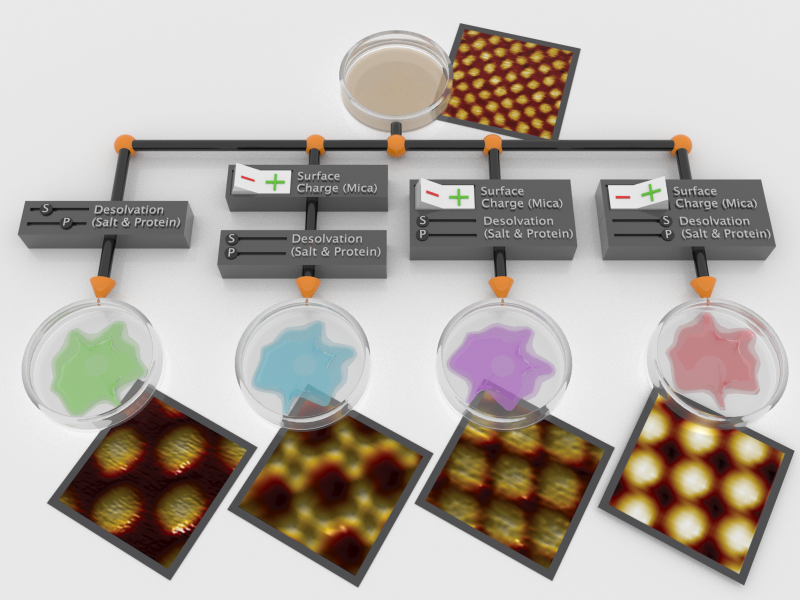
Writing in the journal Nature Chemistry, PNNL materials scientists Jim De Yoreo and Benjamin Legg provides context to new work showing how single atoms organize into clusters that seed crystal growth
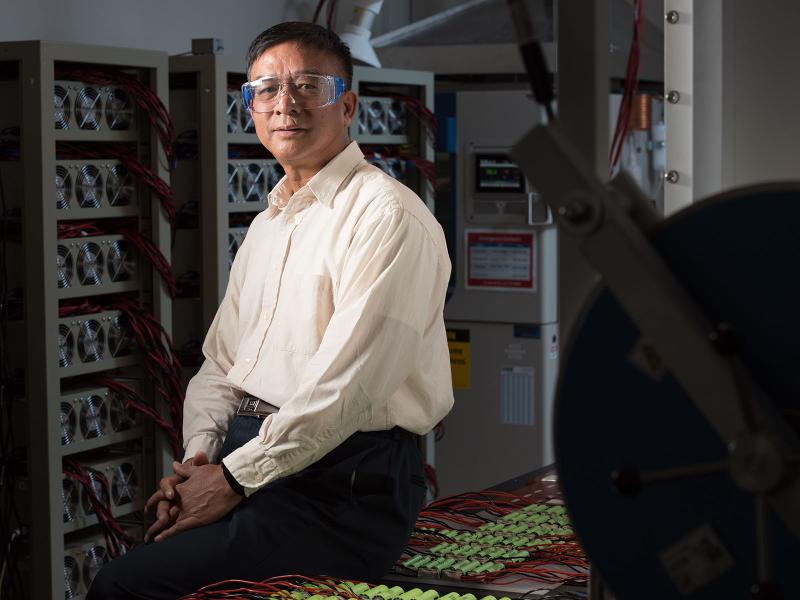
Researchers at PNNL have increased the conductivity of copper wire by about five percent via a process called Shear Assisted Processing and Extrusion. General Motors tested the wire for application in vehicle motor components.
Five PNNL technologies were recently awarded six R&D 100 honors. The R&D 100 Awards, now in its 58th year, recognize pioneers in science and technology from industry, the federal government, and academia.
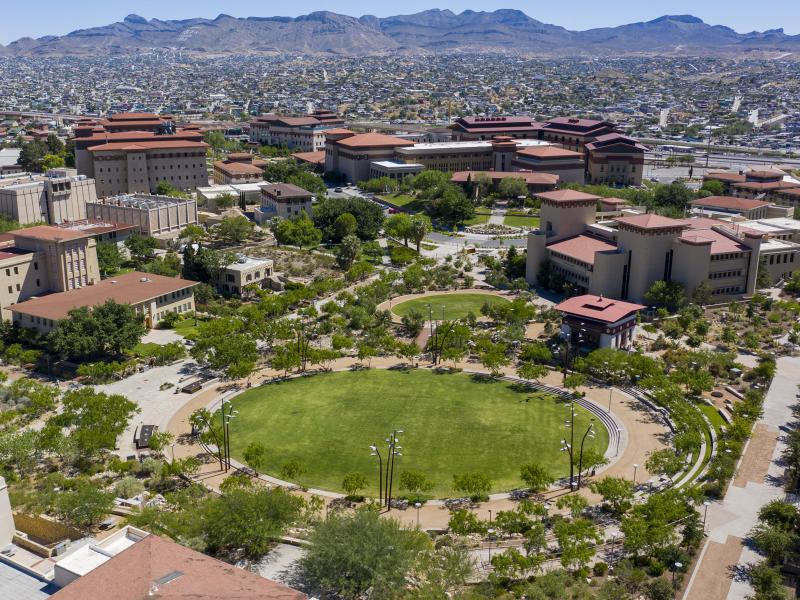
A new agreement between Pacific Northwest National Laboratory and The University of Texas at El Paso will create research and internship opportunities.
A team of researchers led by scientists from PNNL simulated carbon cycling and community composition during 100 years of forest regrowth following disturbance.
In a new review, PNNL researchers outline how to convert stranded biomass to sustainable fuel using electrochemical reduction reactions in mini-refineries powered by renewable energy.
This study examines the roles of the semi-annual variation of solar radiation and soil moisture on the Madden-Julian Oscillation (MJO) propagation across the Maritime Continent islands.
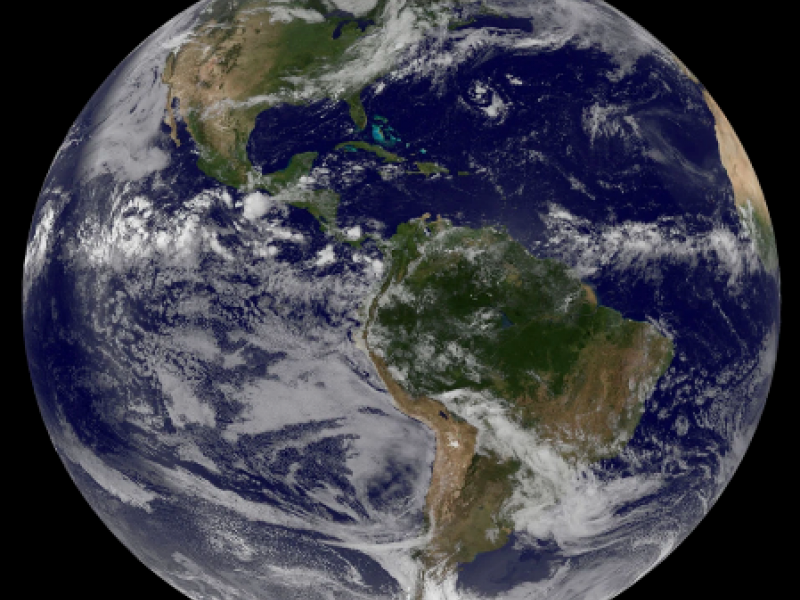
University of Maryland, NASA Goddard Space Flight Center, and PNNL scientists explored how radiation-cloud-convection-circulation interactions (RC3I) affect the Intertropical Convergence Zone (ITCZ) and circulation at the global scale.
A study led by scientists at PNNL points to a new frontier for understanding the coupled climate system from the perspective of a nonlinear dynamical system.
By quantifying the contribution of snowpack to runoff and extreme flooding in mountainous regions in the western United States, PNNL researchers provided a unified view of the interactions between snowpack and precipitation.