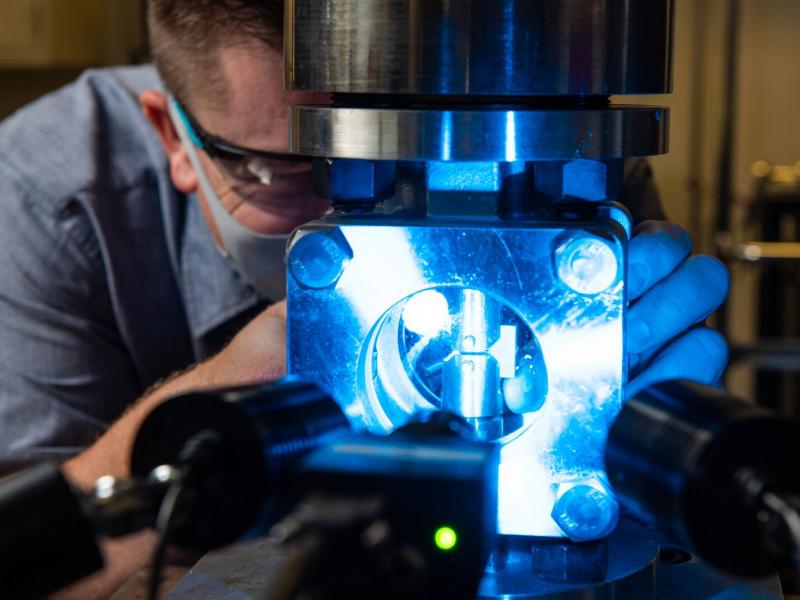
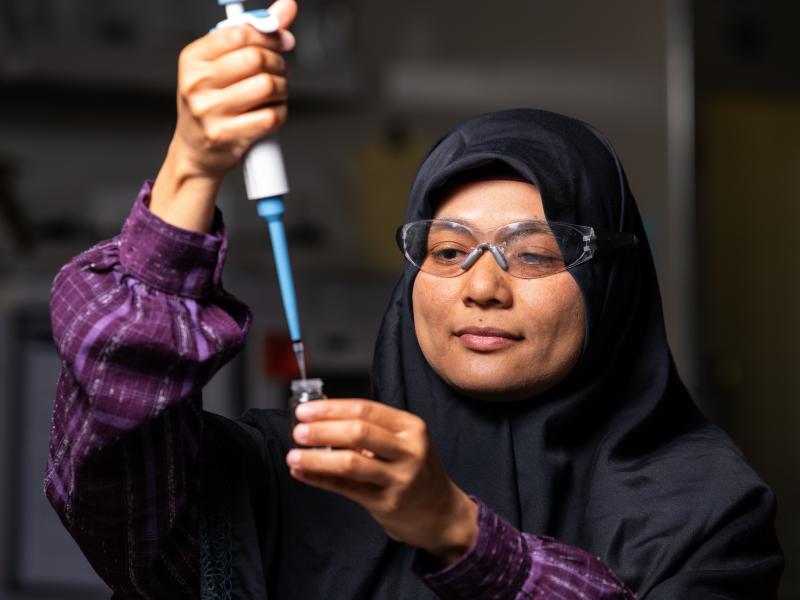
A collaboration among PNNL, Washington State University, and Tsinghua University has led to the discovery of a mechanism behind the decline in performance of an advanced copper-based catalyst.
Researchers gained insight into the interfacial radiation chemistry of radioactive waste sludge through studies of surface functional groups on model aluminum-containing solids
Research and development expertise aligns with national priorities in clean energy innovation and climate change mitigation. A workforce of 5,000 delivers scientific discovery, enables sustainable energy, and enhances national security.
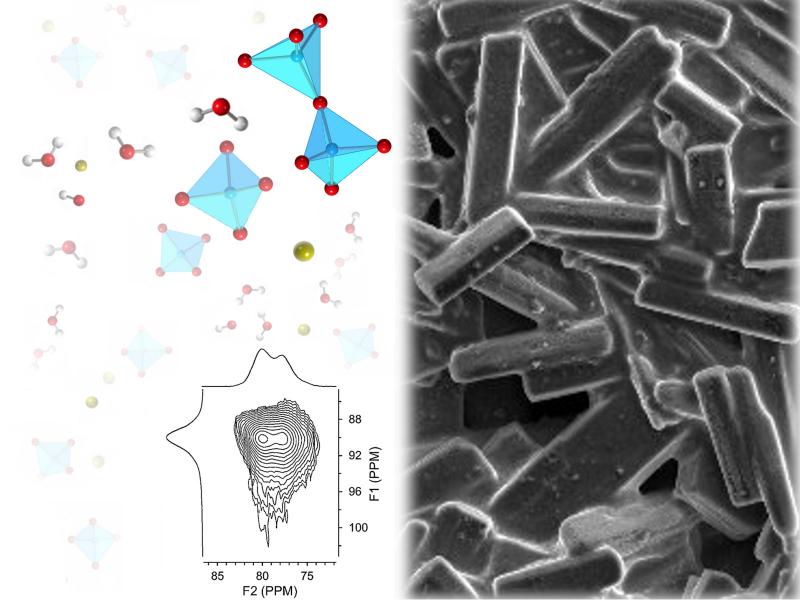
IDREAM researchers have discovered the chemical processes that underpin gibbsite solubility in sodium hydroxide, including sodium nitrate and sodium nitrite interactions.
Johnson is among the PNNL scientists preparing to move into the Energy Sciences Center, the new $90 million, 140,000-square-foot facility that is expected to open in late 2021.
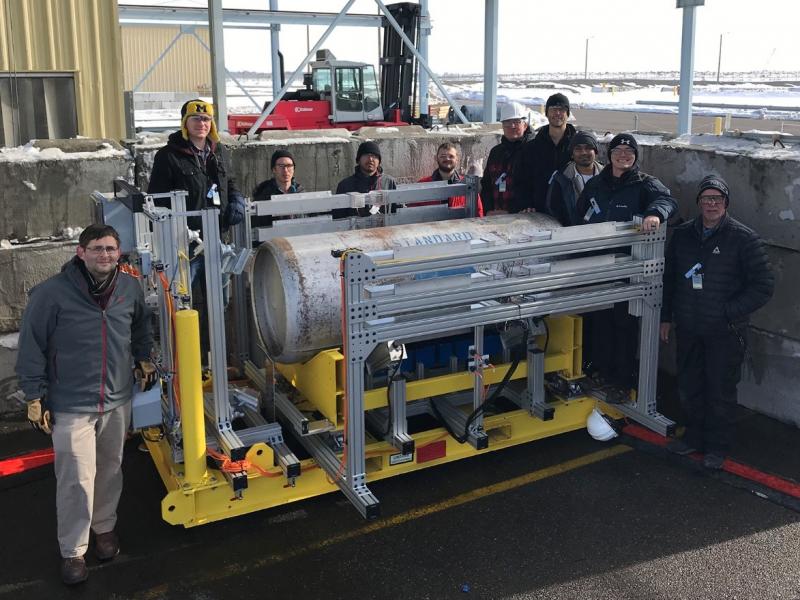
Three unused, 48,000-pound stainless steel canisters arrived at PNNL, bringing the chance to deepen research in spent nuclear fuel storage and transportation.
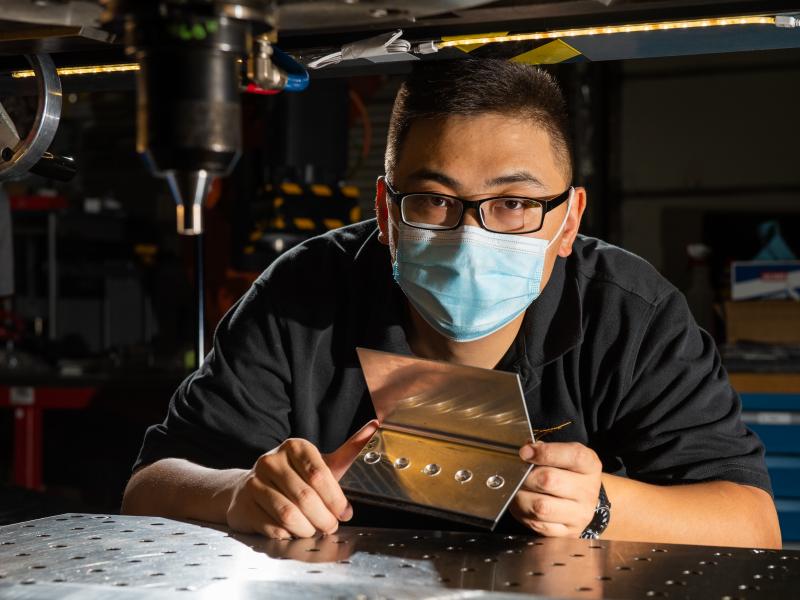
Joint appointee and chief scientist for the Solid Phase Processing Science Initiative at PNNL Suveen Mathaudhu has been awarded a Brimacombe Medal by The Minerals & Materials Society.
PNNL highlights four researchers whose joint appointments are creating new and diverse opportunities for expanding knowledge and scientific impact across institutions.
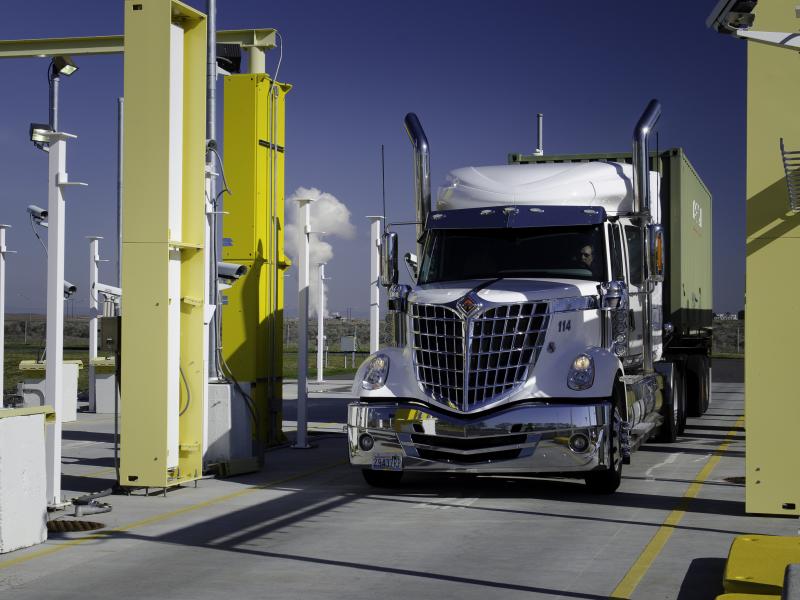
Sentry-SECURE is a new communication and response platform developed by PNNL, VPI, and Microsoft Azure that rapidly and securely transfers radiological alarm data through the cloud.
New facility that will accelerate energy storage innovation and make the nation’s power grid more resilient, secure and flexible has been given the green light to proceed by the U.S. Department of Energy.