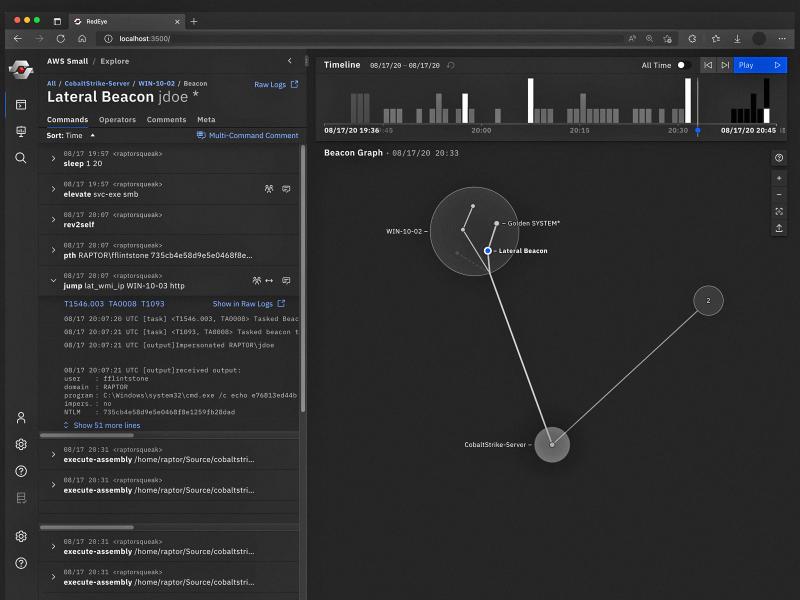
Based on the early success of CHIRP and the urgency to build the future cybersecurity workforce, the program recently received five million dollars in funding through the FY23 Defense Appropriations Bill, via SSC.
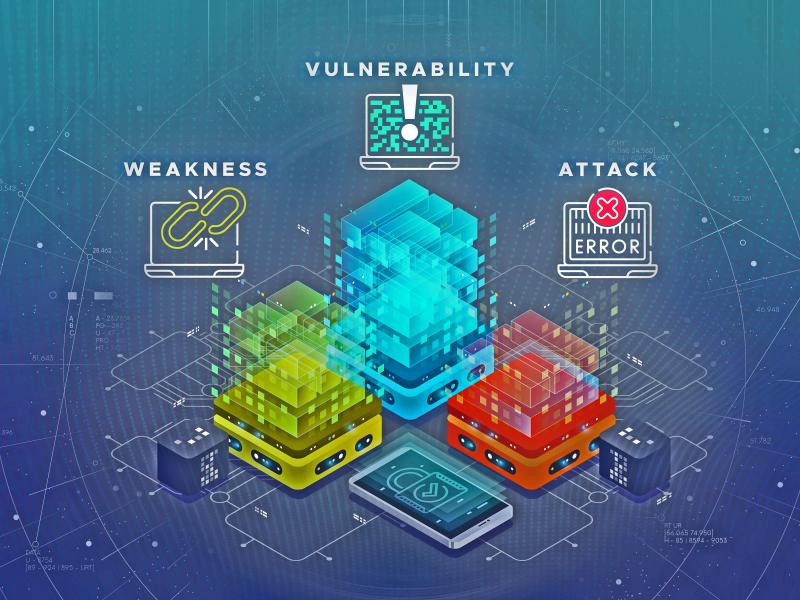
The Public Infrastructure Security Cyber Education System is a university-community-nonprofit collaboration changing cyber education and cybersecurity.
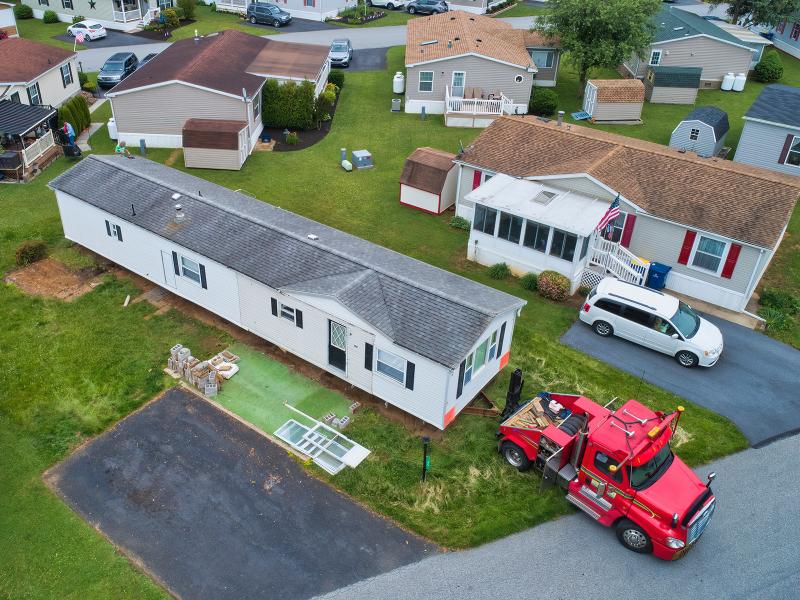
The Department of Energy has issued updated energy conservation standards for manufactured homes. The effort to establish the standards, supported by PNNL, is expected to result in a range of benefits for the manufactured housing sector.
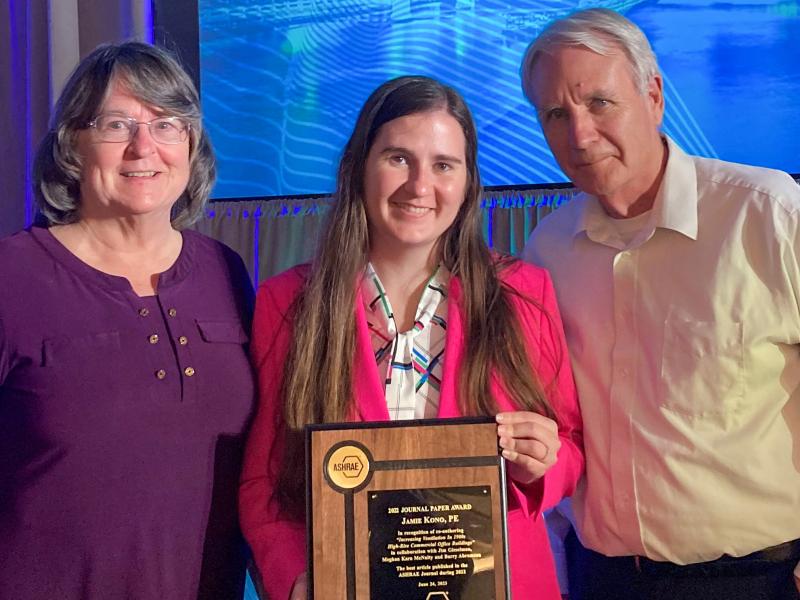
PNNL’s Reid Hart and Bing Liu have earned individual Champions of Energy Efficiency in Buildings awards from the American Council for an Energy-Efficient Economy.
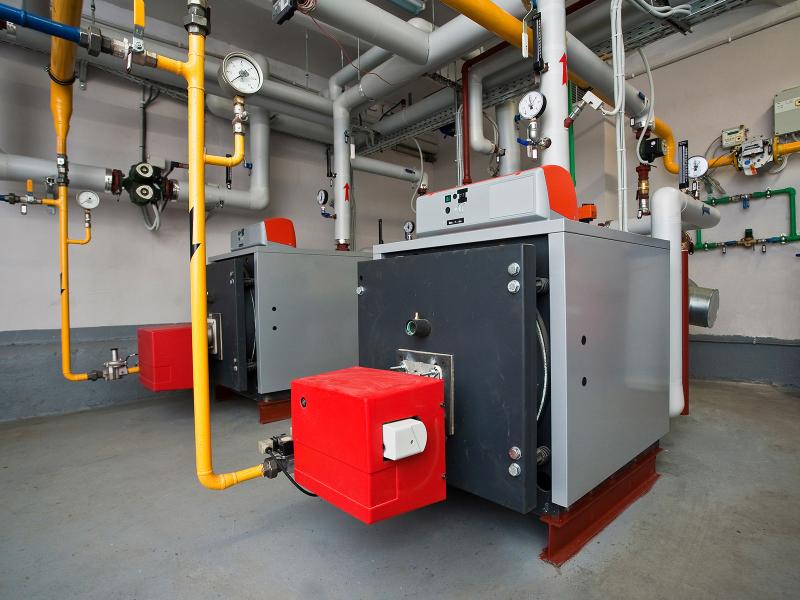
PNNL worked with the Department of Energy on the Commercial Packaged Boiler rule, which will help reduce energy use, enhance the environment, and save dollars.
From water purification, to better batteries and tools to foil a cyberattack—a look back at how PNNL helped to invent a brighter and better future over the last year.
Electrical engineer Aditya Ashok and cybersecurity researcher Thomas Edgar win best paper award for their work to create a new high-fidelity dataset that will help advance cybersecurity solutions for critical infrastructure protection.
PNNL has received 119 R&D 100 Awards since 1969, when the laboratory began submitting entries in the contest that recognizes top 100 inventions each year.
Researchers at PNNL examined heat pump water heater (HPWH) operation in Pacific Northwest residences, gaining insights into HPWH electricity use patterns. Part of the study captured trends during a COVID-19 stay-at-home order.