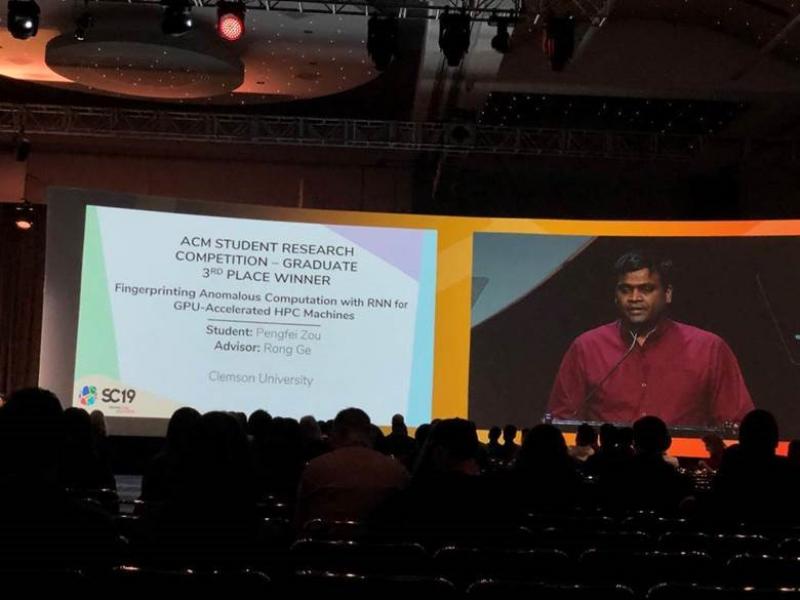
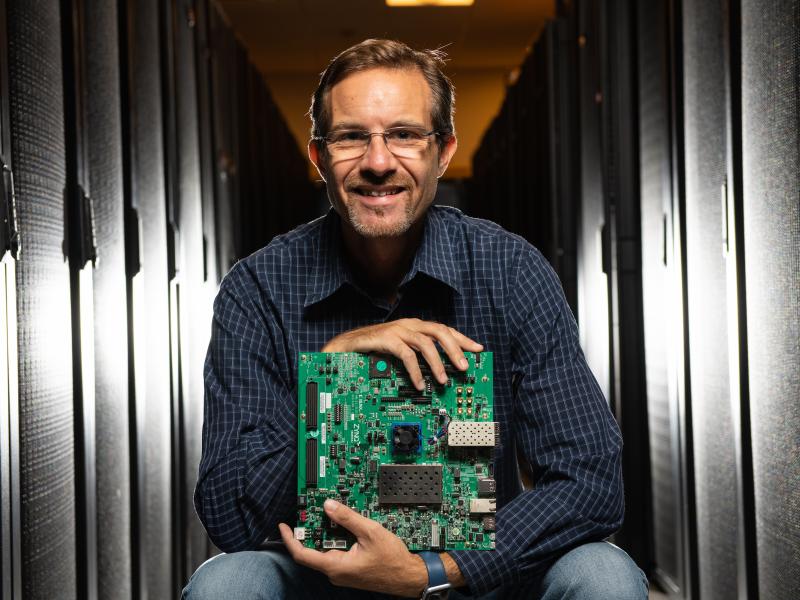
A student computing security research project guided by PCSD computer scientists Ang Li and Kevin Barker placed third among dozens of entries in the student research poster session at SC19, a premier annual conference for high-performance c
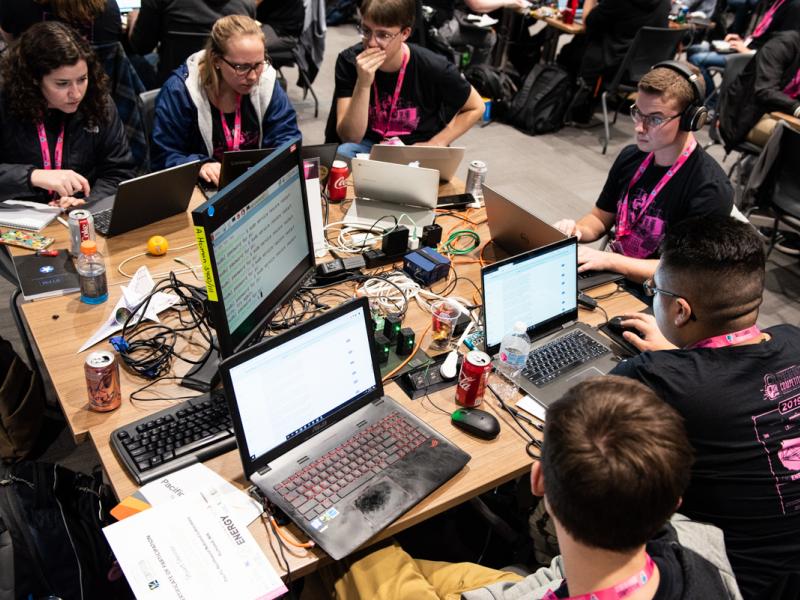
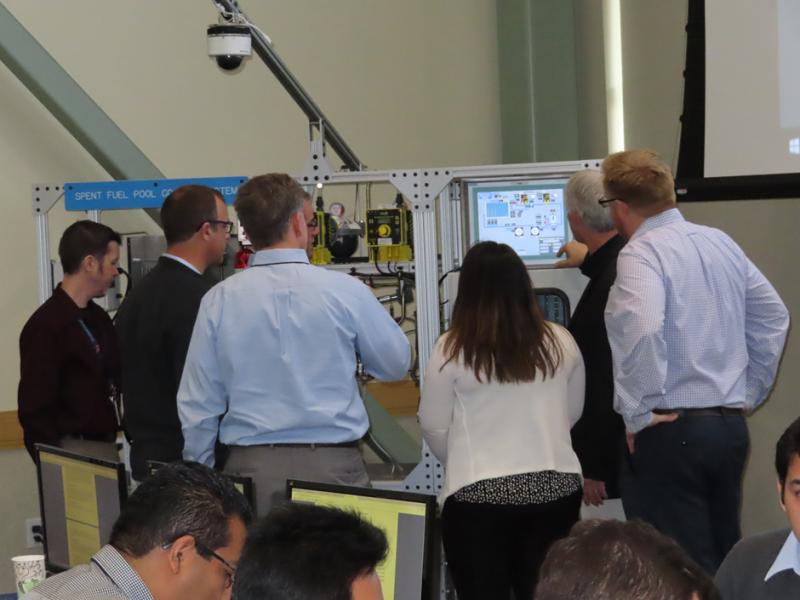
Seventeen teams from regional colleges and universities gathered at PNNL Nov. 16 to put their cyber skills to the test by protecting critical energy infrastructure against simulated cyberattacks as part of DOE's CyberForce Competition.
Advancements such as LEDs have changed consumers’ experience with lighting. Whereas there was once a simple choice of how much light a consumer desired, there’s now a variety of choices to be made about the appearance of light.
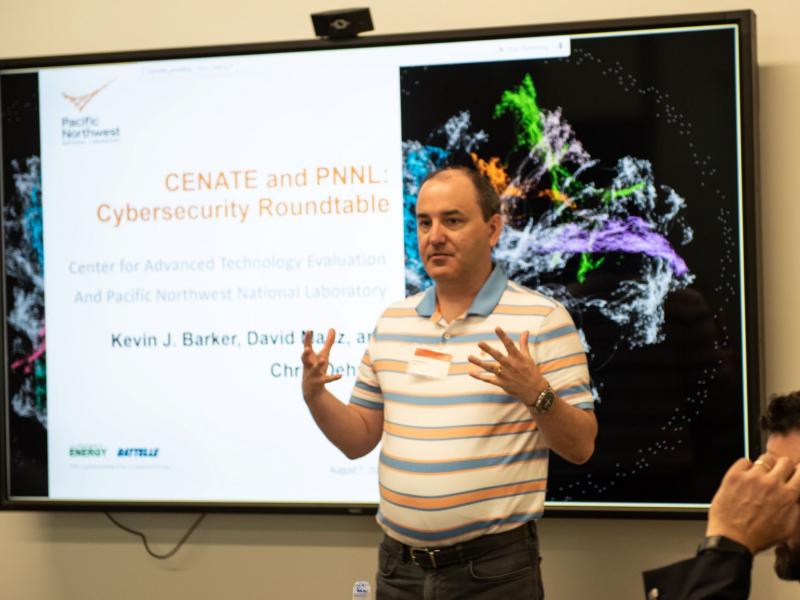
Pacific Northwest National Laboratory is leading efforts to address next-generation computing’s critical role in protecting the nation from cybersecurity threats.
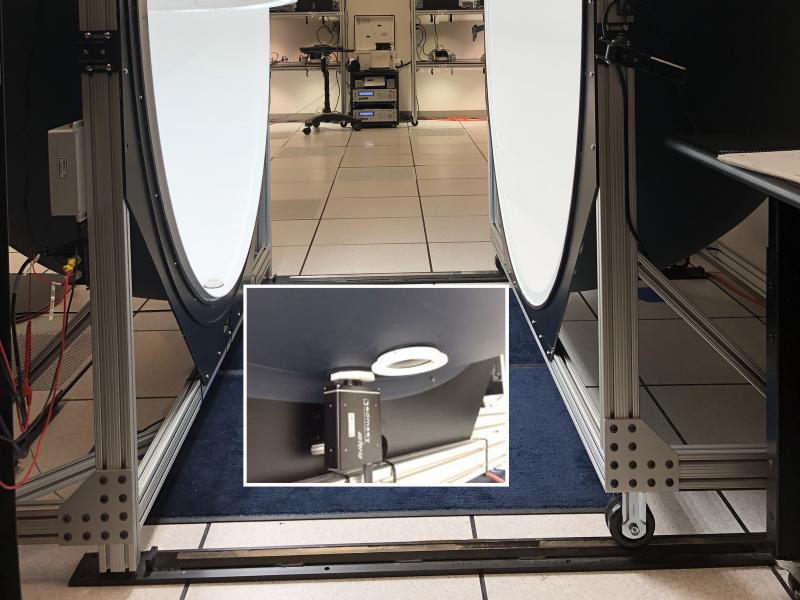
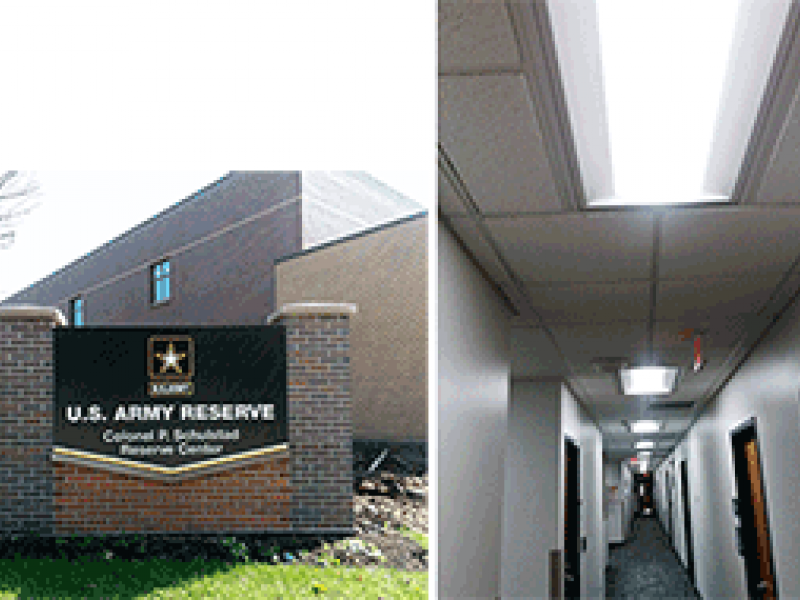
A staple in horror movies, flickering lights can also summon potential human health and productivity concerns. PNNL studied hand-held meters that measure flicker, and the results could improve future measurement and lighting strategies.
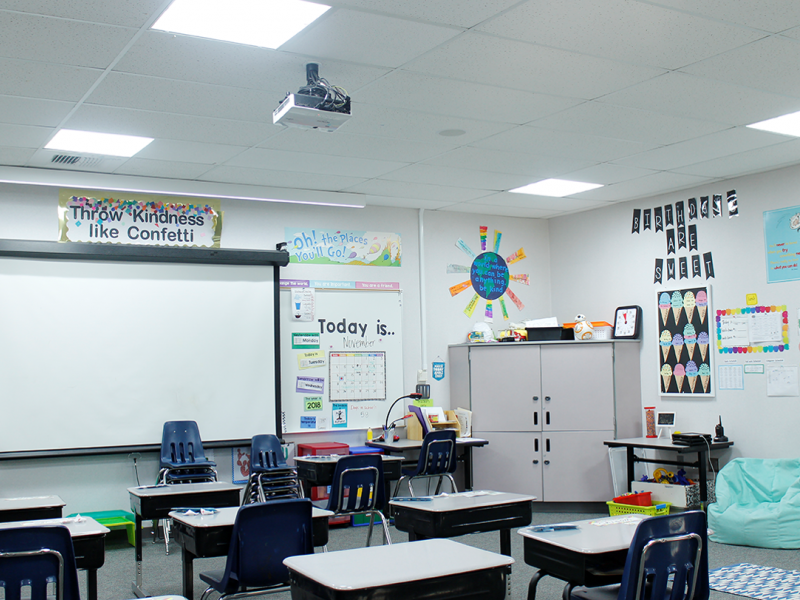
PNNL’s Solid State Lighting program evaluated the energy and photometric performance of adjustable LED lighting systems installed in three California classrooms as part of a GATEWAY study.
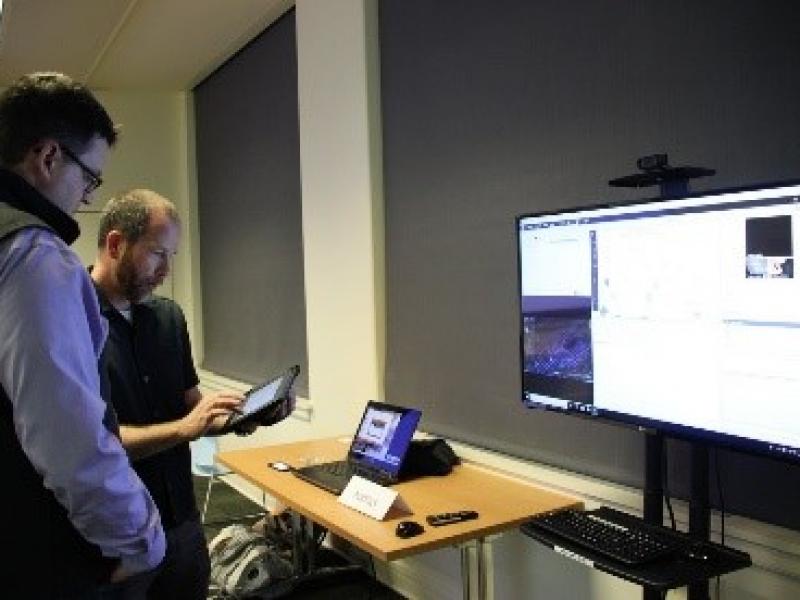
In November, Northeastern University Seattle (NU-Seattle) hosted "Smart Cities: Critical Infrastructure Protection" to explore technology and policy opportunities and challenges facing the smart city evolution.