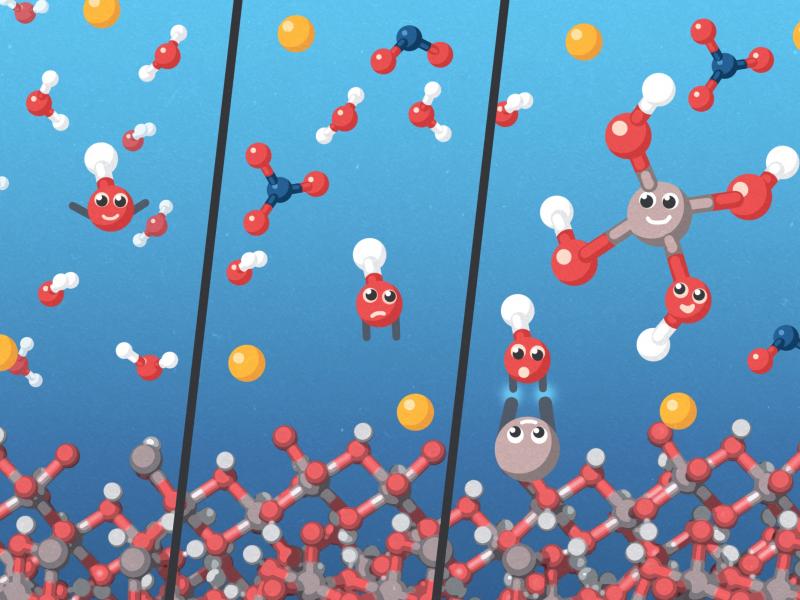
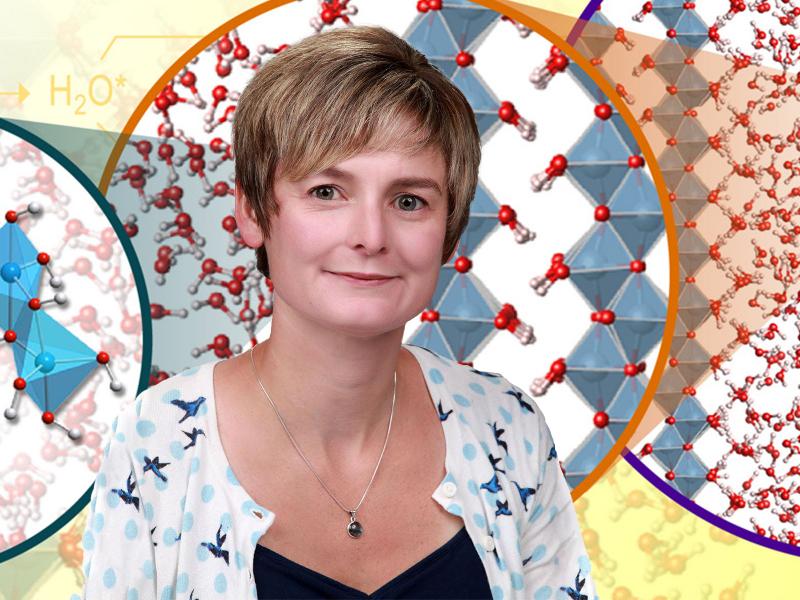
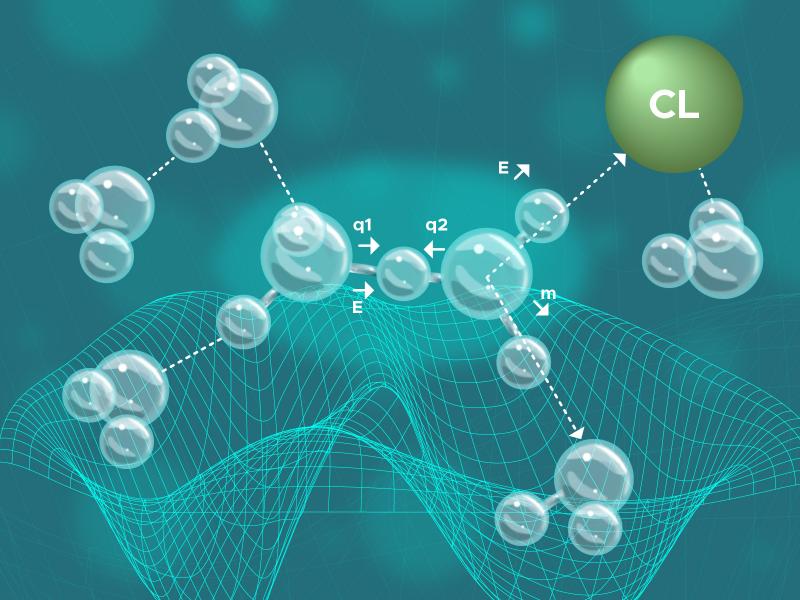
IDREAM researchers have discovered the chemical processes that underpin gibbsite solubility in sodium hydroxide, including sodium nitrate and sodium nitrite interactions.
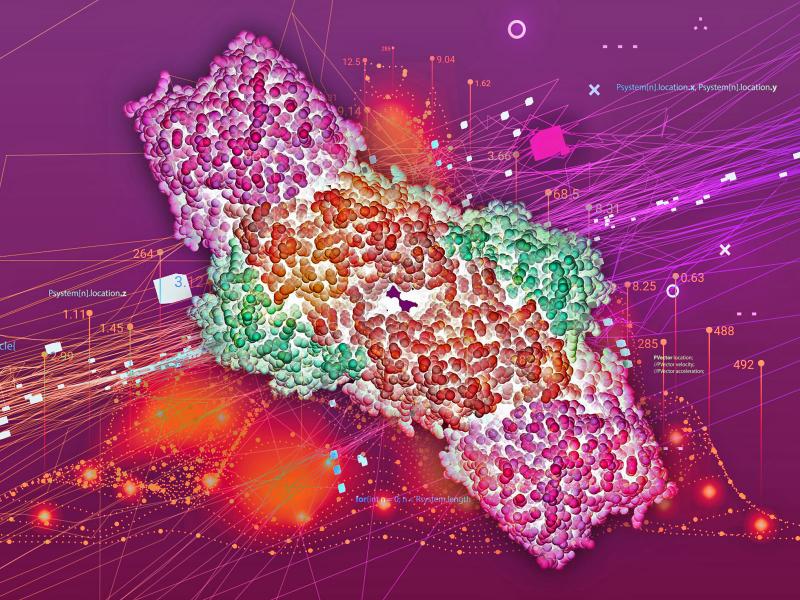
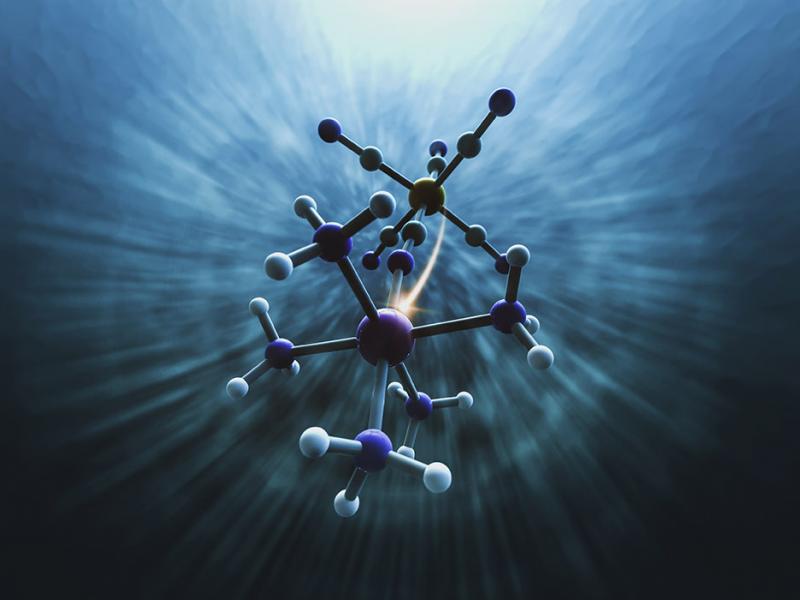
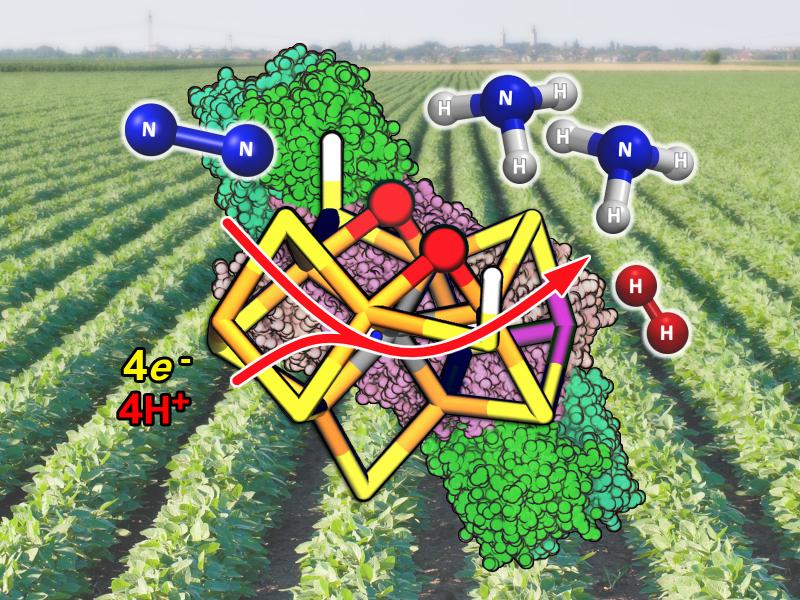
With quantum chemistry, researchers led by PNNL computational scientist Simone Raugei are discovering how enzymes such as nitrogenase serve as natural catalysts that efficiently break apart molecular bonds to control energy and matter.
Study says planners need to account for climate impacts on renewable energy during capacity development planning to fully understand investment implications to the power sector.
High school students from across Washington State competed in the Pacific Northwest Regional Science Bowl, hosted online by PNNL, for a chance to advance to the national competition in May.
Johnson is among the PNNL scientists preparing to move into the Energy Sciences Center, the new $90 million, 140,000-square-foot facility that is expected to open in late 2021.
For the second straight year, PNNL researchers are featured in a special edition of the Journal of Information Warfare. This issue explores the topic of macro cyber resiliency.
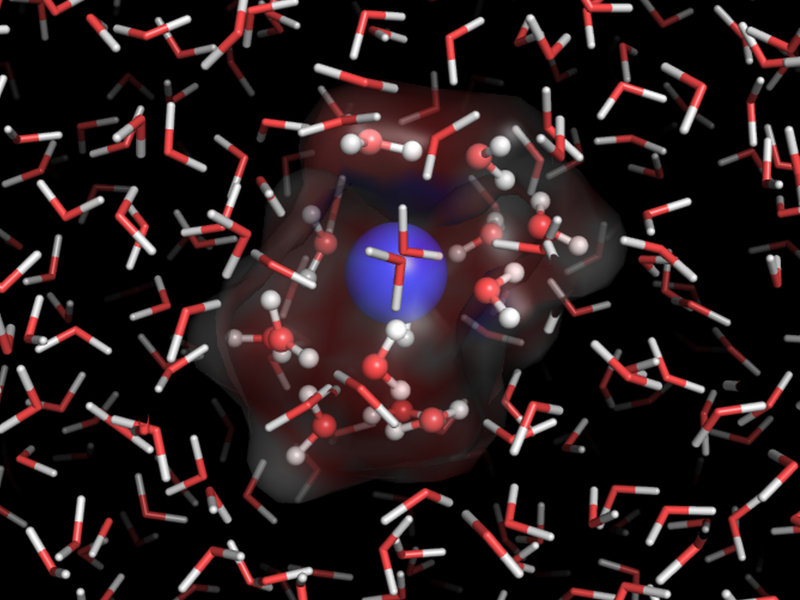
By combining state-of-the-art computational and experimental approaches, researchers have begun to resolve the effects of solvent molecules on electron transfer.
One year ago, Verizon announced a partnership that made PNNL the U.S. Department of Energy’s first national laboratory with Verizon 5G ultra-wideband wireless technology.
Wendy Shaw, director of the Physical Sciences Division at PNNL, was selected to guest edit a special issue on (photo)electrocatalysis featured in January 2021 edition of the scientific journal ChemComm.
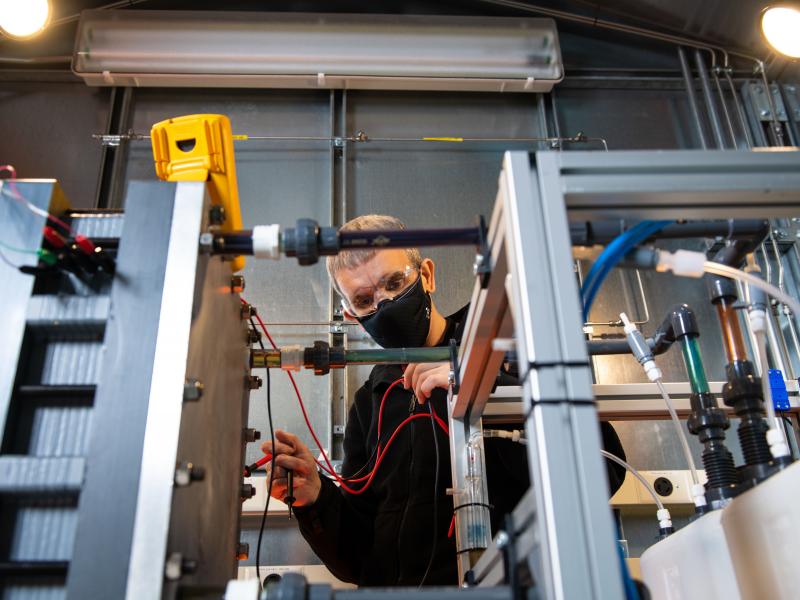
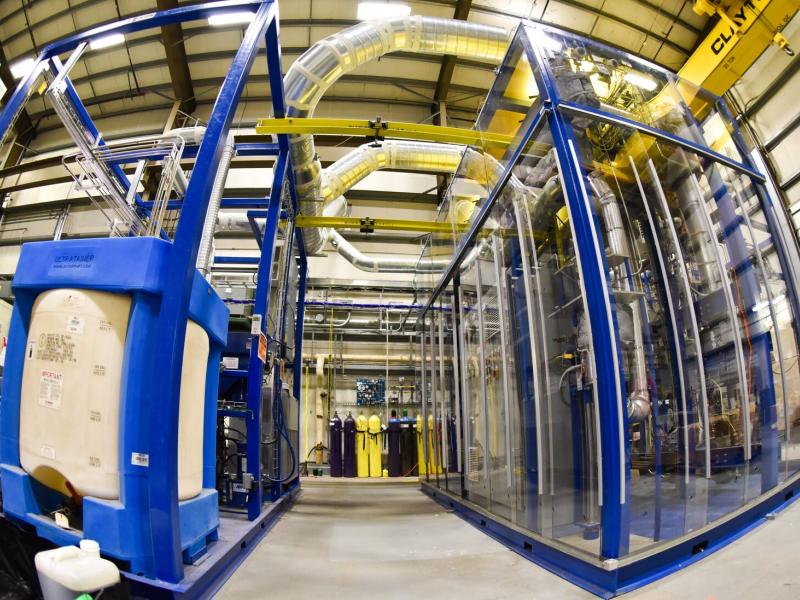
A demonstration converting biocrude to renewable diesel fuel has passed a significant test, operating for more than 2,000 hours continuously without losing effectiveness.
Sentry-SECURE is a new communication and response platform developed by PNNL, VPI, and Microsoft Azure that rapidly and securely transfers radiological alarm data through the cloud.