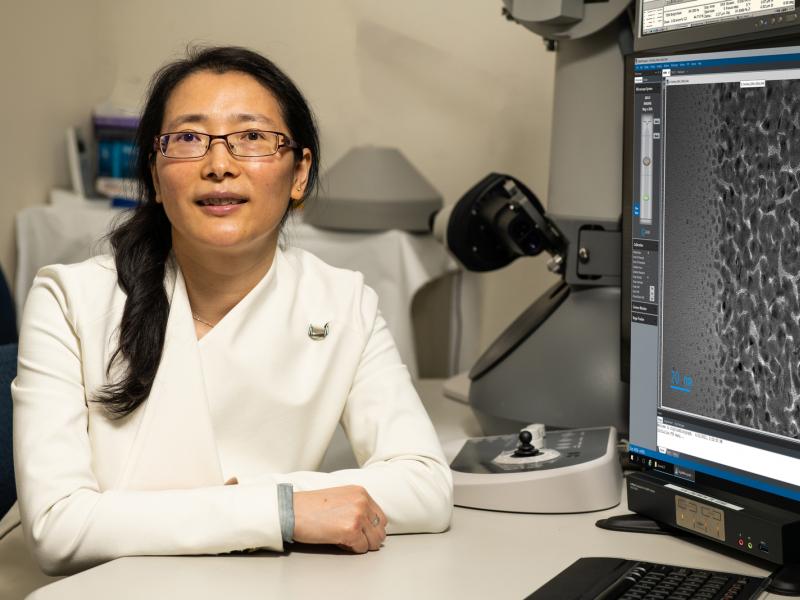
Brandi Cossairt, a PI in the Center for Molecular Electrocatalysis (CME) and a Professor of Chemistry at the University of Washington, was elected to the Washington State Academy of Sciences.
PNNL’s data-infused approach to electron microscopes’ use in scientific experimentation will help researchers and industry interpret large data streams and drive down costs.
The U.S. Department of Energy has selected the Scalable Predictive Methods for Excitations and Correlated Phenomena project to receive funding to develop software for chemical research.
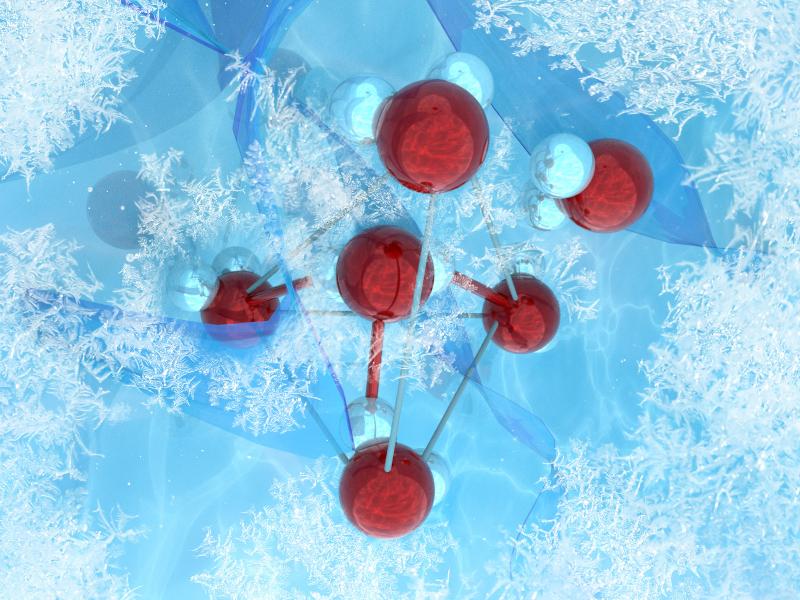
New study elucidates the complex relaxation kinetics of supercooled water using a pulsed laser heating technique at previously inaccessible temperatures.
Bojana Ginovska leads a physical biosciences research team headed for PNNL's new Energy Sciences Center. She uses the transformative power of molecular catalysis and enzymes to explore scientific principles.
PNNL combines AI and cloud computing with damage assessment tool to predict path of wildfires and quickly evaluate the impact of natural disasters, giving first responders an upper hand.
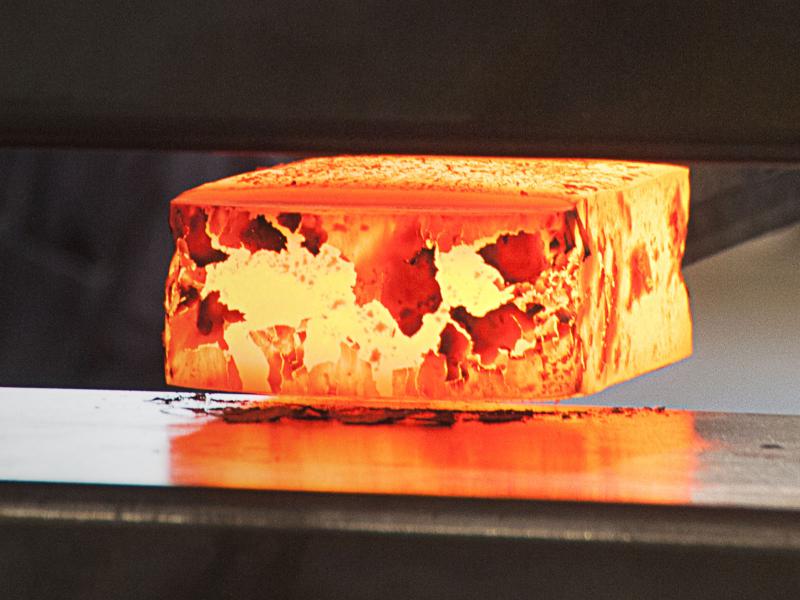
Machine learning techniques are accelerating the development of stronger alloys for power plants, which will yield efficiency, cost, and decarbonization benefits.
Svitlana Volkova, chief scientist for decision intelligence and analytics at PNNL, was invited as a panelist at the SIAM International Conference on Data Mining
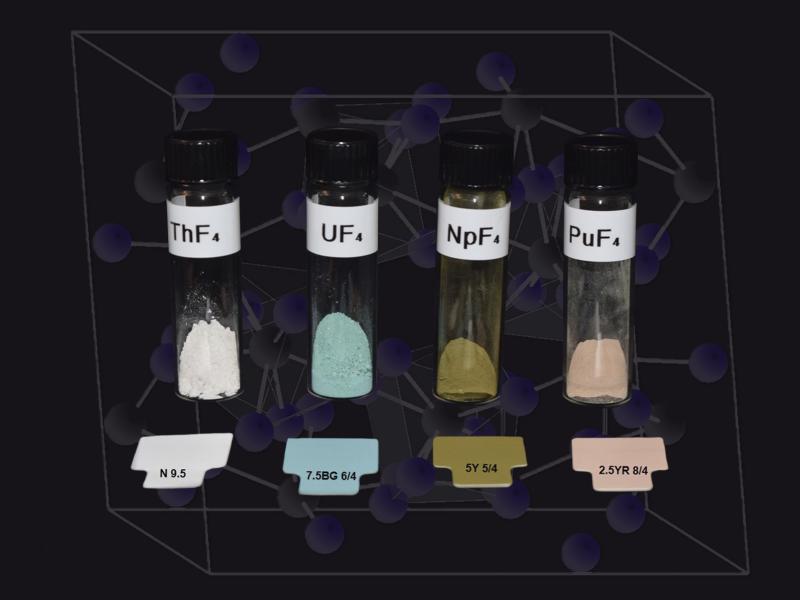
Spectroscopic experiments reveal significant variations in the electronic structures of actinide tetrafluorides despite their nearly identical crystal structures.
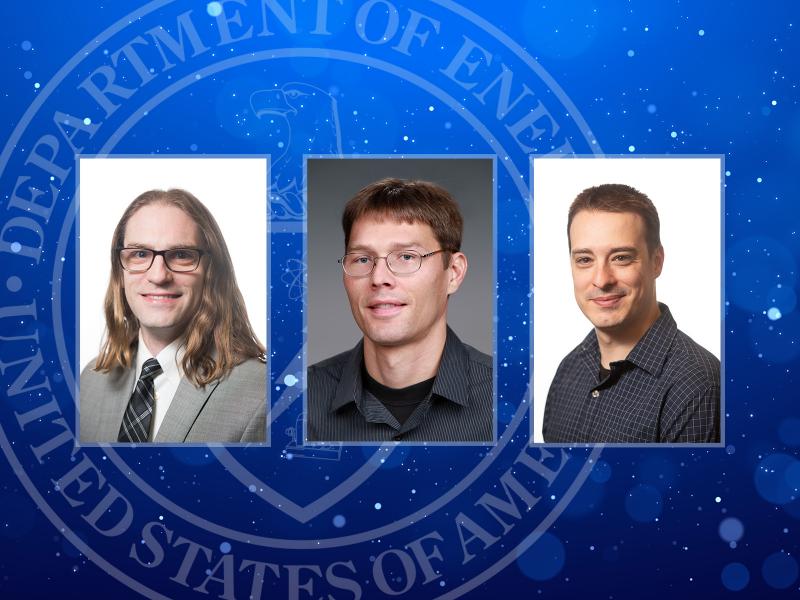
The DOE Early Career Research Program supports exceptional researchers during the crucial early years of their careers and helps advance scientific discovery in fundamental sciences
National Nuclear Security Administration Graduate Fellow Marc Wonders has spent the past year working with researchers exploring artificial intelligence in the national security mission space.
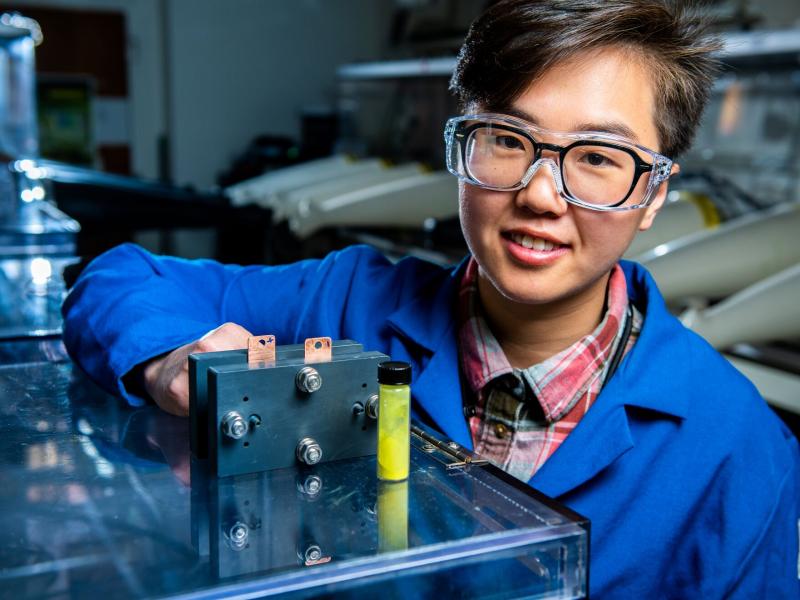
A compound used in candles offers promise for a modern energy challenge—storing massive amounts of energy to be fed into the electric grid as the need arises.