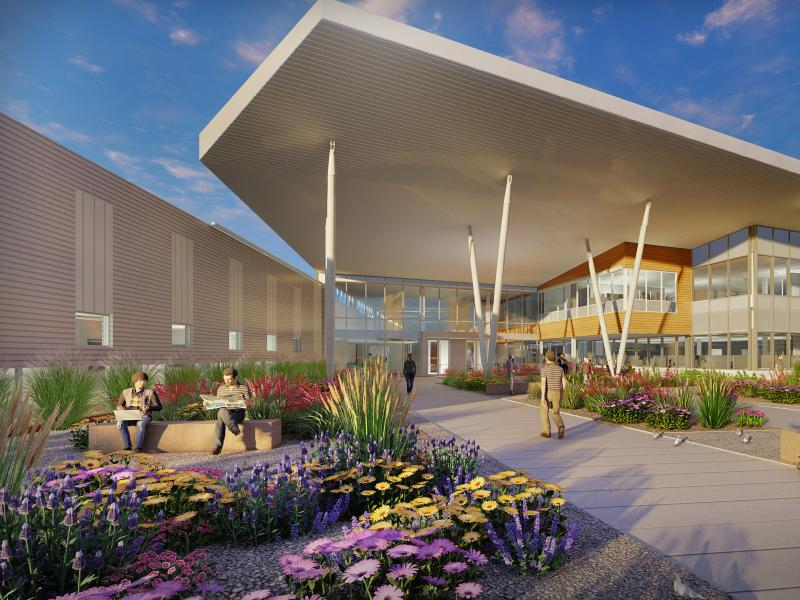
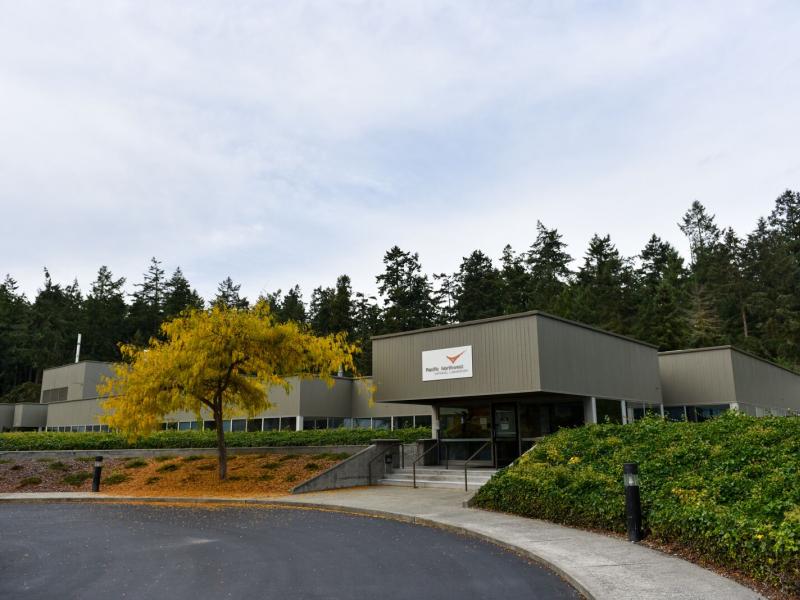
The Marine and Coastal Research Laboratory (MCRL), part of PNNL, in Sequim, Washington, is the U.S. Department of Energy’s only marine research facility. It has a rich history and expanding research scope.
PNNL computational biologists, structural biologists, and analytical chemists are using their expertise to safely accelerate the design step of the COVID-19 drug discovery process.
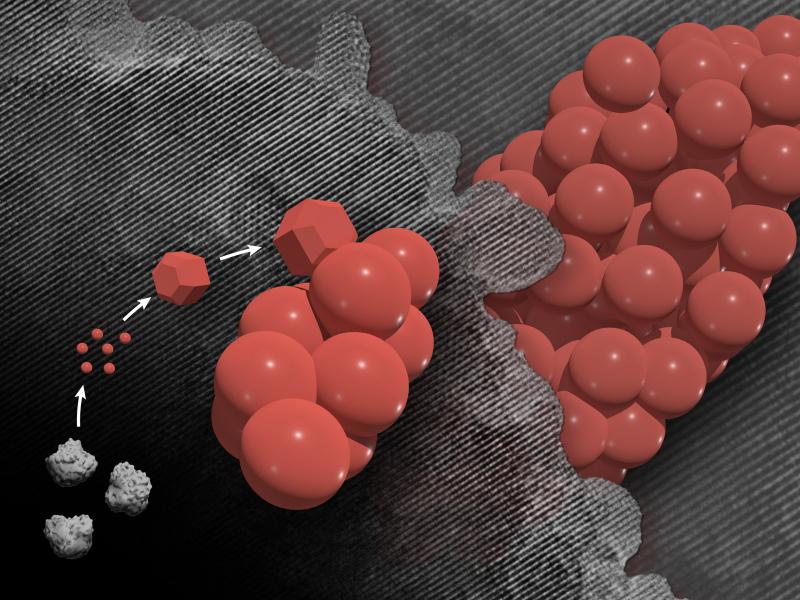
PNNL led a multi-institutional effort to design a highly active and more durable catalyst made from cobalt, which sets the foundation for fuel cells to power transportation, stationary and backup power, and more.
Project manager Larry Morgan has spent half a century at Pacific Northwest National Laboratory—marking one of the longest tenures in the laboratory’s history.
A special issue of the Marine Technology Society Journal, titled “Utilizing Offshore Resources for Renewable Energy Development,” focuses on research and development efforts including those at Pacific Northwest National Laboratory (PNNL).
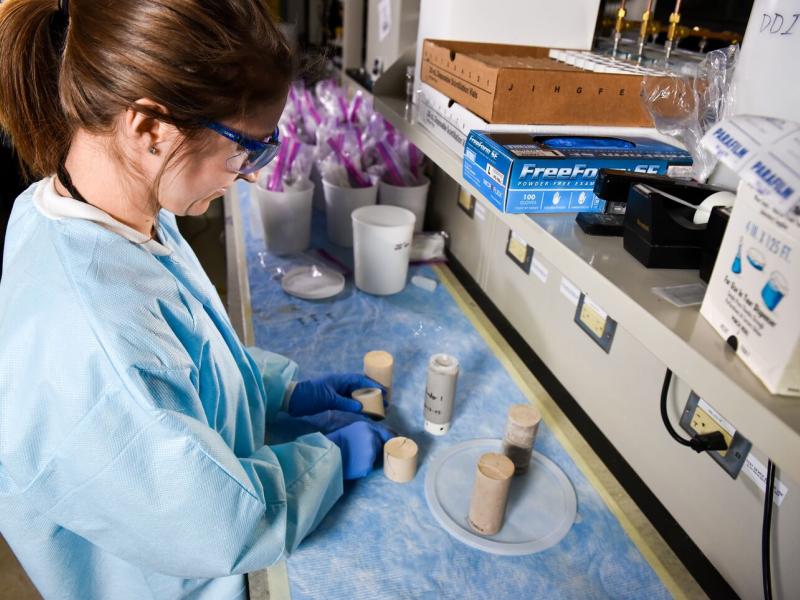
A research team from Pacific Northwest National Laboratory developed an apparatus that evaluates the performance of high-temperature fluids in hydraulic fracturing for enhanced geothermal systems.
A new report outlines future research paths that are needed for airlines to reduce carbon emissions and notes that the only way to achieve emission reduction goals is with Sustainable Aviation Fuels.
Researchers at Pacific Northwest National Laboratory (PNNL) are closer to understanding how iron may pave the way for sequestration of technetium-99 contaminants in the subsurface.
Pacific Northwest National Laboratory researchers developed a graphical processing unit (GPU)-centered quantum computer simulator that can be 10 times faster than any other quantum computer simulator.
Researchers at PNNL have developed a bacteria testing system called OmniScreen that combines biological and synthetic chemistry with machine learning to hunt down pathogens before they strike.