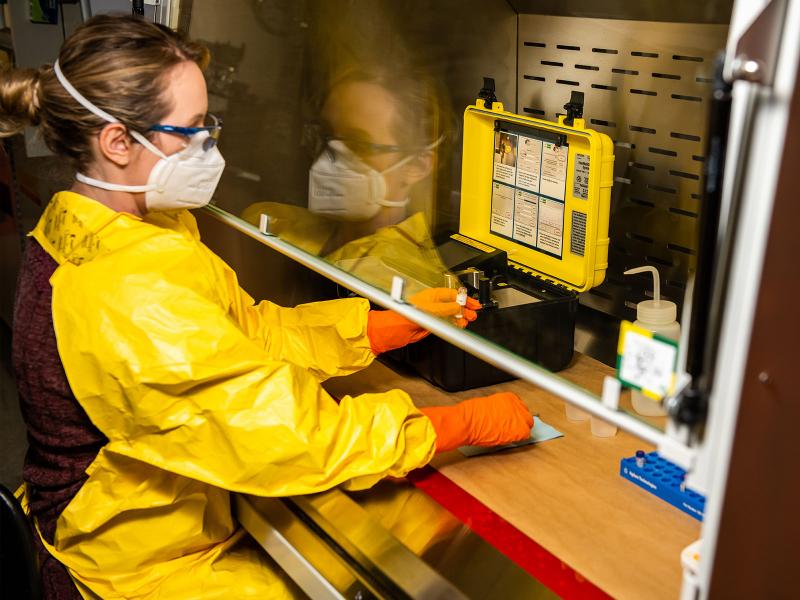
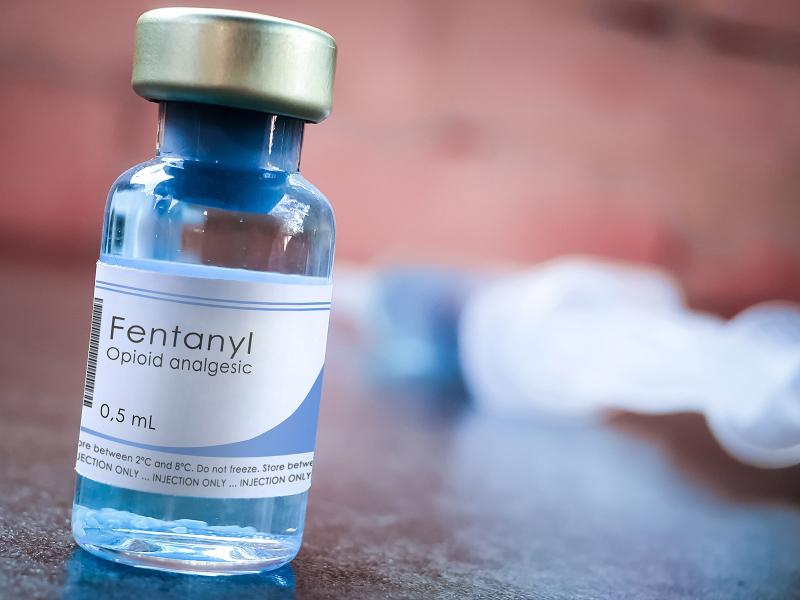
The Department of Homeland Security Science and Technology Virtual First Responder Capitol Hill Showcase highlighted PNNL work in fentanyl detection standards and database libraries.
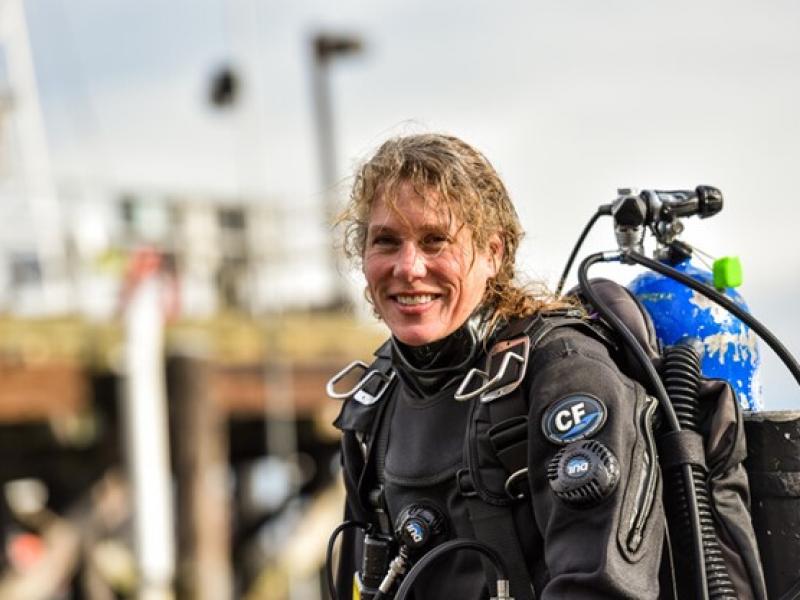
Sue Southard's one thousand dives as a PNNL staff member leave a ripple effect on efforts to keep our ocean healthy, our economy thriving, and our waters safe.
PNNL forensic toxicologist has been invited to serve on a committee of experts charged with improving U.S. strategies for preventing, countering, and responding to chemical terrorism threats.
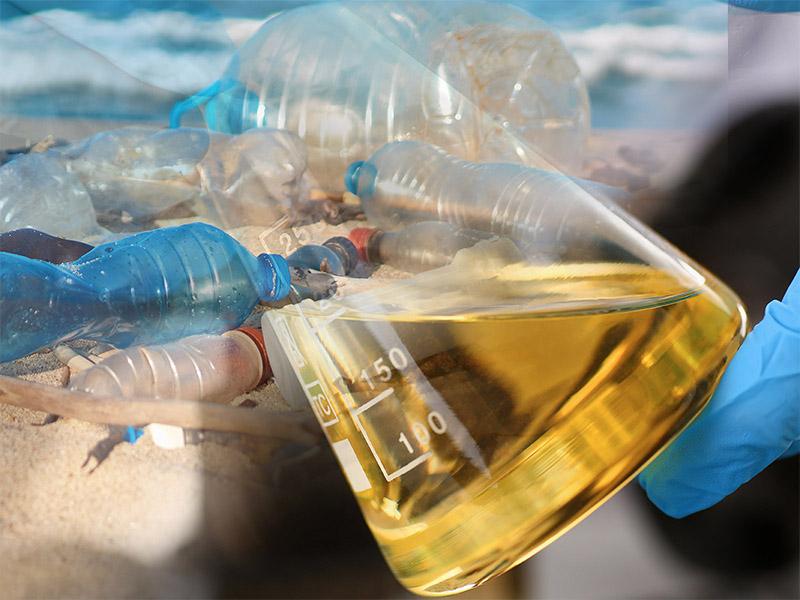
A PNNL study has shown the nation’s wastewater resource recovery facilities could generate revenue by converting sludge into biofuel—while significantly reducing disposal costs—using an in-house-developed technology.
PNNL has developed seaweed-based inks and materials for 2-D and 3-D printing that can be used for a multitude of applications in the art, medical, STEM, and other fields.
A paper by PNNL scientists on nuclear explosion monitoring technology is among top articles in nuclear instruments journal to draw most social media “buzz.”
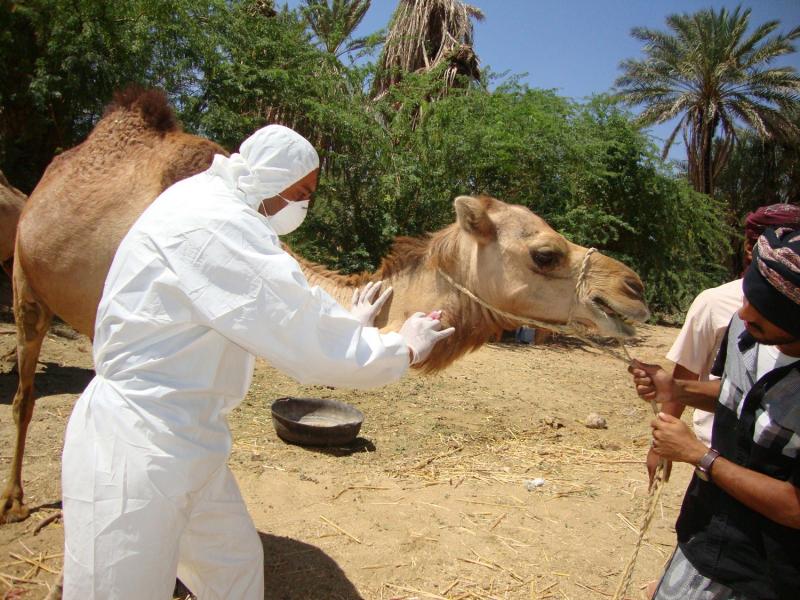
A Q&A with Lauren Charles, veterinarian and PNNL data scientist, on zoonotic diseases and the role biosurveillance plays in mitigating the growing threat to global health.
Using existing fish processing plants, kelp and fish waste can be converted to a diesel-like fuel to power generators or fishing boats in remote, coastal Alaska.