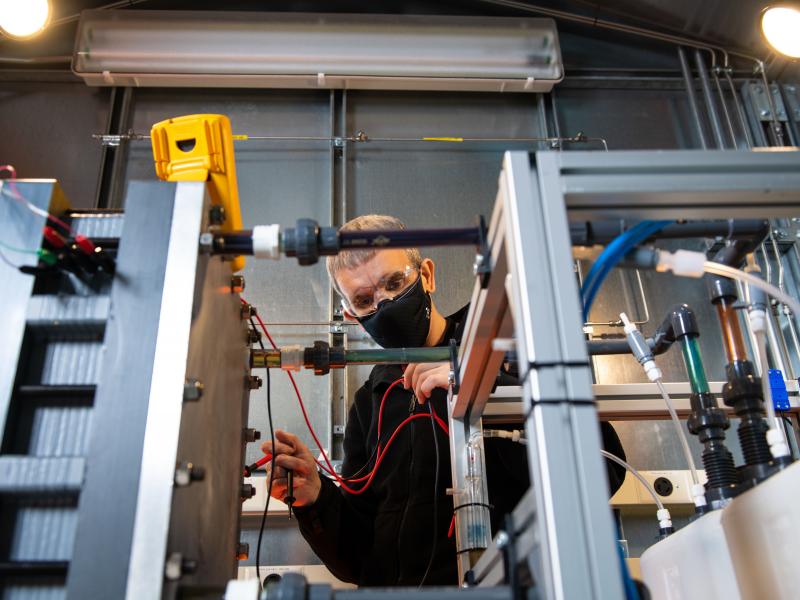
EZBattery Model allows energy storage researchers to more quickly and easily identify the best performing battery designs without the need for extensive physical prototyping or computationally expensive simulations.
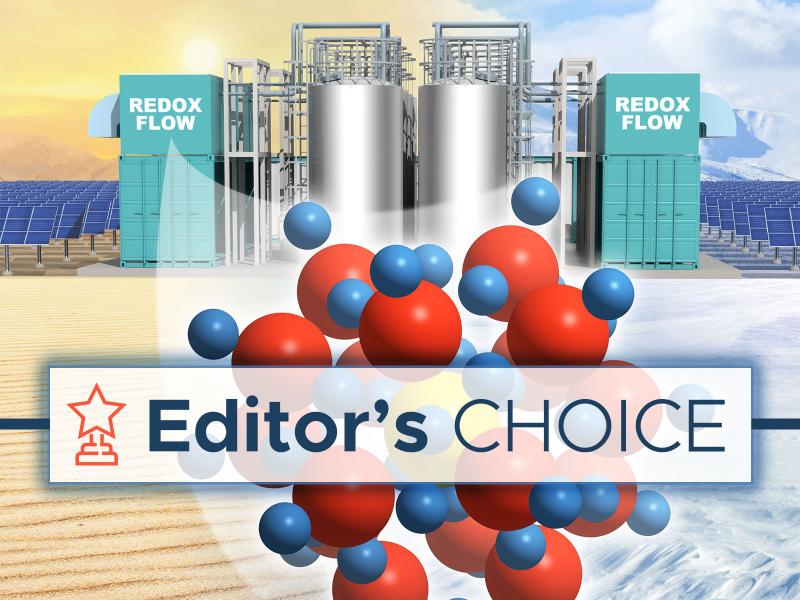
A paper published last year by scientists at Pacific Northwest National Laboratory was featured in the 2021 Editor’s Choice collection for the Cell Reports Physical Science journal.
Researchers at PNNL examined heat pump water heater (HPWH) operation in Pacific Northwest residences, gaining insights into HPWH electricity use patterns. Part of the study captured trends during a COVID-19 stay-at-home order.
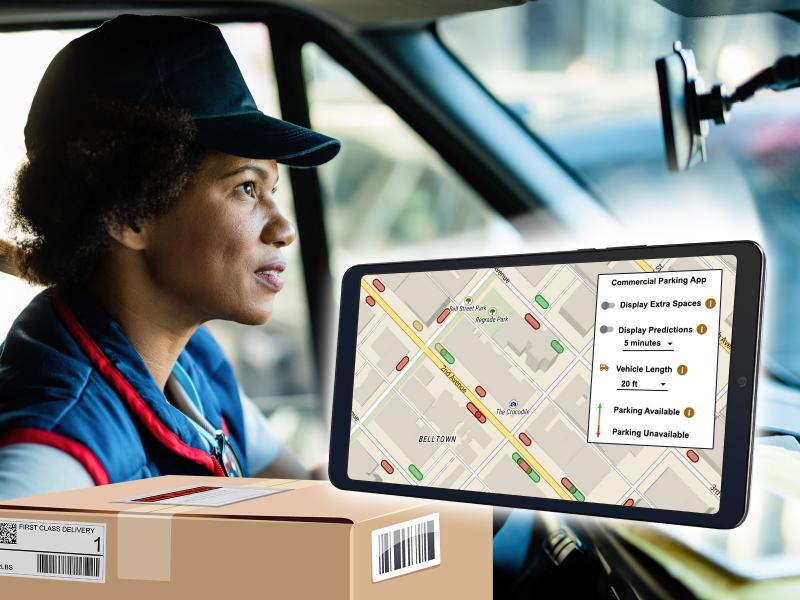
A webapp developed by PNNL in collaboration with the University of Washington to help drive efficiencies for urban delivery drivers is now in the prototype stage and ready for testing.
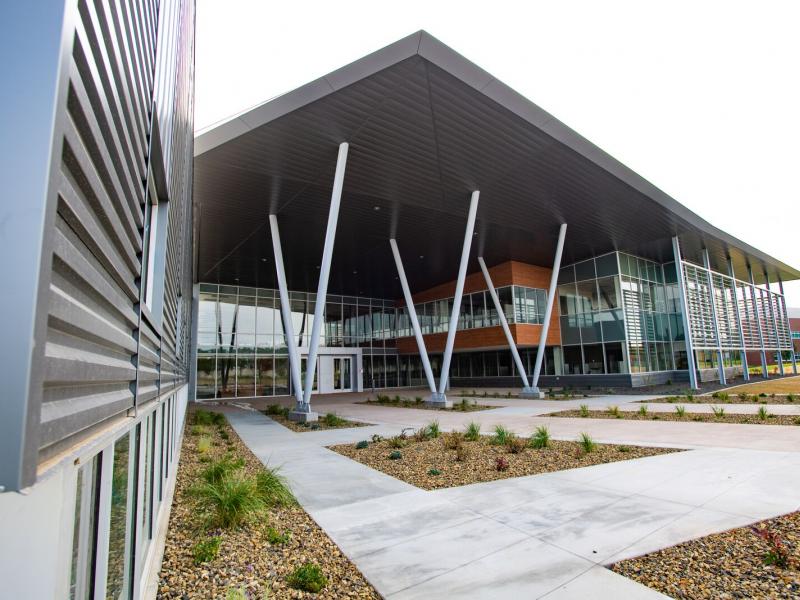
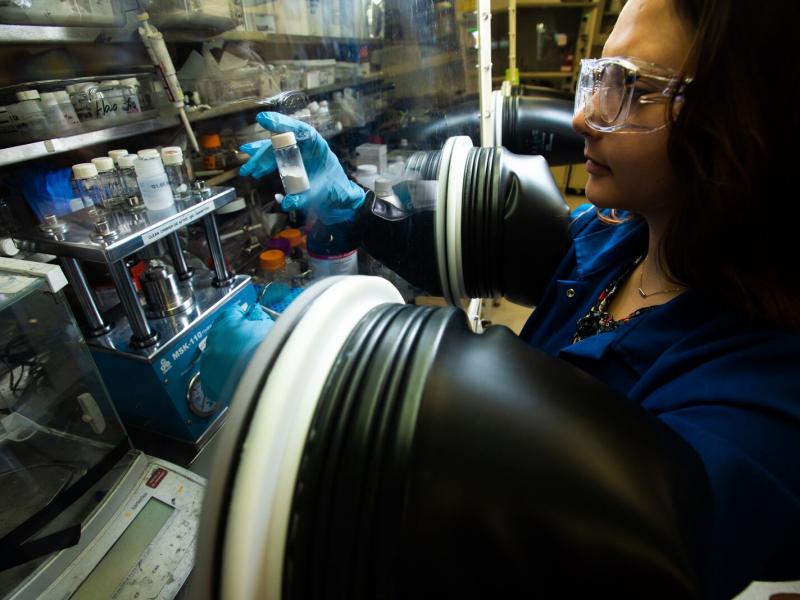
As he prepares to enter PNNL's Energy Sciences Center later this year, Vijayakumar 'Vijay' Murugesan is among DOE leaders exploring solutions to design and build transformative materials for batteries of the future.
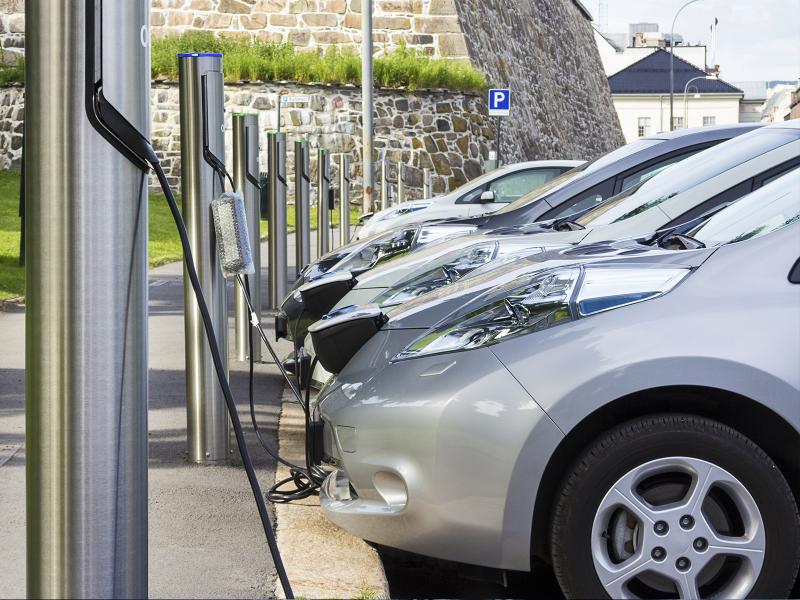
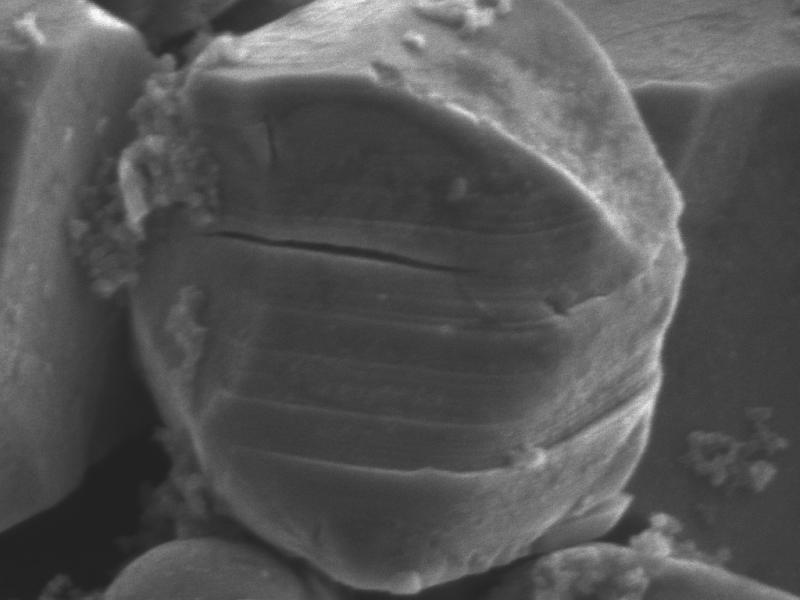
Scientists have created a single-crystal, nickel-rich cathode that is hardier and more efficient than before—important progress on the road to better lithium-ion batteries for electric vehicles.
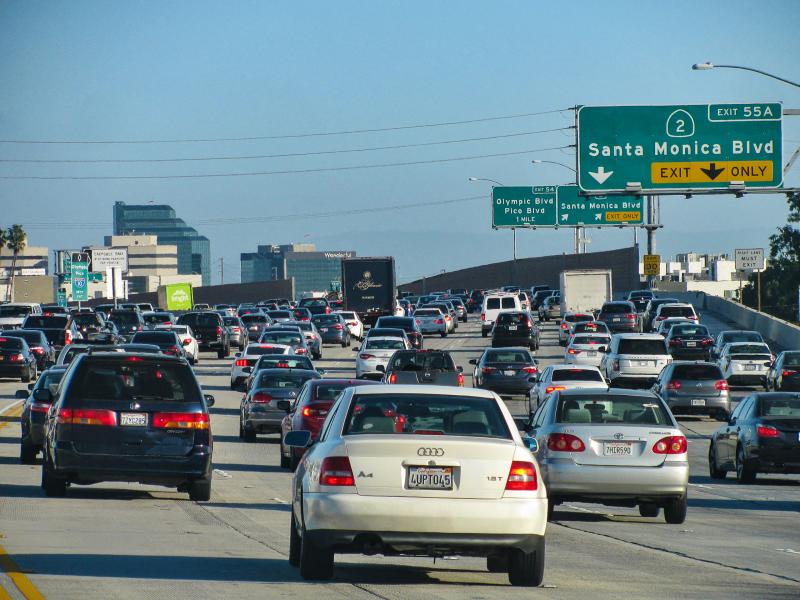
Using public data from the entire 1,500-square-mile Los Angeles metropolitan area, PNNL researchers reduced the time needed to create a traffic congestion model by an order of magnitude, from hours to minutes.
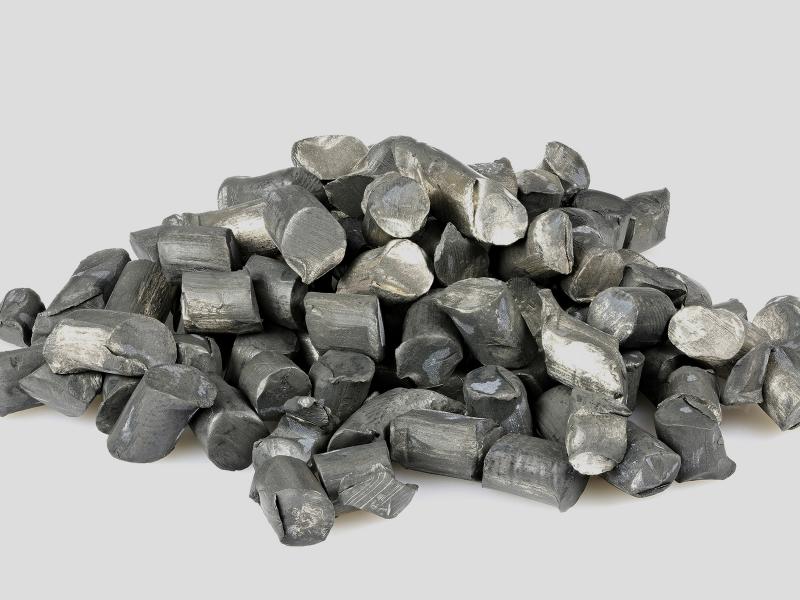
Researchers at PNNL have come up with a novel way to use silicon as an energy storage ingredient, replacing the graphite in electrodes. Silicon can hold 10 times the electrical charge per gram, but it comes with problems of its own.