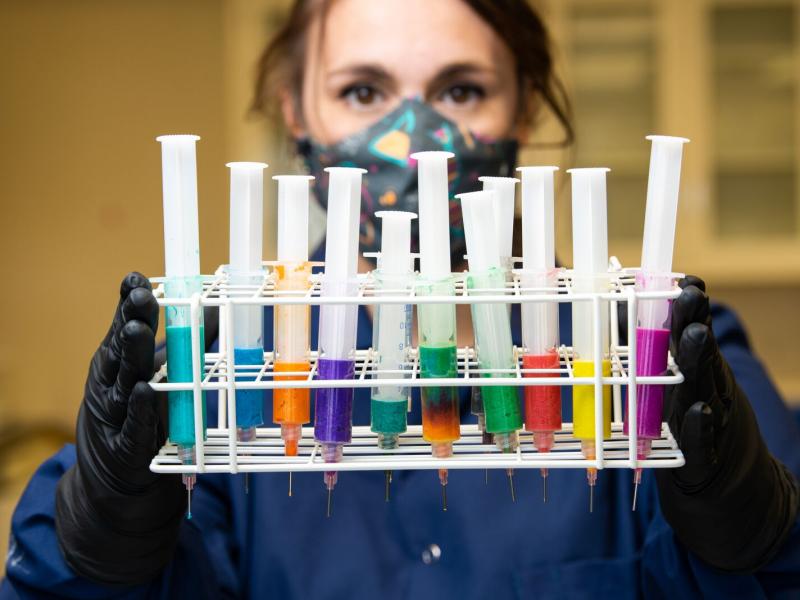
PNNL has developed seaweed-based inks and materials for 2-D and 3-D printing that can be used for a multitude of applications in the art, medical, STEM, and other fields.
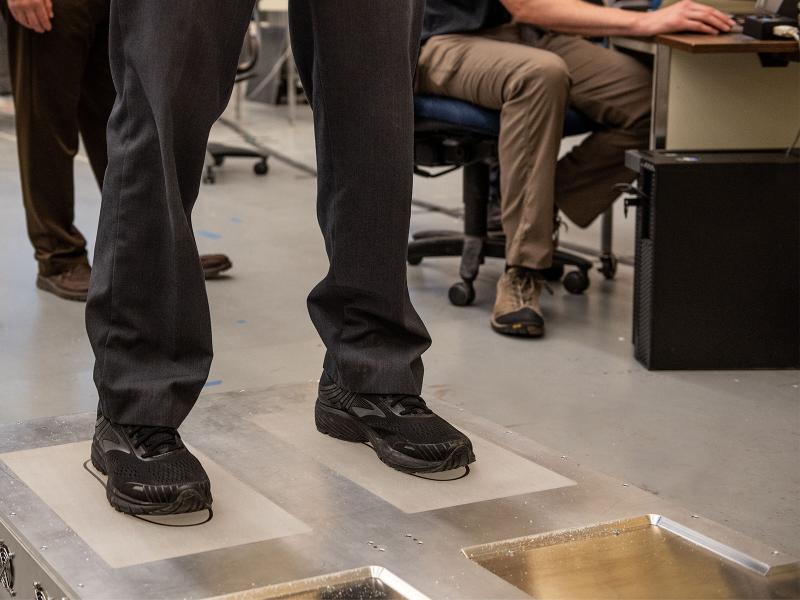
A shoe scanner may allow people passing through security screening to keep their shoes on. PNNL built the scanner based on the same technology it used to develop airport scanners. It's licensed to Liberty Defense.
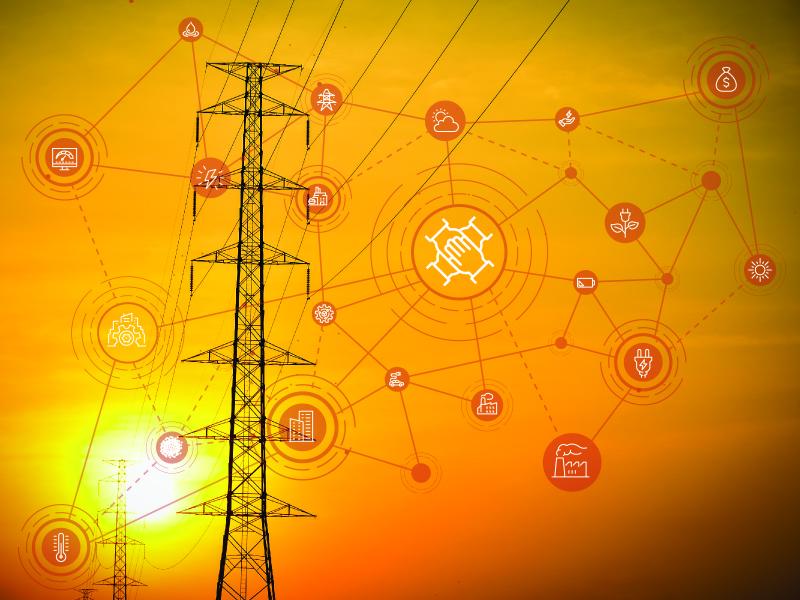
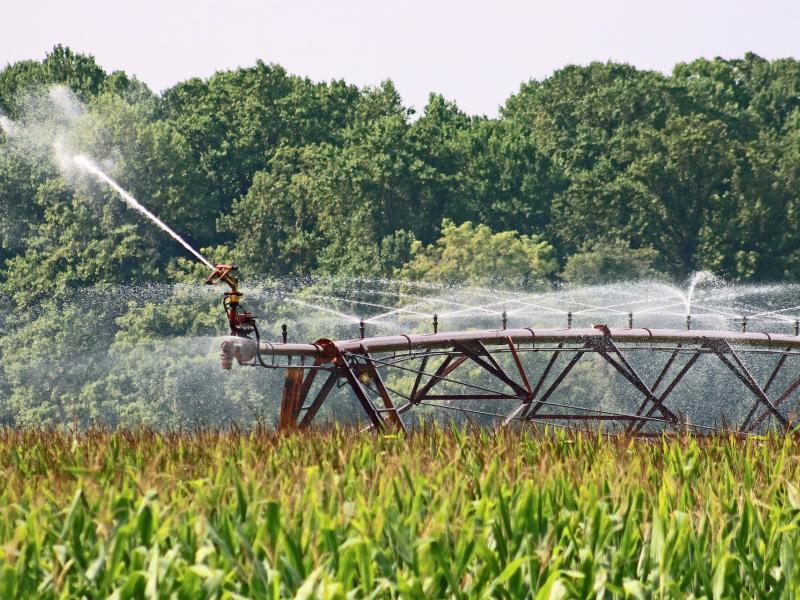
Study says planners need to account for climate impacts on renewable energy during capacity development planning to fully understand investment implications to the power sector.
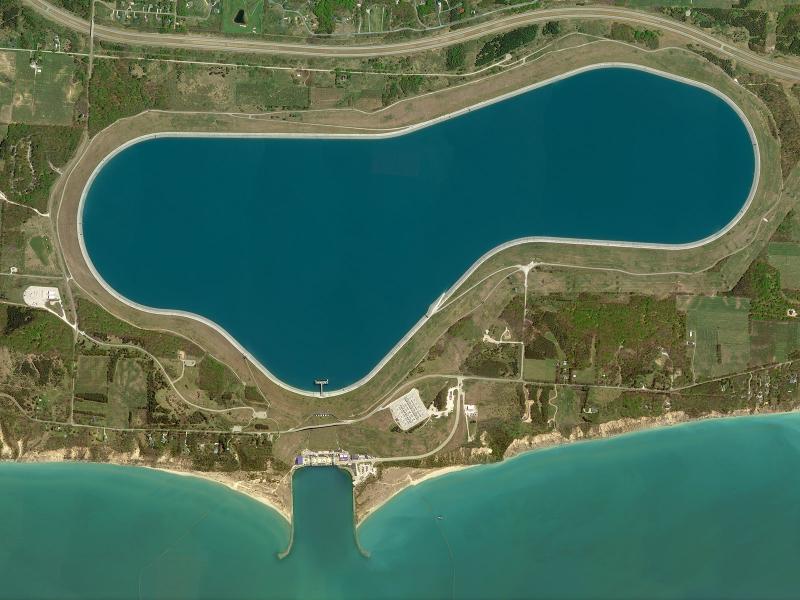
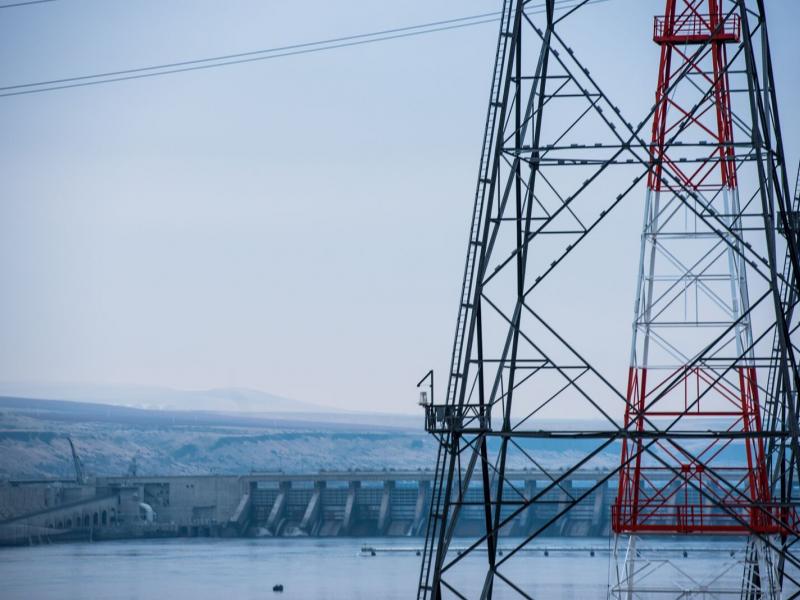
PNNL has published a report that sets the foundation for modeling gaps and technical challenges in optimizing hydropower operations for both energy production and water management.
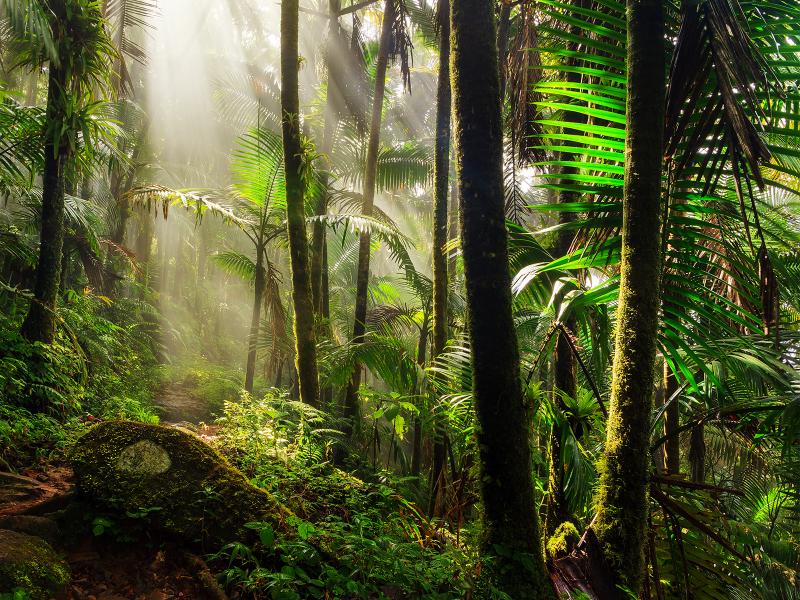
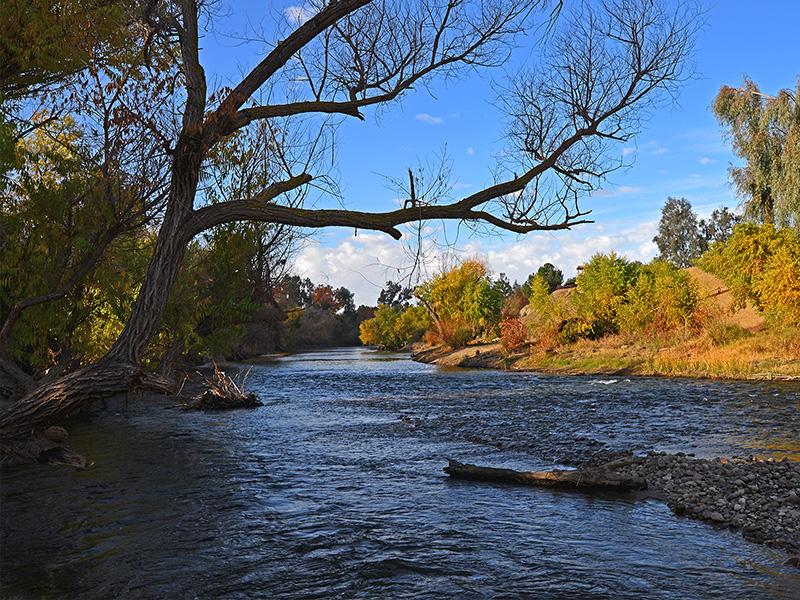
California and other areas of the U.S. Southwest may see less future winter precipitation than previously projected by climate models, according to new research that corrects for a long-standing model error: the double-ITCZ bias.
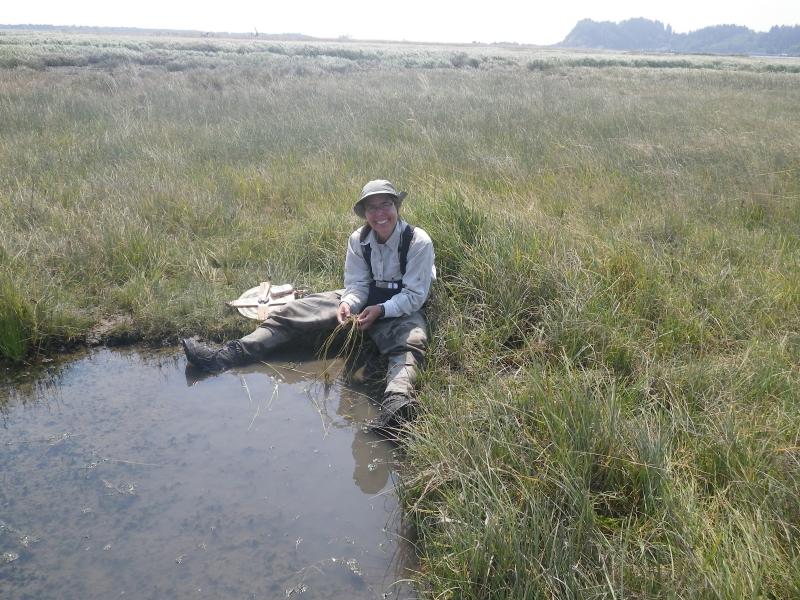
Culminating 10 years of study, researchers at PNNL’s Marine and Coastal Research Laboratory developed a new predictive framework for estuarine–tidal river research and management.
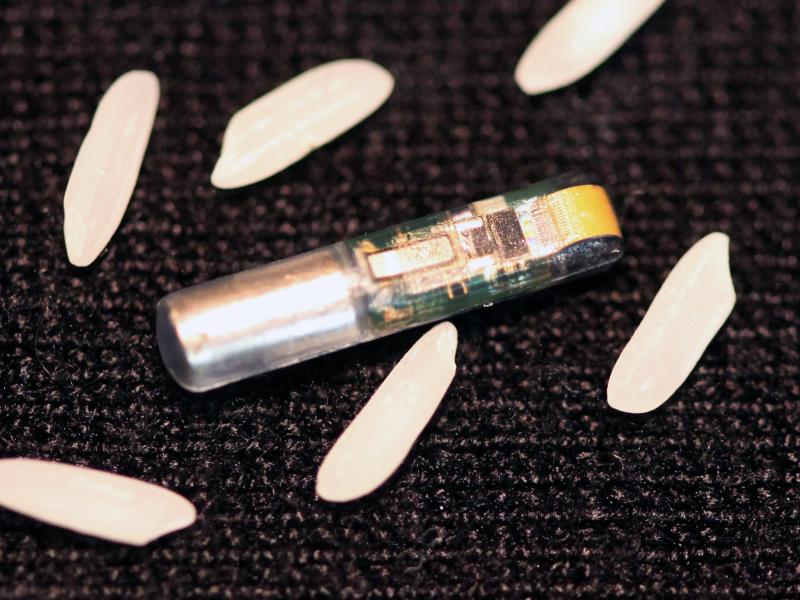
For decades, the Department of Energy's Pacific Northwest National Laboratory has played a role in establishing and maintaining sustainable hydropower for the region.