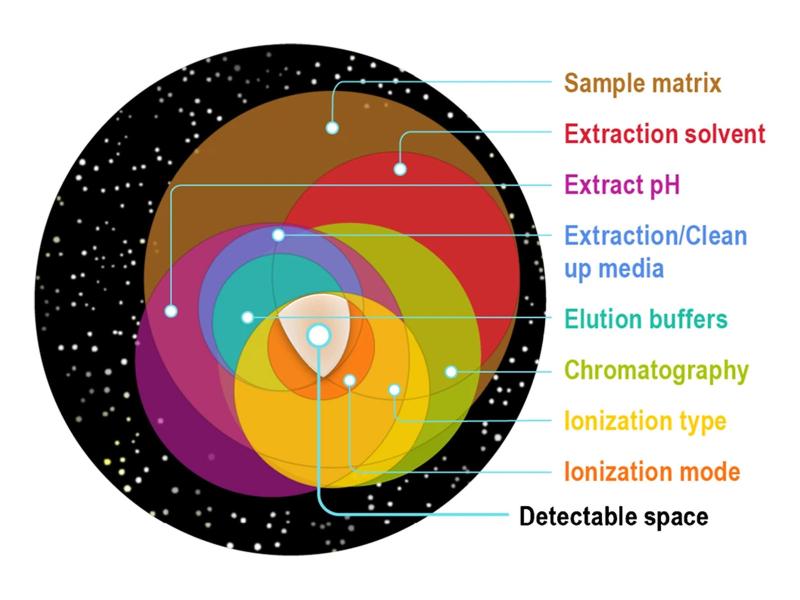
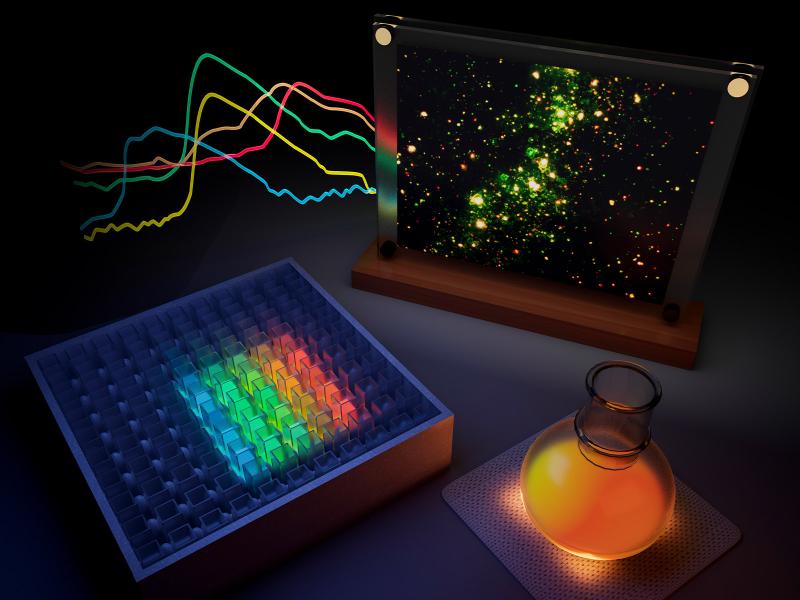
The ChemSpace Tool, when fully developed, is intended to divide chemical space into three subsets: the detectable space, the identifiable space, and the region that includes compounds that are not detectable or identifiable.
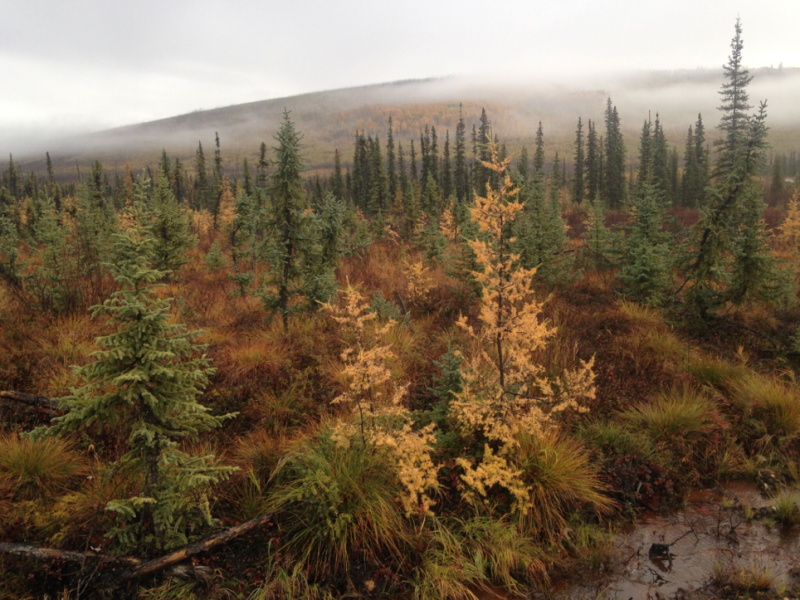
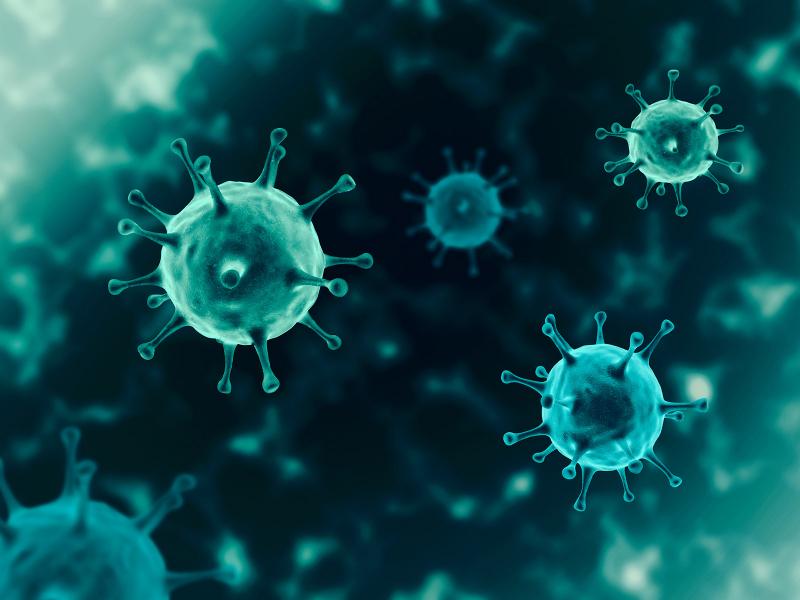
Microbes that were previously frozen in soils are becoming more active. This study demonstrates the diverse RNA viral communities found in thawed permafrost.
A new web-based tool provides easy-to-understand progress metrics and other data about groundwater cleanup sites overseen by the DOE Office of Environmental Management.
Diefenderfer, Earth scientist who focuses on coastal ecosystems at PNNL, recently published “Ten Years of Gulf Coast Ecosystem Restoration Projects Since the Deepwater Horizon Oil Spill,” a cover article.
Biomedical scientist George Bonheyo has been selected as chair of a new International Electrotechnical Commission committee charged with creating standards for researching and measuring biofouling on marine energy systems.
Eight PNNL research papers were recognized by the 2022 Waste Management Symposia as “Papers of Note” and “Superior.” One paper received a Best Oral Paper/Presentation Award.
PNNL scientists have proposed an "adaptive site management" cleanup strategy for the Hanford Site's Central Plateau that incorporates a structured, flexible approach to environmental remediation.
The Department of Homeland Security Science and Technology Virtual First Responder Capitol Hill Showcase highlighted PNNL work in fentanyl detection standards and database libraries.
Sue Southard's one thousand dives as a PNNL staff member leave a ripple effect on efforts to keep our ocean healthy, our economy thriving, and our waters safe.
A PNNL team is leading the design, fabrication, and regulatory testing, and delivery of new packaging units that will be used to ship radioactive materials safely and securely.
PNNL forensic toxicologist has been invited to serve on a committee of experts charged with improving U.S. strategies for preventing, countering, and responding to chemical terrorism threats.