PNNL’s Srinivas Katipamula and Nora Wang have received a Northwest Energy Efficiency Alliance award for contributing to the success of Seattle’s Building Tune-Up Accelerator Program.
Advancements such as LEDs have changed consumers’ experience with lighting. Whereas there was once a simple choice of how much light a consumer desired, there’s now a variety of choices to be made about the appearance of light.
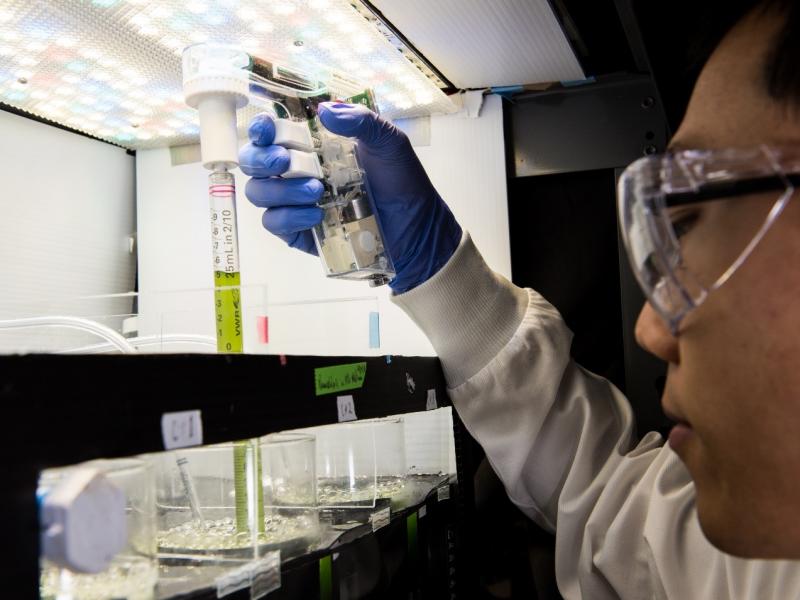
In the third year of the DISCOVR Consortium project, the consortium team has identified an algal strain that progressed successfully through multiple evaluation phases.
A multi-institute research team is exploring ways to improve residential walls across America, making homes warmer and drier and delivering significant energy savings.
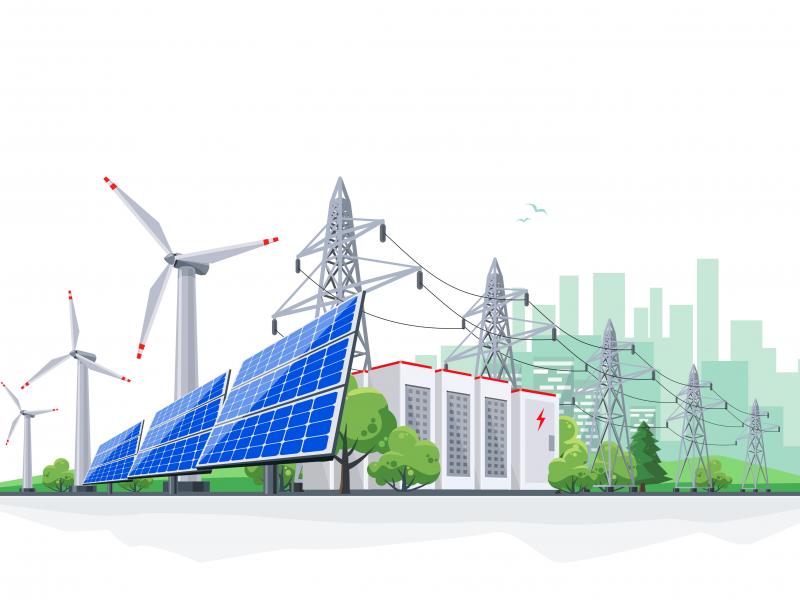
A PNNL technology enables automated Economic Dispatch, which coordinates the use of energy in a manner that enhances distributed generation, efficiency, renewables, and grid reliability.
The inner Salish Sea’s future response to climate change, while significant, is predicted to be less severe than that of the open ocean based on parameters like algal blooms, ocean acidification, and annual occurrences of hypoxia.
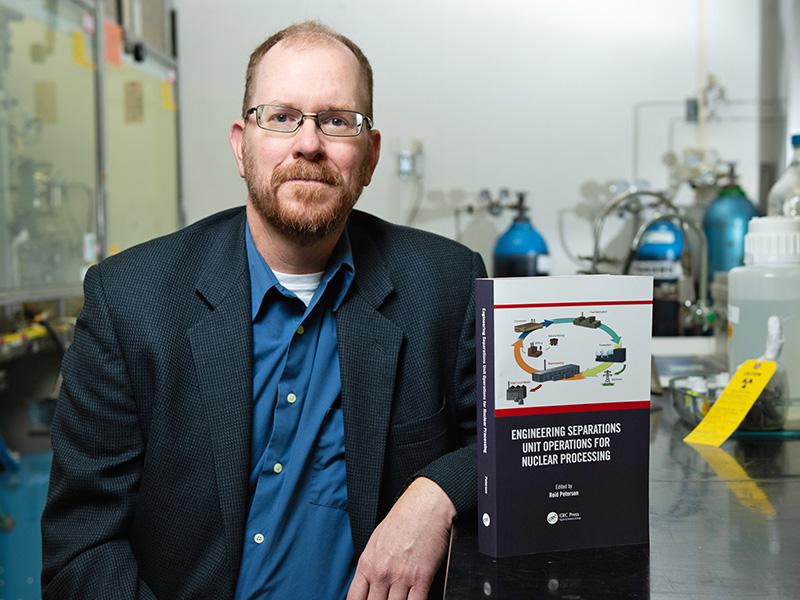
The ANS award will be presented at the Global Top Fuel 2019 Conference this September in Seattle, and comes amid several recent recognitions for Paviet.
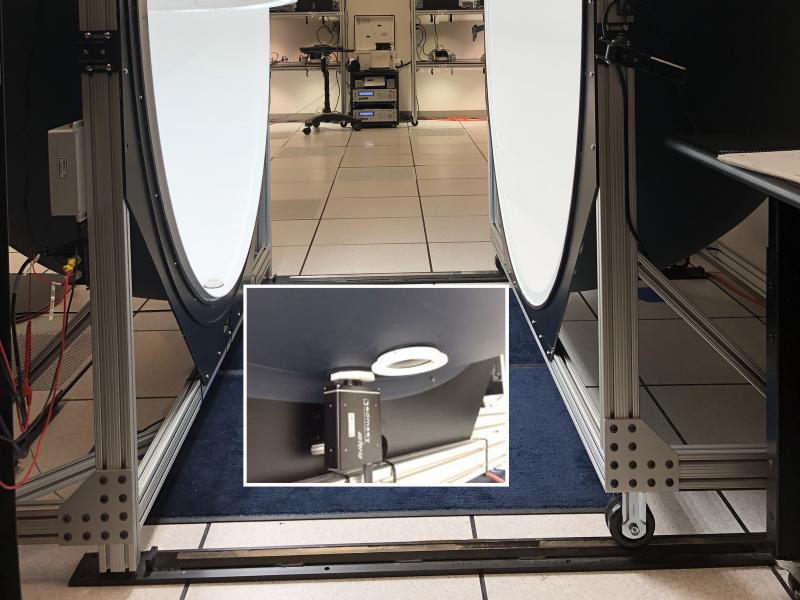
A staple in horror movies, flickering lights can also summon potential human health and productivity concerns. PNNL studied hand-held meters that measure flicker, and the results could improve future measurement and lighting strategies.
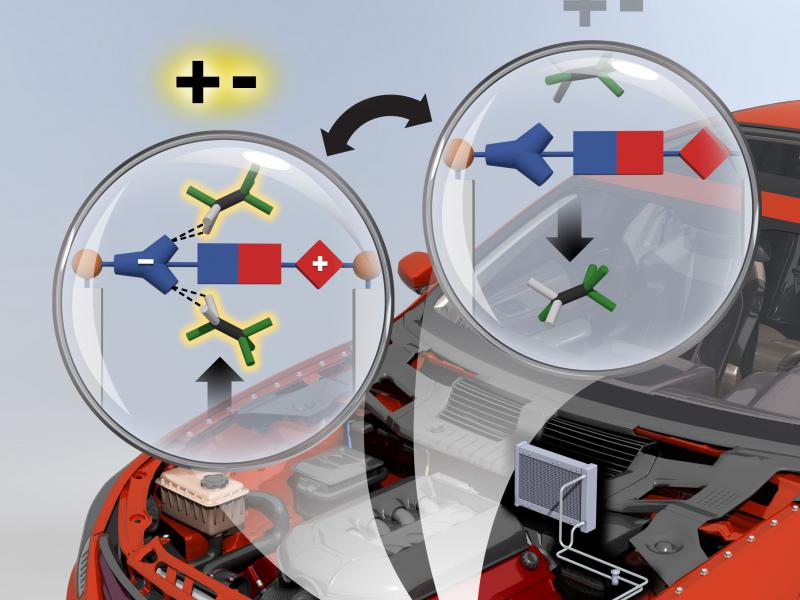
Researchers at PNNL have introduced an alternative method using a molecular-based pump that could potentially use a quarter less energy than the age-old mechanical pump.
Alicia Gorton, marine scientist and project manager in the PNNL’s Coastal Sciences Division, has joined the editorial board of the Marine Technology Society Journal.
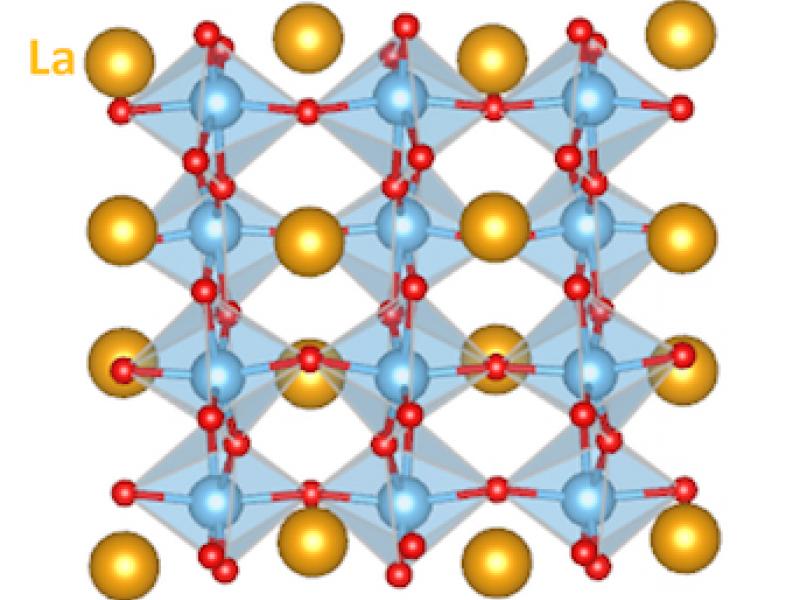
Researchers apply numerical simulations to understand more about a sturdy material and how its basic structure responds to and resists radiation. The outcomes could help guide development of the resilient materials of the future.
The Soil Science Society of America presents Nik Qafoku with the 2019 Jackson Award for contributions in soil chemistry and mineralogy—ranging from agricultural fertilizer efficiency in Albania to soil contaminant transport at Hanford.
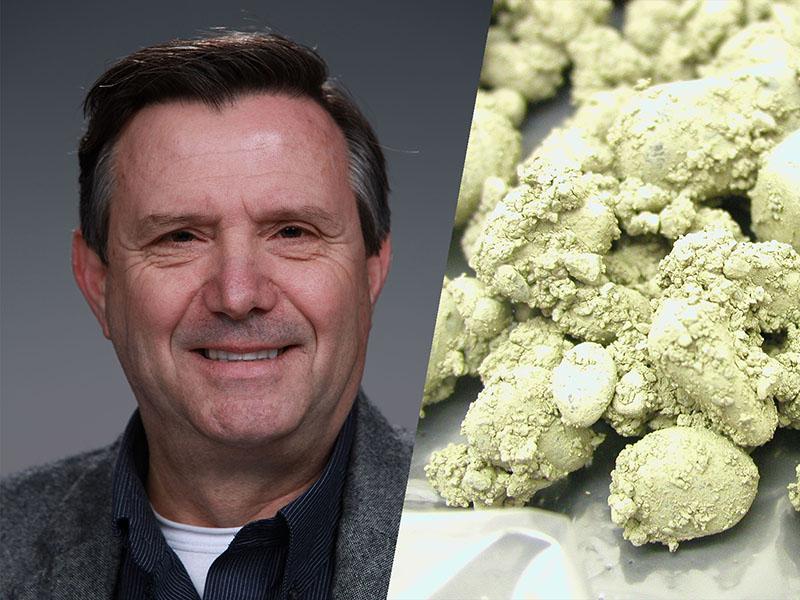
A radioactive chemical called pertechnetate is a bad actor when it’s in nuclear waste tanks. But researchers at PNNL and the University of South Florida have a new lead on how to selectively separate it from the nuclear waste for treatment.
Researchers at PNNL construct a novel approach that requires less field work while delivering critical information on building code compliance and energy efficiency in new homes.
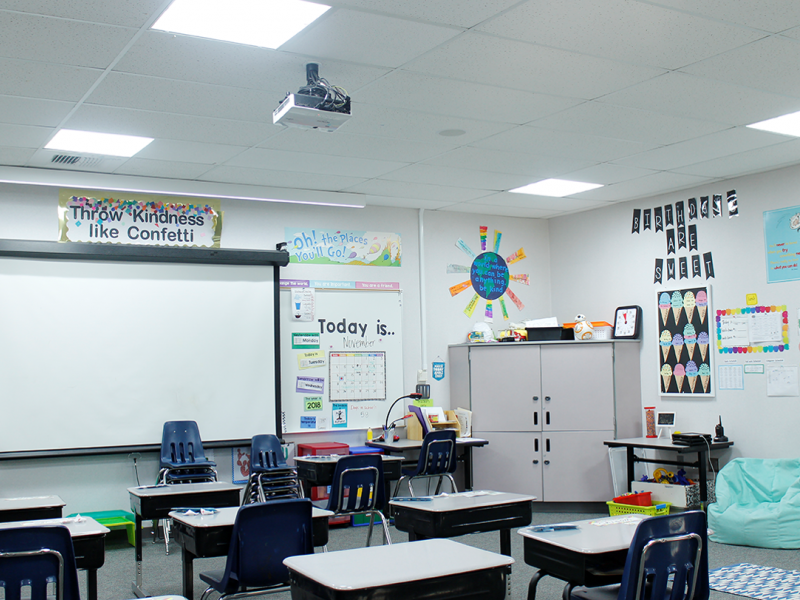
PNNL’s Solid State Lighting program evaluated the energy and photometric performance of adjustable LED lighting systems installed in three California classrooms as part of a GATEWAY study.
PNNL researchers Jianming Lian, Karanjit Kalsi, joint appointee Wei Zhang, and former PNNL intern Sen Li recently received a patent for a market mechanism consisting of novel bidding and clearing strategies.
Frannie Smith, a chemist specializing in nuclear waste management and disposal, was recognized as a "Notable Woman in STEM" for 2019 by the nonprofit Washington STEM program.