First-ever measurements provide evidence that supercooled water exists in two distinct structures that co-exist and vary in proportion dependent on temperature.
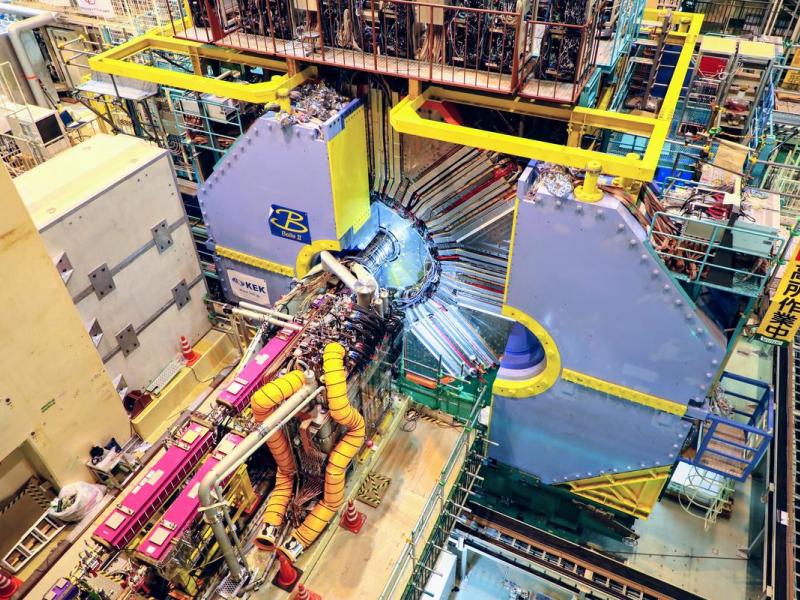
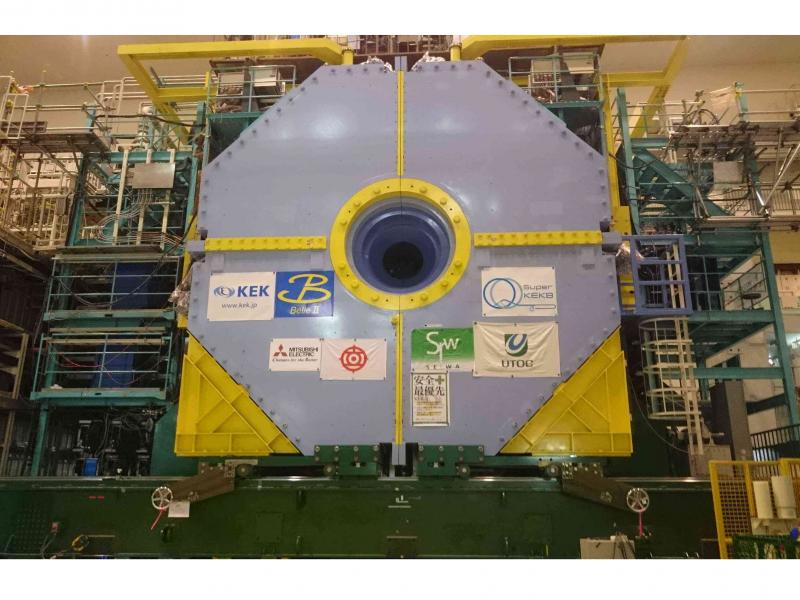
After years of planning, building, and calibration, researchers at the Belle II accelerator experiment in Japan have published their first physics paper.
B3? E4? Remember the board game Battleship? One player suggests a set of coordinates to another, hoping to find the elusive location of an unseen vessel.That is a good place to start in assessing the search for dark matter.
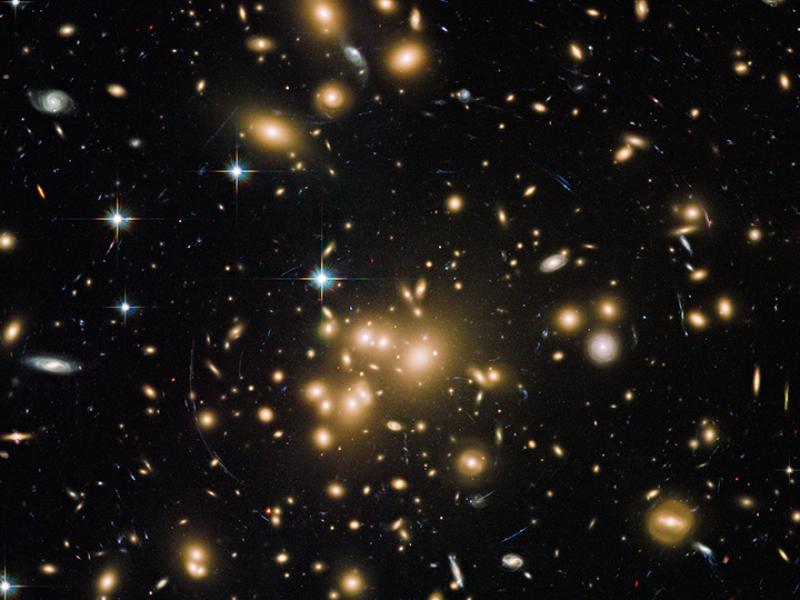
While some of us may periodically ponder the universe, most of us don't dedicate our lives to studying its mysteries, including its birth, evolution and fate.
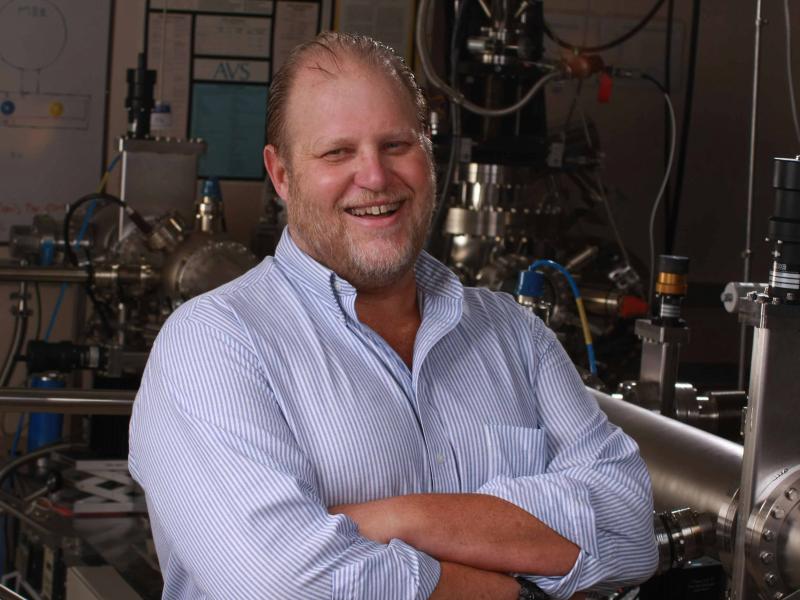
PNNL researcher Bruce Kay has been elected to membership in the Washington State Academy of sciences and three other staff members have been elected to positions on the WSAS board of directors.
Working with researchers with Tokyo Tech's World Research Hub Initiative in Japan and Canada, Xantheas will combine laboratory methods with computational explorations to study the biological functions of serotonin and nicotine.
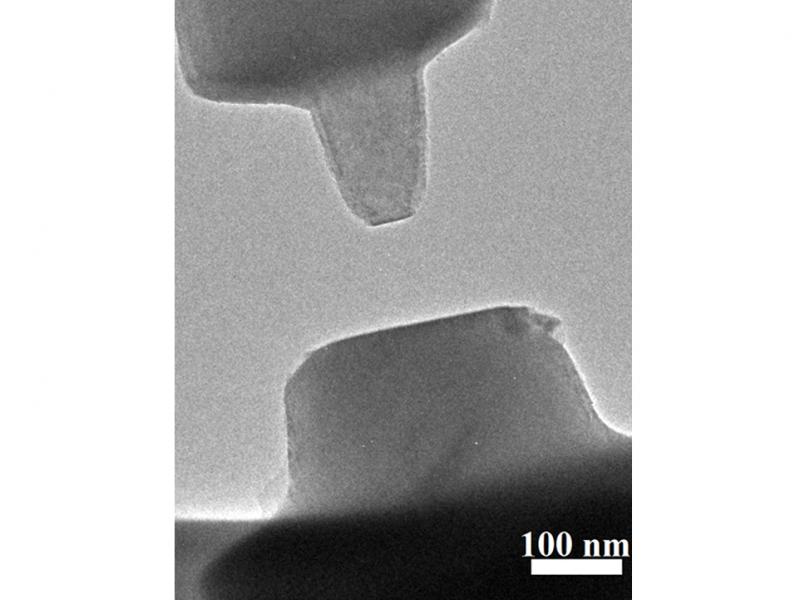
For the first time, researchers have measured the force that draws tiny crystals together and visualized how they swivel and align. Called van der Waals forces, the attraction provides insights into how crystals self-assemble, an activity t
To study some of the tiniest particles in the universe, an international band of physicists is building a massive instrument to look for signs of particles predicted to be fundamental to the workings of the universe.
Bo Peng, a Linus Pauling Fellow and molecular sciences researcher at Pacific Northwest National Laboratory, was recognized at the Sanibel Symposium with the Löwdin Postdoctoral Associate Award.
At next week's American Chemical Society meeting, experts spanning a wide range of disciplines will get together to toss around ideas on technologies to capture the carbon dioxide.