PNNL forensic toxicologist has been invited to serve on a committee of experts charged with improving U.S. strategies for preventing, countering, and responding to chemical terrorism threats.
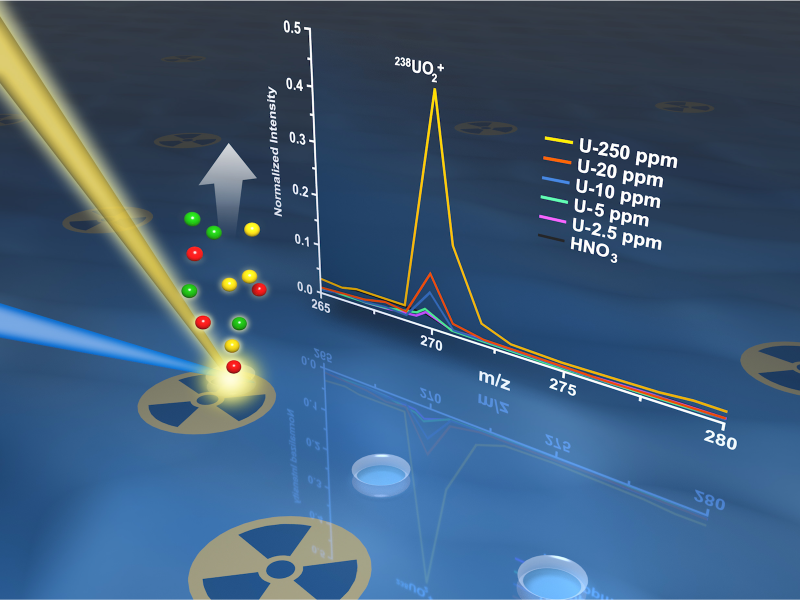
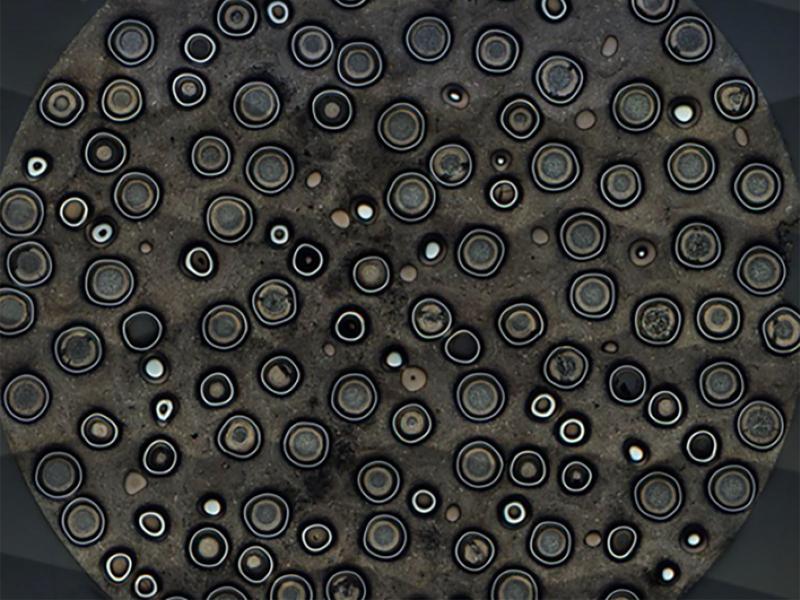
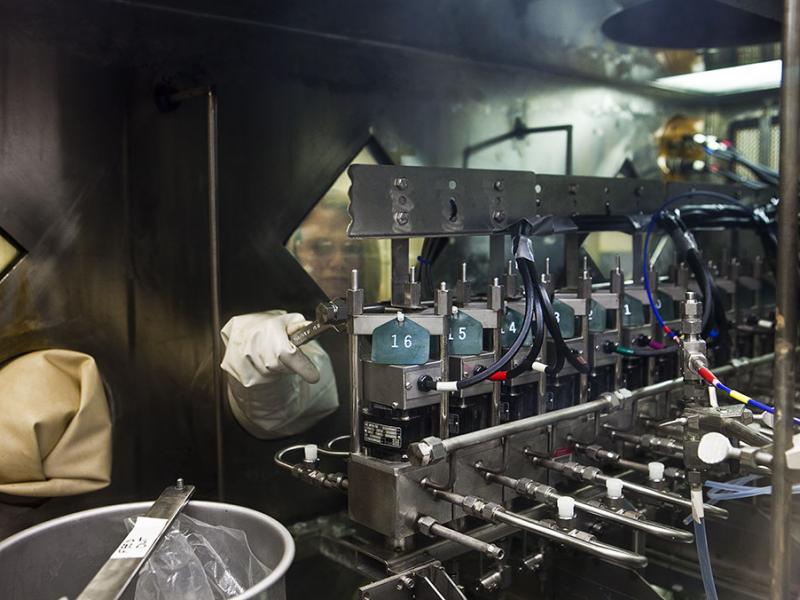
Pacific Northwest National Laboratory researchers developed a patented, nearly non-destructive approach, known as liquid secondary ion mass spectrometry, to analyze nuclear samples.
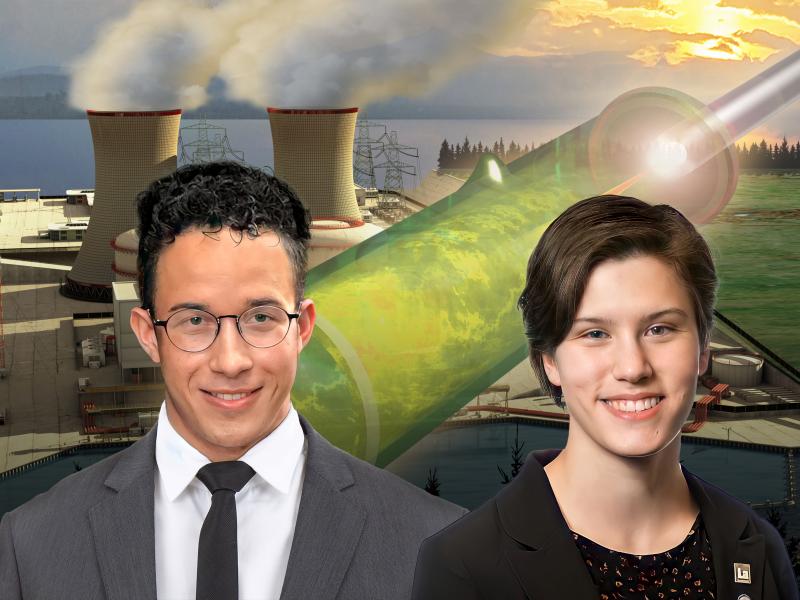
Two PNNL interns are behind recent innovation in real-time testing and continuous monitoring for pH and the concentration of chemicals of interest in chemical solutions; outcomes have applicability not only to nuclear, but to industries.
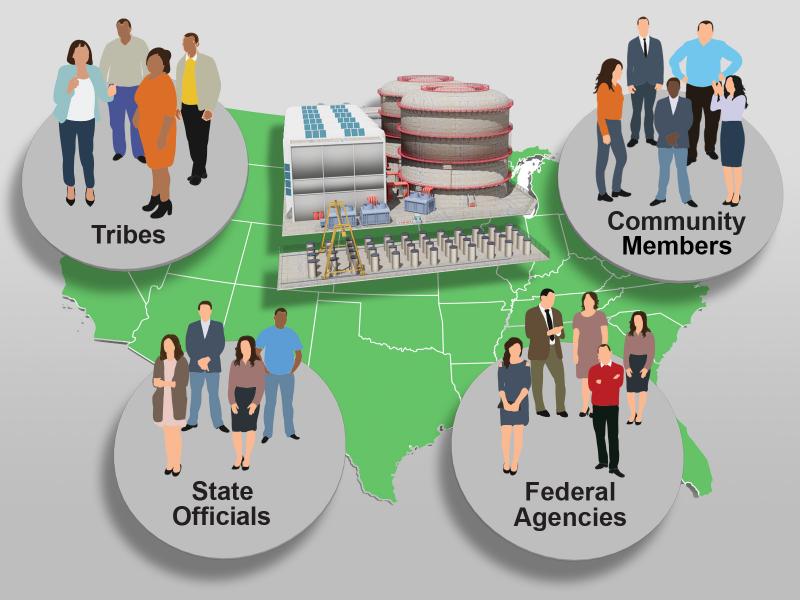
PNNL paper in Nuclear Technology journal unveils modeling possibilities for TRISO used fuel, implications for reactor planning, and resulting carbon-free nuclear energy.
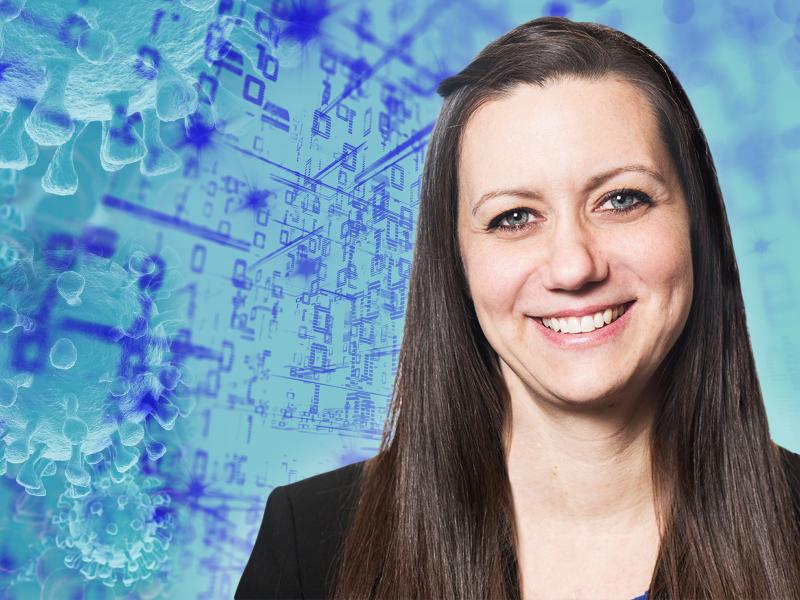
A Q&A with Lauren Charles, veterinarian and PNNL data scientist, on zoonotic diseases and the role biosurveillance plays in mitigating the growing threat to global health.
2021 marks the largest cohort of PNNL authors and co-authors to be recognized at annual Waste Management Symposia for environmental management research.
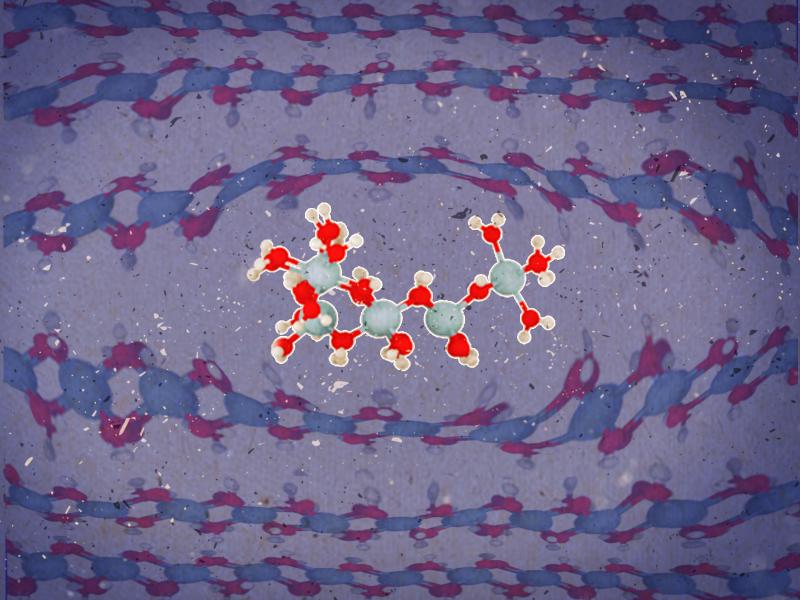
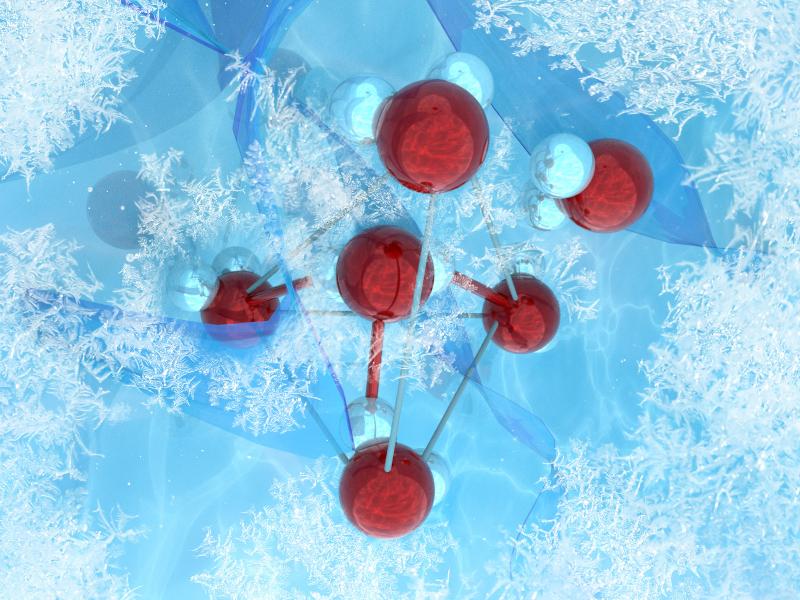
New study elucidates the complex relaxation kinetics of supercooled water using a pulsed laser heating technique at previously inaccessible temperatures.
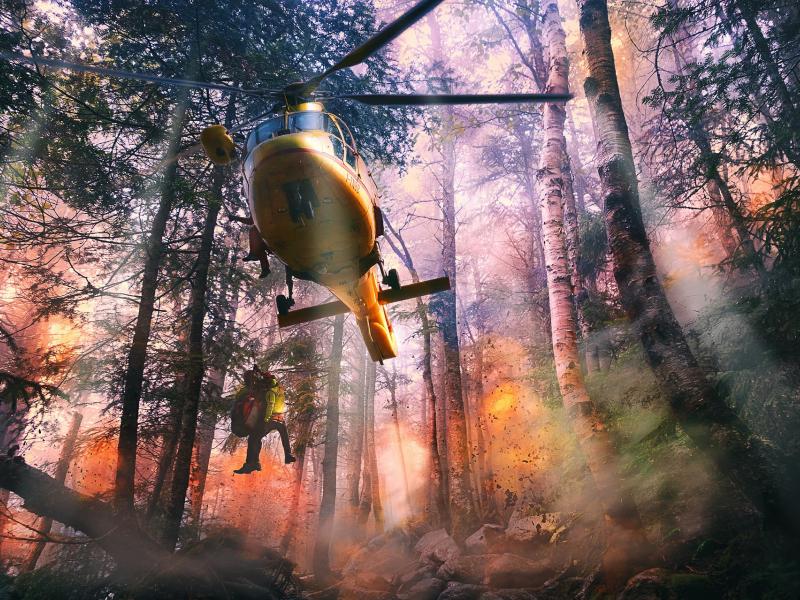
PNNL combines AI and cloud computing with damage assessment tool to predict path of wildfires and quickly evaluate the impact of natural disasters, giving first responders an upper hand.