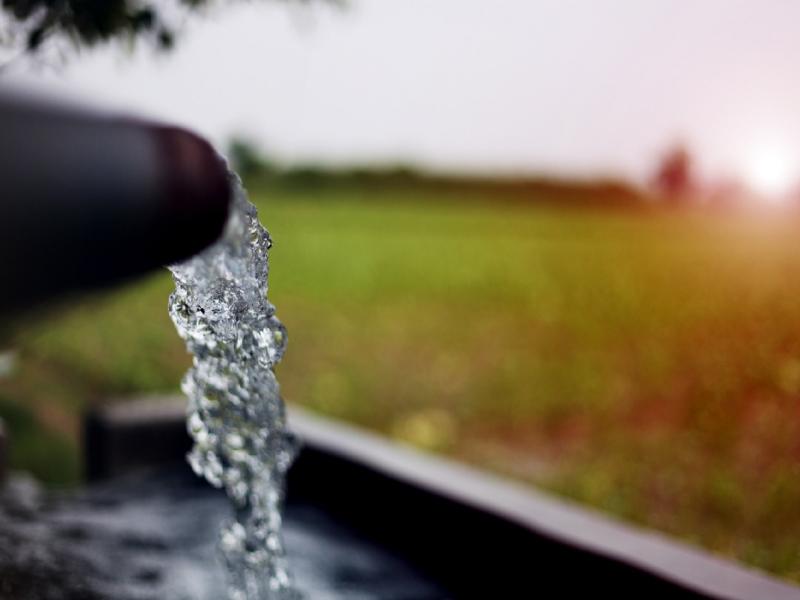
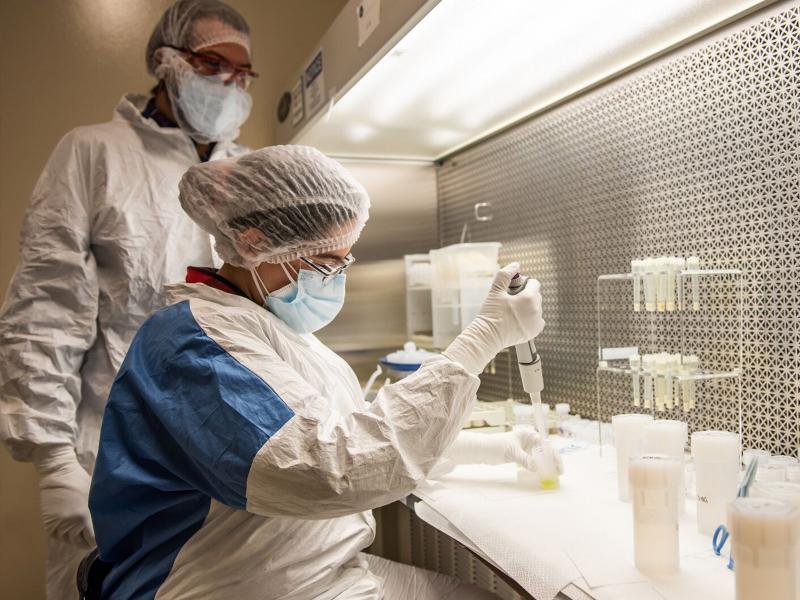
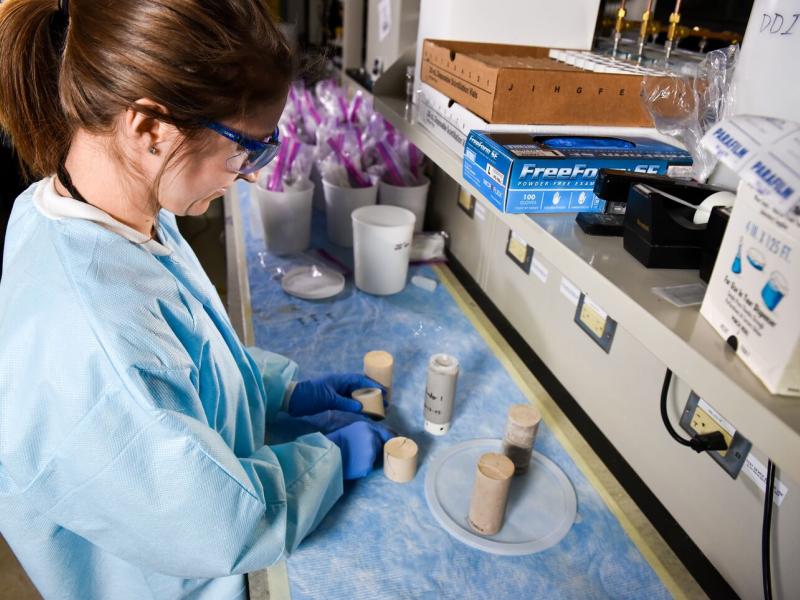
PNNL provided ultra-low measurements of argon-39 to date groundwater as part of a collaborative study of the aquifer in California’s San Joaquin Valley. PNNL is one of only a few laboratories worldwide with this capability.
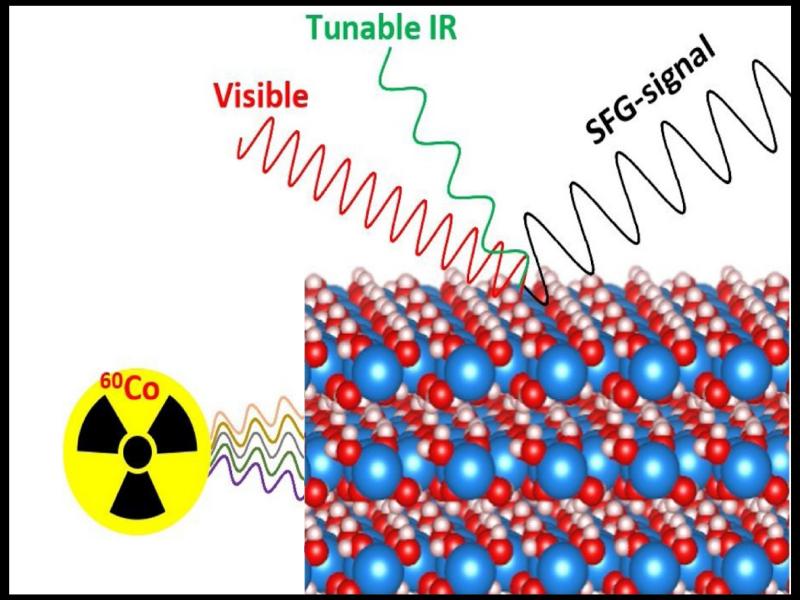
Researchers gained insight into the interfacial radiation chemistry of radioactive waste sludge through studies of surface functional groups on model aluminum-containing solids
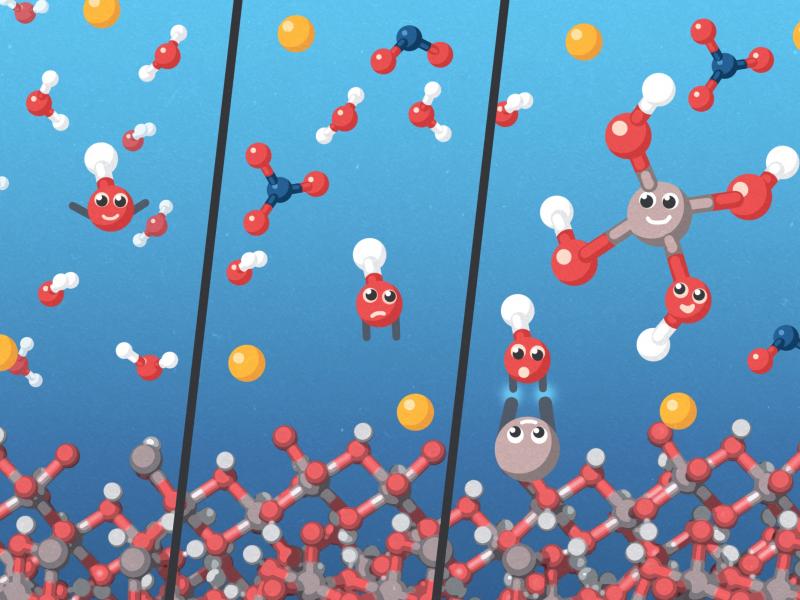
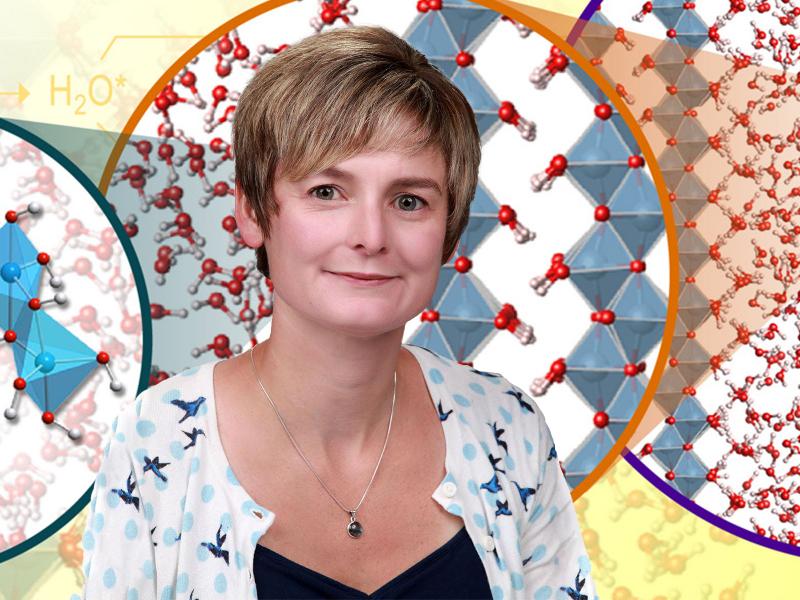
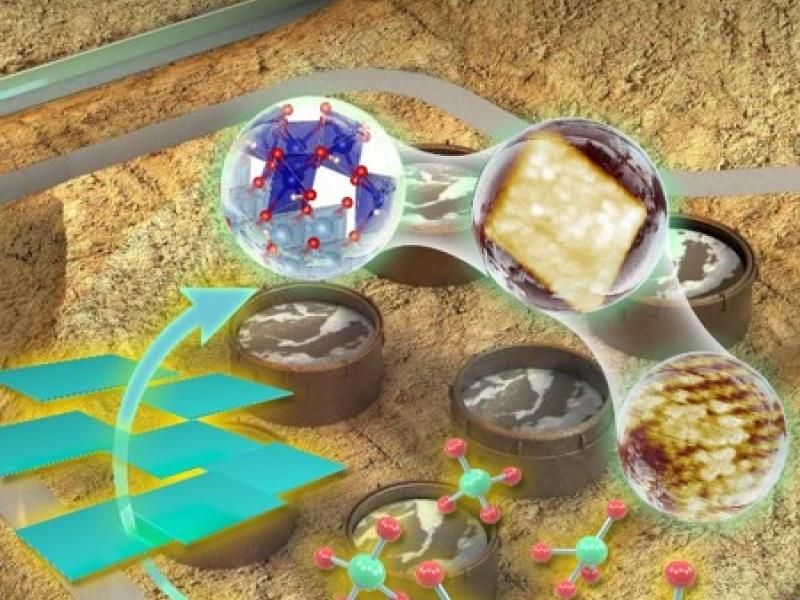
IDREAM researchers have discovered the chemical processes that underpin gibbsite solubility in sodium hydroxide, including sodium nitrate and sodium nitrite interactions.
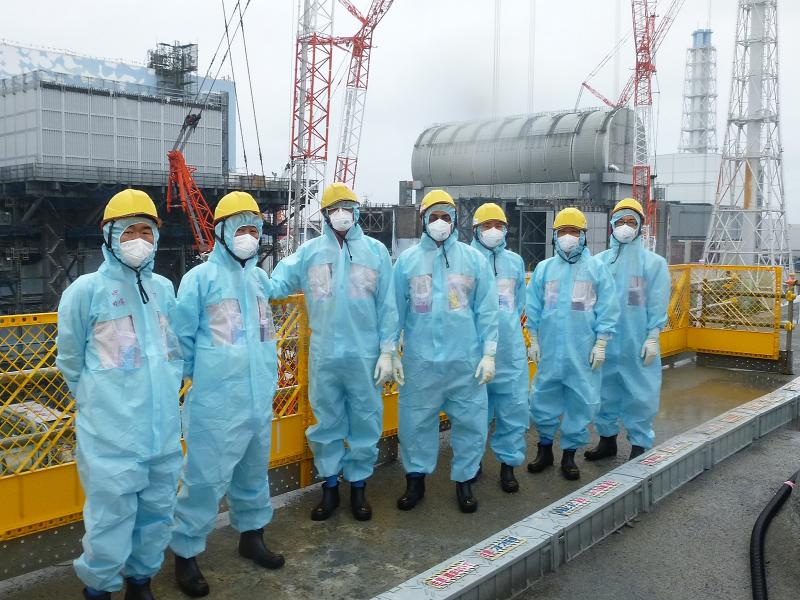
On the looming 10th anniversary of the Fukushima disaster at the Daiichi Power Station in Japan, PNNL looks back at the science and solidarity it has shared with Fukushima and its nuclear cleanup effort.
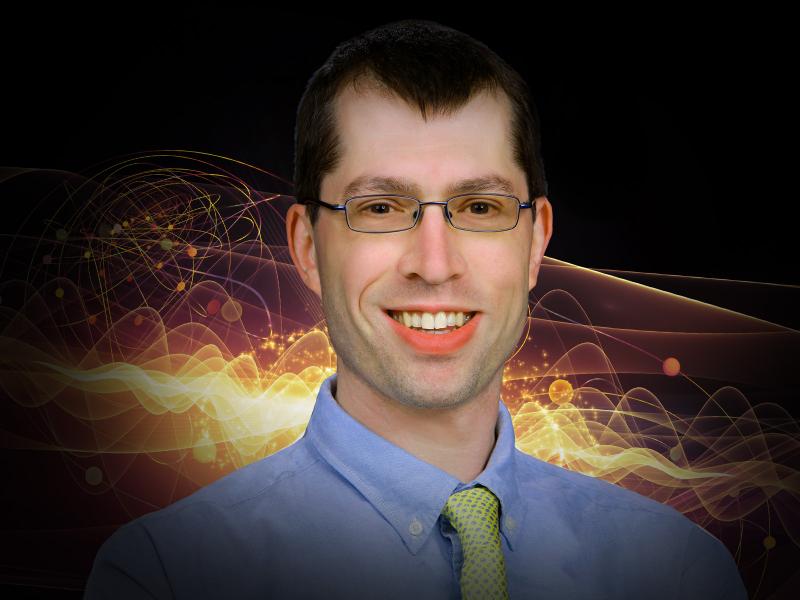
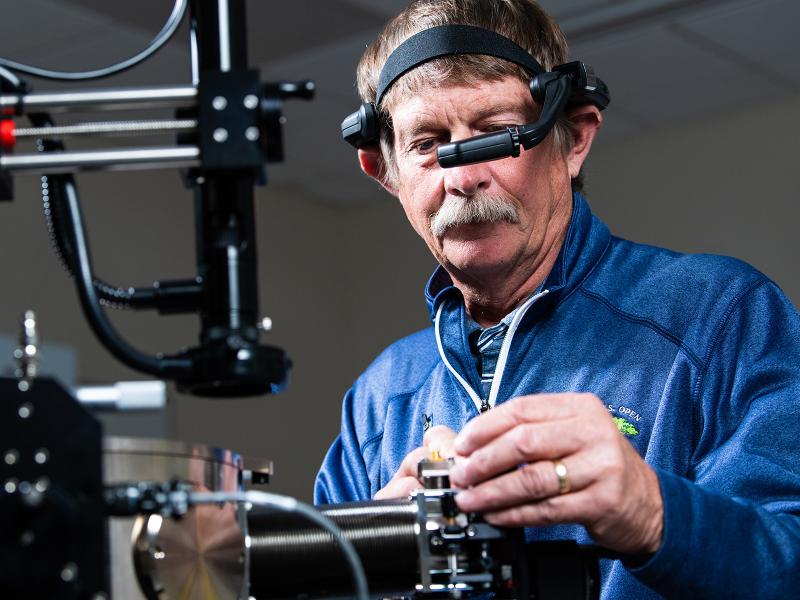
As a physicist at PNNL, Jon Burnett’s work is about developing instruments to detect ultra-trace radionuclide signatures, analyze samples from around the world to look for evidence of nuclear explosions, and then interpret that information.
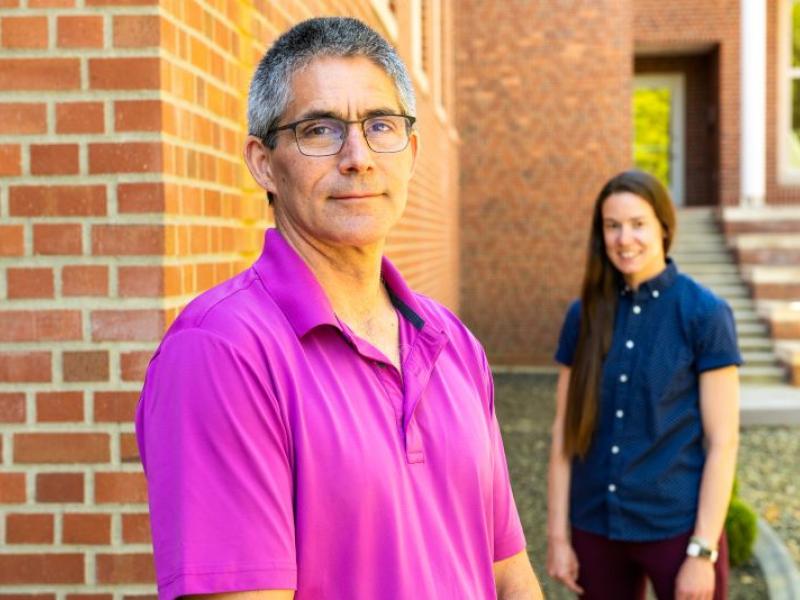
Beginning in 2021, PNNL chemical physicist Bruce Kay begins a three-year term as an AVS trustee, part of a six-member committee responsible for overseeing the administration of student scholarships and major society awards.
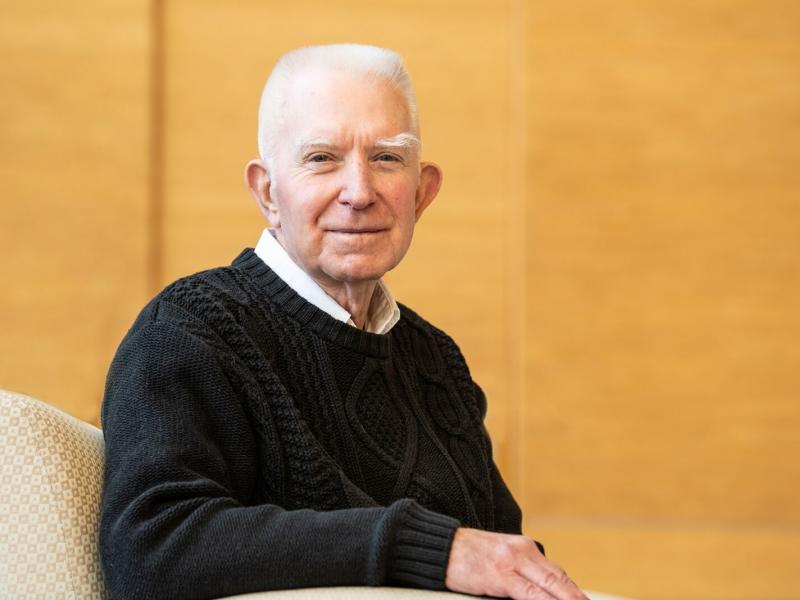
Project manager Larry Morgan has spent half a century at Pacific Northwest National Laboratory—marking one of the longest tenures in the laboratory’s history.
As COVID-19 was limiting in-person contact, halting travel, and creating additional barriers, researchers at PNNL were working to find solutions on how they could still get work done while establishing new safety protocols.
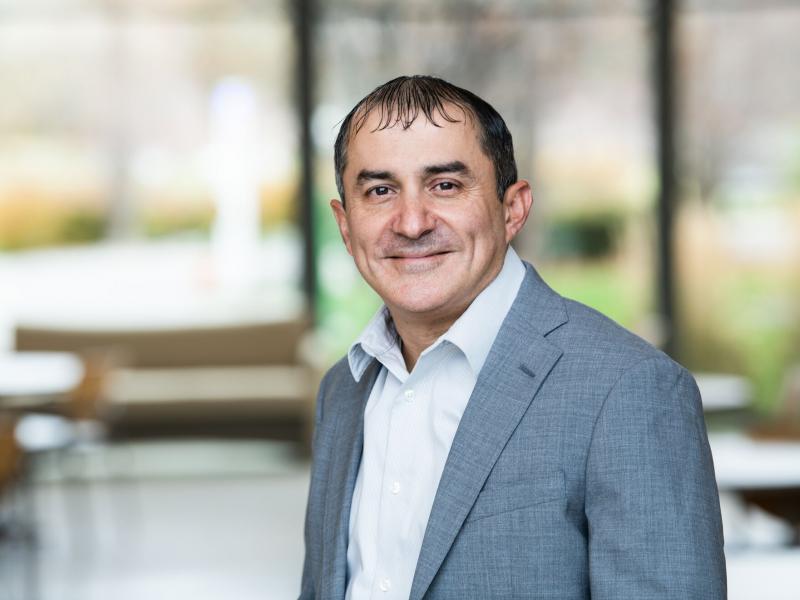
Rey Suarez was the keynote speaker at the Preparatory Commission of the Comprehensive Nuclear-Test-Ban Treaty Organization’s Specialized Technical Meeting on Preventive and Predicative Maintenance of the International Monitoring System.