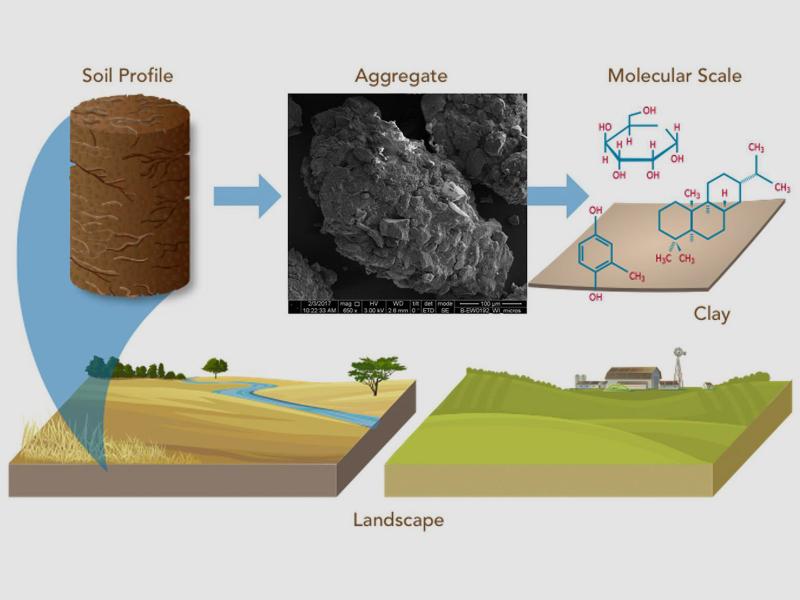
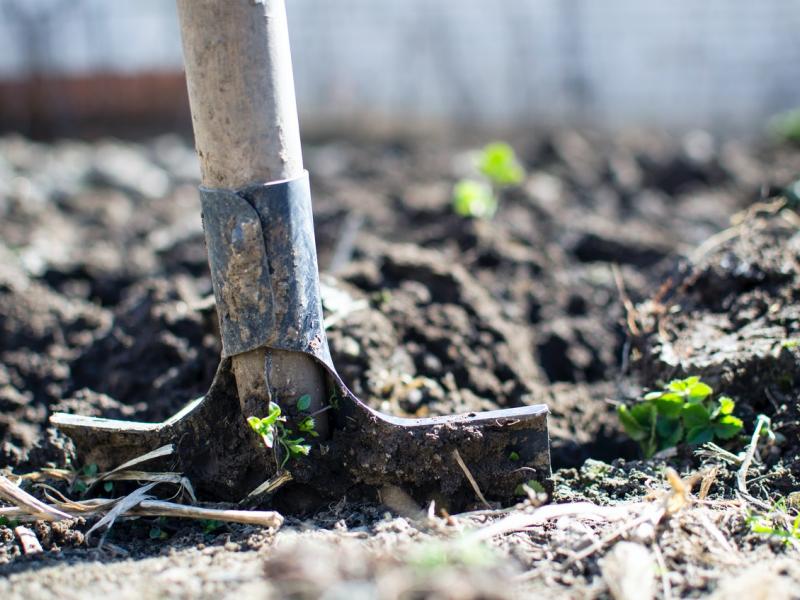
Microbiome and soil chemistry characterization at long-term bioenergy research sites challenges idea that switchgrass increases carbon accrual in surface soils of marginal lands.
PNNL led a multi-institutional effort to design a highly active and more durable catalyst made from cobalt, which sets the foundation for fuel cells to power transportation, stationary and backup power, and more.
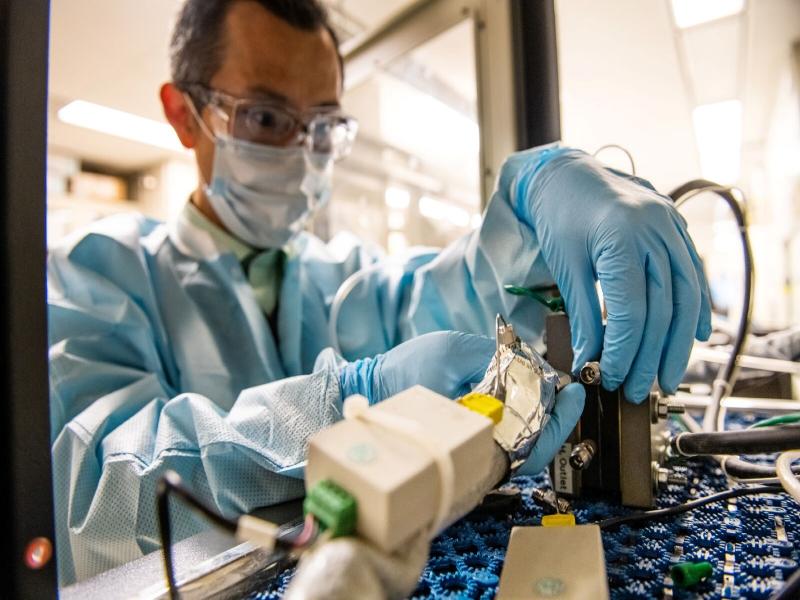
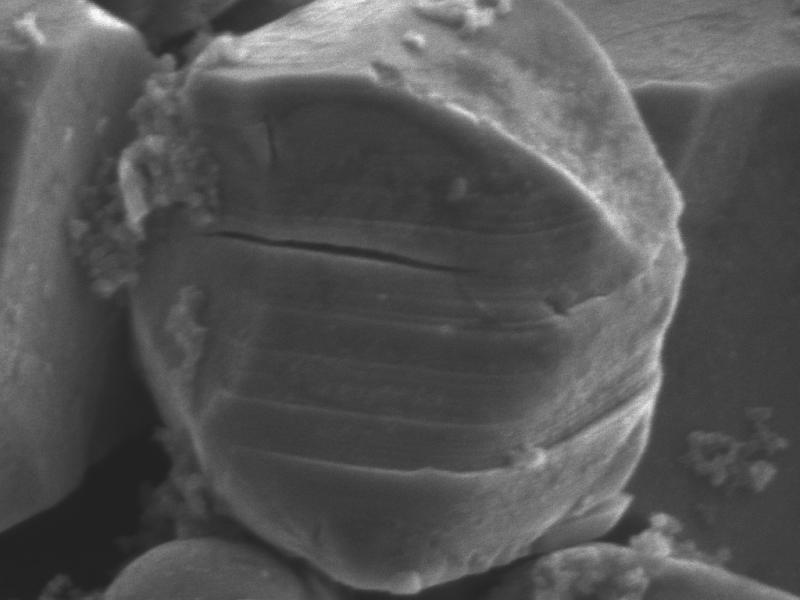
Scientists have created a single-crystal, nickel-rich cathode that is hardier and more efficient than before—important progress on the road to better lithium-ion batteries for electric vehicles.
Clarivate Analytics recently unveiled its 2020 list of Highly Cited Researchers. The list named 17 PNNL scientists for their influential and oft-referenced work.
Two PNNL researchers, one a world-leading authority on microorganisms, the other an expert on coastal ecosystem restoration, have been elected fellows of the American Association for the Advancement of Science.
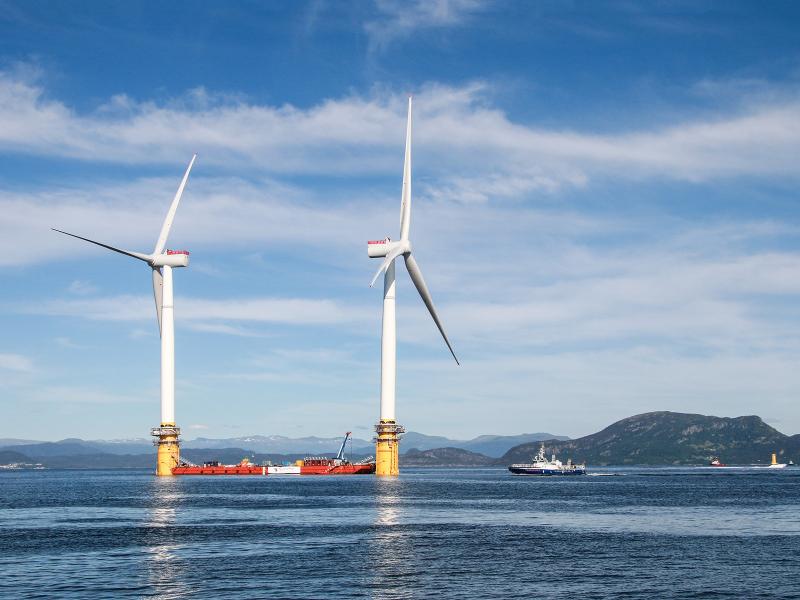
PNNL researchers say that offshore wind energy can add value to the electric grid, beyond just the power it can produce, if locations and strategies are optimized.
This committee represents the country’s soil science community in the International Union of Soil Sciences, advises The National Academies, and communicates with professional societies and organizations.
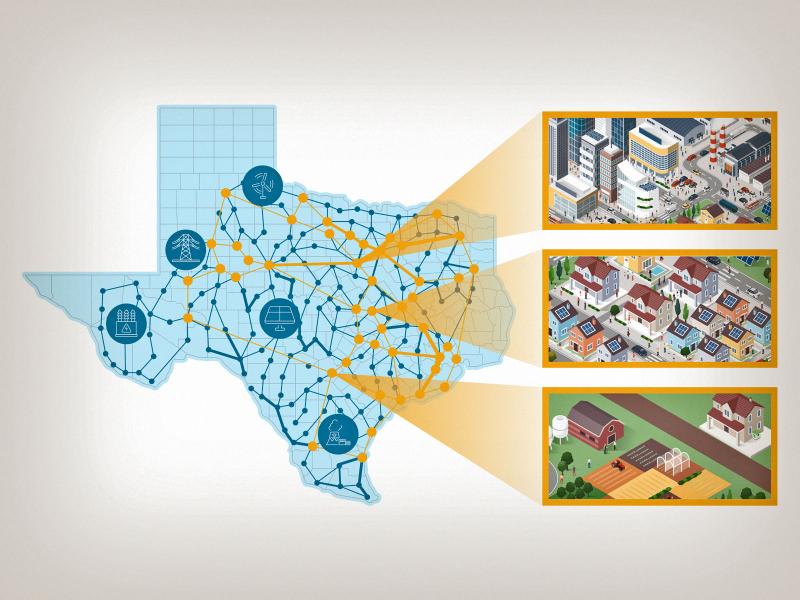
PNNL’s longstanding grid and buildings capabilities are driving two projects that test transactive energy concepts on a grand scale and lay the groundwork for a more efficient U.S. energy system.
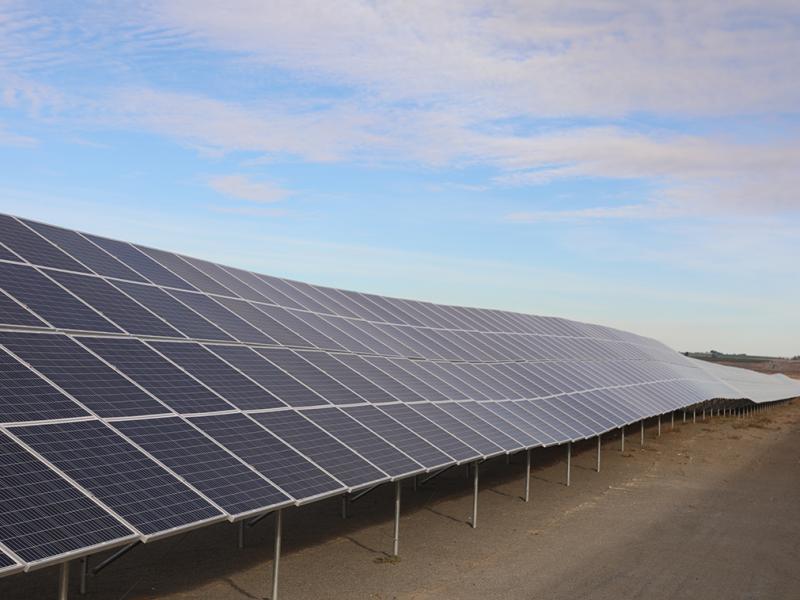
PNNL is one of the collaborating partners on a new grid-scale solar and energy storage installation near the PNNL campus in a project led by Energy Northwest.
Sharon Hammes-Schiffer, deputy director of the Center for Molecular Electrocatalysis (CME), has received awards from both the Royal Society of Chemistry and the American Chemical Society.
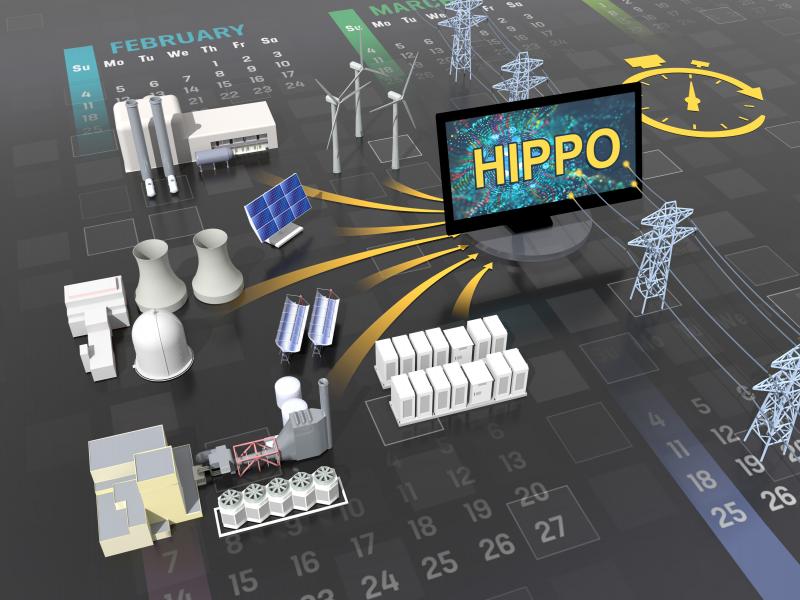
Making sure there’s enough electricity at the lowest price is a critical endeavor undertaken daily by electricity market operators. Now, there’s an approach that provides more timely and accurate information to make day-ahead decisions.
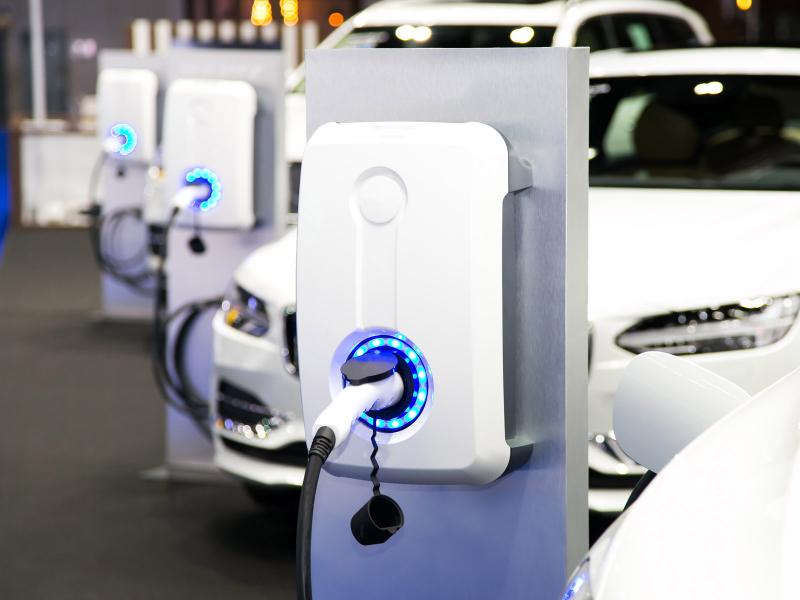
A new PNNL report says the western U.S. power system can handle large-scale vehicle electrification up to 24 million vehicles through 2028, but more than that and cities could start feeling the squeeze.
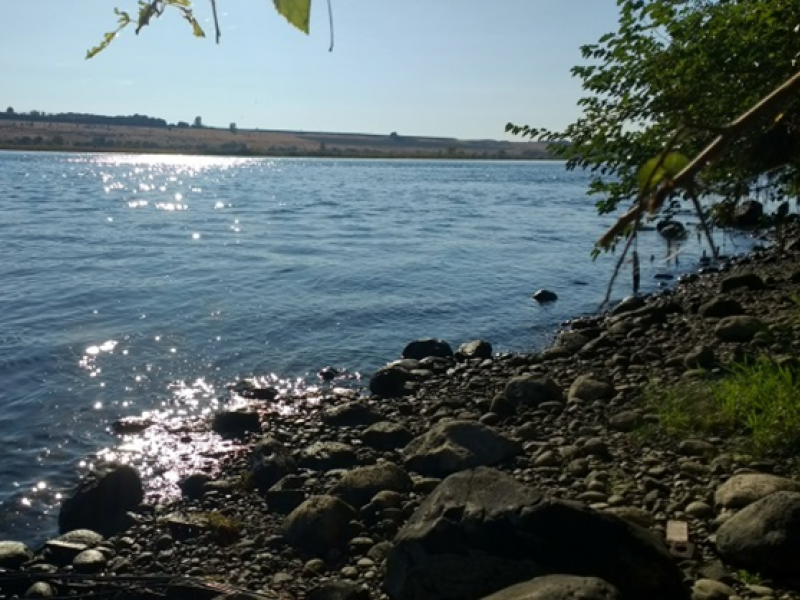
Researchers performed controlled laboratory experiments using river sediment to test organic matter thermodynamics as a mechanism of metabolic control in areas where groundwater and surface water mix.
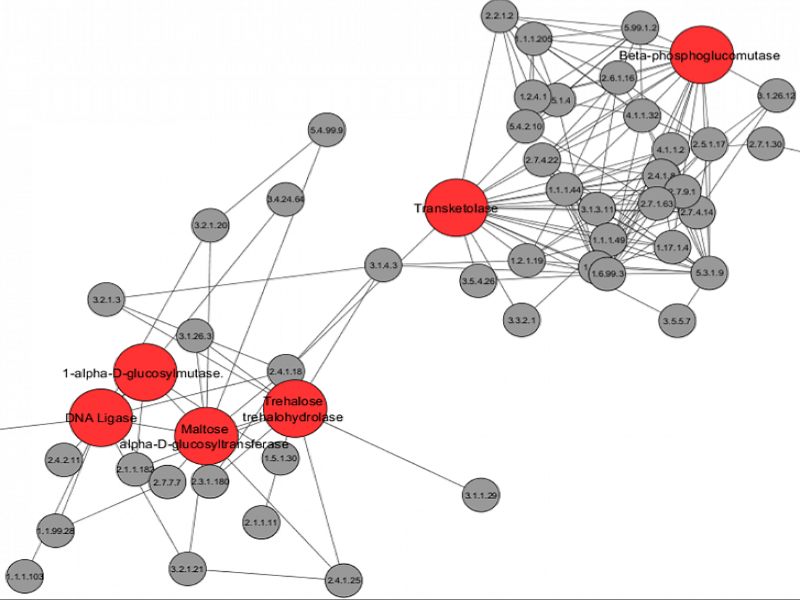
Researchers performed a combined analysis of metabolic and gene co-expression networks to explore how the soil microbiome responds to changes in moisture and nutrient conditions.
By studying discrete functional components of the soil microbiome at high resolution, researchers obtained a more complete picture of soil diversity compared to analysis of the entire soil community.