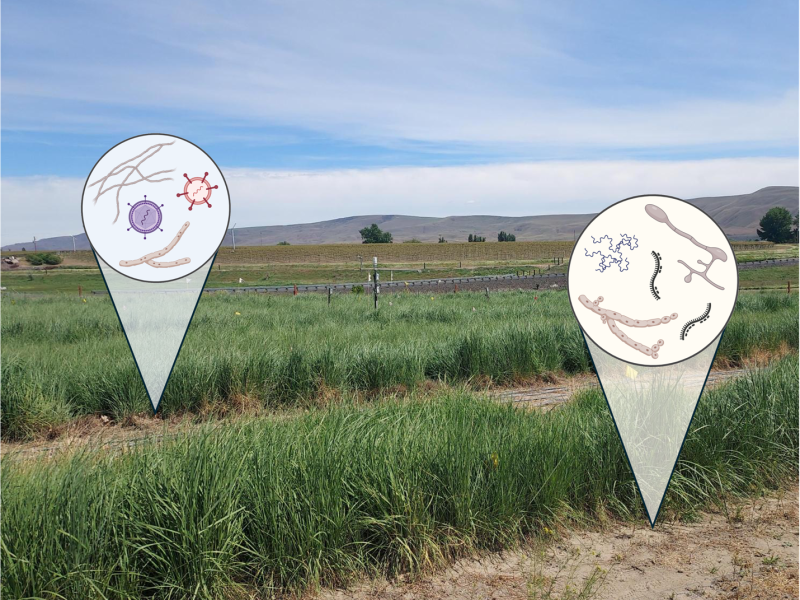
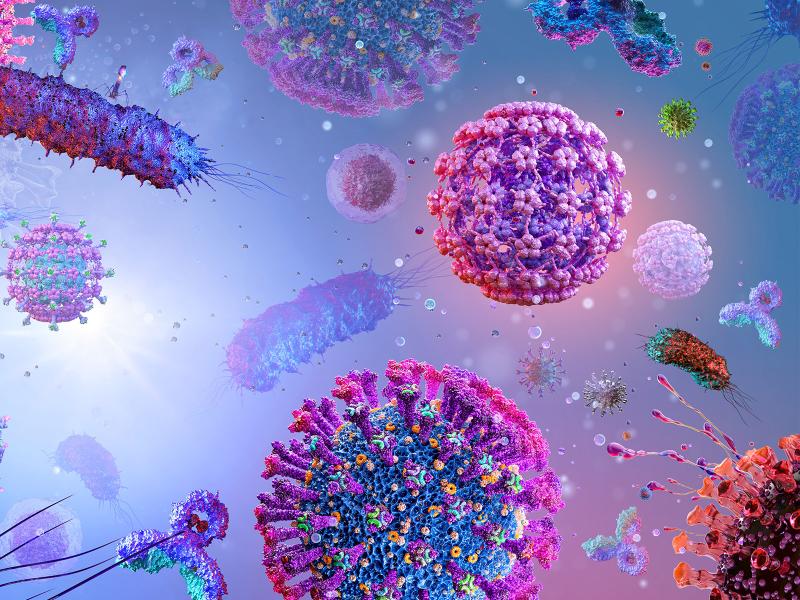
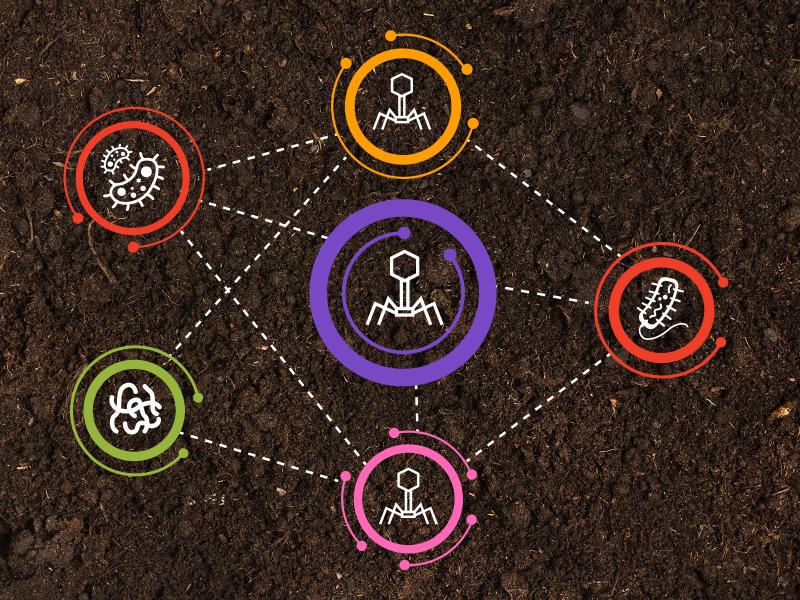
Despite the widespread presence of RNA viruses in soils, little is known about the relative contributions and interactions of biological and environmental factors shaping the composition of soil RNA viral communities.
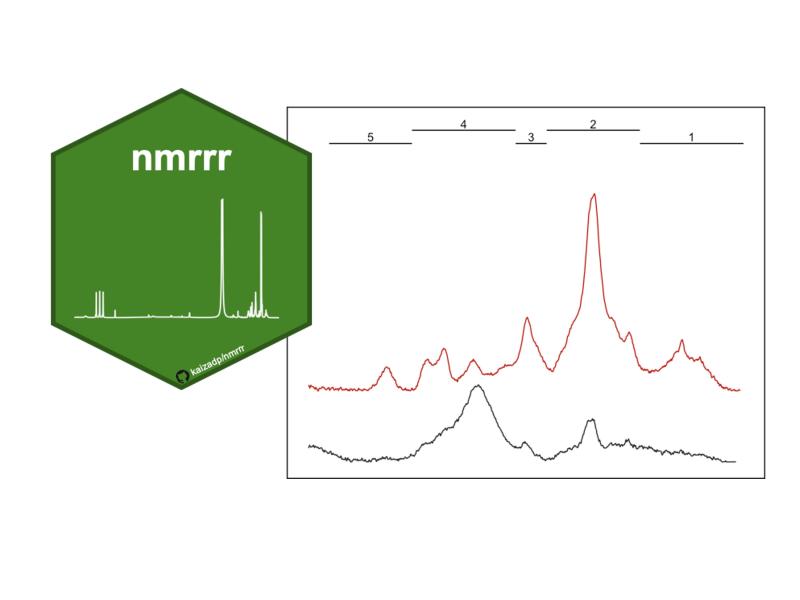
A team of researchers from Pacific Northwest National Laboratory and the Environmental Molecular Sciences Laboratory developed a new and flexible software tool called “Advanced Spectra PCA Toolbox.”
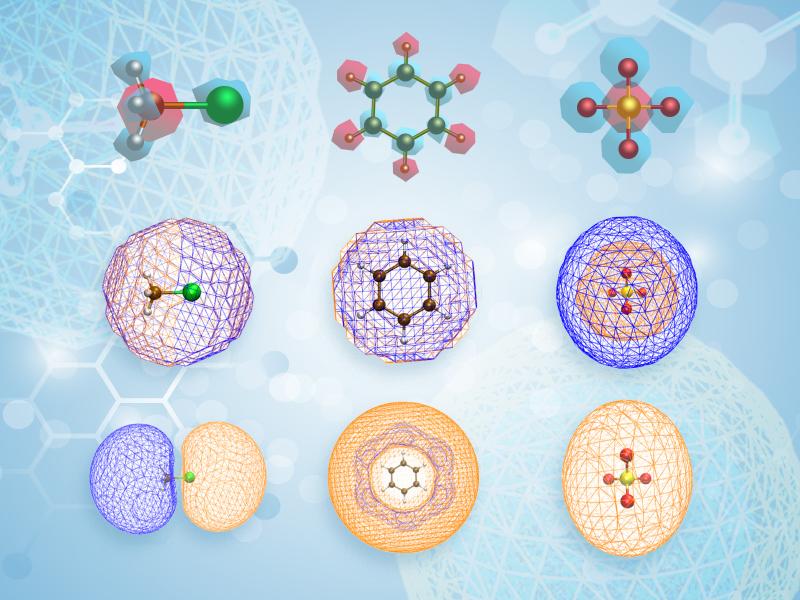
A new study demonstrates a hybrid model that can simulate part of a system at the molecular scale and other parts at larger scales in a computationally efficient manner, providing greater simulation flexibility.
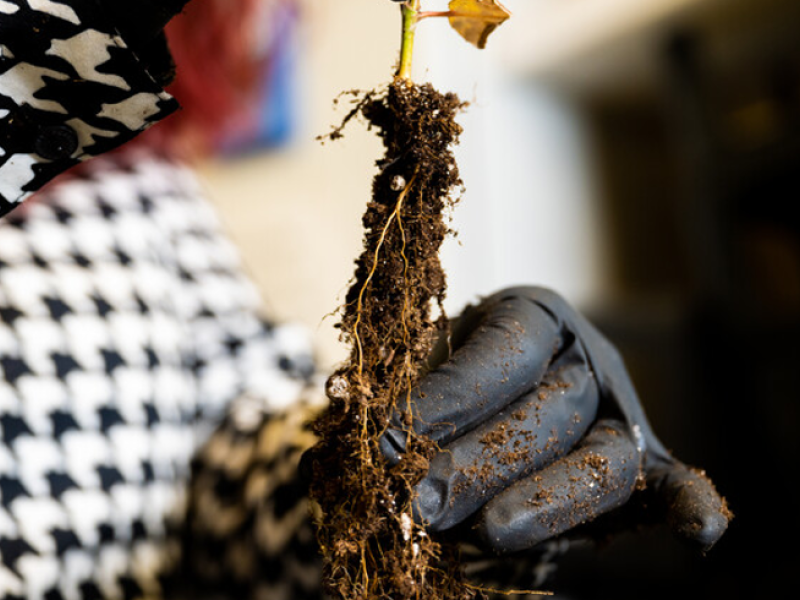
Sequencing of microbiome and characterization of metabolome revealed significantly different functions of fine root systems from four temperate tree species in a 26-year-old common garden forest.
Researchers investigated how stable nanoparticle suspensions form using facet engineering on hematite nanoparticles, demonstrating that controlling the faceting of nanoparticles can effectively maintain particle dispersity.
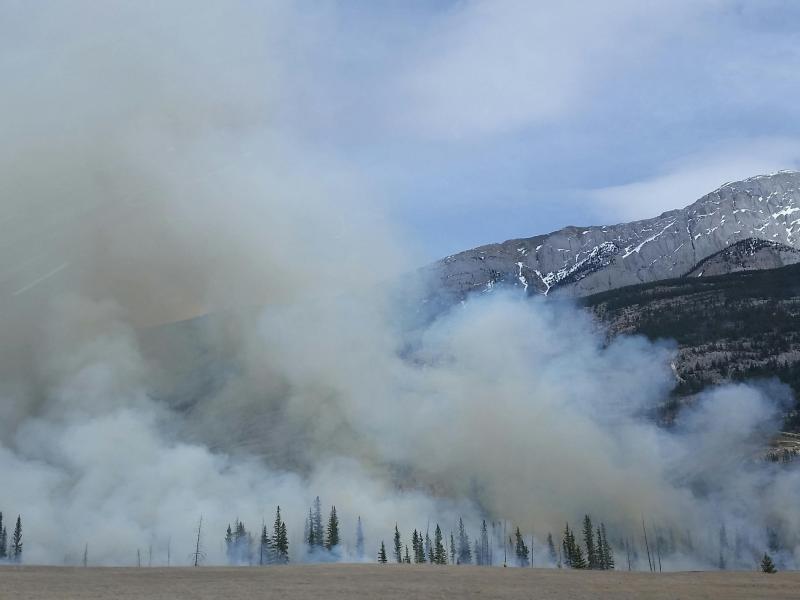
Researchers devised a quantitative and predictive understanding of the cloud chemistry of biomass-burning organic gases helping increase the understanding of wildfires.
Spatial proteomics enables researchers to link protein measurements to features in the image of a tissue sample, which are lost using standard approaches.
A team of scientists at PNNL developed new computational models to predict the behavior of these impurities and reduce the expense and risk related to actinide metal production.
Scientists screen for nanobodies that recognize wild type and mutant functional proteins to develop a framework to disrupt protein interactions that can cause disease.
PNNL is honoring its postdoctoral researchers as part of the fourteenth annual National Postdoc Appreciation Week with seven profiles of postdocs from around the Laboratory.