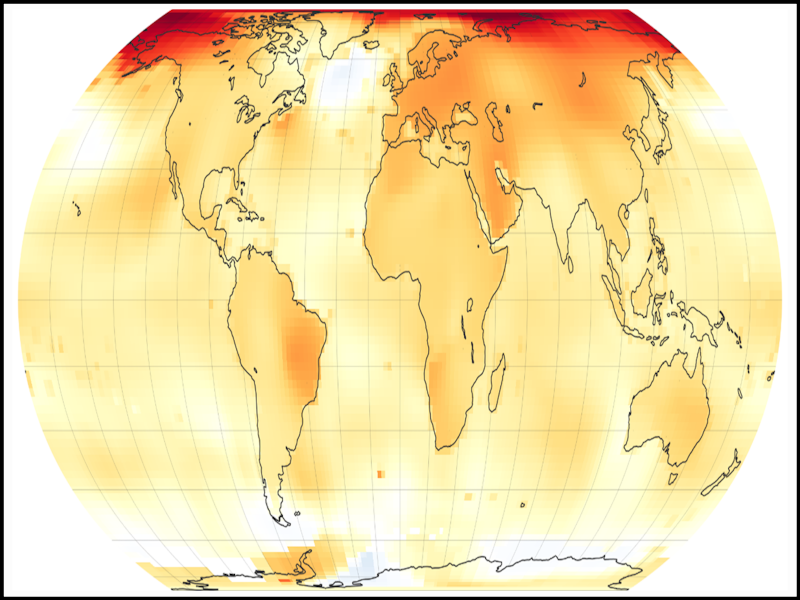
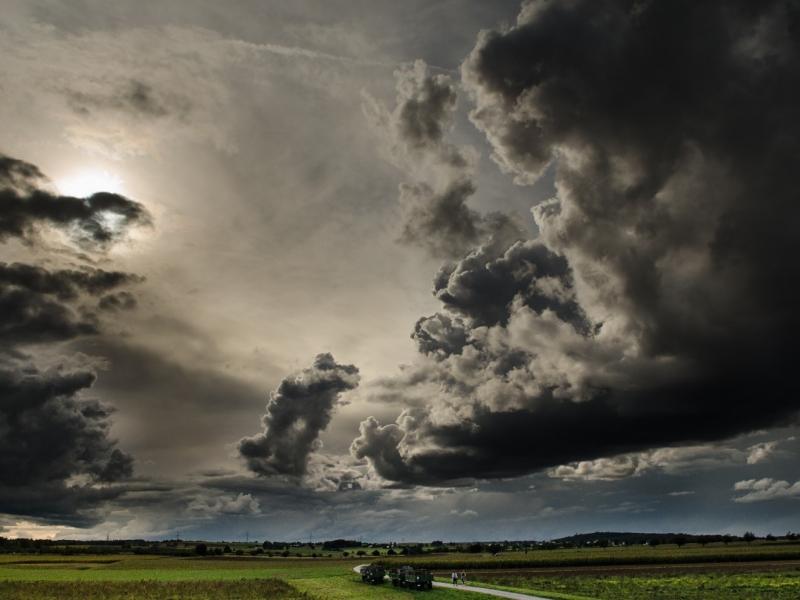
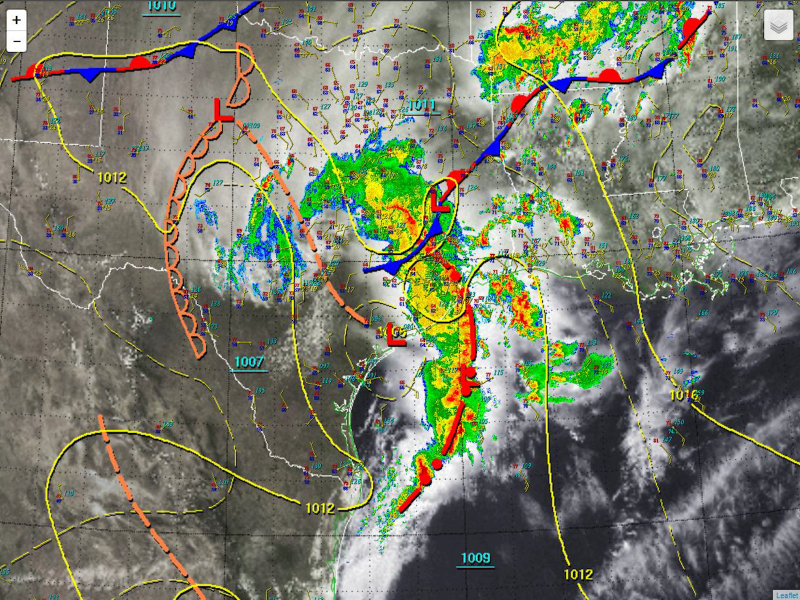
Ensembles of 20–25 members, notably smaller than traditional large ensembles, can accurately represent changes in extremes of temperature and precipitation.
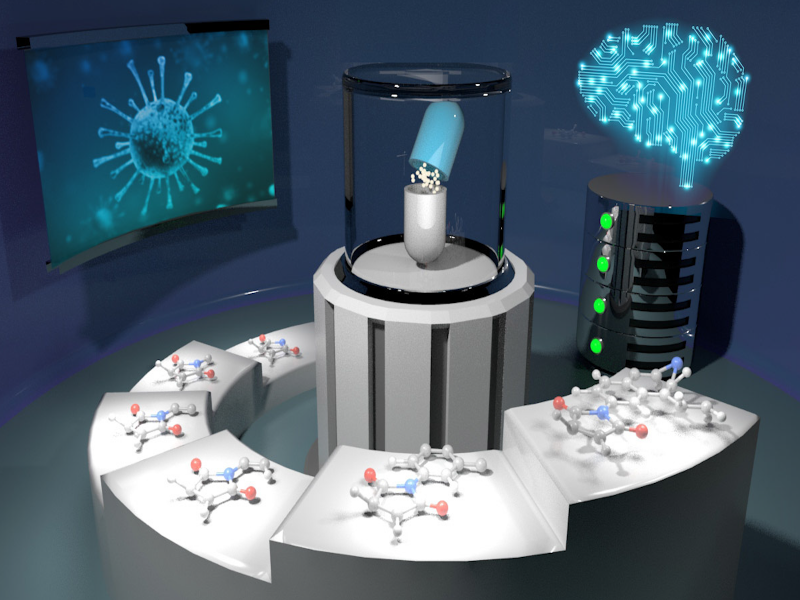
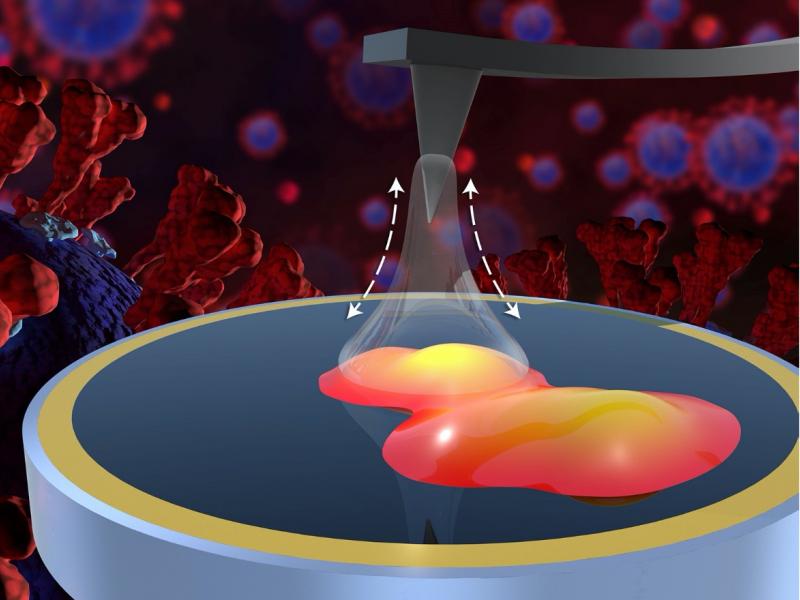
A multi-institutional team has obtained information about nanoscale interactions between the spike protein of the novel coronavirus SARS-CoV-2 and common household inorganic surfaces.
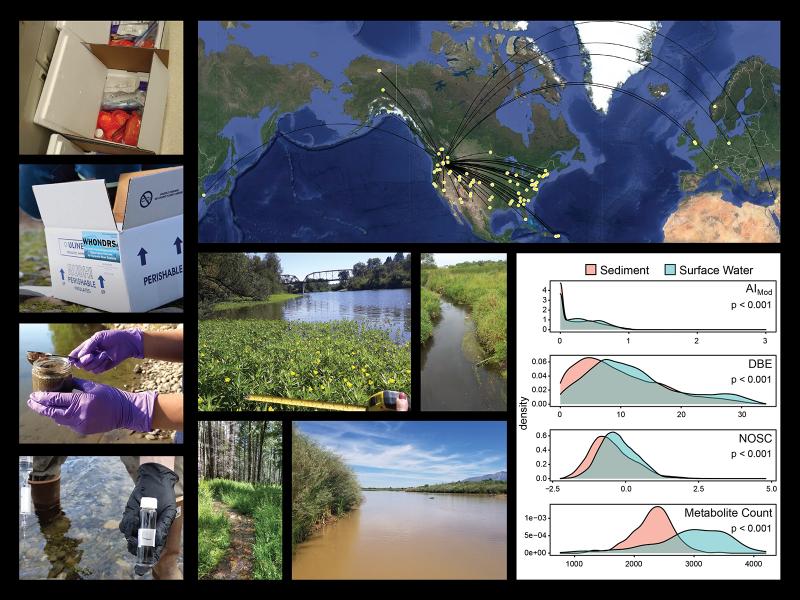
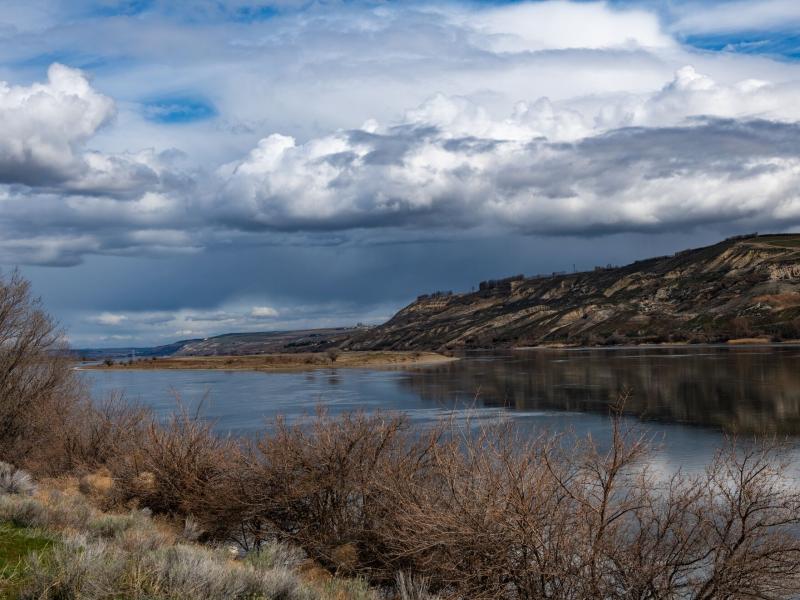
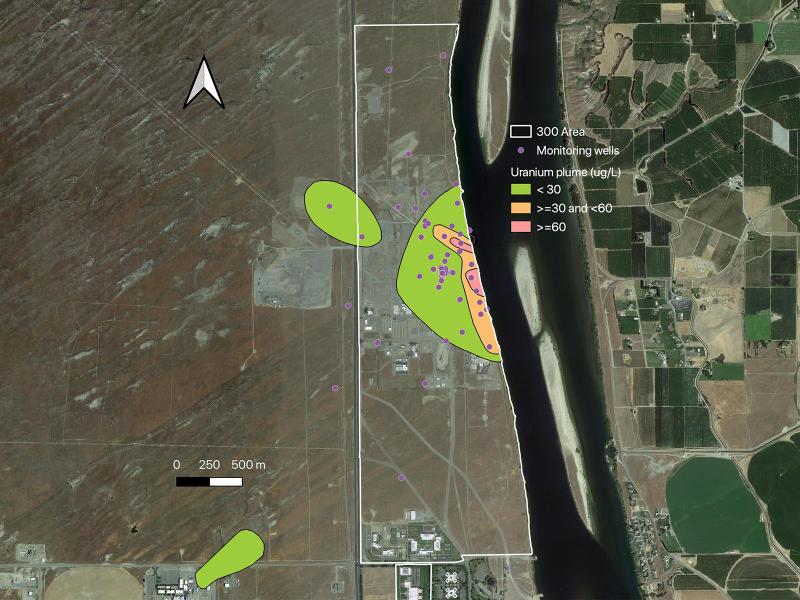
Integrating hydrogeology and biogeochemistry are required to model the dynamics of geochemical processes occurring in river corridor zones where groundwater and surface water mix.
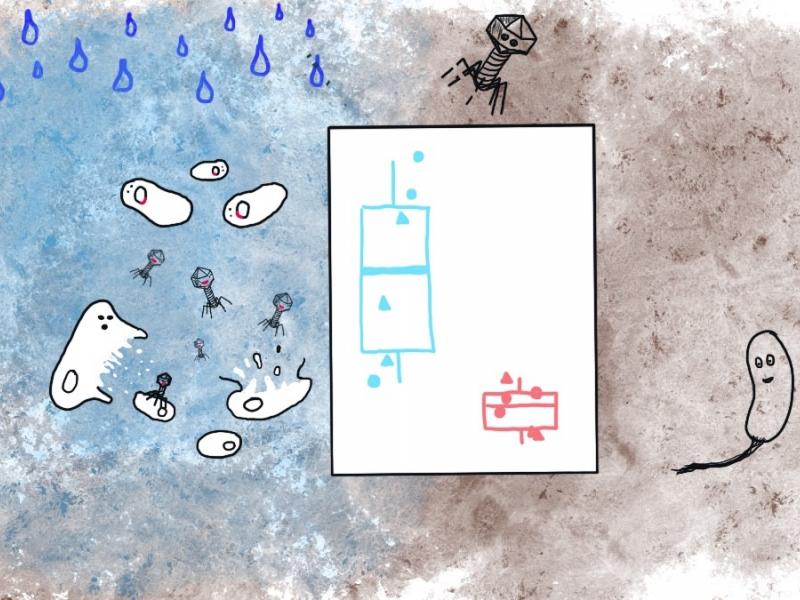
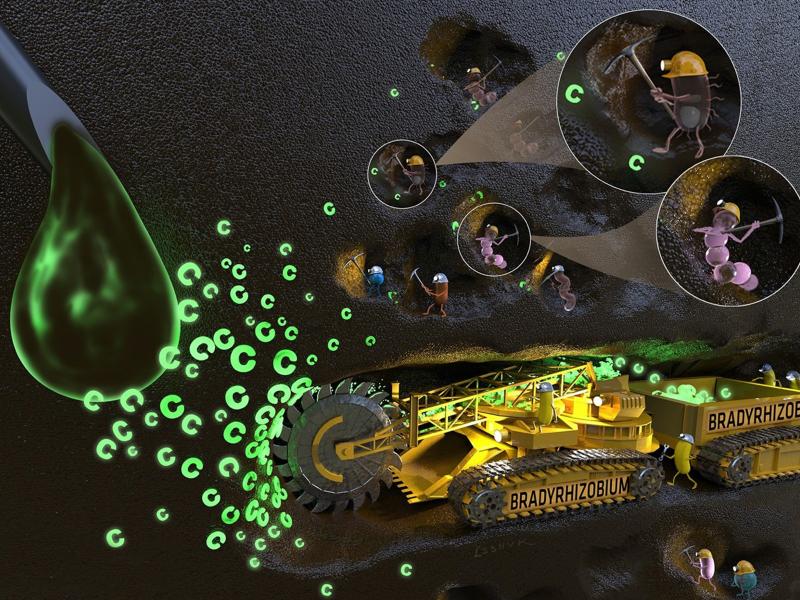
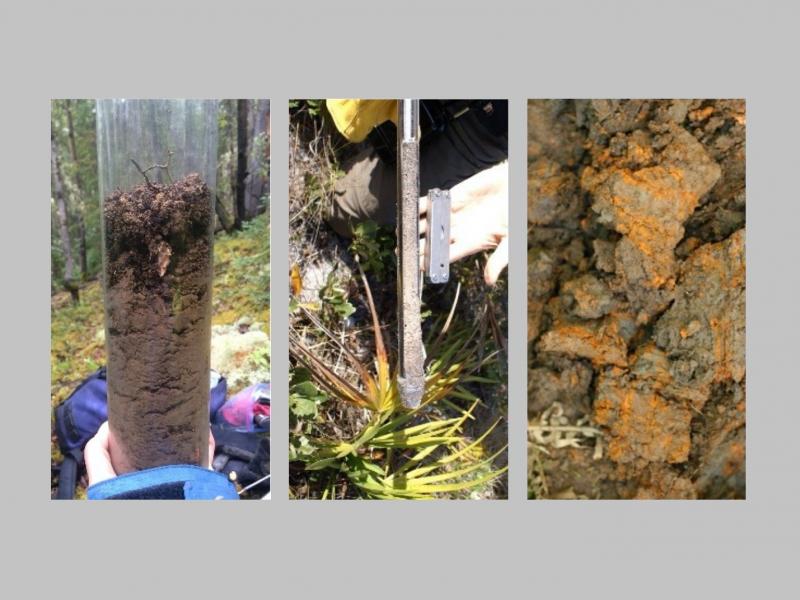
Knowing which bacteria in a community are involved with carbon cycling could help scientists predict how microbial carbon storage and release could influence future climate dynamics.