PNNL has developed a next-generation electrical resistivity tomography system for DOE that uses E4D software and AI-enhanced modeling to produce real-time subsurface images that help guide environmental remediation decisions.
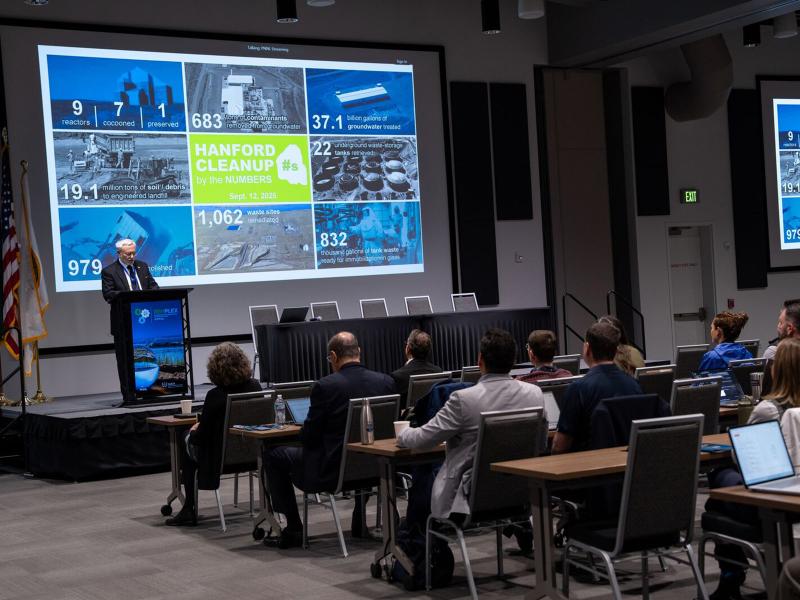
RemPlex 2025 Global Summit on Environmental Remediation attendees share knowledge about cleanup and monitoring of complex sites worldwide; more than 100 presentations are posted online.
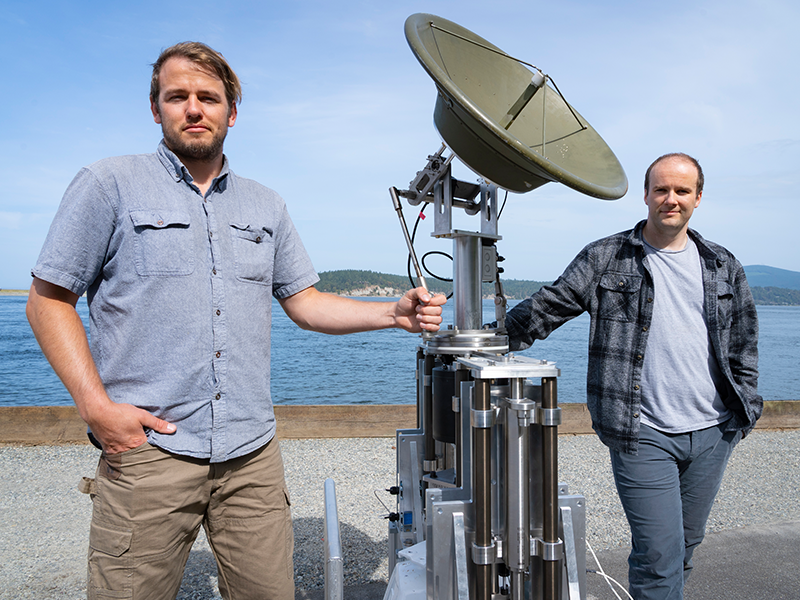
Engineers at PNNL devised a system that allows radar antennae to maintain stable orientation while mounted on platforms in open water that pitch and roll unpredictably. They were recently invited to participate in DOE's I-Corps program.
The Center for Continuum Computing at PNNL aims to integrate cloud platforms, high-performance computing, and edge devices into a seamless ecosystem that accelerates scientific discovery.
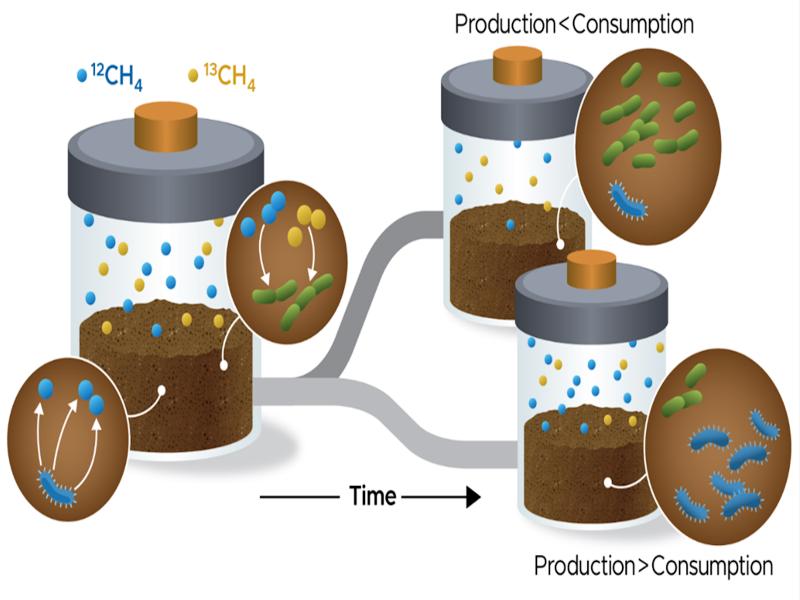
In soil, microbes produce and consume methane. Using a technique called pool dilution, researchers can separate the rate of methane production and consumption from the net rate.
The nation is closer to its offshore wind energy goals than ever before, but better wind forecasting is still needed. To address this challenge, PNNL and collaborators are charting a new course with help from novel technology.
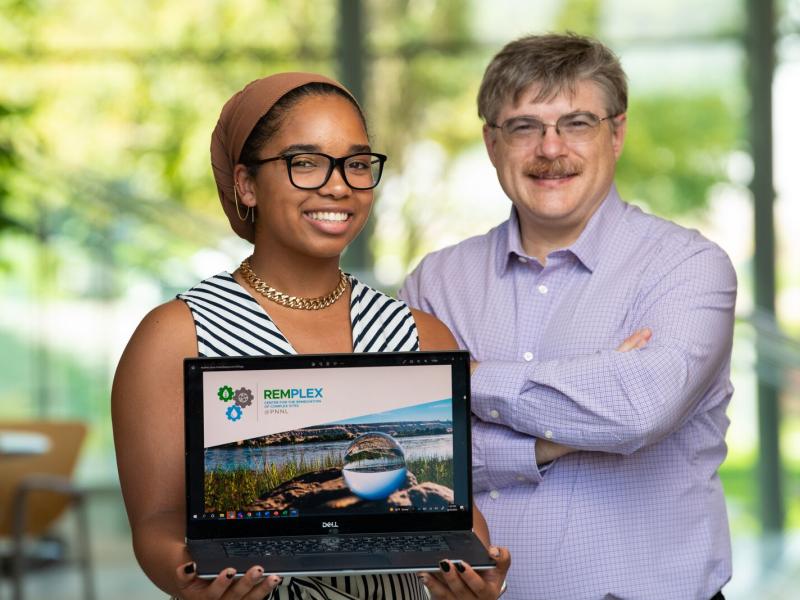
PNNL’s Center for the Remediation of Complex Sites convened attendees from around the world to discuss challenges associated with environmental contamination.
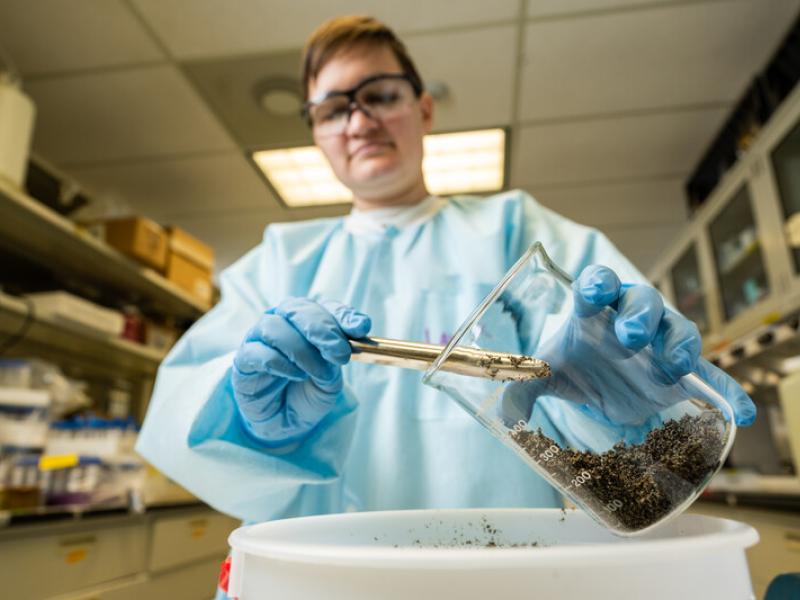
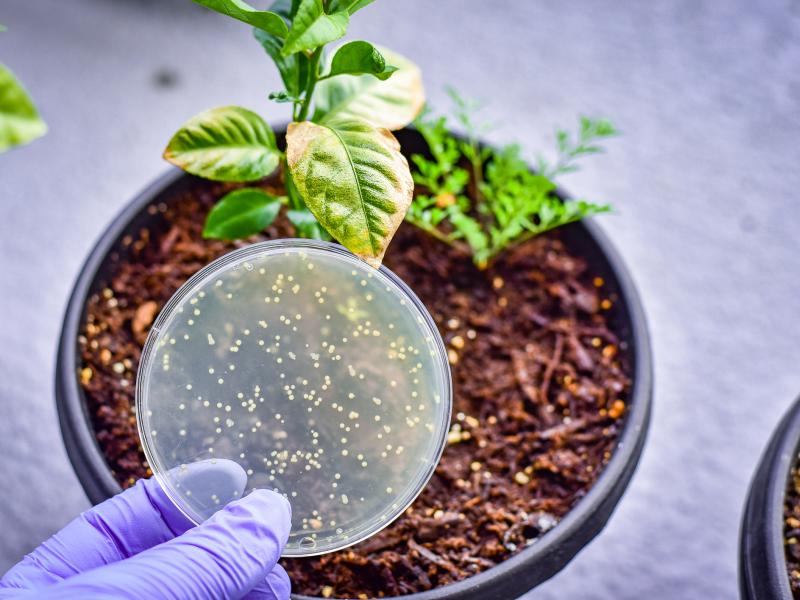
Scientists at PNNL have published a new article that focuses on understanding the composition, dynamics, and deployment of beneficial soil microbiomes to get the most out of soil.
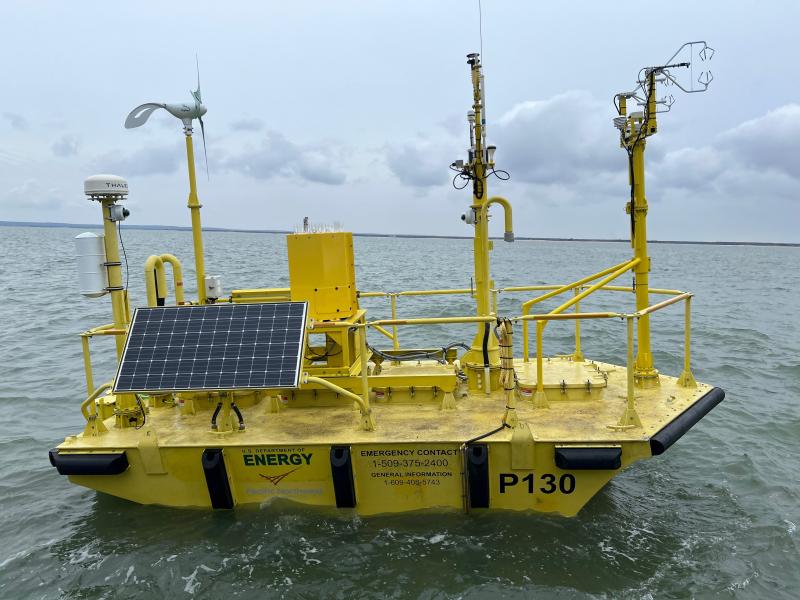
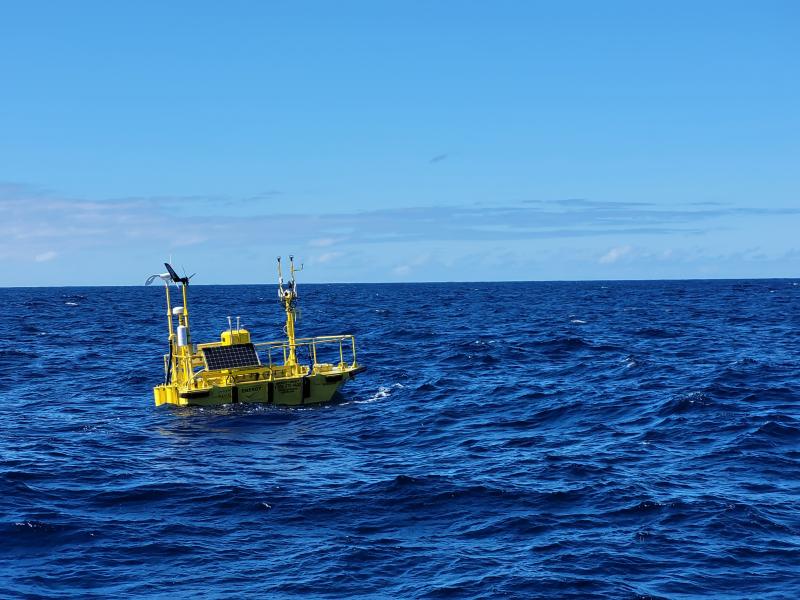
A research buoy managed by PNNL has been deployed in Hawai’ian waters, collecting oceanographic and meteorological measurements off the coast of O’ahu.
A multi-institutional team of wind energy experts led by PNNL assessed the scientific grand challenges for offshore wind and provided recommendations for closing gaps in models.
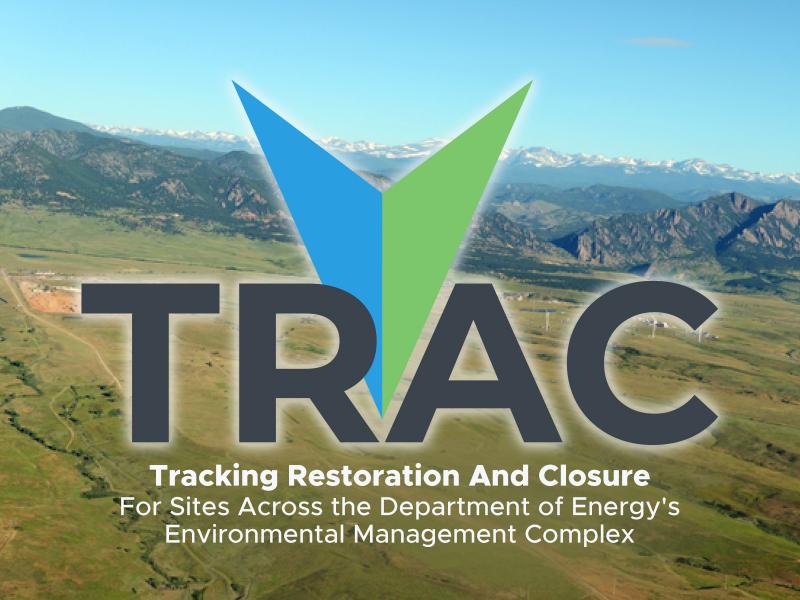
A new web-based tool provides easy-to-understand progress metrics and other data about groundwater cleanup sites overseen by the DOE Office of Environmental Management.
PNNL scientists have proposed an "adaptive site management" cleanup strategy for the Hanford Site's Central Plateau that incorporates a structured, flexible approach to environmental remediation.