Environmental Remediation Experts Explore Shared Challenges
RemPlex 2025 Global Summit on Environmental Remediation attendees share knowledge about cleanup and monitoring of complex sites worldwide
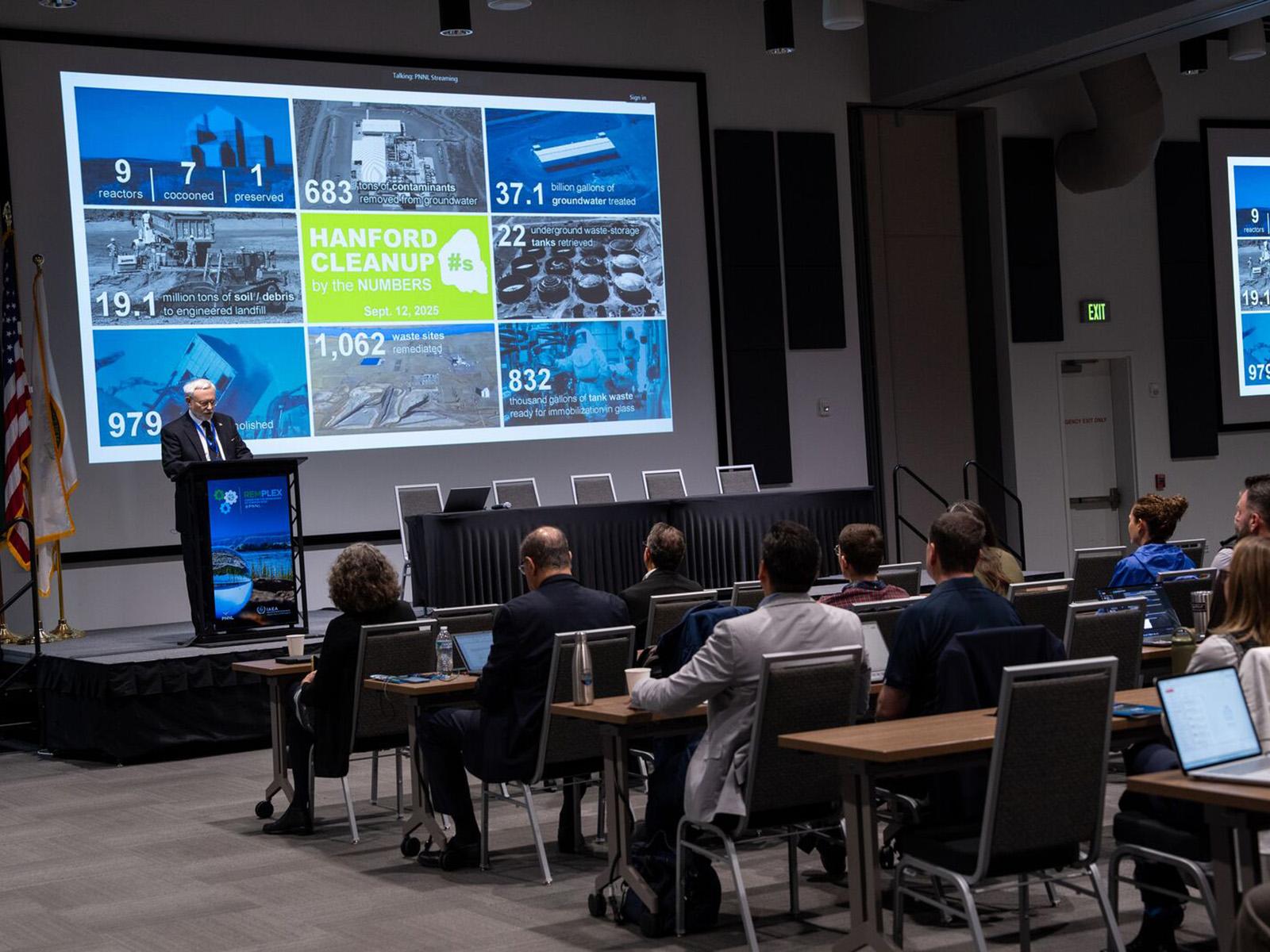
Cleanup consultant Richard Raymond speaks at the 2025 Global Summit on Environmental Remediation, held by the Center for the Remediation of Complex Sites (RemPlex) at Pacific Northwest National Laboratory in Washington State. In-depth discussions explored international approaches to remediation challenges; presentations and recordings are available on the Summit website.
(Photo by Andrea Starr | Pacific Northwest National Laboratory)
From subsurface monitoring demos to deep dives into modeling, system integration, and adaptive site management, the 2025 Global Summit on Environmental Remediation showcased the advantages of coordinated, science-driven strategies to address legacy contamination and emerging remediation challenges.
The event, organized by the Center for the Remediation of Complex Sites (RemPlex) at Pacific Northwest National Laboratory (PNNL) in cooperation with the International Atomic Energy Agency, convened more than 200 researchers and decision-makers from across the remediation industry.
Video recordings of each session, along with more than 100 presentations and posters, are available on the Summit website.
“This Summit brings together an international community of scientists, engineers, and practitioners who are united by a shared commitment to addressing the environmental legacies of the past and shaping a more sustainable future,” said Horst Monken-Fernandes, International Atomic Energy Agency environmental remediation specialist. “We meet at a time when the challenges of environmental remediation are growing, and complexity and climate change is something that adds to the mix in this regard.”
Connecting over complex cleanup
Over the three-day summit, attendees examined a broad range of issues that covered advancing predictive understanding of complex subsurface environments through integrated research, modeling, and field-scale demonstration; advances in multiscale process modeling, sensor networks, and data analytics; and regulatory frameworks, decision-making processes, sustainable remediation, and long-term stewardship.
“Our vision for the Global Summit was something that could get our practitioners together to share lessons learned and engage in a collaborative discussion around environmental remediation,” said Tom Brouns, RemPlex director at PNNL. “From the very beginning, the Global Summit has been a collaborative effort with the International Atomic Energy Agency, as well as the U.S. Department of Energy’s Offices of Environmental Management and Legacy Management, who’ve been graciously supportive of this effort as well as the generous industry sponsors who helped host and participated in this event.”
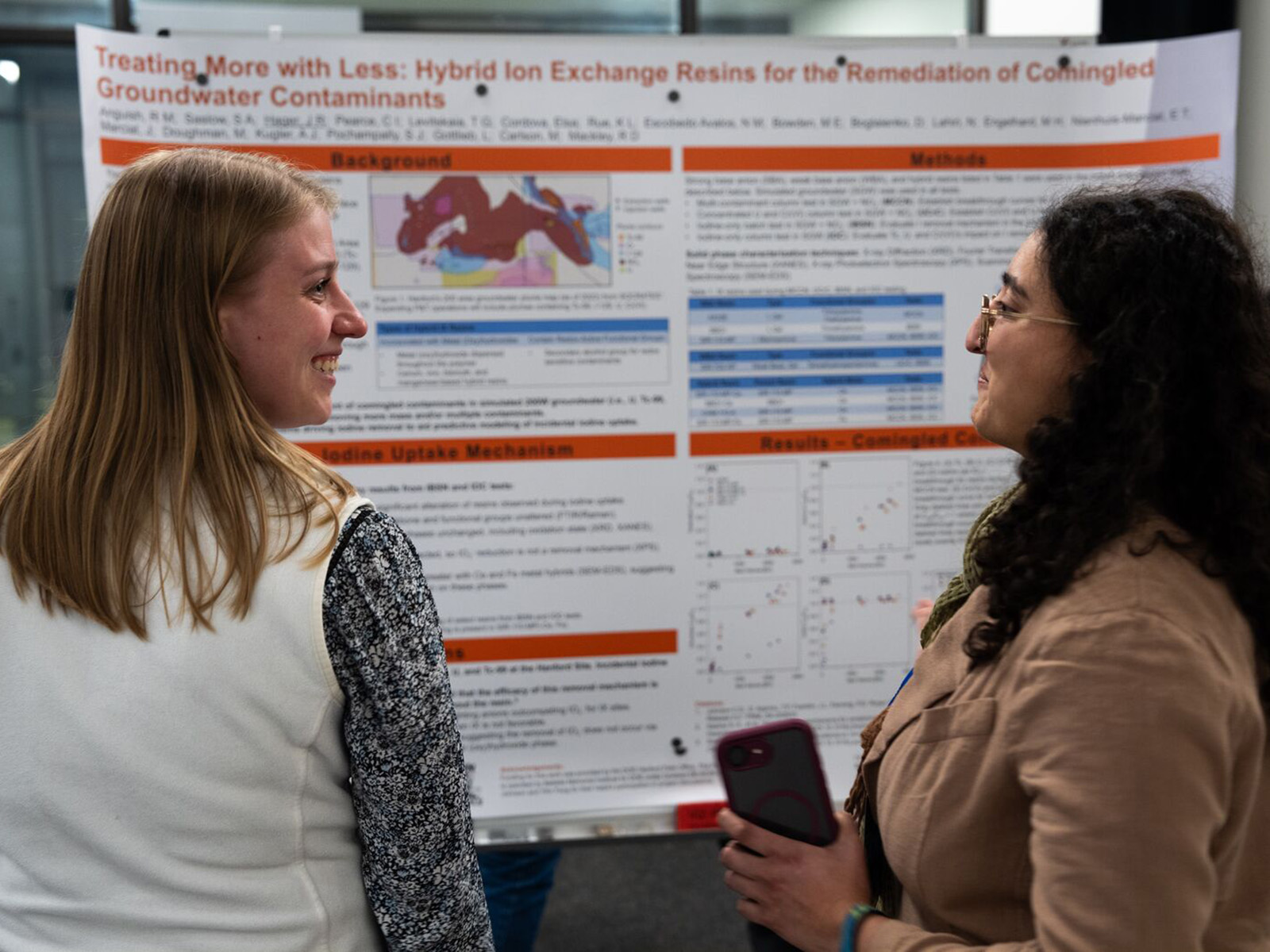
The day before the Summit, an optional geology field tour allowed attendees to explore the geological history of the Hanford Site area, with a special focus on the fate and transport of contaminants and their remediation in the vadose zone and groundwater.
“The reason I particularly like this conference is the range of participants with different experience,” said Andrew Cundy, professor of environmental radiochemistry at the University of Southampton in England. “You’ve got the chance to communicate with a range of people. Over the course of three days, you’ll pretty much meet everyone who’s attended. There’s always something for someone to learn, no matter how much of an expert they are—but also it’s presented in a really accessible way. Even if you’re new to the cleanup field, you’ll learn a lot and make some excellent contacts.”
Sparking cross-disciplinary dialogue
“The level of engagement here on the technical side is second to none, and bringing together the international community in a smaller conference has been extremely effective in allowing us to create engagements and partnerships,” said Jennifer Turner with Canadian Nuclear Laboratories. Turner, who oversees historical waste program environmental management efforts, noted the holistic impact of remediation. “Unless we are able to effectively deal with the legacies of the past, we won’t fully get the social license to proceed with new nuclear in the future, and this is the forum to help move that forward.”
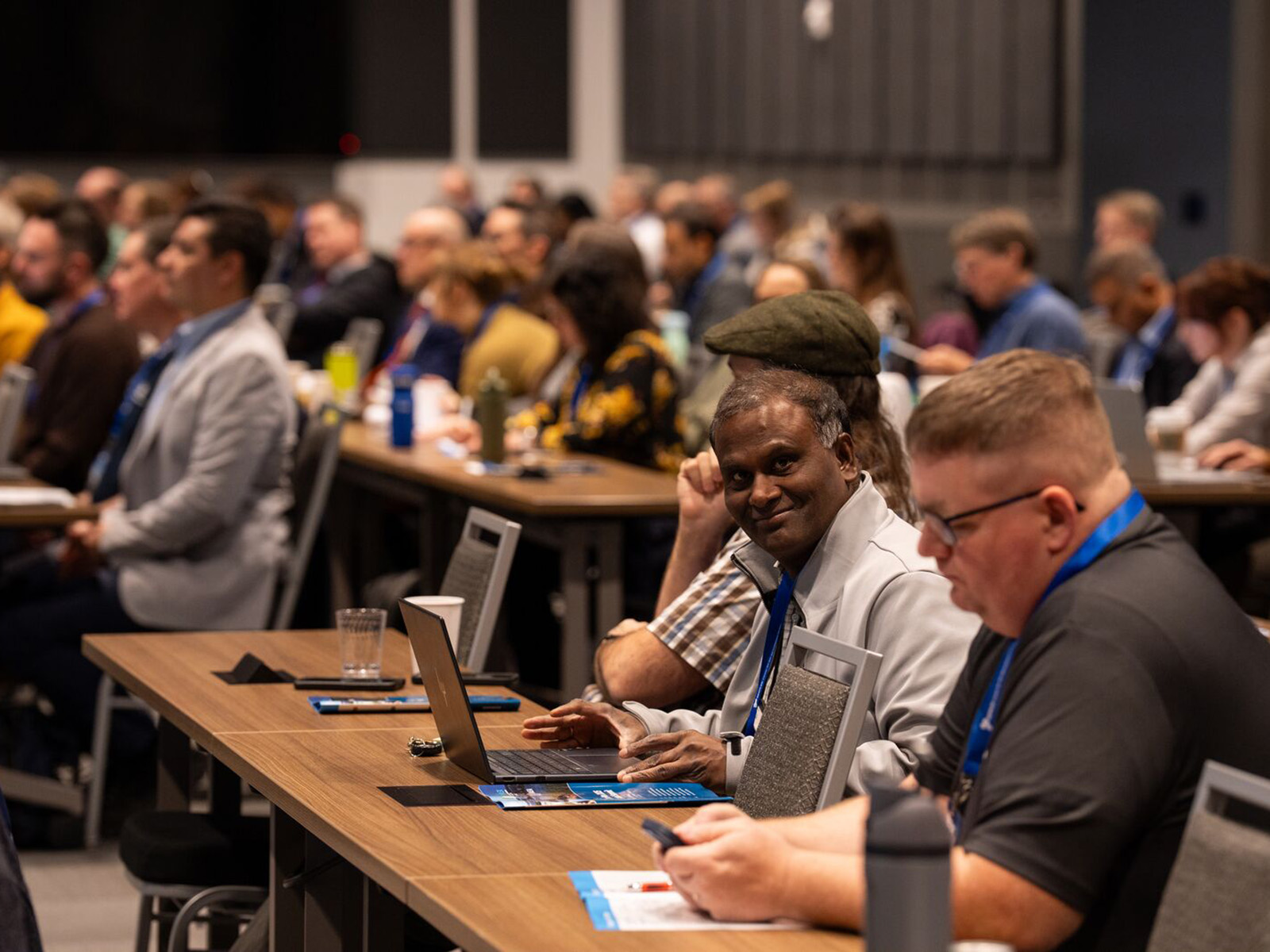
The Summit is designed to spark cross-disciplinary dialogue, the exchange of data, methods, and lessons learned, and strengthen international connections.
“I came two years ago, and this is one of my absolute favorite conferences,” said Siobhan Kitchen, with ddms inc., an environmental data management company. “It’s more intimate and real conversations happen, real connections are made, relationships are strengthened and at the end of all the sessions, people stick around and talk. People really get inside takeaways that they take back to places.”
Real-world remediation
Angela Becker-Dippmann, Interim Associate Laboratory Director for the Energy and Environment Directorate at PNNL, highlighted the excitement for international collaboration.
“The key to our history here at PNNL is really our collaboration with partners from across the spectrum in government, industry, academia, regulators, and also, importantly, the communities that have been affected by chemical and radiological contamination,” said Becker-Dippmann. “The impetus of RemPlex, the center as well as this Global Summit, is to bring together the international community, represented here this week, to share lessons learned, best practices, new developments, and innovation in a forum that enables the collaborations and partnerships to grow.”
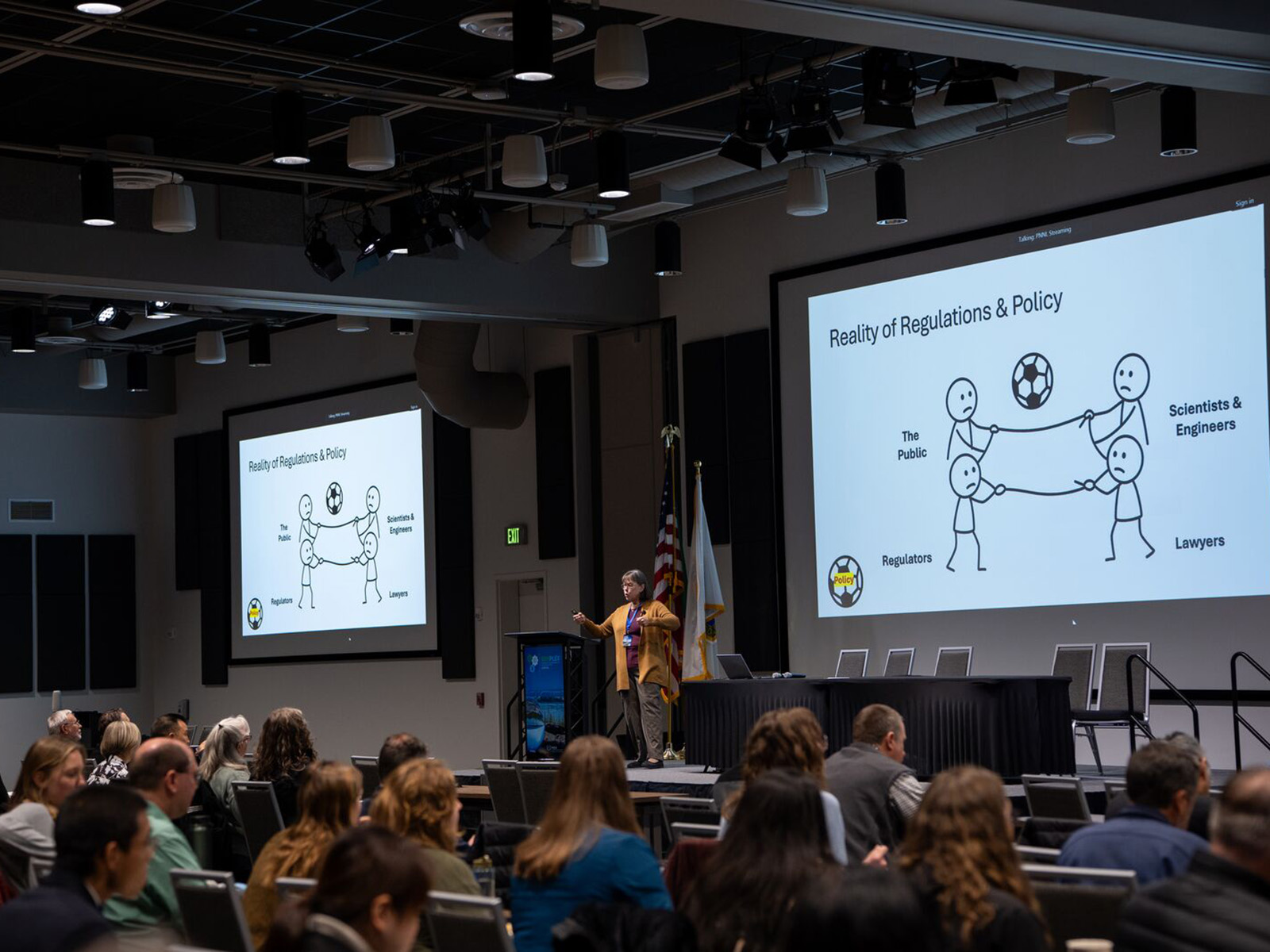
RemPlex organizes virtual seminars throughout the year and invites input on areas of interest, research needs, and collaboration opportunities. Sign up for the RemPlex newsletter to be notified about upcoming seminars and other opportunities to connect and learn, or contact remplex@pnnl.gov to explore collaborating or to suggest topics for future RemPlex events.
Published: February 20, 2026