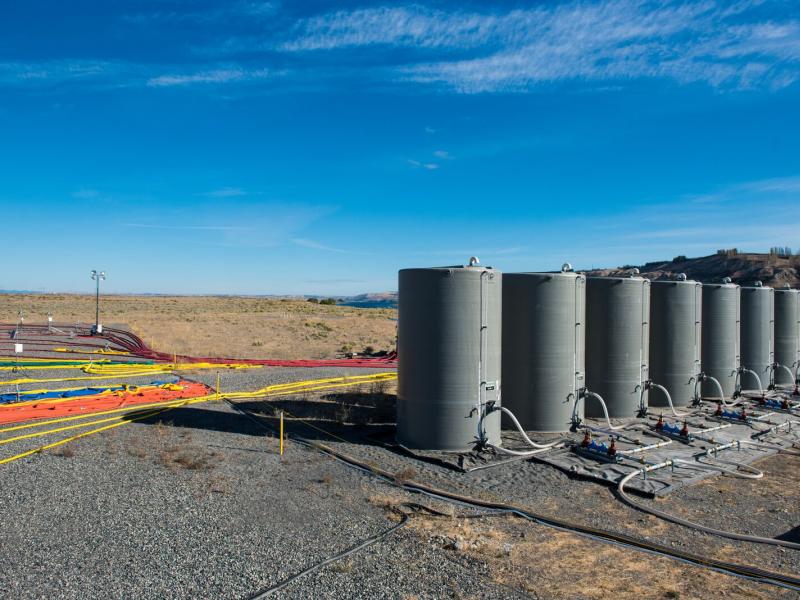
A new web-based tool provides easy-to-understand progress metrics and other data about groundwater cleanup sites overseen by the DOE Office of Environmental Management.
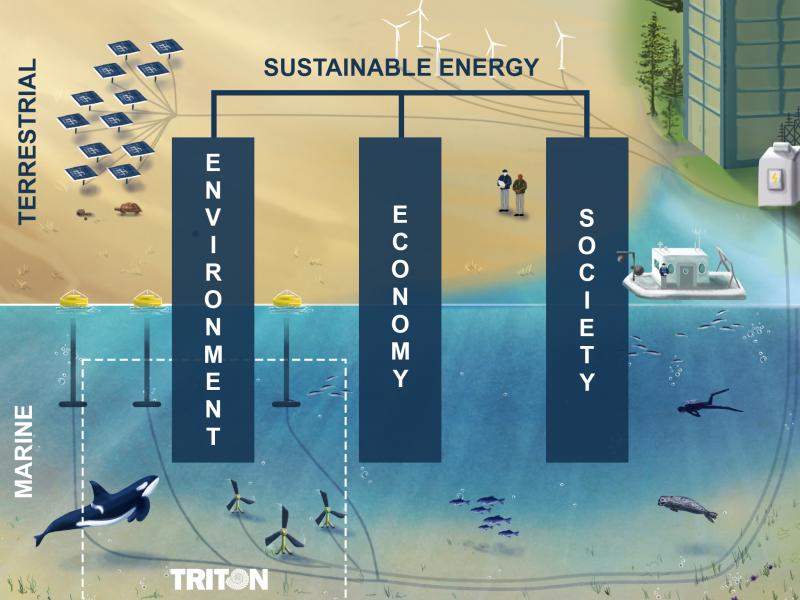
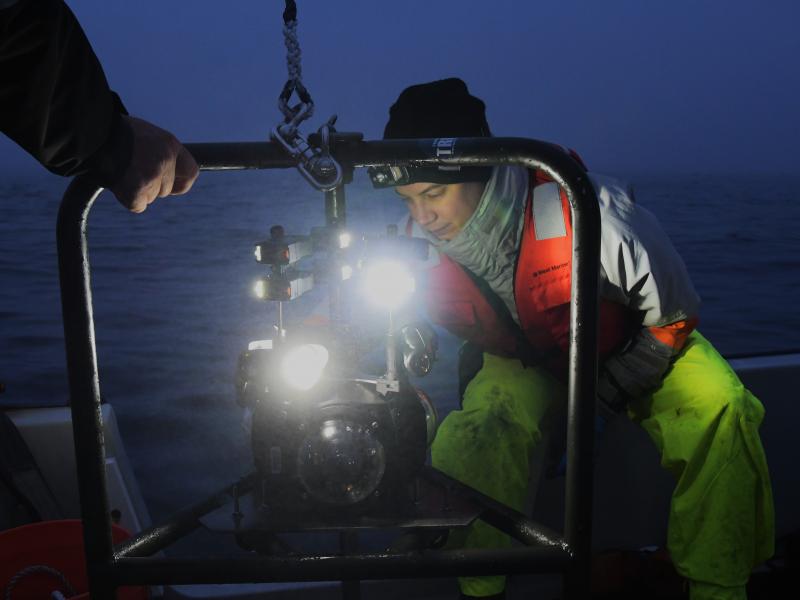
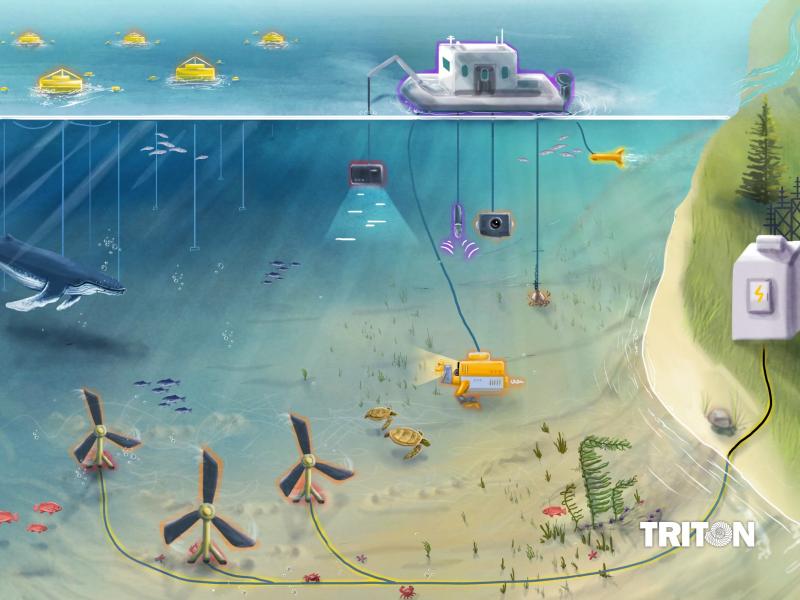
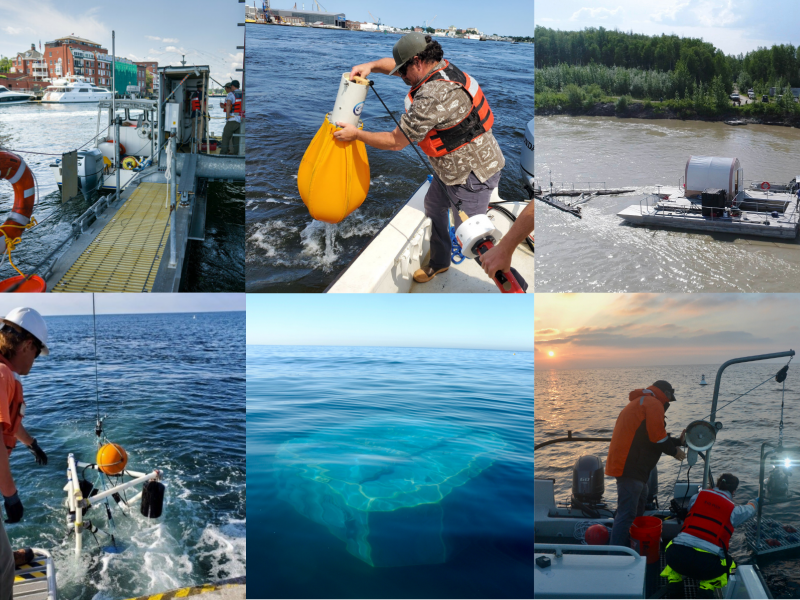
A Triton Story highlights the Triton Initiative's holistic marine energy environmental monitoring research, including considerations for energy sustainability and life cycle assessment next steps.
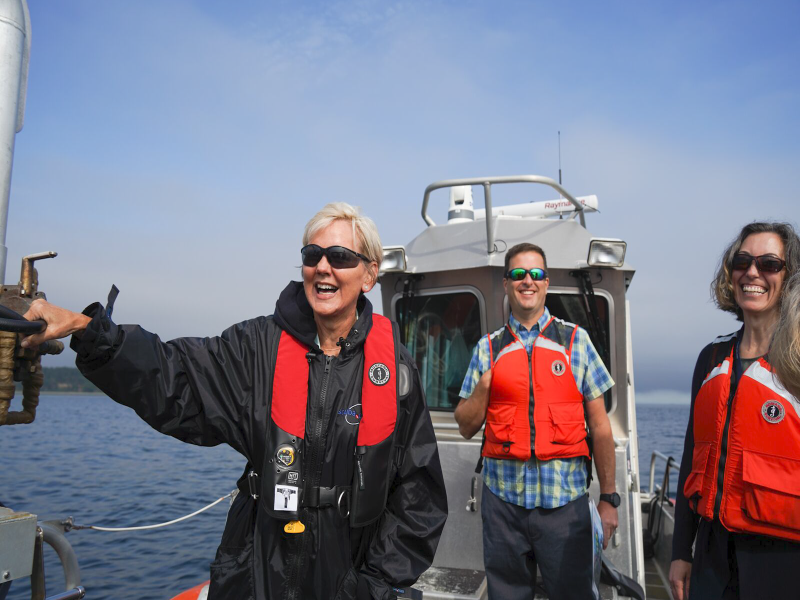
The Department of Energy Secretary Jennifer Granholm made her first in-person visit to PNNL, a leading center for scientific discovery and technical innovation in sustainable energy.
PNNL wind energy experts have published the Distributed Wind Market Report: 2022 Edition, supplying key findings that can help businesses, communities, and homeowners make informed decisions.
PNNL scientists have proposed an "adaptive site management" cleanup strategy for the Hanford Site's Central Plateau that incorporates a structured, flexible approach to environmental remediation.
The Triton Initative discusses special issue publications from the Triton Field Trials on environmental monitoring recommendations for marine energy applications.
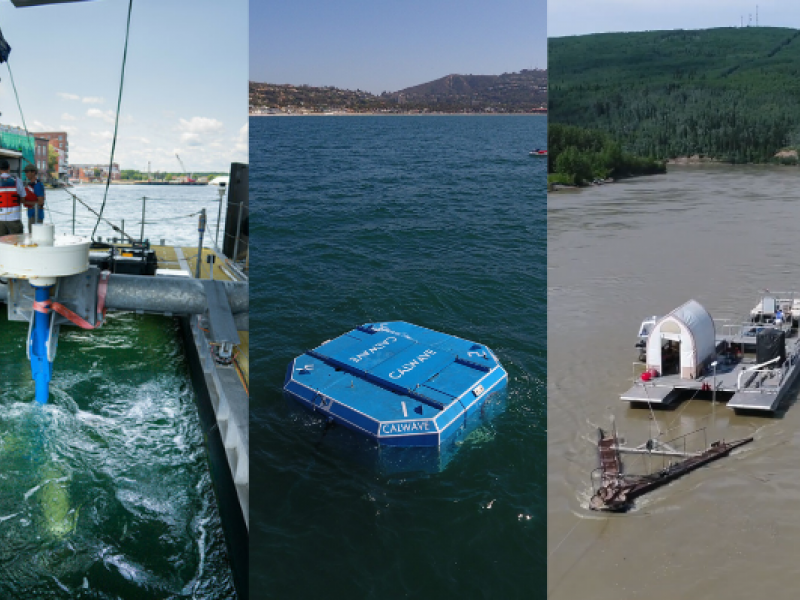
This Triton Story discusses the many types of marine energy devices and the Triton Field Trials environmental monitoring research around wave, tidal, and riverine energy devices.
The Triton Initiative highlights different creative science communications, including photography, writing, and science art, and the impact they have on the project's marine energy research.
Ocean biogeochemical modeling software now available as open source to help researchers predict impacts of pollution, sea level rise, and climate change.
Integrating hydrogeology and biogeochemistry are required to model the dynamics of geochemical processes occurring in river corridor zones where groundwater and surface water mix.