PNNL has developed a next-generation electrical resistivity tomography system for DOE that uses E4D software and AI-enhanced modeling to produce real-time subsurface images that help guide environmental remediation decisions.
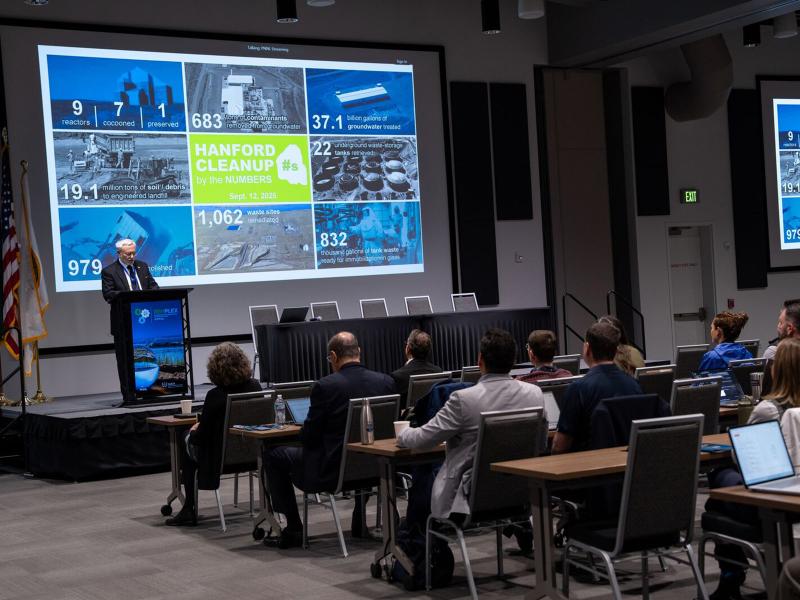
RemPlex 2025 Global Summit on Environmental Remediation attendees share knowledge about cleanup and monitoring of complex sites worldwide; more than 100 presentations are posted online.
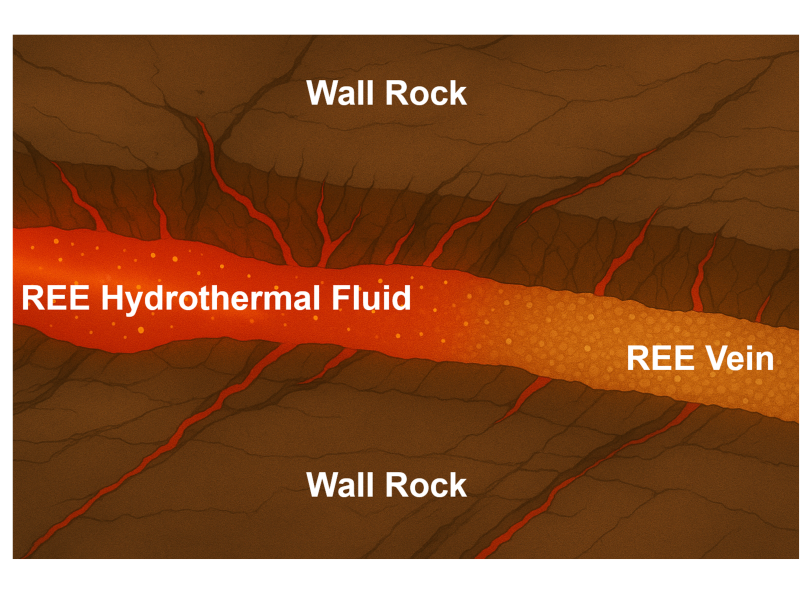
The first direct molecular-scale evidence of the temperature-driven transformation of the coordination environment of ytterbium at geologically relevant conditions.
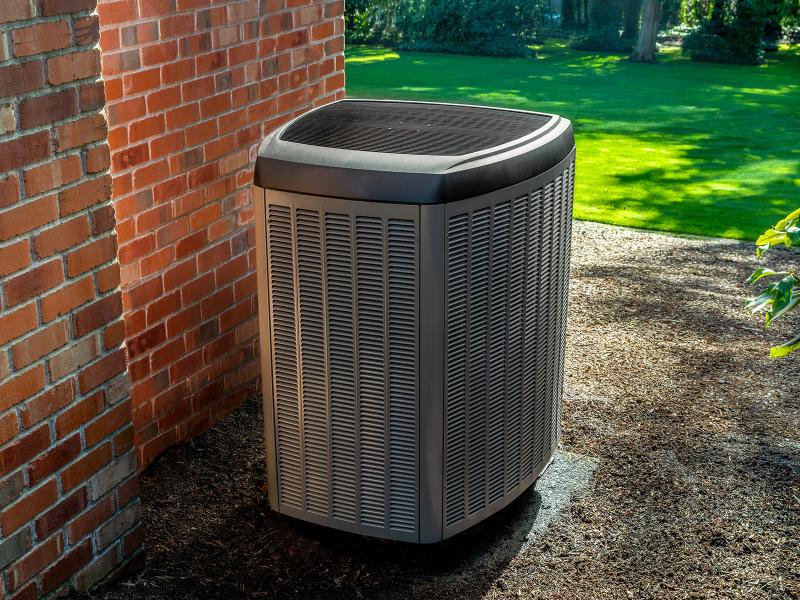
PNNL has developed a decision tool that provides contractors and installers with the information they need to properly select and install cold climate heat pumps, which are a key technology for achieving decarbonization.
To improve our ability to “see” into the subsurface, scientists need to understand how different mineral surfaces respond to electrical signals at the molecular scale.
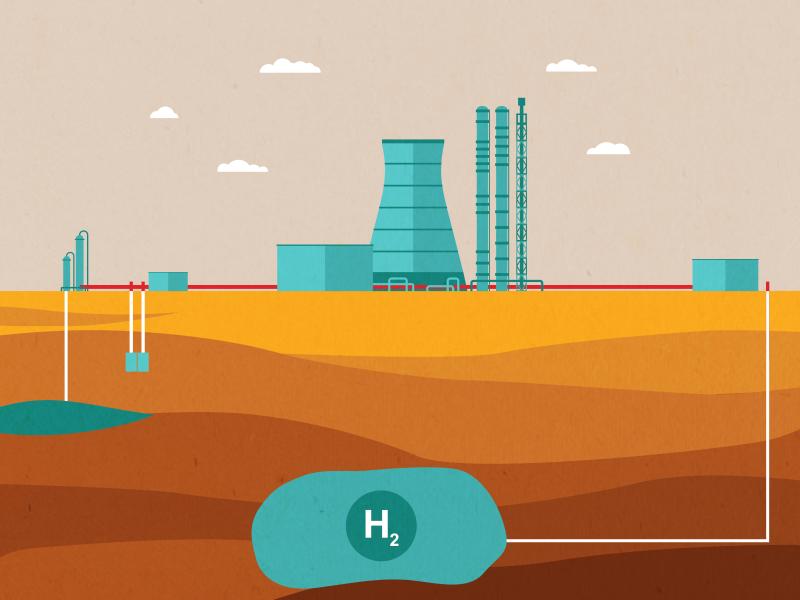
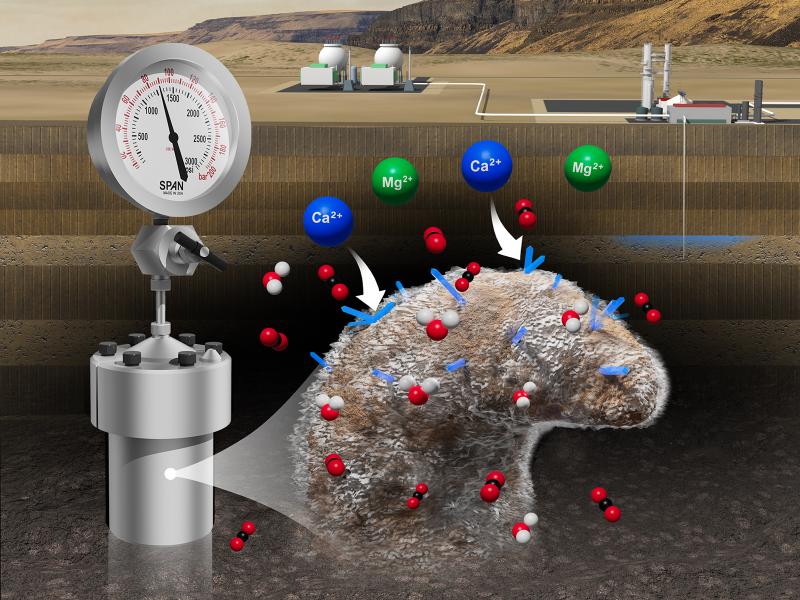
The SHASTA program is doing a deep dive on subsurface hydrogen storage in underground caverns, helping to lay the foundation for a robust hydrogen economy.
PNNL’s Center for the Remediation of Complex Sites convened attendees from around the world to discuss challenges associated with environmental contamination.
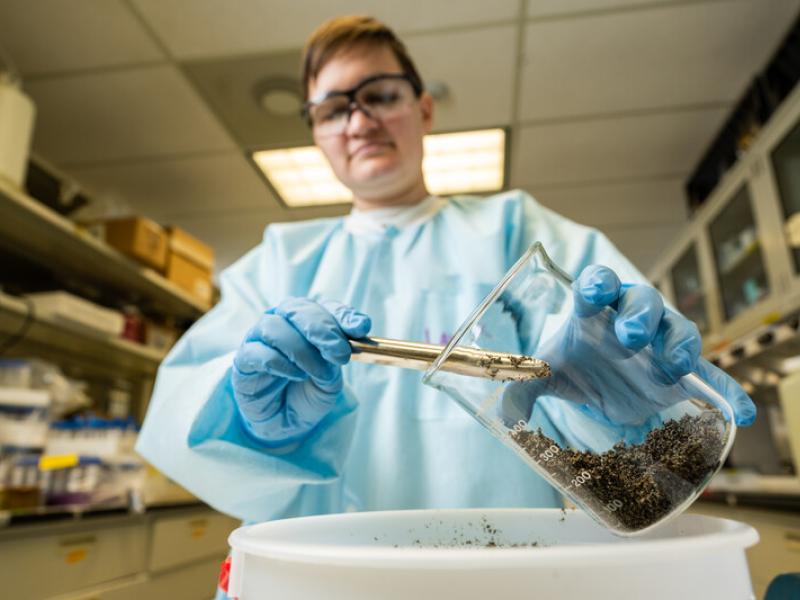
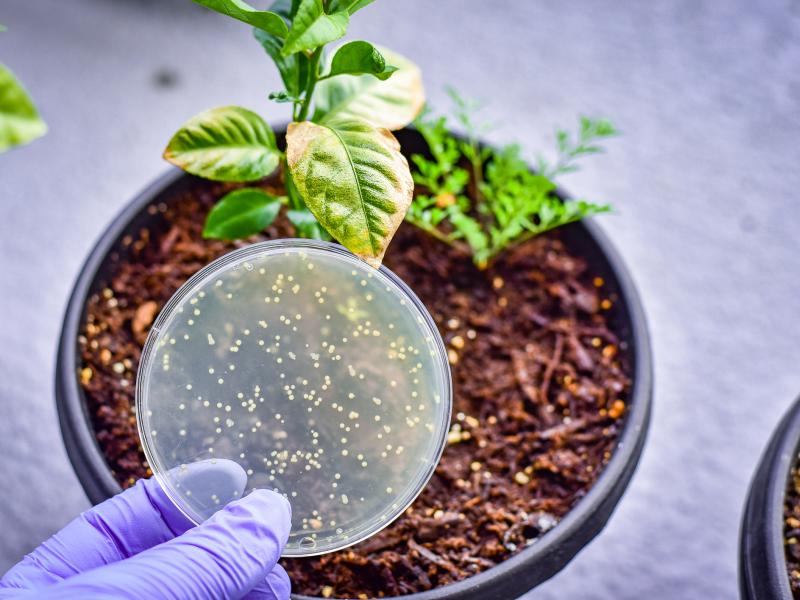
Scientists at PNNL have published a new article that focuses on understanding the composition, dynamics, and deployment of beneficial soil microbiomes to get the most out of soil.
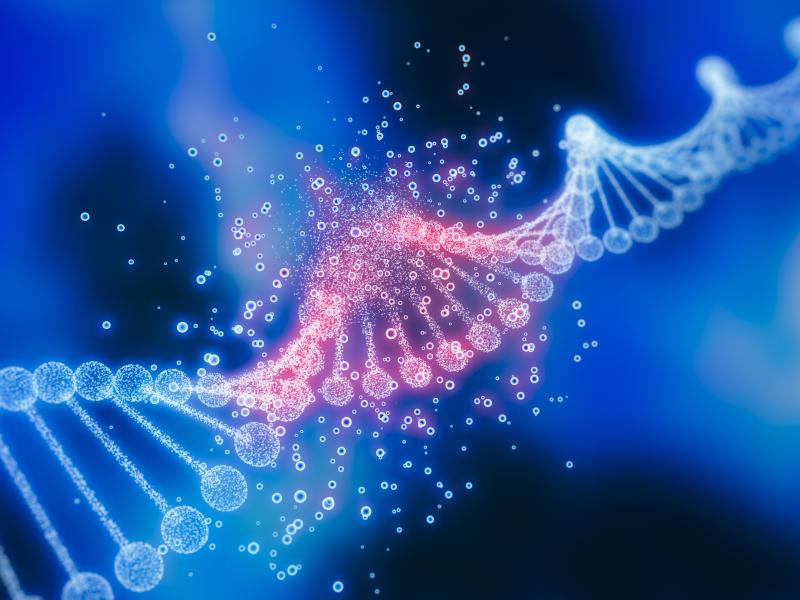
A team of researchers from PNNL provided technical knowledge and support to test a suite of techniques that detect genetically modified bacteria, viruses, and cells.
A larger HVAC workforce with training on modern heat pump technology will be pivotal to achieving the mass-scale electrification of household HVAC systems needed to meet building decarbonization goals.
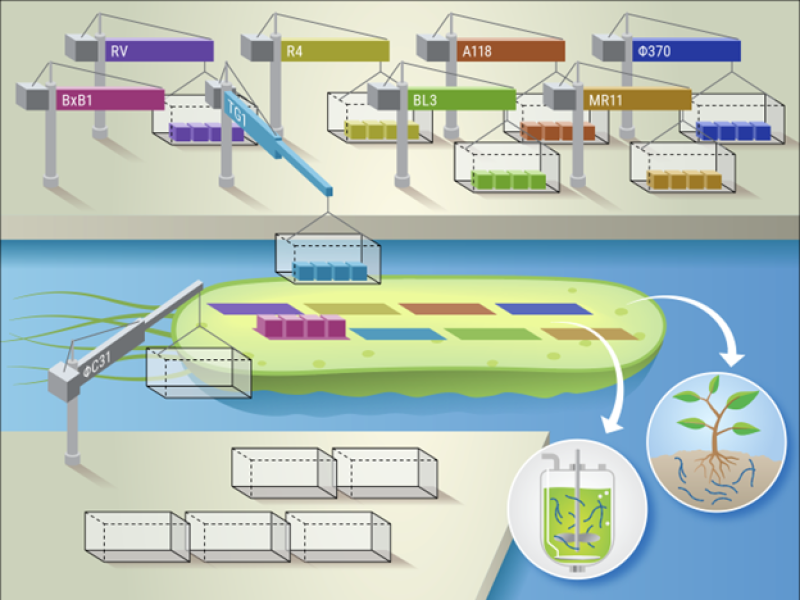
SAGE is a high-efficiency genome integration strategy for bacteria that makes the stable introduction of new traits simple for newly discovered microbes.