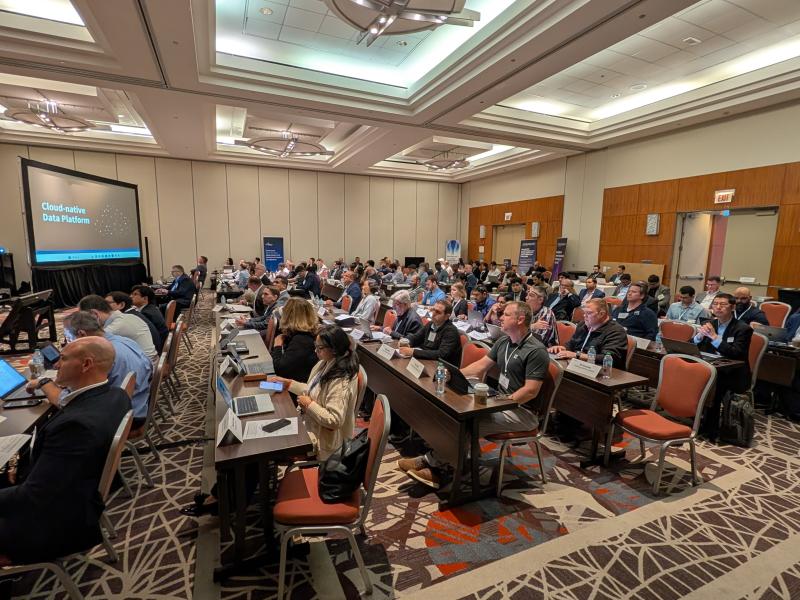
Attendees of both Fusion Week and the 13th annual Innovation Showcase united at PNNL to chart the milestones leading to a new energy landscape, from boosting the nation’s tritium supply to building commercial-scale fusion reactors.
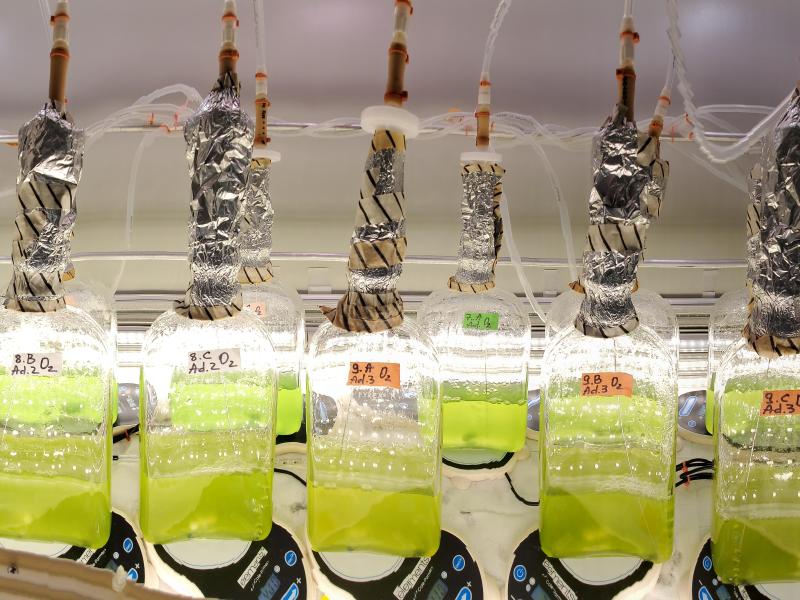
Scientists combined detailed images and coordinated time-series multiomics data to show how protein complexes regulate carbon fixation as light conditions change.
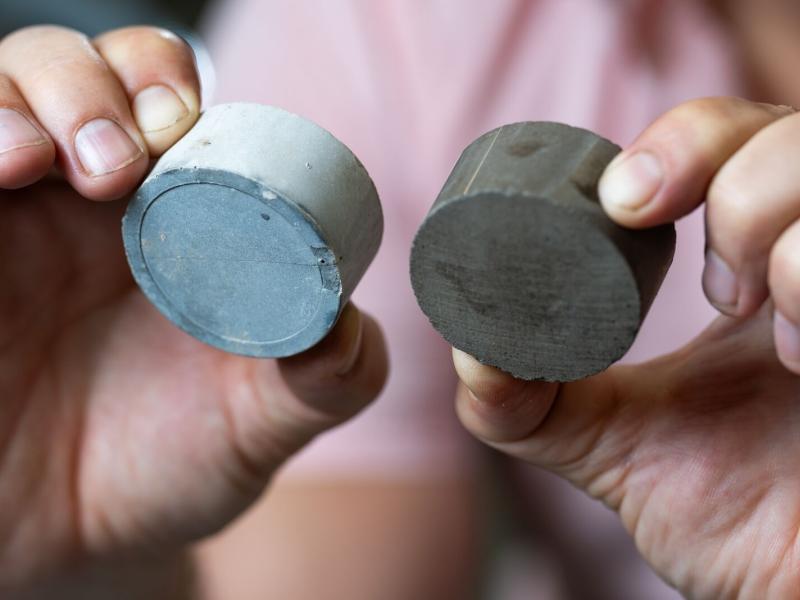
PNNL researchers have found yet another way to turn trash into treasure: using algal biochar, a waste production from hydrothermal liquefaction, as a supplementary material for cement.
This project sought to assure that research activities centered around different sampling and monitoring efforts in northwest Ohio would not disturb any historical cultural resources.
PNNL will engage with transmission planners and other regional partners through technical assistance and listening sessions with the goal of exploring opportunities to integrate equity into transmission planning.
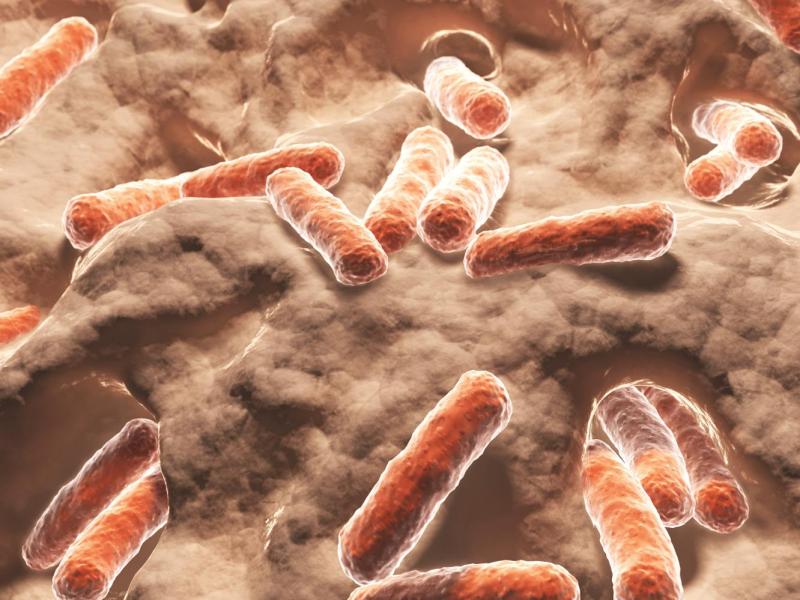
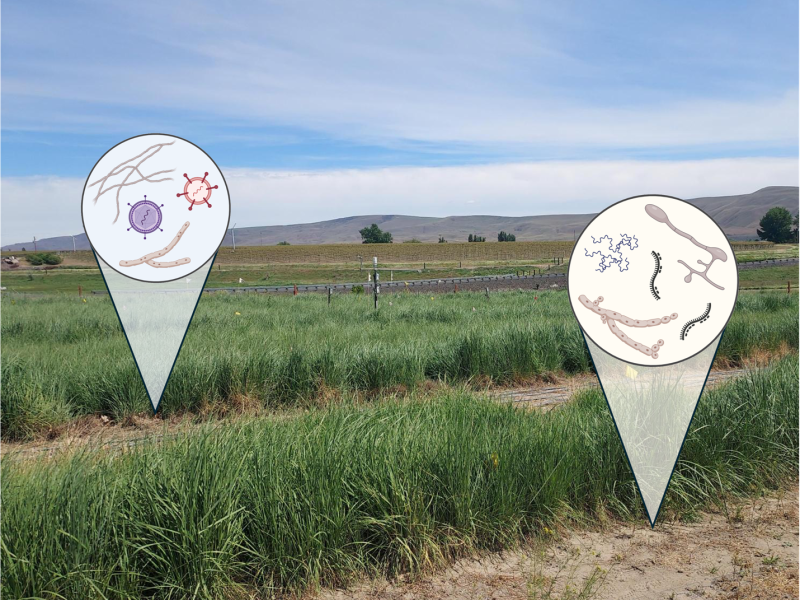
Despite the widespread presence of RNA viruses in soils, little is known about the relative contributions and interactions of biological and environmental factors shaping the composition of soil RNA viral communities.
A multi-institutional team of researchers conducted a 13C-labeling greenhouse study using a semi-arid grassland soil, where they tracked the fate of 13C-labeled inputs from living roots and decaying roots from annual grass Avena barbata.