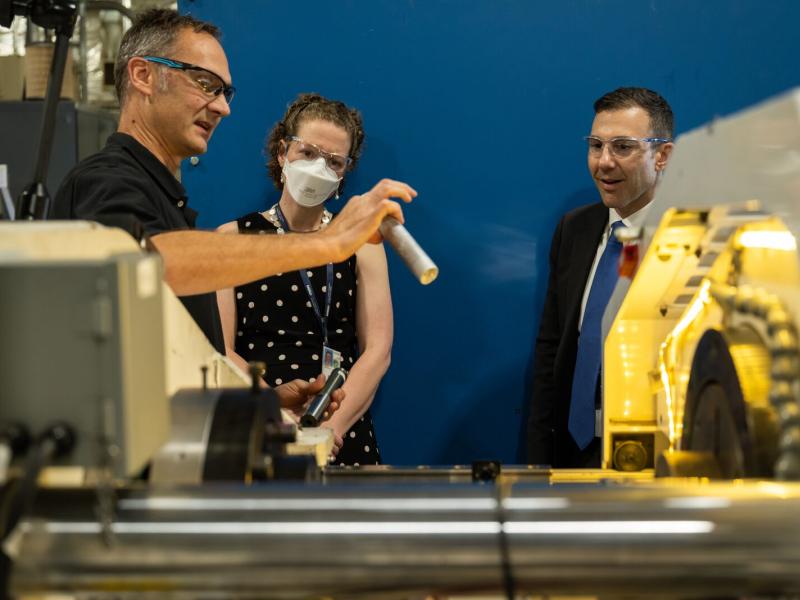
Mandy Mahoney, director of the DOE Building Technologies Office, visited PNNL in late November. One key agenda item involved meeting with staff for a discussion of effective equity and justice integration in buildings-related research.
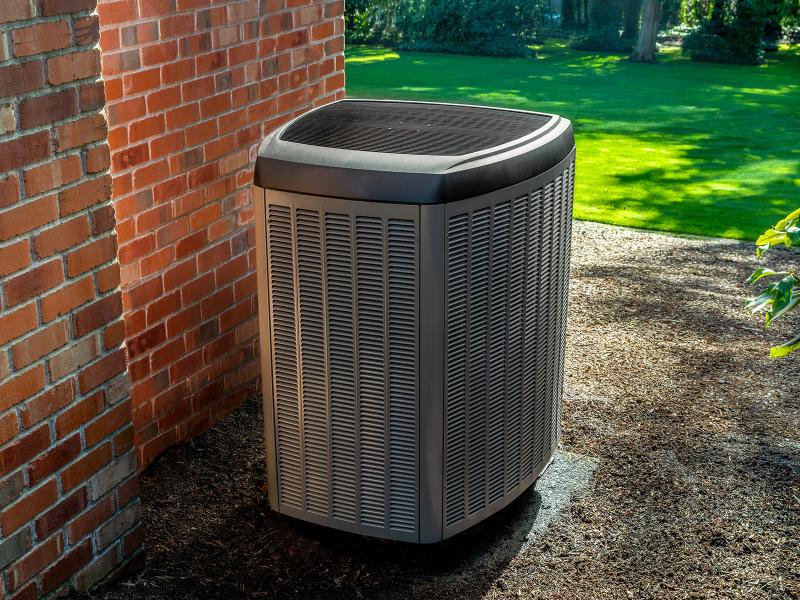
A larger HVAC workforce with training on modern heat pump technology will be pivotal to achieving the mass-scale electrification of household HVAC systems needed to meet building decarbonization goals.
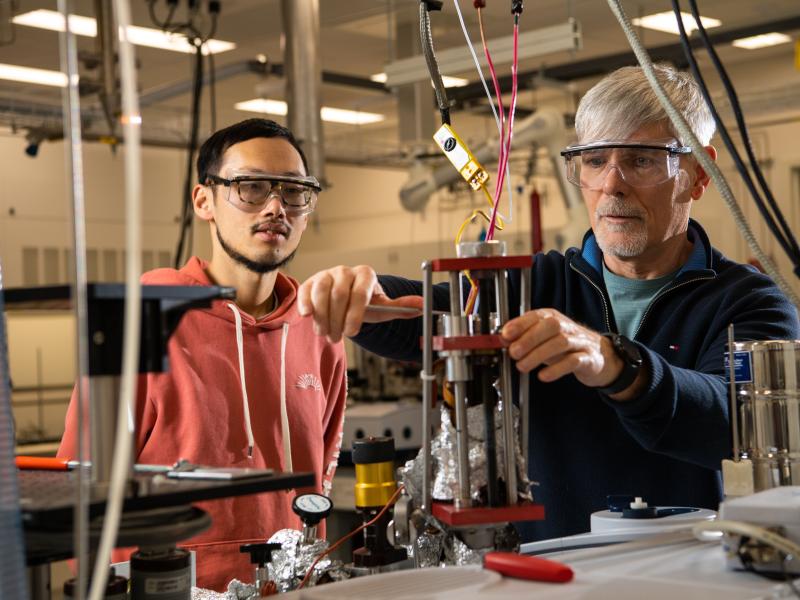
Leaders from the DOE Office of Energy Efficiency and Renewable Energy visited PNNL October 19–20 for a firsthand look at capabilities and research progress.
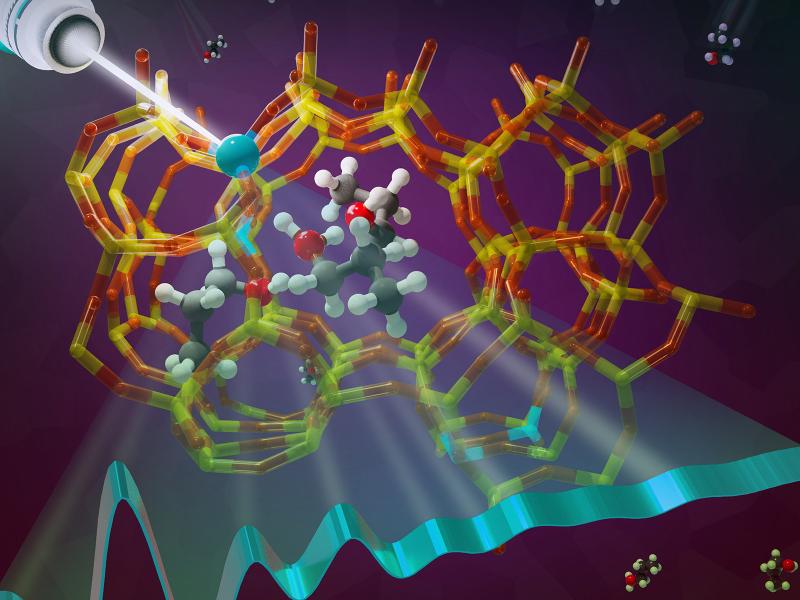
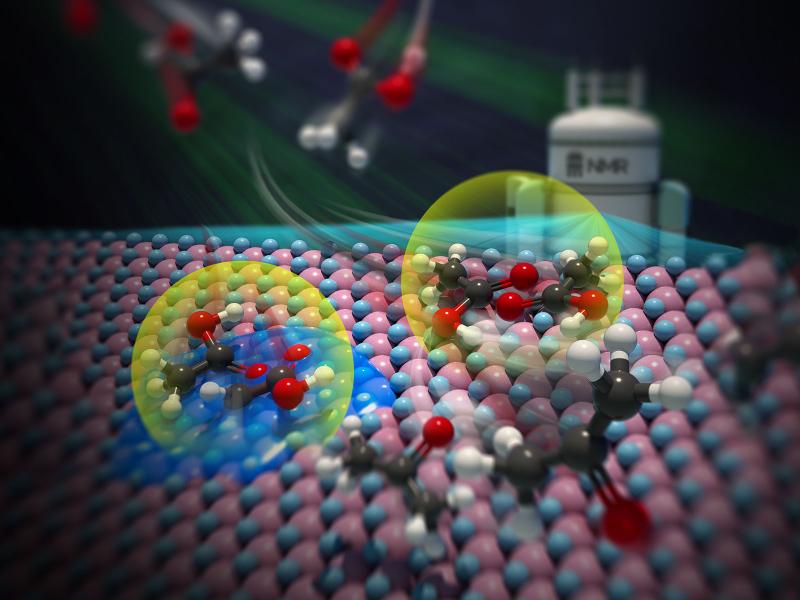
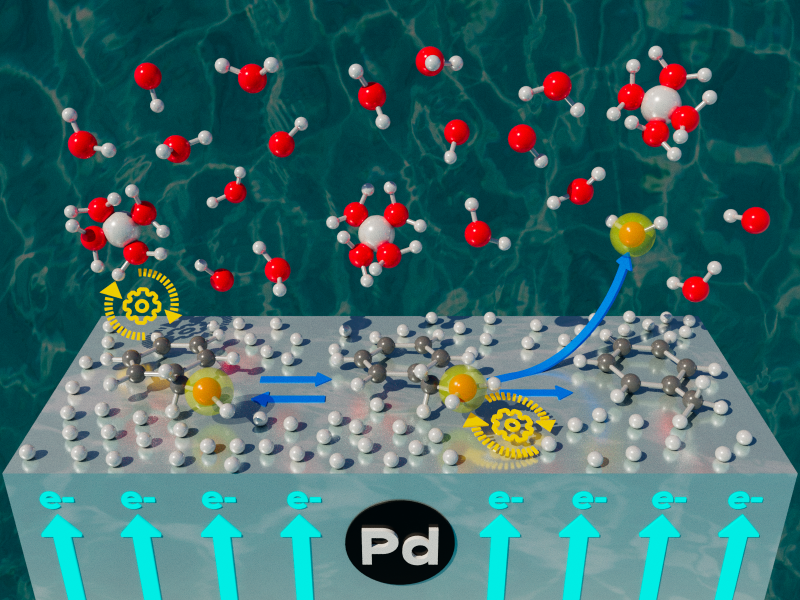
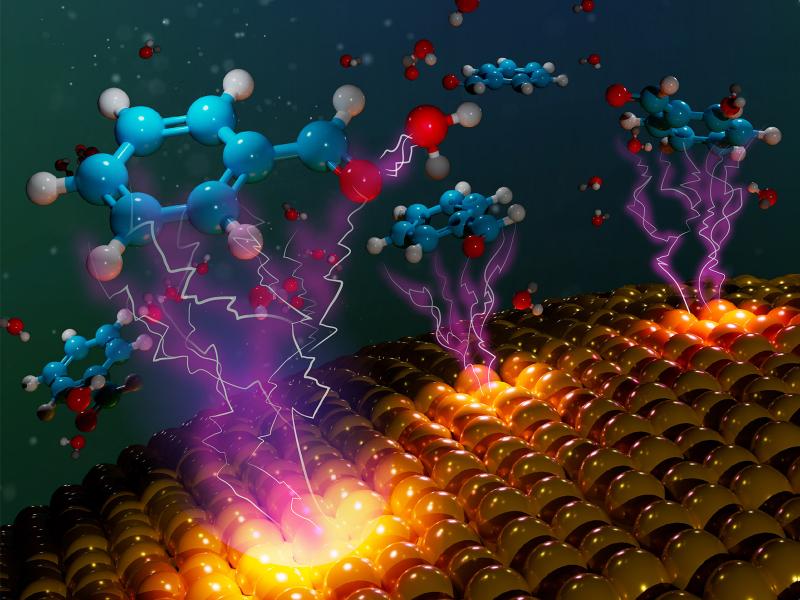
Highly precise and controllable single-atom catalysts are affected by reaction conditions, which can alter the bonding around the atoms and the activity.
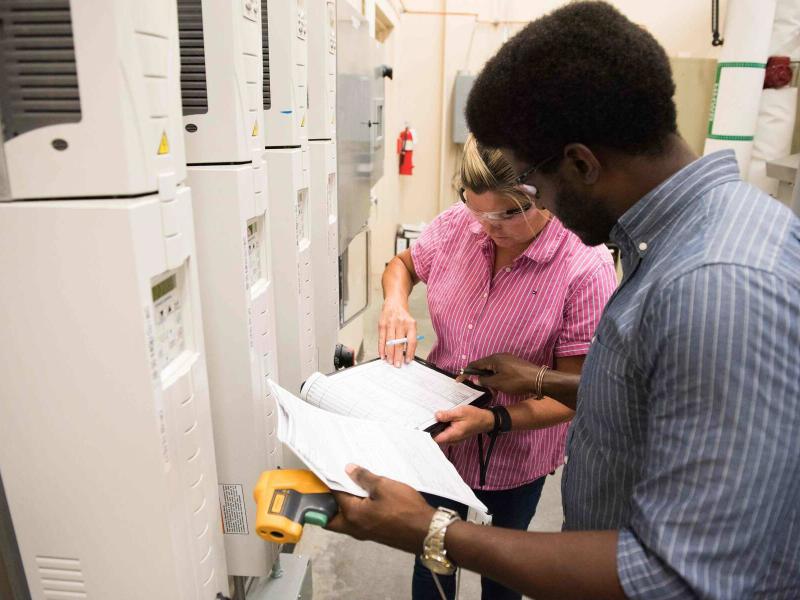
Staff at PNNL recently completed a report highlighting commercial products enabled through projects funded by the Department of Energy’s Building Technologies Office.
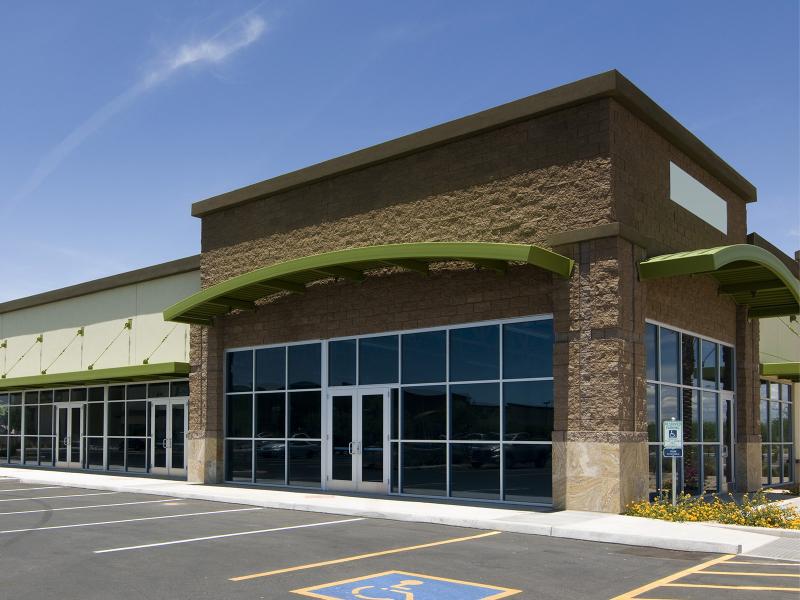
The Simple Building Calculator, developed at PNNL, meets a need for a quick, interactive, and economic method to evaluate energy use—and potential savings from efficiency measures—in simple commercial buildings.
A new version of the Department of Energy’s Technical Resilience Navigator allows users to prioritize resilience solutions based on both risk reduction and emissions impact.