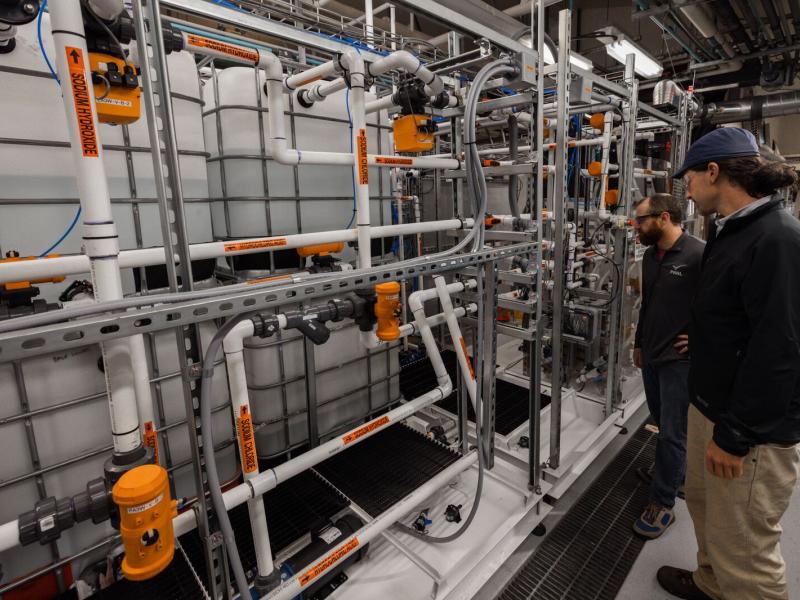
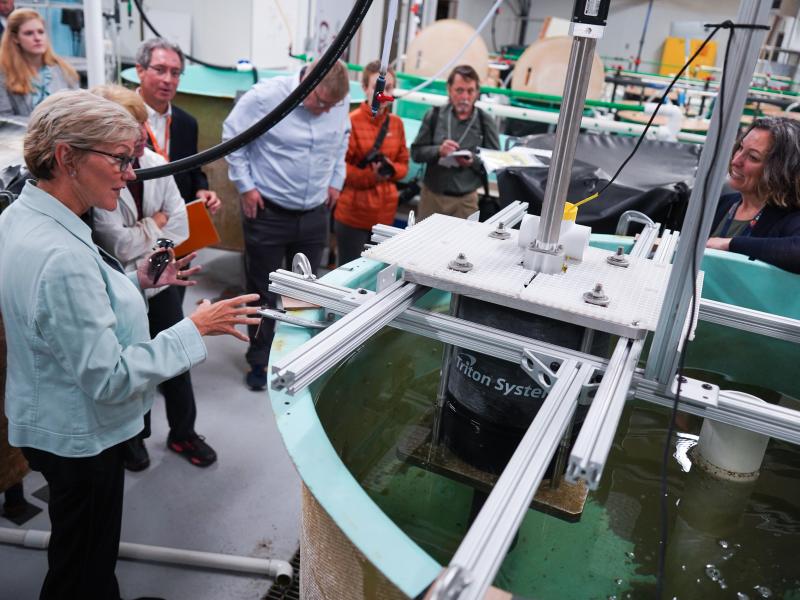
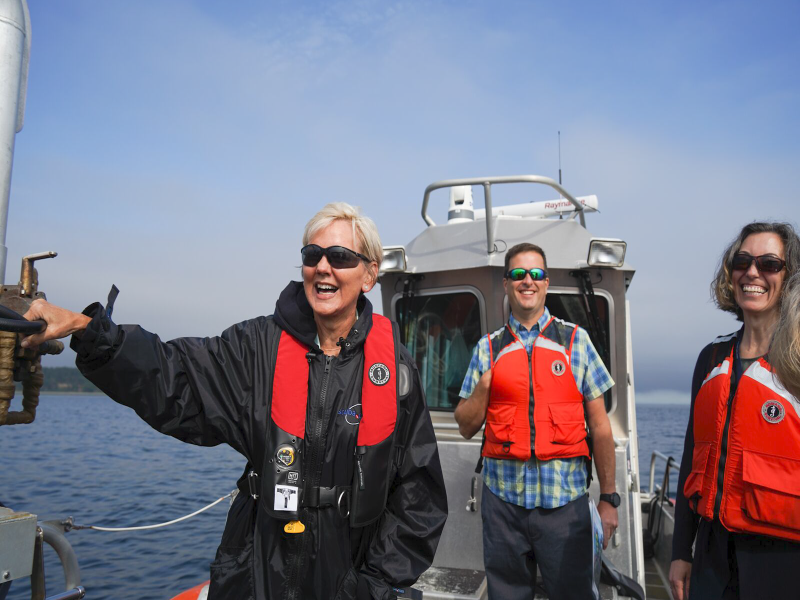
PNNL-Sequim scientists will spend the next year testing a new technology that could allow the ocean to soak up more carbon dioxide without contributing to ocean acidification.
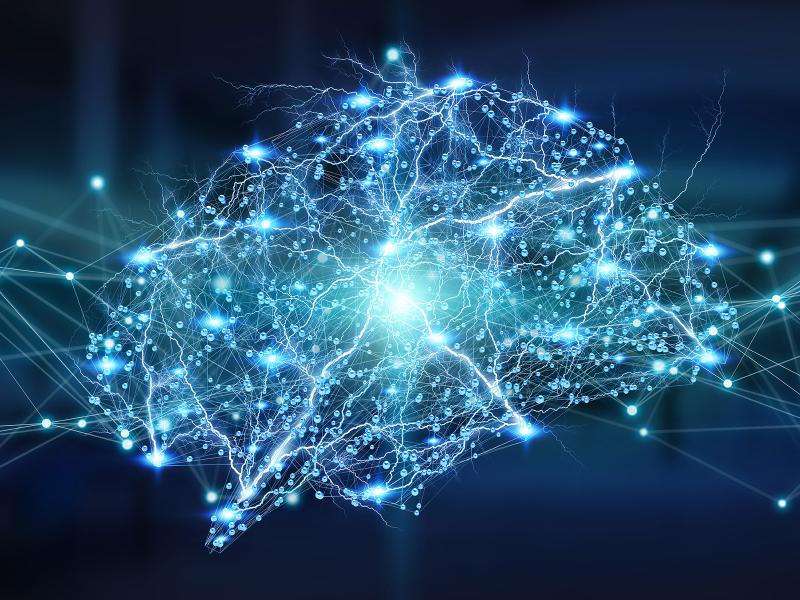
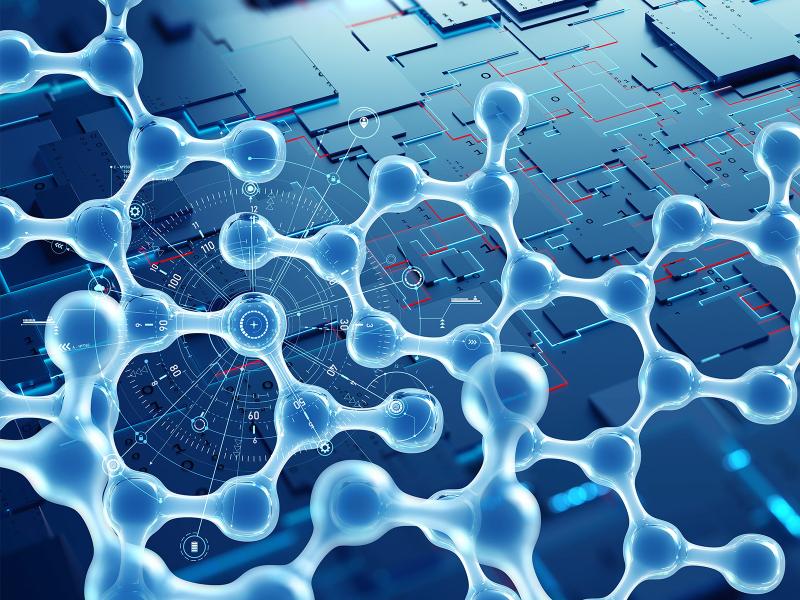
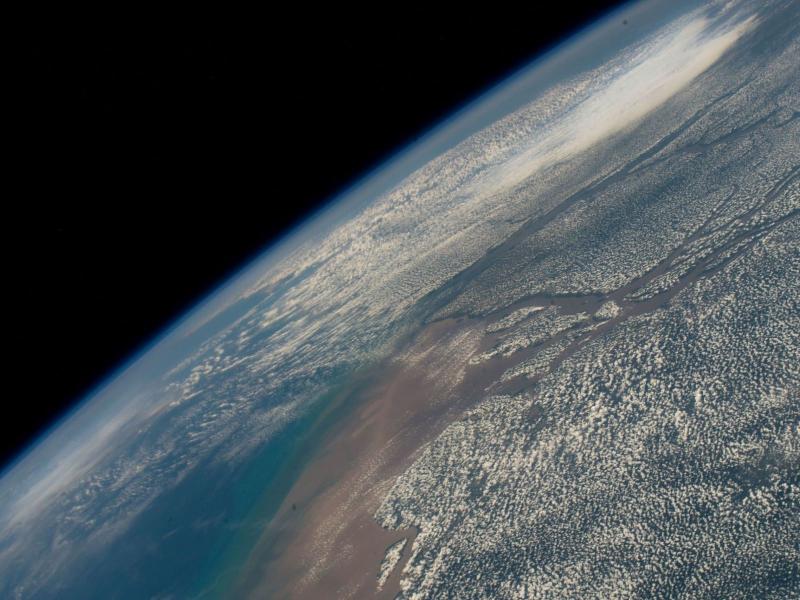
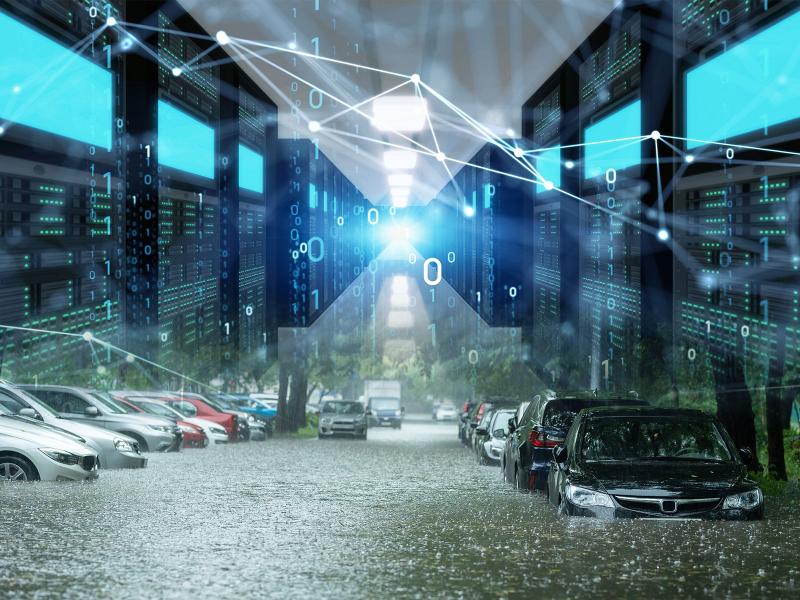
Machine learning models help identify important environmental properties that influence how often extreme rain events occur with critical intensity and duration.
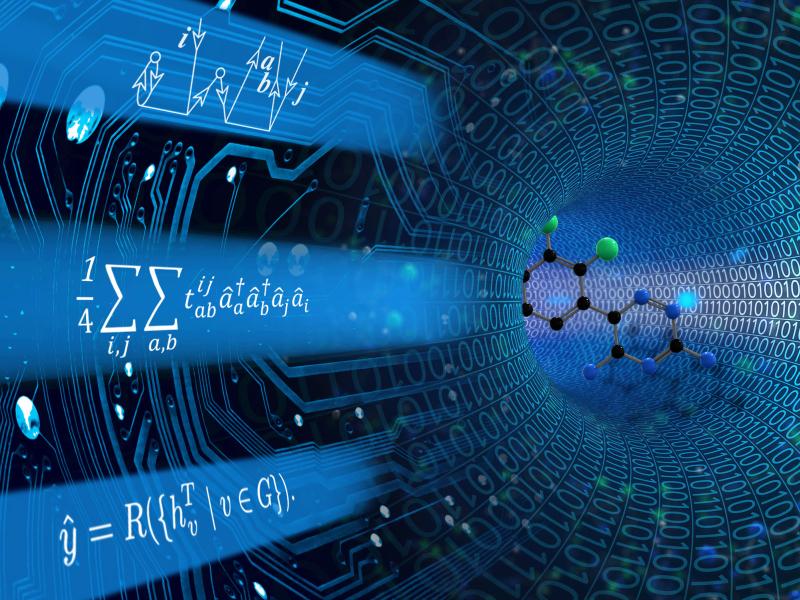
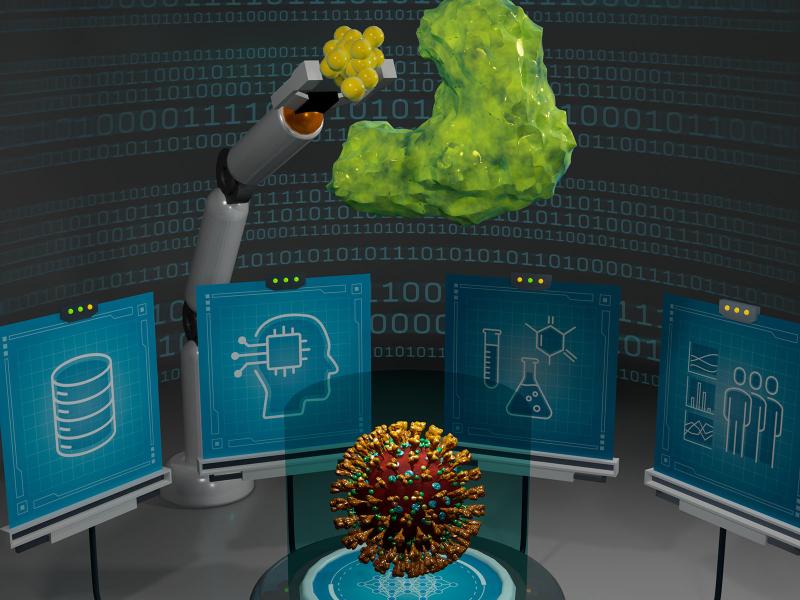
Data-driven autonomous technology to rapidly design and deliver antiviral interventions targeting SARS-CoV-2 to reduce drug discovery timeline and advance bio preparedness capabilities.
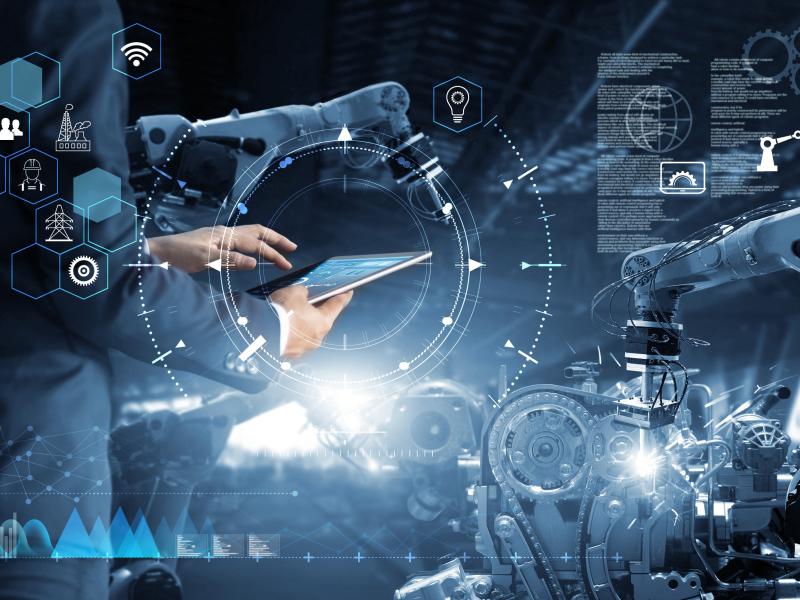
The work by the team at PNNL takes a critical step in leveraging ML to accelerate advanced manufacturing R&D, specifically for manufacturing techniques without access to efficient, first-principles simulations.
As leaders in AI and machine learning, PNNL experts are sharing their latest findings at the 36th annual Neural Information Processing Systems (NeurIPS) Conference, Nov. 28–Dec. 9, 2022.
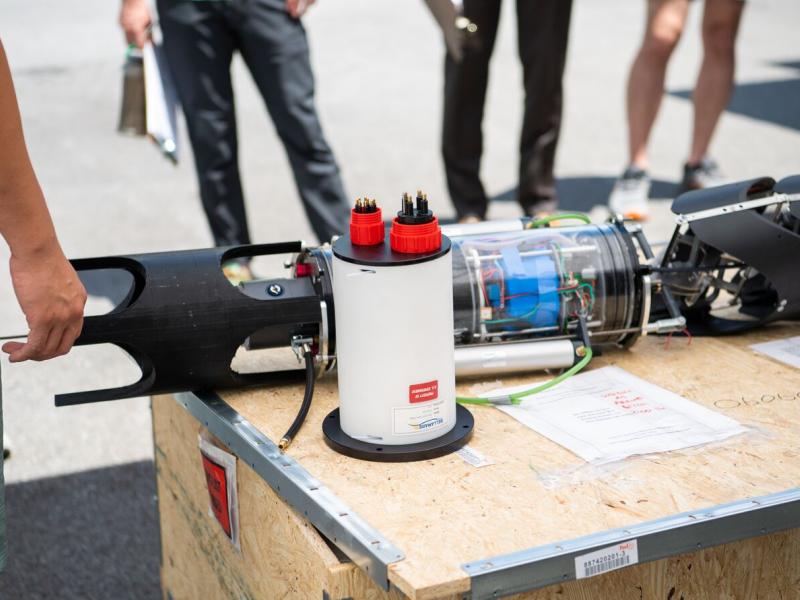
PNNL researchers developed the dummy payload to evaluate the performance of marine energy device prototypes in the Powering the Blue Economy: Ocean Observing Prize Competition.
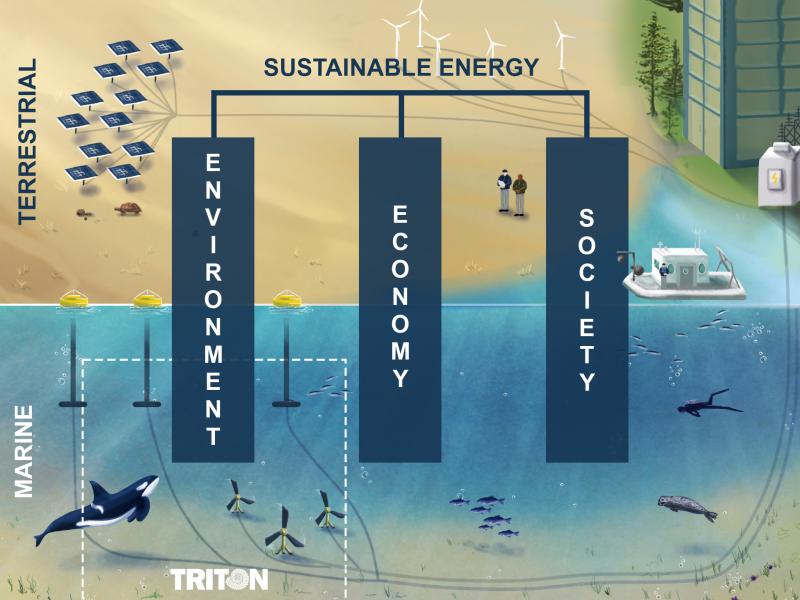
A Triton Story highlights the Triton Initiative's holistic marine energy environmental monitoring research, including considerations for energy sustainability and life cycle assessment next steps.
The Department of Energy Secretary Jennifer Granholm made her first in-person visit to PNNL, a leading center for scientific discovery and technical innovation in sustainable energy.